The historic, symbolic spot of Namba. Always popular with tourists
It is a shopping district specializing in food-related specialty shops, and the district stretches about 800 meters from north to south between the Asakusa and Ueno areas.
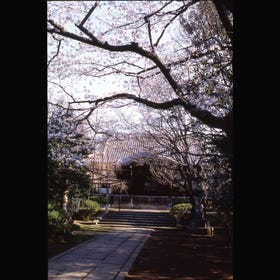
A Nichiren Buddhist temple housing Kishimojin (Hariti), the deity of easy childbirth. Steeped in nature, Kishimojin-do has been a popular site for viewing cherry blossoms since the Edo period (1603-1868).
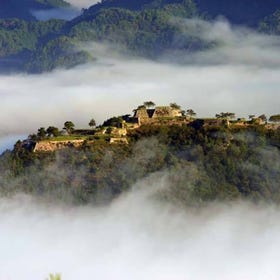
The magnificent Azuchi castle has been brought back to life
Stay in the city while getting a taste of the views from deep mountain valleys in this Japanese-style garden
Witness Japanese paper dyeing, a traditional craft that is designated a cultural heritage of Bunkyo Ward, here at Ochanomizu Origami Kaikan, or Japanese paper folding center.
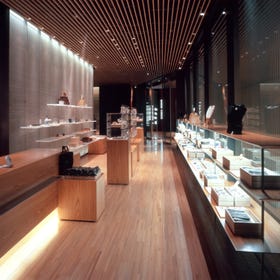
The Suntory Museum of Art is directly connected with Roppongi Station and inside Tokyo Midtown — a chic integrated complex where you can enjoy shopping.
View the world six meters below the water surface
Originally created as part of the Imperial Palace, the gardens are now open to the public.
Boasting the largest variety of jellyfish in the world
The Osawa-no-ike Pond is famous for its cherry blossoms and moon-viewing pavilion
A Dutch-style garden surrounding a pond, located next to the Niigata Hakusan-jinja Shrine
Traditional Japanese bathhouses(SENTO).
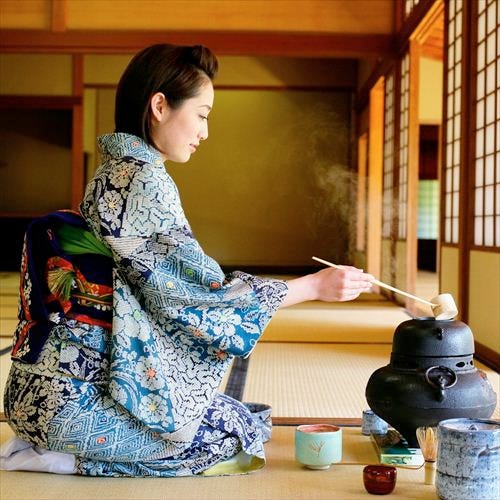
Indulge in tea while gazing at the garden
One of the most outstanding castle ruins in all of Japan
A relaxing accommodation loved by women
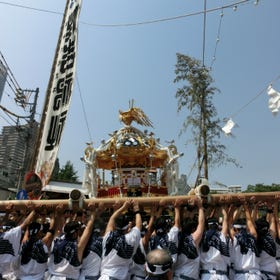
A guardian shinto shrine in northern Shinagawa-shuku. Best known for its portable shrines during the annual Shinagawa Shrine Festival in June.
Japan’s largest lake, replete with noteworthy places and leisure opportunities
A shrine where the god for safe sea travel is enshrined has been respected by people. Many important cultural properties of the ward are preserved in the shrine ground.
Many people visit to receive divine blessing from the “kachi daruma”, said to bring good luck