Colorful plastic samples are displayed at Ganso Shokuhin Sample-ya. On the second floor of the Kappabashi Showroom, you can experience making food replicas using wax. Based on a program designed by artisans, the staff will teach you the traditional techniques. You will make two kinds of plastic tempura and a head of lettuce in approximately one hour. A reservation by phone is required. Please note that the instruction is available only in Japanese.
Don quijote is one of the largest discount retailers in Japan, known for its focus on convenience, discount, and entertainment. Stores offer a vast selection of products, with around 40,000 to 60,000 items available, including food, everyday essentials, clothing, home appliances, and brand-name goods.Grab your coupon from the 'Coupon' tab and enjoy shopping with great deals!
Ubukeya is a ”Uchi Hamono” shop established in 1783 in Osaka. It was located in Edo during the Bakumatsu period, and is still around now. The store name came from the praises that their products ”can cut your ubuke (soft hair), can cut and remove”. They sell a range of products, from tweezers to Japanese knives, to scissors, western knives and other knives. If you take care of them meticulously, they can even be passed on to your grandchildren's generation. Apart from that, you may also find it interesting to see the wooden, quirky architecture of the shop.
Don quijote is one of the largest discount retailers in Japan, known for its focus on convenience, discount, and entertainment. Stores offer a vast selection of products, with around 40,000 to 60,000 items available, including food, everyday essentials, clothing, home appliances, and brand-name goods.
”It is a store with a full range of cutting-edge categories. We also have products with popular content such as anime characters, and cosplay. In addition, We have a wide selection of cosmetics that are popular in Japan, and we are creating stores for a wide range of age groups and customers who come to our stores can get a glimpse of Japanese culture. On the exterior, ””Edo Kiriko”” pattern is arranged according to the urban development of the area that emphasizes the history and emotion of Edo, and the inside of the store is ””Don Pen”” transformed into a youkai with motifs such as ””The Seven Wonders of Honjo”””
This shopping spot called mAAch ecute Kanda Manseibashi makes use of Manseibashi bridge, which was built in 1912. Taking advantage of the quaint atmosphere brought to life by the bricks and arches of the bridge, a lot of shops gather here like general stores, restaurants, and craft beer stores, among others. There are also a multitude of Japanese goods and sweets stores, so you might want to go here if you're looking for a souvenir.
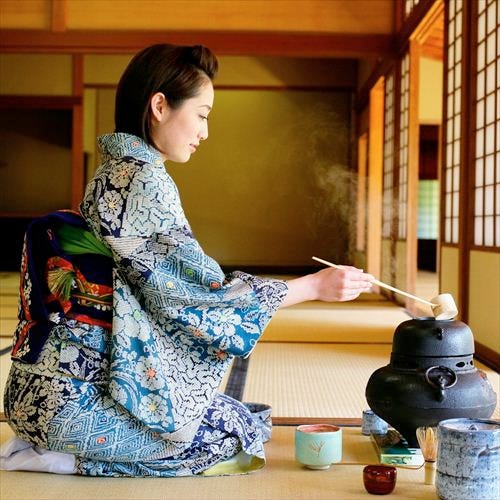
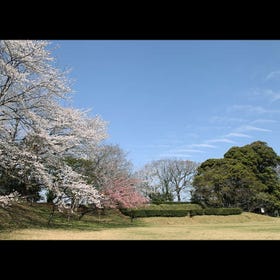
Sakura Castle was also used as the government office of the Sakura Domain during the Edo period. What was built in this site of greenery and history was the Sakura Castle Ruins Park. Castle remains can be found in the park such as parts of old towers and dry moats. There are also many large trees such as the Mokkuku Couple evergreen trees which are around 400 years old and have been designated a natural monument by Chiba Prefecture. It is also a place where around 48 varieties of around 1,100 cherry blossom trees proudly blossom during spring. The park hosts tea gatherings for the general public on Sundays and national holidays at the tea room called Sankeitei.
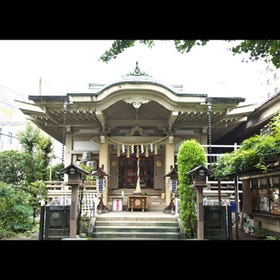
Tokugawa Iemitsu, the third shogun of the Tokugawa family in the Edo period, established Sanjusangen-do for the peace in the country, national security, and tempering martial arts. The hall built after the manner of ones in Kyoto became the beginning of Yasaki-inari. The name Yasaki also came from ”yumi” (a bow) and ”ya” (an arrow). Fukurokuju (god of happiness, wealth, and long life) of the seven deities is placed at the right side of the worship hall in front of the main building.