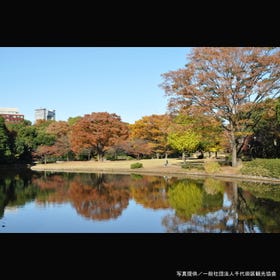
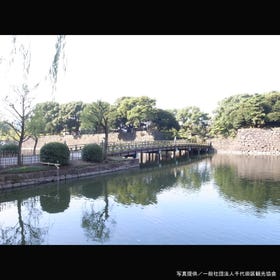
Natural forest with a history deriving from the remains of Kitanomaru of the Edo Castle.
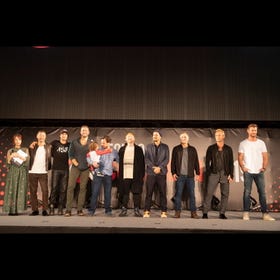
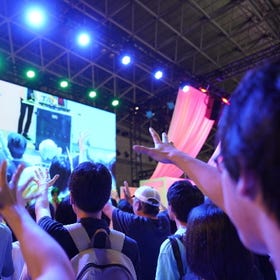
A comic convention that fuses technology with pop culture such as Japanese-American movies, comics, and animation.
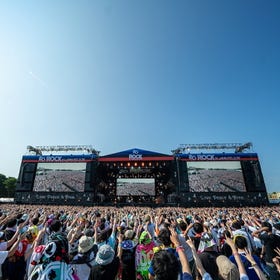
An outdoor rock festival held at Hitachi Seaside Park in Ibaraki attended by representative artists from around Japan.
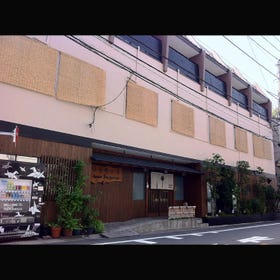
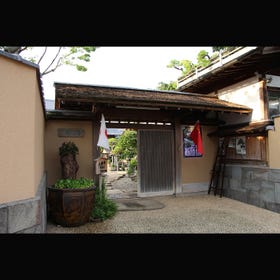
Hosting many guests from overseas, this small family-run inn is located in Yanaka, a traditional urban neighborhood of Tokyo.
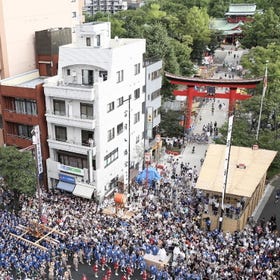
One of the three major Edo festivals. Also known as the ”water throwing festival” for as its name suggests spectators throw water on Omikoshi (portable shrine) bearers; it is a festival held annually at Tomioka Hachimangu Shrine.
This park was created to celebrate the wedding of Emperor Akihito and Empress Michiko. The fountains are illuminated during the night, creating fantastic night views.
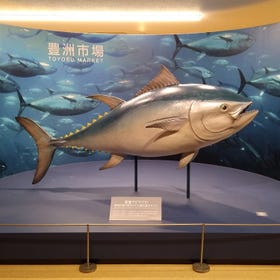
The Central Wholesale Market is the food pantry for the denizens of Tokyo. It was moved from Tsukiji in 2018 and handles seafood as well as fruit and vegetables.
Long-established lamb shabu-shabu restaurant in Ginza, Tokyo for over 25 years
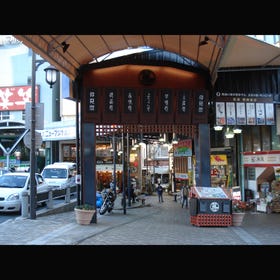
New, yet nostalgic. The station shopping arcade is a mix of older shops with history, and stylish, newer shops.
One of the world's largest gaming events. Businesses and groups exhibit the latest in games, enabling visitors to get an early crack at them.
Founded by Kunio Kobayashi, the notable bonsai (potted plant) creator. Artistic bonsai are in line with each other at the Japanese garden. You can also purchase some of them.
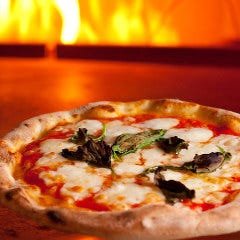
[Close to Makuhari Messe at JR Kaihin-Makuhari Station] Specialty stone oven pizza and fresh pasta in a variety of flavors. Value weekday lunch and café menu Enjoy a great sense of openness in a restaurant with high ceilings that faces the lobby of the hotel.
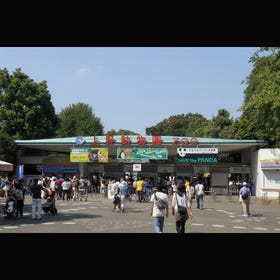
This was the first zoo to be established in Japan, with more than 100 years of history. There are about 400 different species of animals, such as the giant panda, kept in this zoo.
A complex inside the station where you'll find what you're looking for
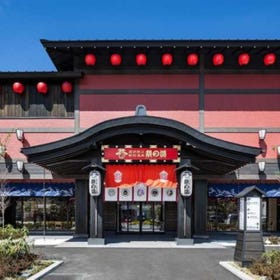
The concept is ”festival.” There's lots to enjoy after bathing too
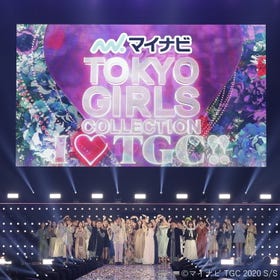
Affectionately known as ”TGC”, this is one of the largest fashion festivals ever held.
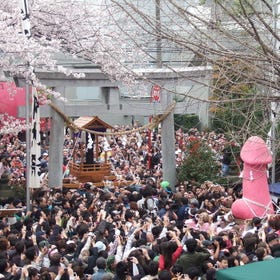
A festival popular with foreign visitors to Japan, where the mikoshi, having the motif of the male genitalia, which is considered to be sacred, is very lively jostled about.
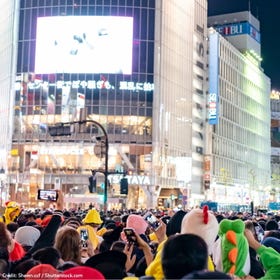
Shibuya Scramble Crossing is the hottest spot on Halloween day. It is crowded with many people dressed in costumes.
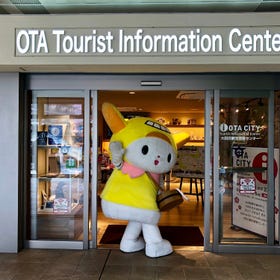
Ota City Tourist Information Center
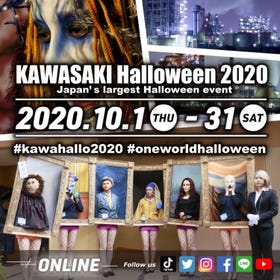
Kawasaki Halloween, one of Japan's largest Halloween events in Japan, began in 1997.