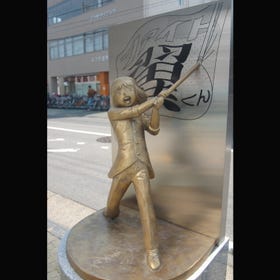
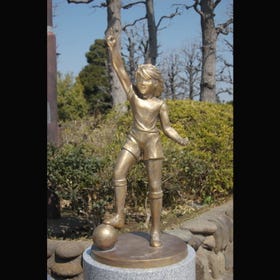
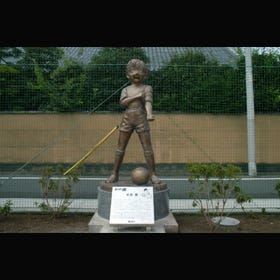
This is a bronze statue of Sanae Nakazawa from ”Captain Tsubasa (Flash Kicker),” a soccer comic series that is popular all over the world.
This is a replica of an original lighthouse that was used for 220 years during the Edo period.
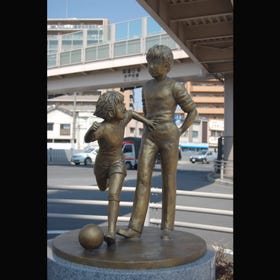
A bronze statue of the characters from the popular comic series, Captain Tsubasa (Flash Kicker). The statue shows Tsubasa Ozora in his youth and his former teacher, Hongo Robert.
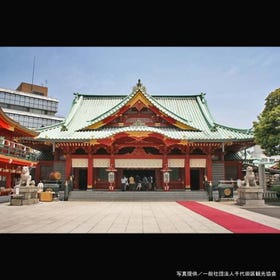
This is a historical shrine built as so-chinju (the general Shinto deity of an area) of Edo, present-day Tokyo. It is crowded with visitors wishing for the prosperity of business, family happiness, and good matchmaking.
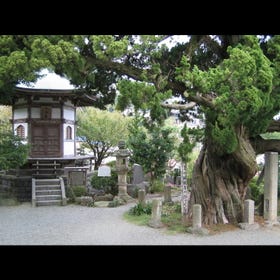
Sanehira Jiro Doi is famous for protecting Yoritomo Minamoto from Kagechika Oba’s army after he had lost the Battle of Ishibashiyama. Joganji Temple is the family temple of the Doi clan. The temple grounds contain many sights of historic interest, including Shichikido, a hall which keeps the seven wooden statues depicting Yoritomo and each of his samurai warriors who played an active part in the revival of the Minamoto family, as well as the Doi family’s burial ground (designated as a Kanagawa cultural property). A Chinese juniper tree planted by Sanehira himself (estimated to be 800 years old and designated as a national natural monument) is the largest and oldest in Kanagawa Prefecture, and its straight, vertical trunk is an impressive sight thought to be extremely rare in Japan.
This is a statue of a genius striker, Kojiro Hyuga, who is a rival of Tsubasa Ozora, the main character of ”Captain Tsubasa” or ”Flash Kicker.”
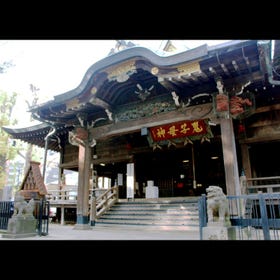
Kishimojin-do enshrines Kishimojin , a goddess of healthy childbirth and child rearing , who has long been worshiped.
This shrine has a long history, going back to the time when Yugawara was developed by Shigeyuki Kaganosuke Futami and others. It is said that when Yoritomo Minamoto raised an army in Izu, Sanehira Jiro Doi, the head of the powerful local clan, prayed for his master Yoritomo's victory and offered the sword he carried at his waist to the shrine. The Myojin-no-kusunoki camphor tree spreads its branches by the side of the prefectural road. This tree is estimated to be over 800 years old and has a root circumference of 15.6 meters. An inner section of the trunk has decayed and been reinforced with concrete, which has been used to house a guardian deity. Access: From Yugawara Station, take the bus headed to Okuyugawara or Fudo-Taki for about 5 minutes The shrine is next to the Gosho Jinja bus stop
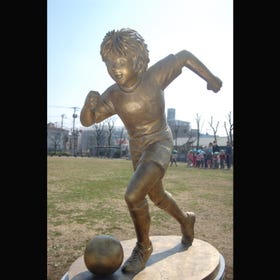
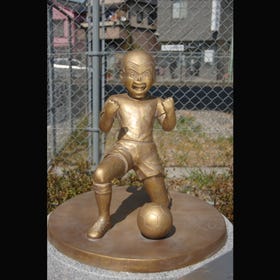
This is a bronze statue of Tsubasa Ozora, the main character of ”Captain Tsubasa,” which is placed in the hometown of Yoichi Takahashi, the author of the manga series, also known as ”Flash Kicker.”
A bronze statue of Taro Misaki, character in the popular comic Captain Tsubasa (Flash Kicker). He and Tsubasa Ozora are the team's dynamic duo.
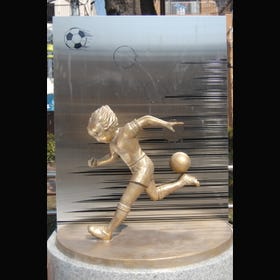
This is a bronze statue of Tsubasa Ozora doing a heel flick up, a skillful maneuver for a soccer player still in elementary school.
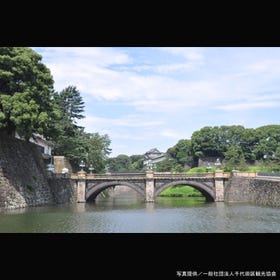
The collective name for two bridges that run from the front square, through the main gate and over the moat leading to the Imperial Palace.
Nitta Jinja, or the Nitta Shrine, represents a god who is believed to keep people's good fortune and guide them to happiness and is known as a shrine where hamaya (a ceremonial arrow used to drive off evils) originated.
This is a bronze statue of a character from a popular comic series, ”Captain Tsubasa (Flash Kicker).” Ryo Ishizaki has guts and is a teammate of the leading character, Tsubasa.
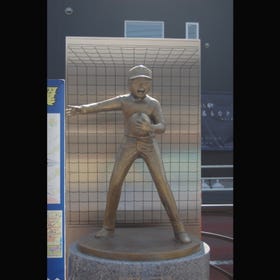
A bronze statue of Genzo Wakabayashi, the legendary goalkeeper in the hit soccer manga ”Captain Tsubasa.”
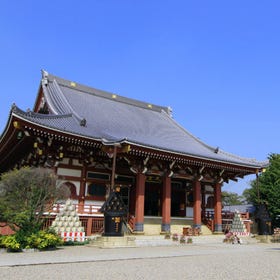
It is a daihonzan major temple of Nichiren-school Buddhism. Various historical buildings remain on the temple precincts, such as the Daido large hall, the Honden main hall, the Tahoto jeweled pagoda, and a five-story pagoda.
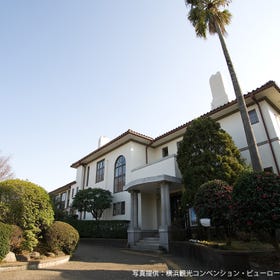
The official residence of British Consulate-General used to stand on a large site of the park. You can get the panoramic views of the port of Yokohama from the prestigious European-style house.
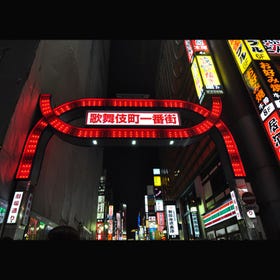
Experience the intriguing allure of Kabukicho, a pulsating locale situated in the heart of Tokyo's Shinjuku, celebrated by LIVE JAPAN readers. An acclaimed adult-oriented nightlife hub, Kabukicho brims with diverse entertainment avenues. Crossing under the iconic "Kabukicho Ichibangai Arch" transports you into a thrilling world of izakayas, snack bars, and clubs, each mirroring the city's vibrant nocturnal spirit. Explore the nighttime wonders of Kabukicho and experience the unique vitality of Tokyo's after-dark scene.
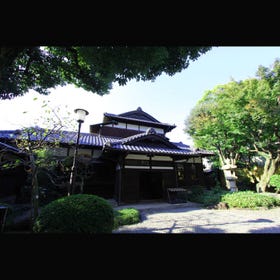
Kyu Asakura House, or the former residence of the Asakura family, is a Taisho-roman style house, which stands in the middle of the metropolis. (Taisho-roman is the cultural style of the Taisho period from1912 to 1926.) You will also enjoy the seasonal view in the garden, which features azaleas and maples.
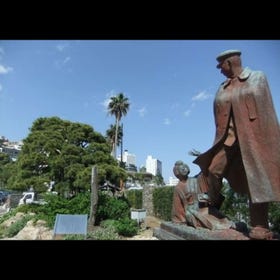
The place along the beach where Omiya-no Matsu (pine tree of Omiya) and a statue of Kanichi and Omiya are situated is the most photographed place in Atami. The bronze statue is based on the novel, Konjiki Yasha (The Golden Demon), written by Koyo Ozaki, which gained popularity in the Meiji period (1868-1912). The novel greatly helped make the name of Atami known throughout Japan.