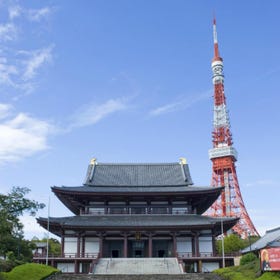
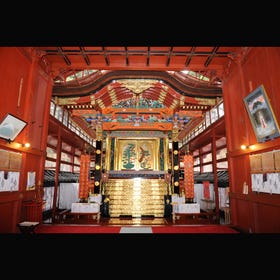
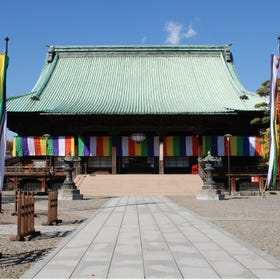
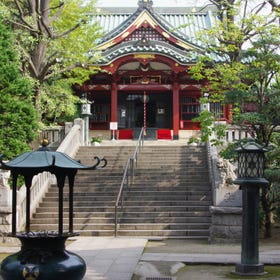
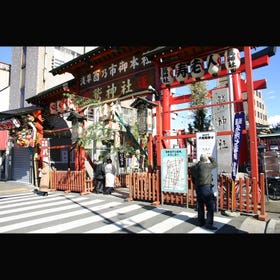
Zojo-ji is one of the seven Daihonzan (head temples) of Jodo-shu Buddhism and contains many designated Cultural Properties. It is also where the souls of the Tokugawa clan are mourned.
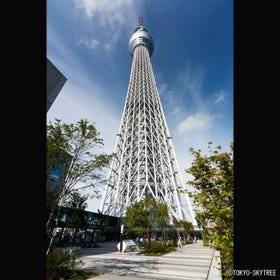
It is 634 meters tall, the tallest free-standing broadcasting tower in the world. From its two observatories, you can overlook a view up to 70 km away on a sunny day.
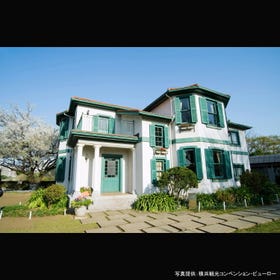
A house built in late Taisho era, after the Great Kanto Earthquake, as a residence for foreigners.
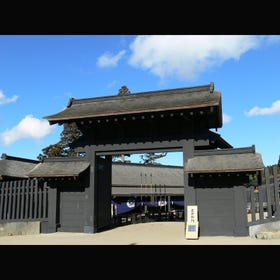
Hakone Sekisho is an impressive reproduction of an Edo Period sekisho on the banks of Lake Ashi. It is as if you've slipped back in time to the Edo Period.
The gateway to Mt. Fuji, this shrine lets you purify body and mind in an atmosphere both solemn and cooling (you might even get a chance to see Shinto ceremonies like festivals, benedictions, or weddings!)
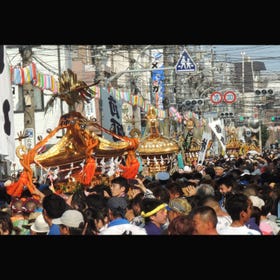
This shrine is the object of strong faith as the local deity of Haneda. The Haneda Fuji, which was created due to the people's admiration for Mt. Fuji, is another highlight of the shrine's grounds.
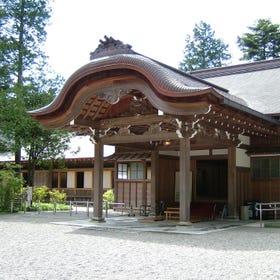
The Nikko Tamozawa Imperial Villa is one of the largest of all wooden imperial villas to be erected during the Meiji Era. Today, guests can tour the inside of the villa as well as its yard.
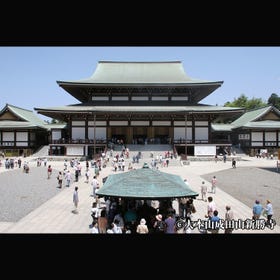
The Naritasan Shinshoji Temple has attracted many worshipers for more than 1,000 years. There are many assets designated as an Important Cultural Properties on its vast temple grounds.
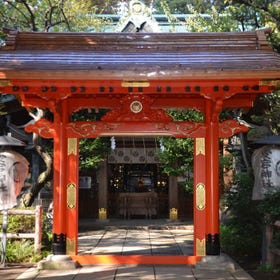
Atago Shrine is a scenically situated shrine perched 26 meters above sea level atop Mount Atago.
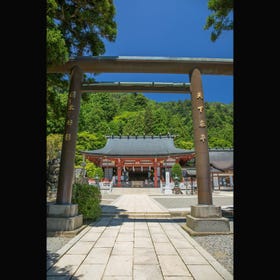
Ohyama Afuri Shrine is located on the top of Mt. Oyama. This historical shrine has been worshiped by common people as well as many military commanders in the past.
This is a temple erected at the wish of Keishoin, the real mother of Shogun Tsunayoshi Tokugawa. The main hall, remaining in its original state from the Genroku period, has been designated as a National Important Cultural Property.
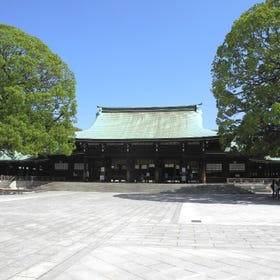
This is a shrine that worships the Emperor Meiji and his wife. It is one of the most popular sightseeing spots in Tokyo, and you can experience the traditional culture of Japan through various rituals.
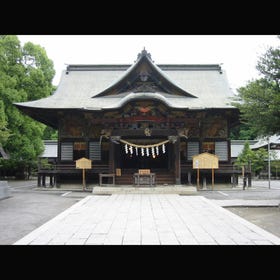
A well-known shrine for its Chichibu Night Festival. Chichibu shrine enshrines several gods and has a history of over 2,100 years.
The Matsuchiyama Shoden Honryu-in Temple close to Senso-ji Temple, is recognized as a ”power spot” by the common people. On this spot they pray for the material benefits in this world. With Y-shaped daikon radishes and kinchaku (Japanese traditional style pouch) people pray for finding a suitable marriage partner and for matrimonial happiness.
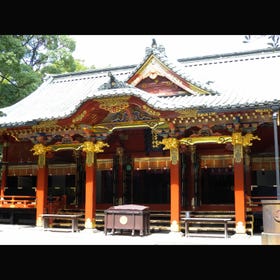
A historical shrine with a solemn atmosphere built in Gongen-zukuri (style of Shinto architecture in which the main hall and worship hall share one roof). It is designated as National Important Cultural Property. Late April is the best period to see the Azaleas on the premises.
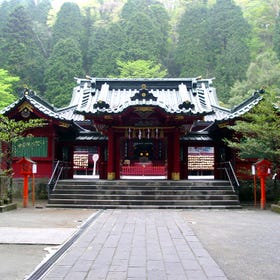
The Hakone Shrine with its vermillion-lacquered torii (Shinto shrine archway) and its Japanese cedars is a shrine with a holy presence that tells you about history
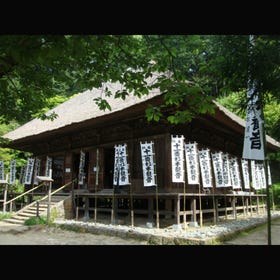
The temple is the oldest one in Kamakura, founded by a high priest called Gyoki. Its principal image of worship is the three figures of eleven-faced Kan'non, and the temple ground is covered with various flowers throughout the seasons.
Famous since the Edo period (1603–1868) for its god of business prosperity. Site of the largest Tori no Ichi open-air market in Japan.
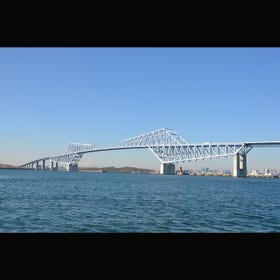
The Tokyo Gate Bridge is a large bridge that spans the Tokyo Port Sea Lane 3, with a total length of 2,618 meters.
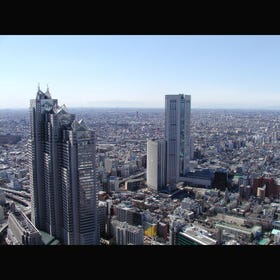
It is a very popular sightseeing spot that you do not want to miss when you visit Tokyo. There are many ways to enjoy your visit because it offers observation decks, artwork, and the Tokyo Tourist Information Center.