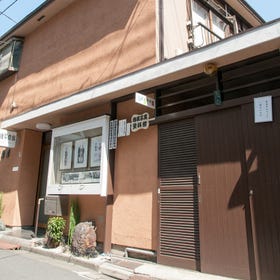
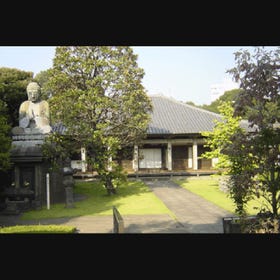
It is the Buddhist temple which is said to be the origin of maneki-neko or a luck-inviting cat figurine, beckoning with its right front paw. In its temple grounds, a number of historical assets still remain.
This art museum, which opened its doors in 1983, is out of ordinary among other museums in Tokyo. Located in the middle of the city, the museum harmonizes its art exhibitions, which utilize the former official residence of Asaka-no-miya (a branch of the Japanese Imperial Family) constructed in the early Showa period employing an Art Deco style, and the lushly green garden. After improvement of the old building, and an extension for a gallery and a cafe was added, the museum was re-opened in November 2014. In front of the art museum, there is a wide spread of lawn. You can put down a mat and eat your meal on this lawn.
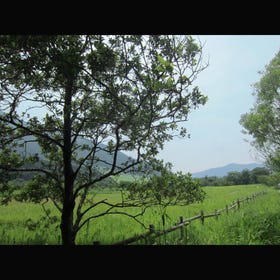
Various marsh plants grow in the marsh plant community in the Sengokuhara area. It was designated as a National Natural Treasure because its value in phytogeography was recognized.
The Sumo Photography Museum is placed in the parking area of a photo studio. There are many items on display, including photographs of successive generations of great sumo wrestlers, references, and sumo wrestlers' ornamental aprons.
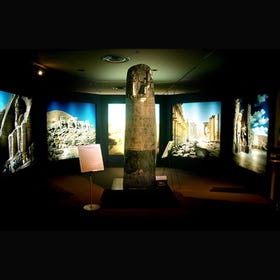
The museum has the ancient Orient as its theme. Visitors can learn about the hunting and gathering life of 5,000 years ago as well as the invention of writing.
Start your Shinjuku and Tokyo trip here! From driving around Tokyo to a long drive to Koshin'etsu, go with Nippon Rent-A-Car!
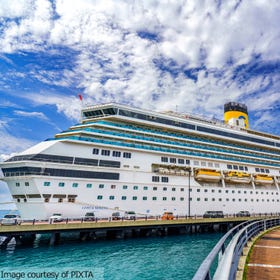
Okinawa's maritime gateway, where many cruise ships dock. A shuttle bus trial currently runs from the port to the Naha city center.
A small alley teeming with traditional izakayas (Japanese-style bars). A place to enjoy a the Showa Retro atmosphere while in Shibuya.
Park with four waterfalls, bountiful natural springs and dense forest. You can enjoy the essence of the season such as cherry blossoms in spring and coloring maple leaves in autumn.
This is an old temple that is said to have been built in the Kamakura period (1192 to 1333). During the Edo period (1603 to 1868), it became known for the tomi-kuji lottery and was called Edo-santomi (three shrines selling lotteries).
Jindai Botanical Garden, located in Chofu city, boasts 100,000 trees from 4,800 species.
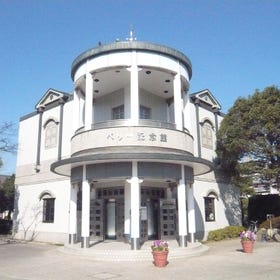
The Perry Memorial Hall is a museum that illustrates the Perry Expedition (1853-1854), which paved the way to the opening of Japan, and the history leading to it through dioramas and historical documents.
This is a memorial monument of a samurai commander in the mid-10th century with his decapitated head used to be buried in a corner of the office jungle in Otemachi, Tokyo.
Start your Tokyo Station and Japan trip here! Hop in right after getting off the Shinkansen and explore the heart of Japan with Nippon Rent-A-Car!
One of the coasts representing the Shonan area (southwestern Kanagawa Prefecture). Also known as the setting for Soseki Natsume's novel ”Kokoro.”
The principal object of worship at Ennoji Temple is Enma Daio. It also enshrines the Ten Judges of Hell. You can experience an ancient view of the afterlife here.
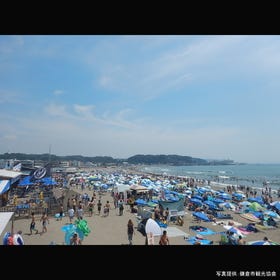
A bathing beach in Kamakura with a shallow sandy beach and calm waves. It is also popular among surfers. It was selected as one of the 88 best bathing beaches in Japan.
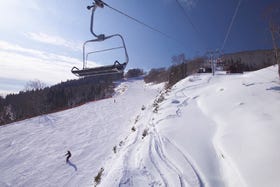
Ski mecca ""Shigakogen"" is popular area for skiers and snowboarders. Superb powder snow for everyone to play in and enjoy!
Enjoy an impressive slope of 2,300m in length coming down from the 1,200m elevation.
It has outstanding accessibility. The ski resort is 1 hour from Itsukushima Shrine, a World heritage site, by car and it is also only 2 km from the Yoshiwa IC on the Chugoku Expressway. One-day ski trip is recommended during your Hiroshima sightseeing stay! It is a casual ski resort with an Onsen hot spring and annexed accommodation.