Enjoy nature all through the seasons! A whole family can enjoy the day camping and outing by the riverbank.
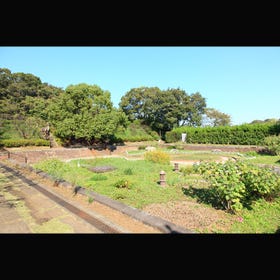
The Tumulus cluster dates back to the latter of the Kofun (tumulus) period (250 - 538). Excavations unearthed horse tack like bits for horses, Sue ware (type of unglazed pottery made from the middle of the Kofun era through the Heian era), Haji ware (plain, unglazed, reddish-brown Japanese pottery made from the Kofun era through the Heian era), and haniwa (clay figures from the Kofun period).
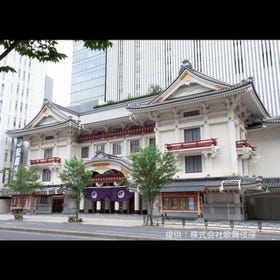
The Kabuki-za theater is a large-scale theater where kabuki, a traditional Japanese play, is performed.
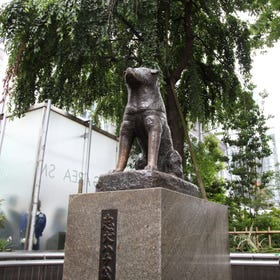
The Hachiko Statue, an iconic symbol standing near the bustling scramble intersection of Shibuya Station, is a well-loved fixture in Tokyo tourism. A popular meetup location, it has garnered considerable attention from international visitors, who are often found capturing its charming presence. A visit to Shibuya would be incomplete without stopping by this faithful statue, along with other renowned attractions such as SHIBUYA SKY, MIYASHITA PARK, and Shibuya Center Street. This endearing statue encapsulates the appeal of Shibuya, radiating an enduring charm. Before you explore the vibrant sights of Shibuya, be sure to commemorate your visit with a selfie with this beloved statue.
This is the ski resort where you can enjoy 3 seasons from the Fall to the Spring. The slope is covered by a roof top so weather does not impact it and there is no need to worry about ultra-violet rays from the Sun!
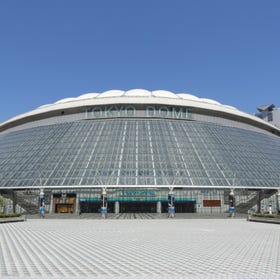
Tokyo Dome is Japan's first all-weather multi-purpose stadium. Concerts and events are held there, not to mention baseball games.
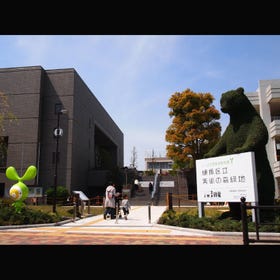
Holds many exhibitions and shows by artists connected to Nerima. A community-based art museum beloved by locals.
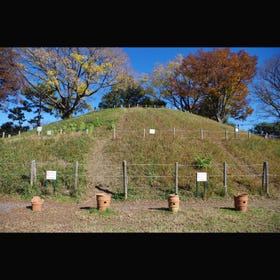
The Noge Otsuka Tumulus is the largest tumulus of the Noge Tumulus Cluster. Excavations have unearthed objects like armor, stone tools, and grave goods made out of beads.
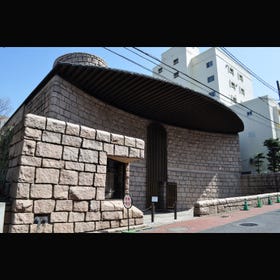
This art museum is located in the residential area of Shoto, Shibuya Ward. It features a unique, beautiful facade by architect Seiichi Shirai.
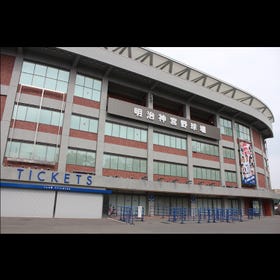
This is the home ground of the professional baseball team Tokyo Yakult Swallows. It is also known as the mecca for students' baseball games.
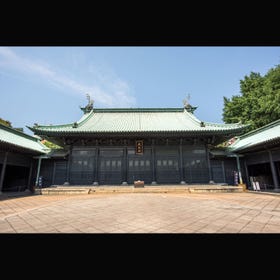
Yushima Seido is a temple whose traditions as a place of study have been handed down to posterity. It is well-known as the birthplace of modern Japanese education.
The main gate of Sensoji Temple. Its huge, impressive paper lantern with ”Kaminarimon” written in kanji is a landmark of Asakusa.
*Currently closed
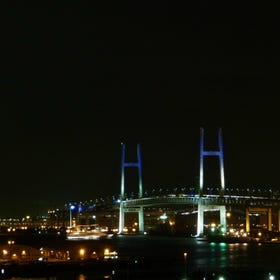
Harbor View Park, or Minato-no-mieru-oka Koen is located on the hillside of the city, overlooking Yokohama Harbor and the Bay Bridge. It is a popular sightseeing course in Yokohama.
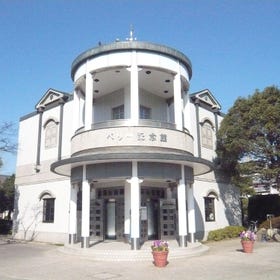
The Perry Memorial Hall is a museum that illustrates the Perry Expedition (1853-1854), which paved the way to the opening of Japan, and the history leading to it through dioramas and historical documents.
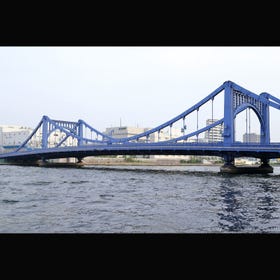
Purported to be the most beautiful of all bridges on the Sumida River. Characterized by its elegant silhouette.
Daimyo Tokei Hakubutsu-kan, or Daimyo Clock Museum, is the museum of the Edo period's art and craftwork, daimyo clocks (Japanese clocks), and is located in the popular Yanaka area in the shitamachi (the geographically lower side) of Tokyo.
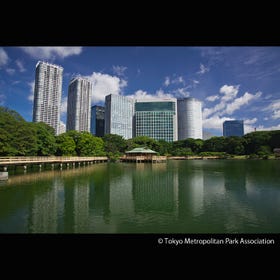
A garden which is well-known as one of the scenic spots of the nation. There are many places worth seeing such as a seawater pond that draws water from Tokyo Bay and a majestic 300-year-old pine tree.
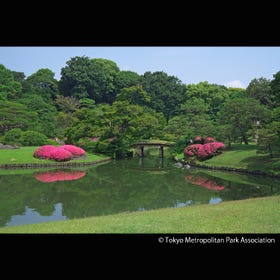
A time-honored Japanese landscape garden with gentle atmosphere designated a Special Place of Scenic Beauty. Weeping cherry trees during spring are a must-see.
Start your Nagano and Shinshu trip here! Visit Zenko-ji Temple and enjoy a majestic mountain drive with Nippon Rent-A-Car!