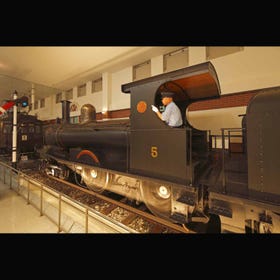
This is a hands-on train museum that is enjoyable for both adults and children. An operation simulator that uses an actual operator's seat is popular.
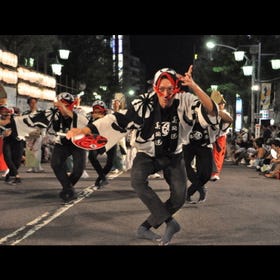
Watch Performers Dancing to the Beat of Drums and Shamisens in Koenji’s Streets
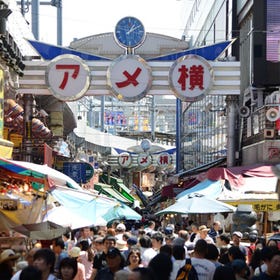
The Ameyayo shotengai(shopping street) grew out of a black market that sprung up following the end of World War II. It is a shopping district that retains the good old feel of downtown Tokyo.
One-stop purchase of popular Japanese products.
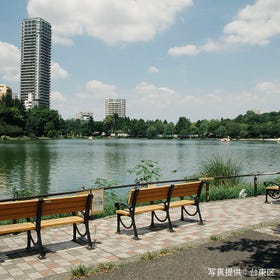
This is a natural pond in the premises of Ueno Park, with a circumference of about two kilometers. In the summer, beautiful lotuses are in full bloom. You can also enjoy boating.
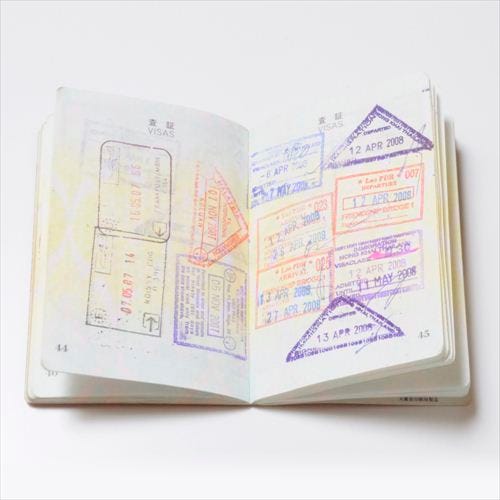
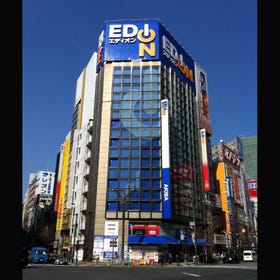
This is an electronics mass retailer close to the Akihabara Station. There is a wide selection of popular home appliances. A store with a passport reader. All items are duty free.
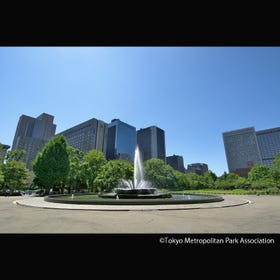
Hibiya Park is Japan's first modern, Western-style park with a large symbolic fountain. It provides an oasis for the business people who work in the Ginza or Kasumigaseki business districts.
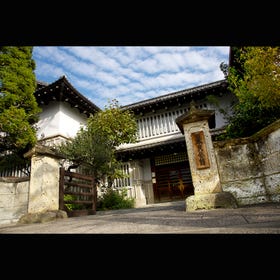
The museum displays valuable handicrafts and folk crafts, mainly Japanese antique ceramics and dyed or woven textiles that were selected by Japanese philosopher Yanagi Muneyoshi, collected from Japan and overseas.
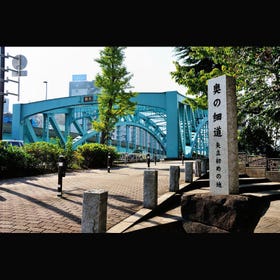
This is a historical iron bridge that was illustrated in nishiki-e (multi-colored woodblock print) by an ukiyo-e artist, Hiroshige Utagawa.
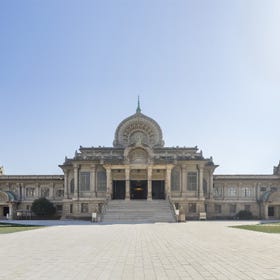
It is a Buddhist temple in Tsukiji. The exterior of the main worship hall is a stone construction in the ancient Indian style, and the interior of the hall is arranged in the traditional Shinshu-sect temple design and layout.
A commercial facility packed with shops fun to browse in from the B1 floor to the fourth floor.
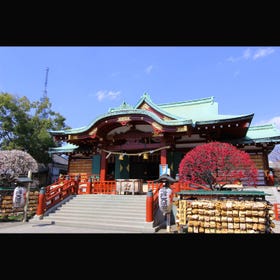
This is where Michizane Sugawara, the god of learning and study, is enshrined. You can enjoy flower festivals, too; there are flowers blooming all year round.
Currently under renovation, and plans to reopen in the autumn of 2016. One of the few museums worldwide focusing on photography and film.
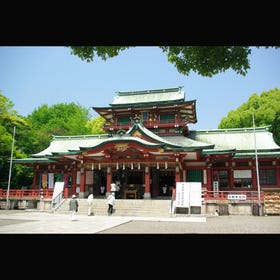
Tomioka Hachimangu Shrine is the largest shrine in Edo. Its grounds contain 17 small shrines for gods such as the founder of sumo wrestling and those of travel.
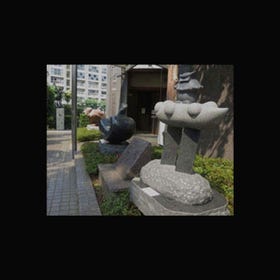
A museum where you can enjoy contemporary sculpture in the sleek, hexagonal main building and the four outdoor exhibition areas.
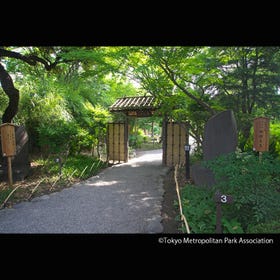
Founded as a private garden and created by notable writers and artists during the Edo period (1603–1868). The garden's biggest draw is its 30-meter tunnel lined with bush clover.
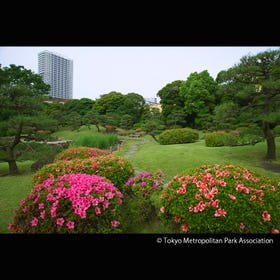
One of the remaining feudal lord gardens from the Edo Period (1603-1868). The pond at its center and the valuable, brilliantly-arrayed stones are the main draws of this garden.
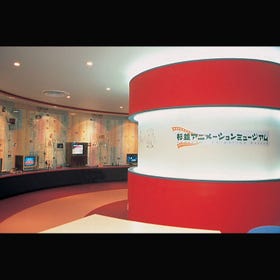
You can learn, experience, and enjoy anime in this museum, which is totally devoted to animation. You can also take part in the creation of a flip animation.
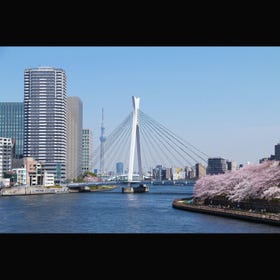
This is a cable-stayed bridge over the Sumida River. Its 32 cables stage the presence of this beautiful bridge.
Right near JR Shinjuku Station Central East Exit.Medicine, Cosmetics, etc. in store.