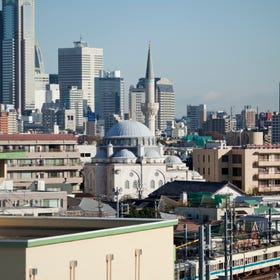
It is one of the largest mosques in Japan. The interior of the building is furnished with beautiful decorations, including stained glass mounted windows.
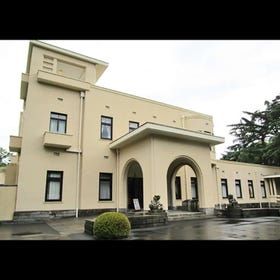
This art museum, which opened its doors in 1983, is out of ordinary among other museums in Tokyo. Located in the middle of the city, the museum harmonizes its art exhibitions, which utilize the former official residence of Asaka-no-miya (a branch of the Japanese Imperial Family) constructed in the early Showa period employing an Art Deco style, and the lushly green garden. After improvement of the old building, and an extension for a gallery and a cafe was added, the museum was re-opened in November 2014. In front of the art museum, there is a wide spread of lawn. You can put down a mat and eat your meal on this lawn.
One-stop purchase of popular Japanese products.
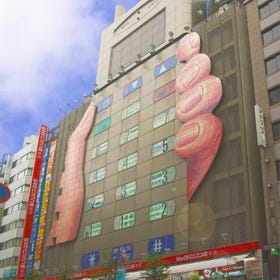
The MEGA Don Quijote Shibuya Main Store is a five-minute walk from the Hachiko Exit of Shibuya Station, where you can purchase event goods, brand-name goods, and even food.
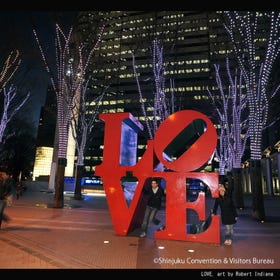
A meeting place in Nishi-Shinjuku. A symbol of Shinjuku i-LAND and its message of love.
Located in Kichijyoji Sun Road. A Japanese suit brand offering a variety of popular items, including non-iron shirt, washable suits, pajama suits and a wide selection of business attire for both men and women.
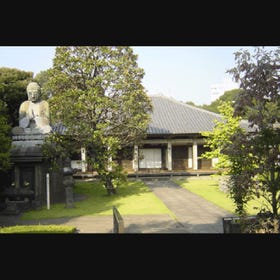
This is an old temple that is said to have been built in the Kamakura period (1192 to 1333). During the Edo period (1603 to 1868), it became known for the tomi-kuji lottery and was called Edo-santomi (three shrines selling lotteries).
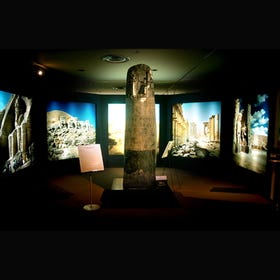
The museum has the ancient Orient as its theme. Visitors can learn about the hunting and gathering life of 5,000 years ago as well as the invention of writing.
Just near by Shibuya Crossing.Medicine, Cosmetics, etc. in store.
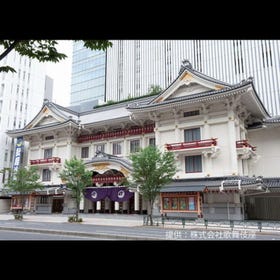
The Kabuki-za theater is a large-scale theater where kabuki, a traditional Japanese play, is performed.
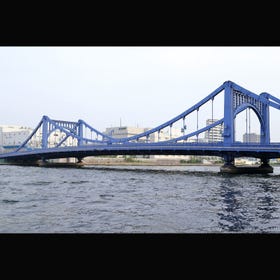
Purported to be the most beautiful of all bridges on the Sumida River. Characterized by its elegant silhouette.
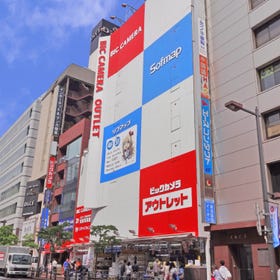
Right in front of JR Ikebukuro Station East Exit.Medicine, Cosmetics, etc. in store.
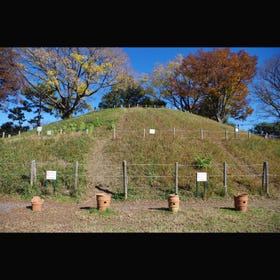
The Noge Otsuka Tumulus is the largest tumulus of the Noge Tumulus Cluster. Excavations have unearthed objects like armor, stone tools, and grave goods made out of beads.
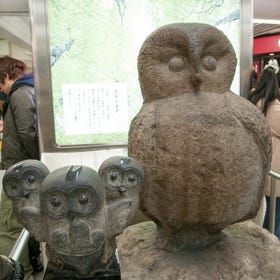
It is a stone statue of an owl that was made into a landmark in the yard of the Ikebukuro Station when the JR (Japan Railways) was launched.
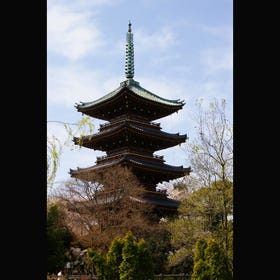
A five-story traditional Japanese building, towering in the lush woods, you are sure to find while walking in Ueno Park. It is a National Important Cultural Property.
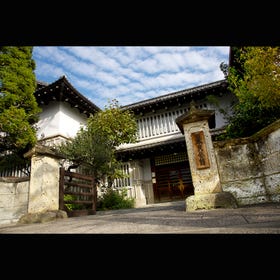
The museum displays valuable handicrafts and folk crafts, mainly Japanese antique ceramics and dyed or woven textiles that were selected by Japanese philosopher Yanagi Muneyoshi, collected from Japan and overseas.
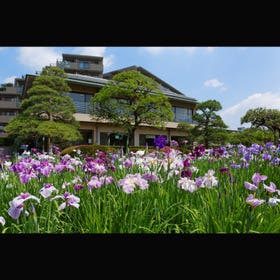
This is a time-honored iris garden with wide varieties, 200 cultivars, and 6,000 bulbs of irises blooming in a genuine Japanese garden.




![[Coupon]MEGA Don Quijote Shibuya Main Store.(10% Tax-Free + MAX 7% OFF)](https://rimage.gnst.jp/livejapan.com/public/img/spot/lj/00/01/lj0001929/lj0001929_68883067d4452_main.jpg?20260128105402&q=80&rw=280)