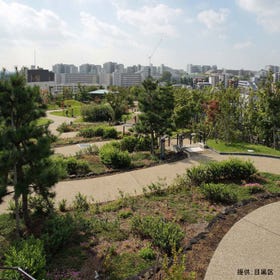
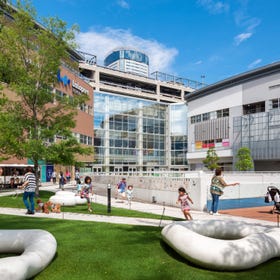
A rooftop garden constructed atop Ohashi Junction. A spot promoting greenery techniques that has won various awards.
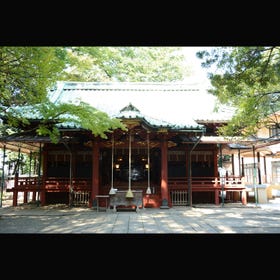
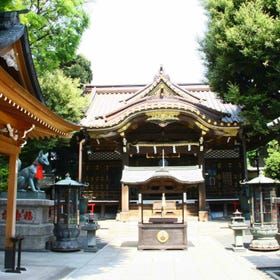
This is a popular shrine for enmusubi-mairi, praying for a good marriage match. Weathered, miniature Shinto shrines on the shrine grounds invite your profound interest.
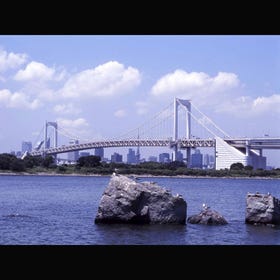
A suspension bridge linking the city center to Rinkai Fukutoshin (Tokyo Waterfront Secondary City Center). The ocean view from the walkway and the lights that change each season are worth seeing.
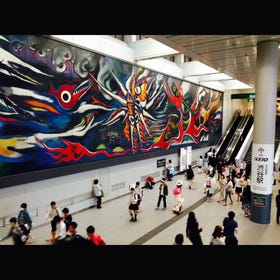
A huge mural by Taro Okamoto which was returned from Mexico.
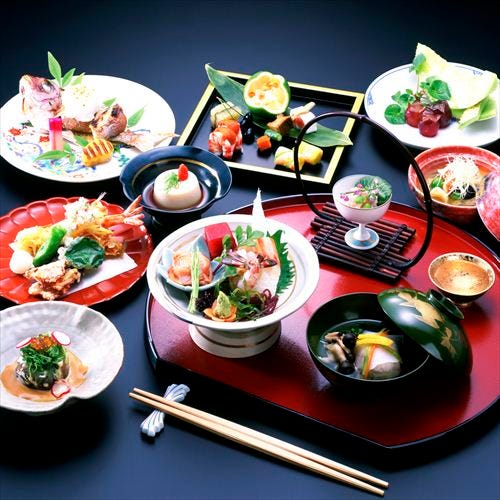
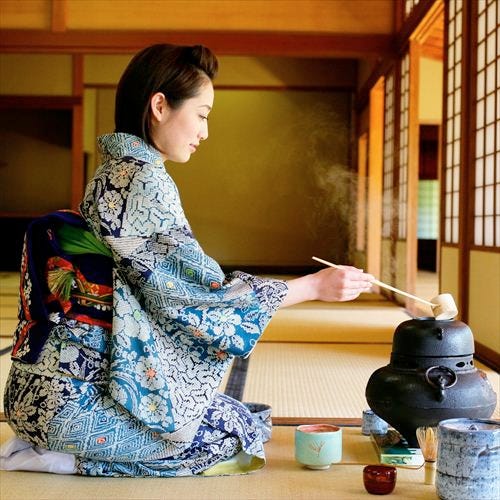
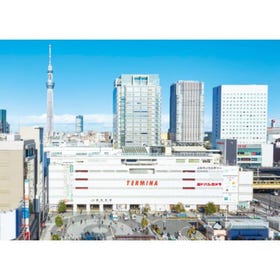
Shop, eat, and enjoy Japanese culture at TERMINA
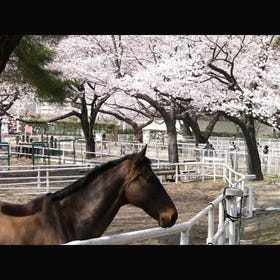
An equestrian park where people and horses meet and interact. With seasonal flowers such as cherry blossoms, the park is also a popular place to relax.
Fully equipped to accommodate international visitors. Offers cashless payment options, towel rentals, and discount coupons specifically for travelers from abroad.
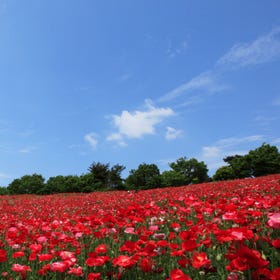
A vast national park with beautiful flowers blooming throughout the year. You can also enjoy swimming pools in summer and illumination in winter.
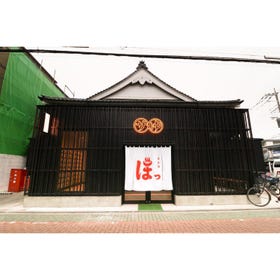
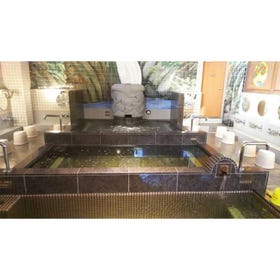
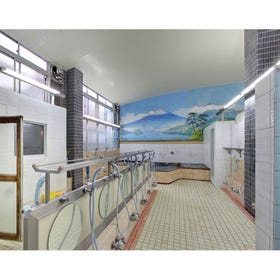
Traditional Japanese bathhouses(SENTO).
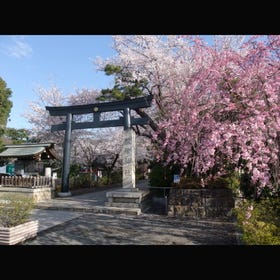
Known as the shinto shrine related to Yoshida Shoin, a samurai clan member of the Choshu Domain who had enormous influence on the movement to topple the Edo Shogunate during the mid-19th century. Now deified, he has become popular as a god of academic success.
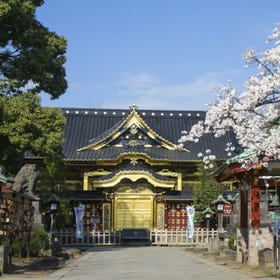
A significant cultural property with the feel of Edo/Tokyo. Richly decorated with gold foils, the magnificent main building also known as the ”shrine of gold” is astounding.
A soto-zen Buddhist temple, better known as Toyokawa Inari, which had been worshiped by both the mighty warriors of each era and common people of Edo-Tokyo. You can make a pilgrimage to the seven lucky gods and enjoy viewing lit paper lanterns.
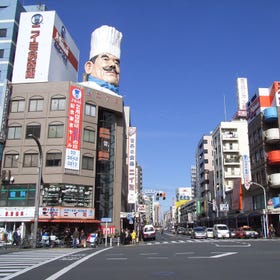
It is a shopping district specializing in food-related specialty shops, and the district stretches about 800 meters from north to south between the Asakusa and Ueno areas.
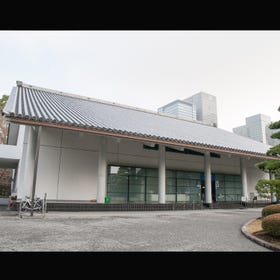
Sannomaru Shozokan is a public art gallery exhibiting works such as paintings, calligraphy and crafts handed down to the Imperial Family.
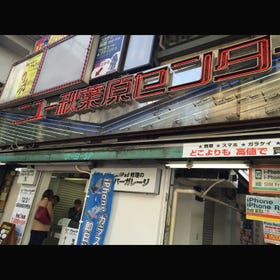
This is a psyllium penlight-specialized store that is located in the New Akihabara Center building. This shop displays and sells official, unedited photos of media idols.
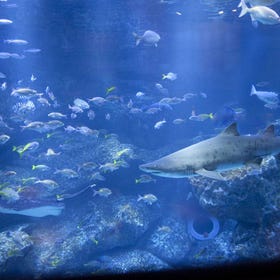
This aquarium features a unique lineup, including the ”Jellyfish Kaleidoscope” and ”Edo-rium,” which can only be seen at this aquarium.
Bayfront mall near Ginza with 200 shops and views
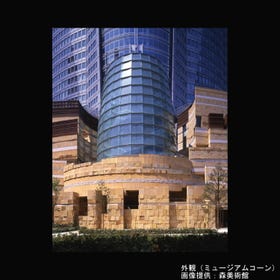
A museum located on the 53rd floor of the Roppongi Hills Mori Tower connected directly to Roppongi Station. You can enjoy a panoramic view of Tokyo from the observation deck on the 52nd floor.
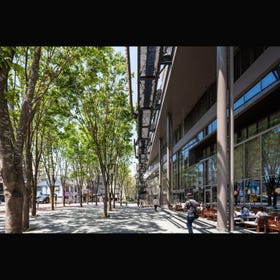
A complex with a tree-like architecture combining public and private facilities.