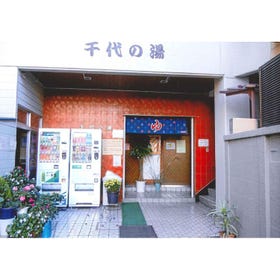
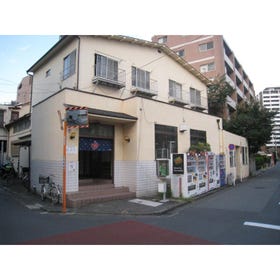
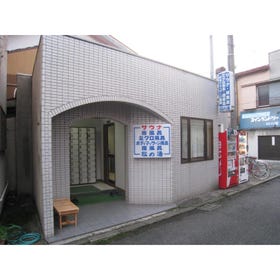
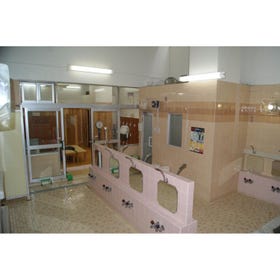
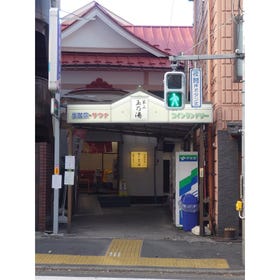
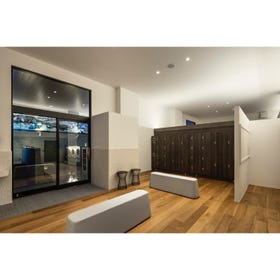
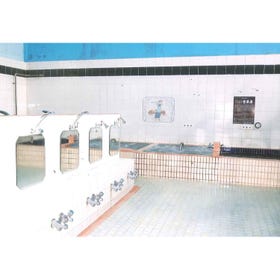
Traditional Japanese bathhouses(SENTO).
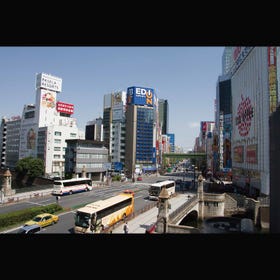
Akihabara Electric Town or Akihabara Denki Gai is an area crowded with stores that handle various electrical goods. There are many stores that carry anime and figurine-related goods as well.
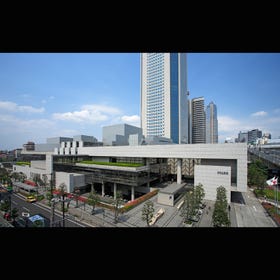
This is a national theater for modern theatrical arts such as opera, ballet, dance, and play.
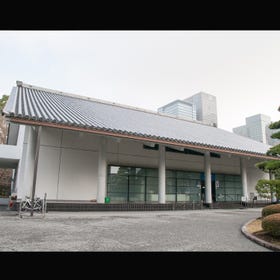
Sannomaru Shozokan is a public art gallery exhibiting works such as paintings, calligraphy and crafts handed down to the Imperial Family.
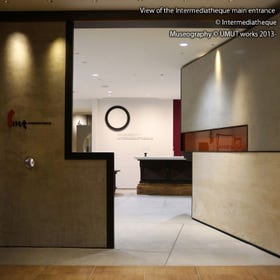
This museum exhibits academic specimens and research materials owned by the University of Tokyo. It is a museum where brings an academic heritage into creation of a new culture and design.
A museum inside the building of Tokyo University of the Arts, the best out of all the art universities in Japan. It stores approximately 29,000 items of mainly Japanese modern arts.
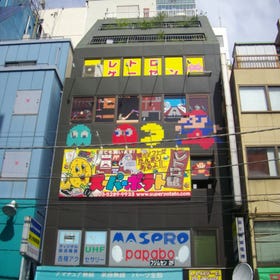
A store specializing in nostalgic secondhand games and consoles such as the Super NES.
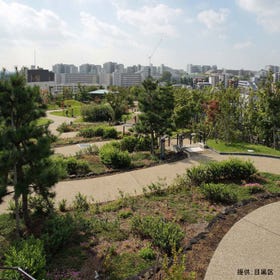
A rooftop garden constructed atop Ohashi Junction. A spot promoting greenery techniques that has won various awards.
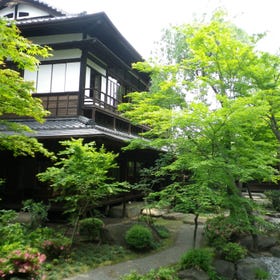
The building and garden represent the modern Japanese architecture in a semi-Western style.
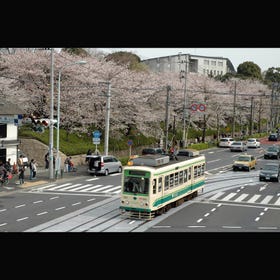
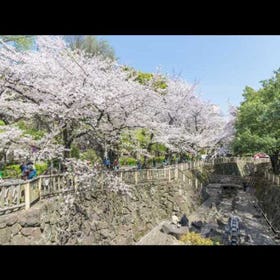
It is a park located on top of Mt. Asukayama. Famous for its cherry blossoms, the park has been enjoyed by people since the Edo period (1603–1868).
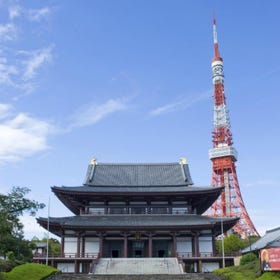
Zojo-ji is one of the seven Daihonzan (head temples) of Jodo-shu Buddhism and contains many designated Cultural Properties. It is also where the souls of the Tokugawa clan are mourned.
A museum specializing in nihonga (Japanese paintings) with a collection of about 1,800 works consisting mainly of modern and contemporary Japanese paintings. It holds various special exhibitions as well.
A park selected as one of the top 100 Japanese city parks, designed to enjoy water. You can play in the river.