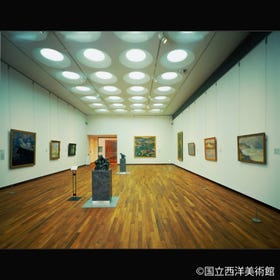
This is Japan's only national art museum, where you can view various Western artworks, including the Matsukata collection, which mainly consists of French artworks.
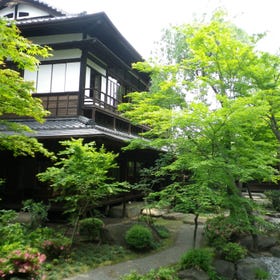
The building and garden represent the modern Japanese architecture in a semi-Western style.
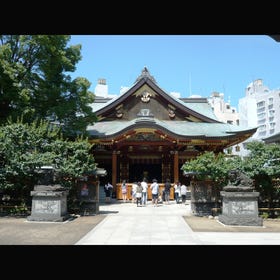
Yushima-tenjin enshrines Amenotajikarao-no-mikoto, the god of better fortune and sports, and Michizane Sugawara, the god of learning and study. A number of famed scholars and writers visit this shrine.
Fully equipped to accommodate international visitors. Offers cashless payment options, towel rentals, and discount coupons specifically for travelers from abroad.
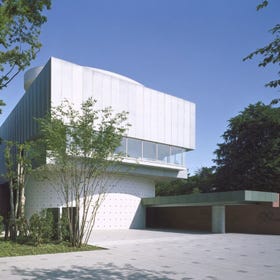
A museum inside the building of Tokyo University of the Arts, the best out of all the art universities in Japan. It stores approximately 29,000 items of mainly Japanese modern arts.
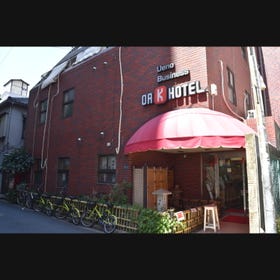
A hotel with the cozy feel of an overseas hostel where more than 90% of the guests are foreign travelers.
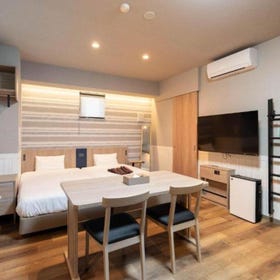
Conveniently located near Ueno Park and art museums, this spacious, contemporary hotel is perfect for comfortable group travel.
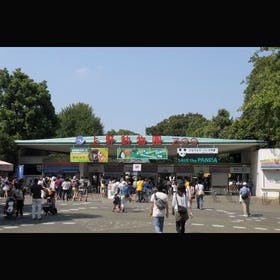
This was the first zoo to be established in Japan, with more than 100 years of history. There are about 400 different species of animals, such as the giant panda, kept in this zoo.
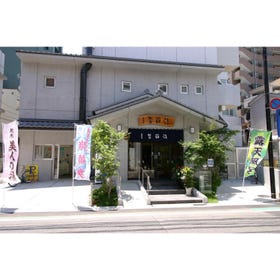
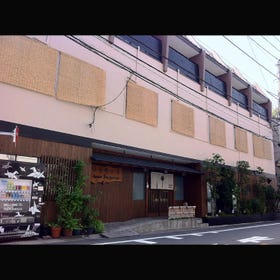
Hosting many guests from overseas, this small family-run inn is located in Yanaka, a traditional urban neighborhood of Tokyo.
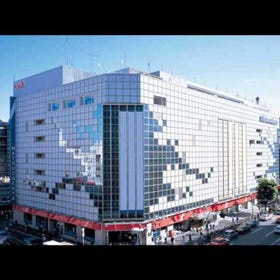
A distinguished and long-established department store in Ueno
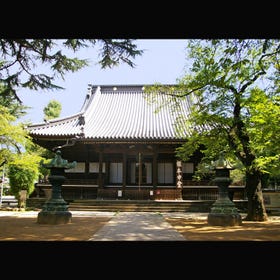
A spacious Buddhist temple with buildings of historical and cultural value. Kan'ei-ji is easily accessible to the general public and heartily welcomes visitors.
Right near JR Ueno Station Shinobazu-Guchi.Medicine, Cosmetics, etc. in store.
Near Ueno Station and Ameyoko — an easy tax-free shopping stop
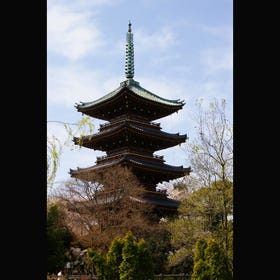
A five-story traditional Japanese building, towering in the lush woods, you are sure to find while walking in Ueno Park. It is a National Important Cultural Property.
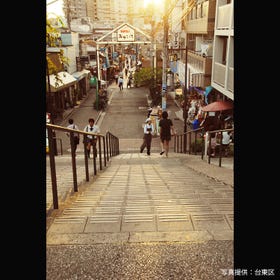
A good old-fashioned shopping district with 70 older shops and a shitamachi (downtown) atmosphere.
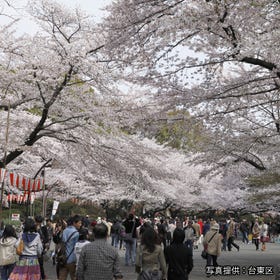
This park is one of the most famous sites for cherry blossom viewing in Japan and is also popular among foreign visitors. Other than cherry blossoms, the park offers its appeals any time of the year. There are festivals held in summer, tree leaves change colors in autumn, and peonies blooming in winter.
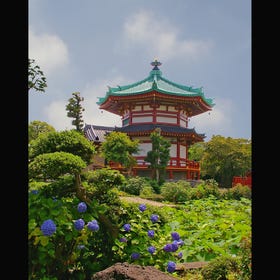
Surrounded by nature and visited by many people, Bentendo Temple rises from the center of Shinobazu Pond in Ueno Park.
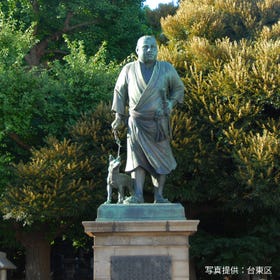
Ueno's iconic Statue of Saigo Takamorio stands in Ueno Park which is famous for its cherry blossoms in spring.
In Ameyoko Shopping Street. Medicine, Cosmetics, souvenir, etc. a great selection in store.
Tax-free shopping in Okachimachi, near Ueno's Ameyoko market






![[Coupon]Don Quijote Ueno Store(10% Tax-Free + MAX 7% OFF)](https://rimage.gnst.jp/livejapan.com/public/img/spot/lj/00/63/lj0063705/lj0063705_64b8f7800781c_main.jpg?20260810182908&q=80&rw=280)

![[Coupon]Don Quijote Okachimachi store(10% Tax-Free + MAX 7% OFF)](https://rimage.gnst.jp/livejapan.com/public/img/spot/lj/00/63/lj0063734/lj0063734_64b8f79da175a_main.jpg?20260810183341&q=80&rw=280)