



How Do Foreigners Really See Japanese People? Did Their Impressions Change After Visiting Japan?
- Written by: Fujico
Americans are often described as friendly. Taiwanese travelers are known for their affection toward Japan. Every country carries its own stereotypes and popular images. But what about Japanese people? How are they perceived from the outside?
Do those impressions hold true after someone actually visits Japan? Or do they shift once expectations meet reality?
With the cooperation of Akamonkai Japanese Language School, we asked 10 international residents about their views on Japanese people. What does “the Japanese” look like through overseas eyes? Let’s take a closer look, starting with opinions from those who said their impressions changed after arriving in Japan.
(The following responses reflect the personal opinions of survey participants.)
“I Thought Japanese People Were Serious and Cold. But They’re Actually Kind.”
One surprising result from the survey was how many respondents initially described Japanese people as “cold.” More than half shared that impression before coming to Japan.
“I always thought Japanese people were distant,” said a woman in her 20s from China. “But after coming here, I realized many people are actually very kind.”
A man in his 20s from Brazil offered a similar perspective. “I assumed Japanese people were cold. In Brazil, we greet each other with hugs or kisses. Here, that can be considered inappropriate. People bow instead, which to Brazilians can feel overly formal and distant.”
For some, Japan’s strict work ethic, academic pressure, and distinctive etiquette created an image of emotional distance. Others admitted they worried that, as foreigners, they might be treated differently or even unfavorably.
Yet once they began interacting with people directly, many said their impressions shifted. “They’re just shy,” several respondents noted. “Once you get to know them, they’re very kind.” Others appreciated how patiently people communicated, even when language barriers existed.
That careful, attentive manner may stem from the same seriousness that shapes Japan’s social norms. In that sense, the original image was not entirely wrong. It simply revealed a different side once experienced up close.
“I Heard About ‘Honne and Tatemae,’ But It’s Only at the Beginning!”
Some respondents admitted they were puzzled by the idea that Japanese people change their behavior depending on the situation.
“There’s that phrase ‘honne and tatemae,’ right?” said a man in his 20s from Korea. “I heard that Japanese people separate their true feelings from what they show in public. But once you become friends, they speak honestly. That actually makes them easier to get along with.”
Many Japanese people would likely agree that this distinction between honne (one’s true feelings) and tatemae (the public-facing stance) is a recognizable cultural trait. In order to maintain harmony, people may soften or withhold their true opinions, especially in formal settings or early relationships.
However, as relationships deepen, there is less need to maintain that protective layer. Conversations often become more direct and personal, much like anywhere else in the world.
In that sense, what may first appear as distance can actually reflect consideration. The desire not to offend or cause discomfort is closely tied to the seriousness and thoughtfulness that many associate with Japanese culture.
“I Thought Japanese Women Would Be Reserved. They’re Actually So Lively!”

There were also strong impressions when it came to Japanese women.
“I thought Japanese women would be quiet,” said a woman in her 20s from Taiwan. “But so many of them are expressive and energetic. Conversations really come alive. It’s fun talking with them!”
The classic image of the Yamato Nadeshiko, modest and reserved, may feel more like a historical ideal than everyday reality today. This Taiwanese respondent was surprised not only by how confidently Japanese women spoke, but also by how animated their reactions were. From enthusiastic intonation to lively responses like “Hee!” or “Really?”, the energy felt unexpected.
Far from distant, she now finds Japanese women more approachable than she had imagined before coming to Japan.
Next, we look at voices from those who said their impressions did not change much after visiting Japan.
“Are Japanese People Less Intense About Romance?”
There were also preconceived notions about how Japanese people approach relationships.
“I have the impression that Japanese people are more reserved in love,” said a woman in her 20s from China. “They do not need constant messages or to see each other every day. It feels mature, like the relationship is built on trust.”
A woman in her 20s from Vietnam shared a similar observation. “In Vietnam, many couples want to see each other every day. But in Japan, it seems less common.”
From the outside, Japanese dating culture can appear calm and independent. Work commitments and personal hobbies often take up a large part of daily life, and not everyone expects to meet their partner every day.
Some respondents viewed this as a positive sign of emotional maturity and healthy boundaries. Others wondered whether it might feel lonely. “In my country, even if we are busy, we try to see each other for at least 10 minutes a day, or at least call,” one participant noted.
Perhaps Japanese relationships are not so much “cold” as they are grounded in mutual respect for each other’s time and independence.
“Do Japanese People Start Dating Too Early?”
While some respondents viewed Japanese people as emotionally reserved in relationships, others held a very different impression, influenced in part by manga and anime.
“I heard that even elementary school students in Japan have boyfriends,” said a woman in her 20s from China. “When I was that age, I did not even have romantic feelings yet!”
To some, Japanese youth appear more precocious compared to their own countries. It is true that “love talk” among classmates, or couples walking home from school together, are familiar scenes in Japan. Stories about the fastest runner in class being popular, or waiting by the shoe lockers after school, feel almost universal in Japanese school culture.
But how much of this image reflects everyday reality, and how much is shaped by pop culture? The line between fiction and real life can sometimes blur, especially when anime and drama travel further than the lived experience itself.
“They Own So Many Clothes. And They’re So Fashionable!”

“Japanese people seem very particular about fashion,” said a man in his 20s from Brazil. “In Brazil, many people mostly just wear T-shirts,” he added with a laugh.
Compared to some countries where everyday style leans simple and practical, Japan can appear incredibly diverse. Especially in women’s fashion, the range is striking. From conservative office looks to high-fashion mode styles, from gothic influences to soft, romantic trends, the variety stands out.
That sheer range leaves an impression that Japanese people are deeply invested in fashion. At the same time, from a Japanese perspective, the effortless simplicity often seen abroad can feel equally stylish.
Perhaps what stands out most is not that one approach is better than the other, but how differently self-expression through clothing is valued and interpreted around the world.
“Even on Their Days Off, They Look Perfectly Put Together!”
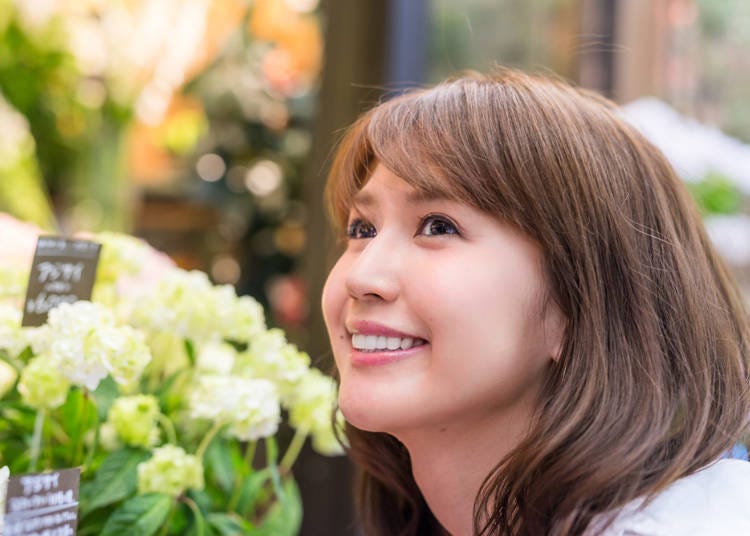
Following fashion, makeup was another topic that drew comments, especially from female respondents.
“I had the impression that Japanese women always wear makeup, no matter the occasion,” said a teenage participant from Vietnam. “After coming to Japan, that impression hasn’t really changed.”
A woman in her 20s from Taiwan shared a similar view. “In Taiwan, many women go out without makeup. So I was surprised that Japanese women seem to put on makeup wherever they go.”
Both said their initial image came largely from television and media before visiting Japan. In some countries, particularly in parts of Asia, it is common not to wear makeup daily. Some people even go to work without it.
In Japan, however, wearing makeup is often seen as part of personal grooming and social etiquette, especially in professional settings. For some, it extends beyond work, with many choosing to apply makeup even on weekends or for a quick trip to the convenience store.
What feels like effort to some may simply be routine to others, reflecting different cultural expectations around presentation and self-care.
“In Japan, Kawaii Is Everything, Right?”
The word kawaii has spread so widely overseas that it is often understood without translation. For many, Japan is synonymous with a love of all things cute.
“I have the impression that Japanese people really value cuteness,” said a woman in her 20s from Korea. “In Korea, beauty or strength is more emphasized, so the difference is interesting.”
A woman in her 20s from China added, “Japanese people say ‘cute’ about almost everything. In China, cuteness is not considered that important, so it feels very fresh.”
In Japan, it is not unusual to hear people say they want to “stay cute” no matter their age. Cute fashion, makeup, and accessories are embraced well beyond childhood.
In some countries, however, “cute” can carry a slightly childish connotation and is not always used as a compliment for adults. This contrast highlights how differently ideas of beauty and self-image are understood around the world.
Perhaps the Japanese desire to look youthful is simply another expression of how deeply kawaii culture has shaped everyday life.
“They’re Always Working. They Must Be Exhausted...”
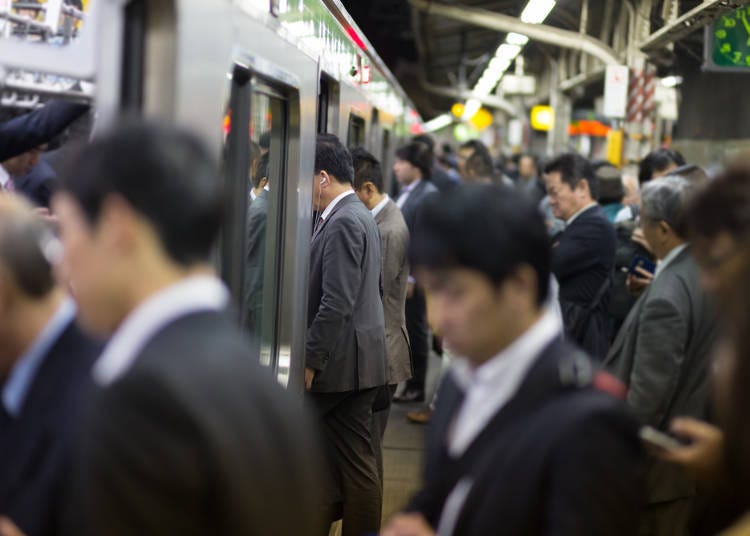
Many respondents shared the impression that work comes first for Japanese people. But where does that image come from?
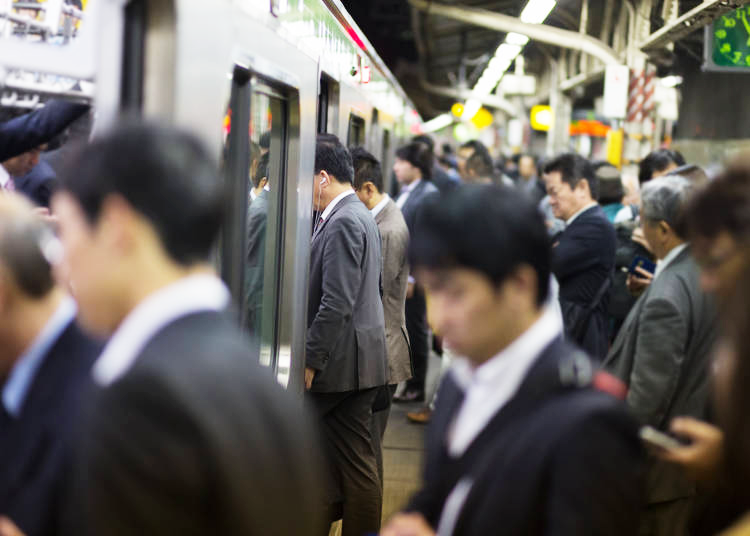
“I picture people working until the last train,” said a woman in her 20s from Taiwan. “I always think, couldn’t they just finish it tomorrow?”
A teenager from Vietnam added, “I assumed people worked late because they loved their jobs. But it seems like sometimes they don’t have a choice. It feels tough.”
Compared with some countries where prioritizing family time is strongly emphasized, Japan is often seen as more work-centered. Of course, Japanese people also value family deeply, but long hours and overtime have shaped the global perception of the country’s work culture.
Several respondents even described feeling sympathy, saying Japanese workers seemed overburdened.
That said, change is underway. Flexible schedules, remote work, and greater awareness of work-life balance are becoming more common. As these shifts continue, the image of Japan as a nation of nonstop workers may gradually evolve.
Looking back at the full range of impressions, some matched expectations and others did not. Fortunately, none of the interviewees said their view of Japan worsened after visiting. And it seems that outdated stereotypes, such as imagining samurai on every corner, have largely faded.
For those who shared their thoughts, visiting Japan did not diminish their curiosity. If anything, experiencing the country firsthand helped replace assumptions with a more nuanced understanding.

Born in Tokyo, she became a freelance writer in 2015. With experience studying and working in North America, she also offers English-Japanese translation and interpretation services. She has a deep love for Tokyo's Izu Islands and visits one of the islands at least once a month.
- Area
*Prices and options mentioned are subject to change.
*Unless stated otherwise, all prices include tax.
Popular Tours & Activitiess

-

Front-Row Seat by the Sea: Inside the Newly Opened La Vista Atami Terrace and Its Unique Everyday Escape
by: Yukiko Honda
-
No More Getting Lost in Tokyo's Subways! The "Magic Translation Terminal" Appearing at All 171 Stations Will Revolutionize Your Journey
by: Guest Contributor
-
Grand Reopening! The Edo-Tokyo Museum Returns After 4 Years: New Highlights, Interactive Tech, and Limited-Edition Goods
-

SILK AND ILY DONUT: Tokyo's New, Laid-Back Waterfront Shop Is A Real Treat
by: Timothy Sullivan
-
Ad
Sharing Japan's Secrets of Longevity with the World: "Noage International" Delivers a New Medical Tourism Experience
-
2026 Japan Cherry Blossom Report: Tokyo at Peak Bloom
Inspiration for Accommodations
-

Family-Friendly Hotels with Free Shuttle to Disneyland: Convenient Access for a Magical Stay
-
Top Ranked Hakone Hotels with Mt. Fuji View: Enjoy Stunning Scenery from Your Private Space
-
Convenient Tokyo Hotels with Airport Shuttle: Ideal for Families and Heavy Luggage
-
9 Family-Friendly Hotels with Comfortable Family Rooms in Asakusa
-
10 Open-air bath Onsen Ryokans in Hakone for Ultimate Relaxation
-
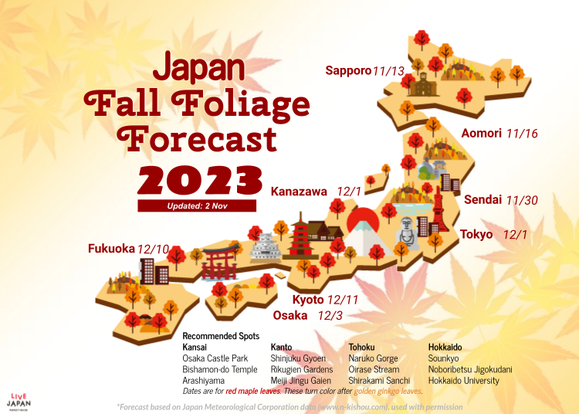
Autumn in Japan 2026: Fall Foliage Forecast & Where to Enjoy the Colorful Leaves (+Tour Info)
-
Best Places to Buy Records in Tokyo: 3 Local DJ's Share Inside Tips!
by: David McElhinney
-
Udon and Soba
-
Guide to Tokyo's Old Quarter: 7 Quaint Spots in Yanesen!
-
Old Really Meets New in 'Hobo Shinjuku Norengai' - Shinjuku's Latest Izakaya Complex
by: Cassandra Lord
-
Beyond the Guidebook: 7 Secret Sightseeing Spots in Harajuku and Omotesando that Only Locals Know!
- #best ramen tokyo
- #what to buy in ameyoko
- #what to bring to japan
- #new years in tokyo
- #best izakaya shinjuku
- #things to do tokyo
- #japanese nail trends
- #what to do in odaiba
- #onsen tattoo friendly tokyo
- #daiso
- #best sushi ginza
- #japanese convenience store snacks
- #best yakiniku shibuya
- #japanese fashion culture
- #best japanese soft drinks