



The Japanese might just be one of the most expressive people in the world when it comes to body language. Beyond the familiar nods and bows, you will probably notice while traveling in Japan that people often talk with their hands, using gestures to emphasize what they mean or to double-check details. For visitors from overseas, picking up a few of these gestures can make everyday interactions much smoother.
That said, body language is not universal. Gestures that feel natural in one country can mean something completely different elsewhere, and in Japan, a small motion of the hand or face can carry more meaning than words alone. Misreading these signs can lead to confusion or an unexpected laugh. In this article, we will take a closer look at some of Japan’s most distinctive and entertaining forms of body language, and what they really mean.

How to Say “Me” and “You” Without Words
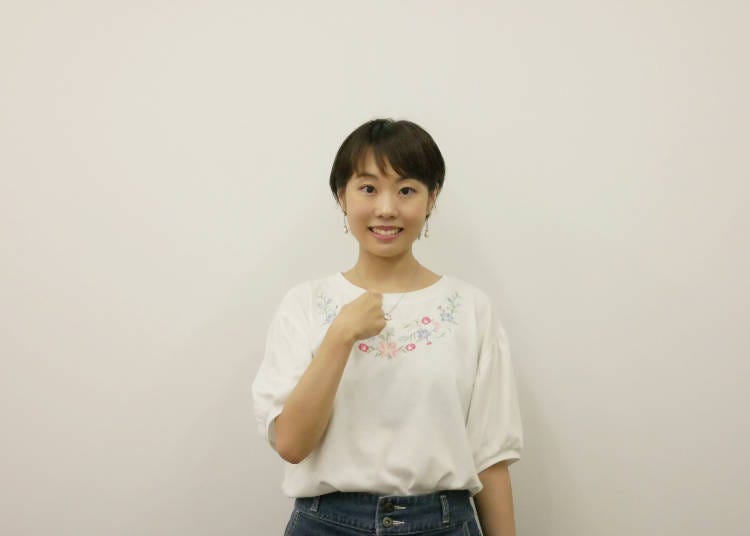
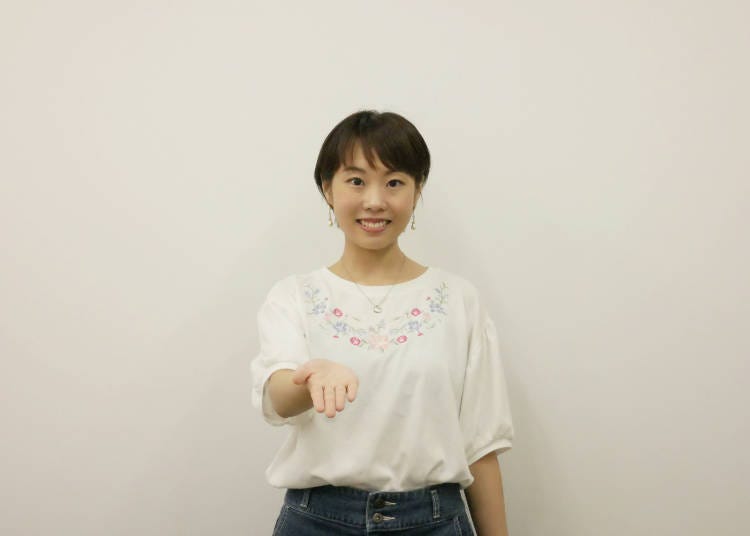
In Japan, when people refer to themselves, they often point to the tip of their nose with their index finger to mean “me.” When indicating “you,” however, they usually tilt an open palm slightly upward and gesture gently toward the other person.
It is also worth noting that pointing directly at someone with a finger is considered quite rude in Japan. Even when giving directions or explaining something, using a single finger to point is discouraged. The polite way is to keep all five fingers together and use the whole hand to indicate a place or object.
On your next trip to Japan, try paying attention to these small gestures. You will notice that people working in customer service, in particular, are very mindful of these subtle but important details.
A Chopping Motion That Means “Excuse Me”
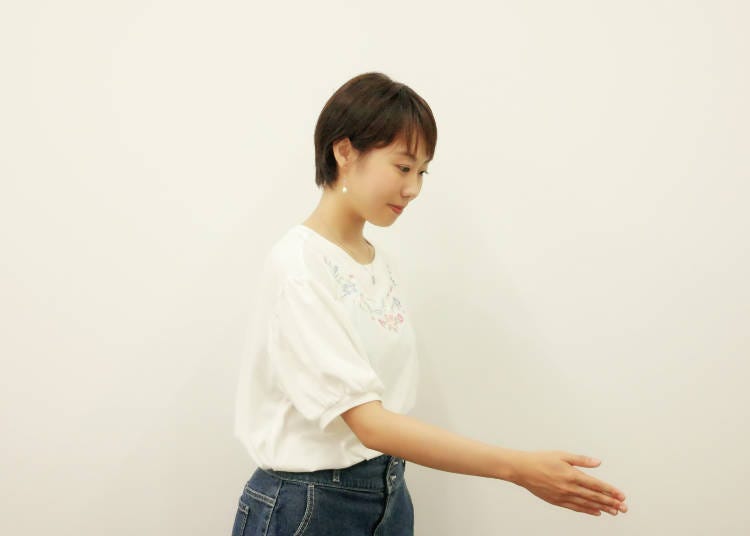
When it gets crowded, Japanese people often use a distinctive gesture to say “excuse me.” With the fingers of the right hand held together, they move the hand up and down in a vertical, chopping motion while slightly bowing and moving forward.
This gesture gently clears a path, shows the direction they want to go, and, with the added bow, expresses politeness and consideration for others. It is a very “Japanese-style” way of navigating busy stations, shops, or streets.
Waving Your Hand in Front of Your Face to Say “No”
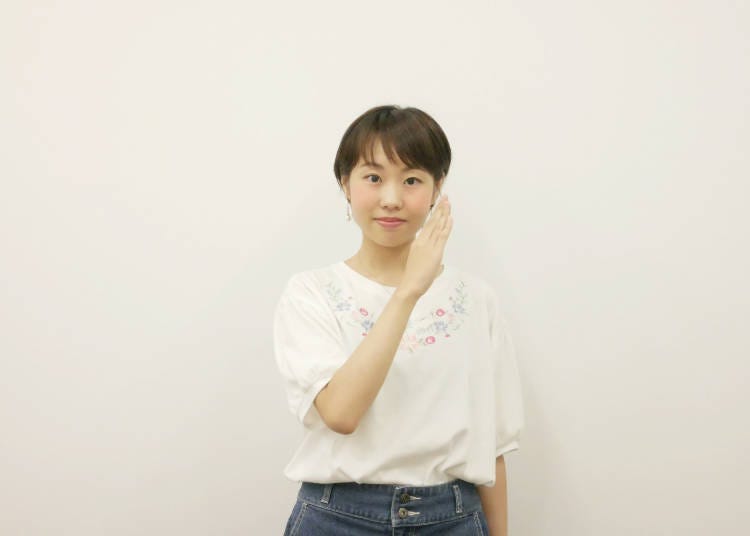
When expressing a negative response, Japanese people often wave their hand lightly in front of their face. This gesture can mean “not me,” “no thank you,” or “that’s not possible.” It is also commonly used when someone receives a compliment, as a way of saying “I’m not that great” or “it’s nothing, really.”
It is a soft, indirect way of declining or downplaying something, which fits well with Japan’s preference for polite and subtle communication.
Apologies, Requests, and “Let’s Eat!”
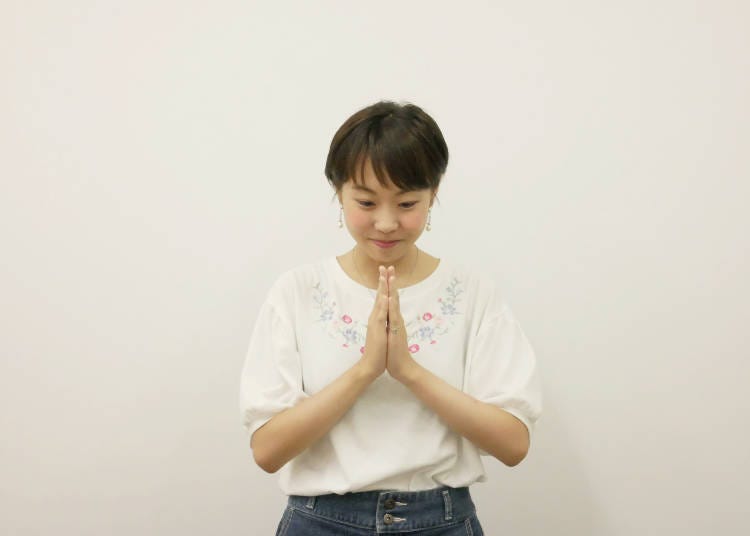
In Taiwan, placing both hands together in front of the nose usually means making a request or asking for a favor. In Japan, however, this gesture is often used to express an apology. It is commonly seen among friends, such as when someone arrives late to a casual meetup and wants to say “sorry” in a lighthearted way. The gesture often carries a slightly bashful or playful feeling.
If you watch Japanese dramas, you will probably notice female characters pressing their hands together and bowing their heads when apologizing. Many viewers find this gesture instantly charming.
Of course, for more formal apologies, a proper bow is still expected. Interestingly, this same gesture also appears before meals in Japan. When people press their hands together and say “Itadakimasu,” they are expressing gratitude for the food they are about to enjoy.
Do Horns Grow When You’re Angry?
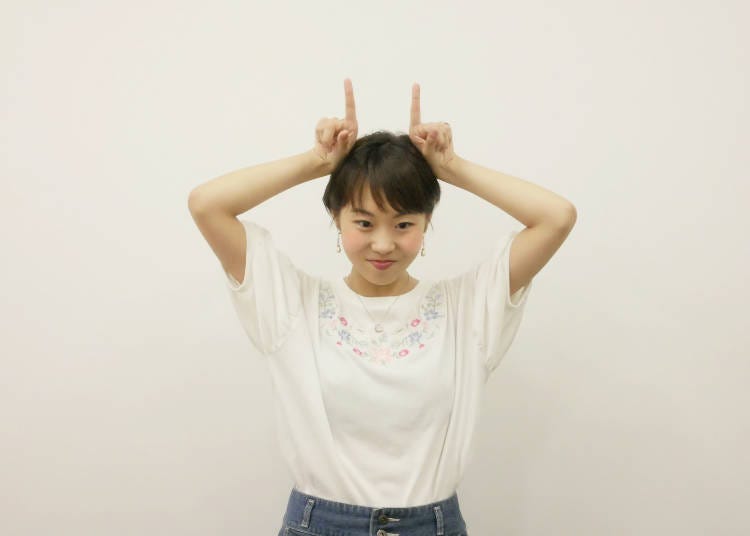
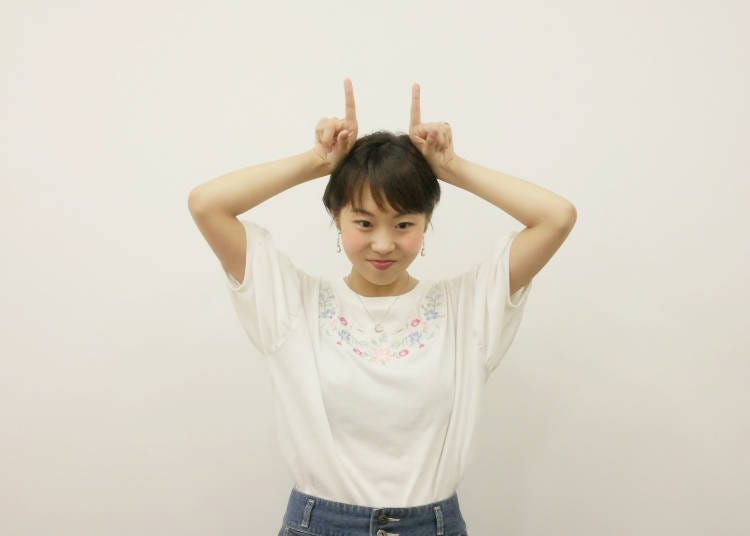
Clenching both fists, extending the index fingers, and placing them on top of the head like devil horns is a gesture Japanese people use to indicate anger. This is usually done when talking about a third person who is not present. For example, if Employee A is telling Employee B that their boss was angry yesterday, they might make this gesture while speaking.
In Japanese culture, anger is often associated with demons or evil spirits, which is why horns are used as a visual symbol to represent being angry.
“Oh! I Remember!” / “That’s Right!”
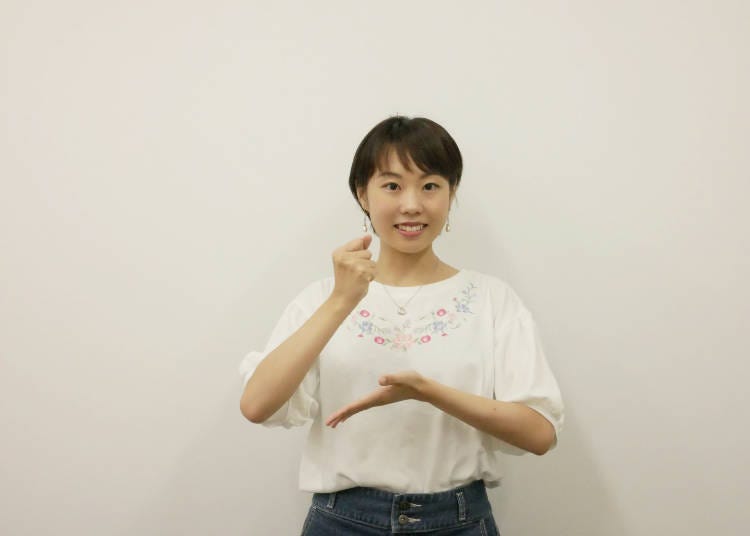
Placing one hand palm-up and lightly striking it with a clenched fist is a common Japanese gesture meaning “Oh, I remember!” or “That’s right!” It is also used when someone suddenly comes up with a new idea.
This gesture appears frequently in daily conversations and Japanese dramas alike. Using it while speaking can make your expressions feel more lively and animated.
Why Hand Signs for Six, Seven, Eight, and Nine Matter
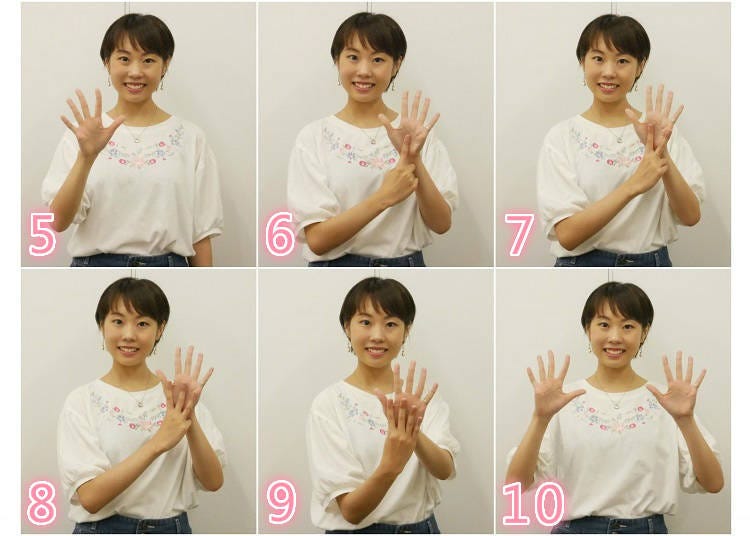
Finally, let’s talk about numbers, especially the hand signs for six and above. In Japan, counting from one to five on your fingers is the same as in Taiwan. From six onward, however, the system changes completely.
To show six, one hand is held palm-up while the other hand places one finger onto the palm. Two fingers represent seven, three fingers eight, and so on. Ten is shown by opening both hands with palms facing up. In Japan, the number is simply the number of fingers being used.
Because of this, when Taiwanese people use their thumb and index finger to indicate “seven,” Japanese people may interpret it as “two,” a finger gun, or even a photo pose. Meanwhile, the Taiwanese gesture for six may be mistaken in Japan for “calling on the phone” or the Hawaiian greeting “aloha.”
Today we introduced a variety of Japanese gestures. Which one do you find the most useful? In Japan, gestures and conversation are closely intertwined. Learning when and how to use these expressions can make communication smoother, help others understand you more easily, and even make your Japanese sound more natural.
Text by: Wen-Jun Wang
- Area
- Category
*Prices and options mentioned are subject to change.
*Unless stated otherwise, all prices include tax.
Popular Tours & Activities
-
Autumn in Japan 2026: Fall Foliage Forecast & Where to Enjoy the Colorful Leaves (+Tour Info)(Updated Oct 1)
-
Ad
Do’s and Don’ts: The Complete Guide to Sento Baths! Getting the Full Experience In Ueno’s Famous Kotobuki-yu
-

Seibu Group Launches New Chichibu Adventure Tourism Experience for International Travelers in 2026
by: Guest Contributor
-
Cracked Phone Screen in Japan? Smahospital Repair Guide: Keep Your Data, Fixed in 15 Min, Multilingual Support | Up to 10,000 Yen Off with LIVE JAPAN Coupon
-
ANA’s Chiikawa Jet Is Taking Off—Here’s Everything You Need to Know About Exclusive Goods, In‑Flight Fun & Travel Tips
by: Guest Contributor
-

Haneda Airport Duty-Free Shopping Guide: What to Buy, How to Save & Where to Eat Before Your Flight
by: Guest Contributor
Inspiration for Accommodations
-

Family-Friendly Hotels with Free Shuttle to Disneyland: Convenient Access for a Magical Stay
-
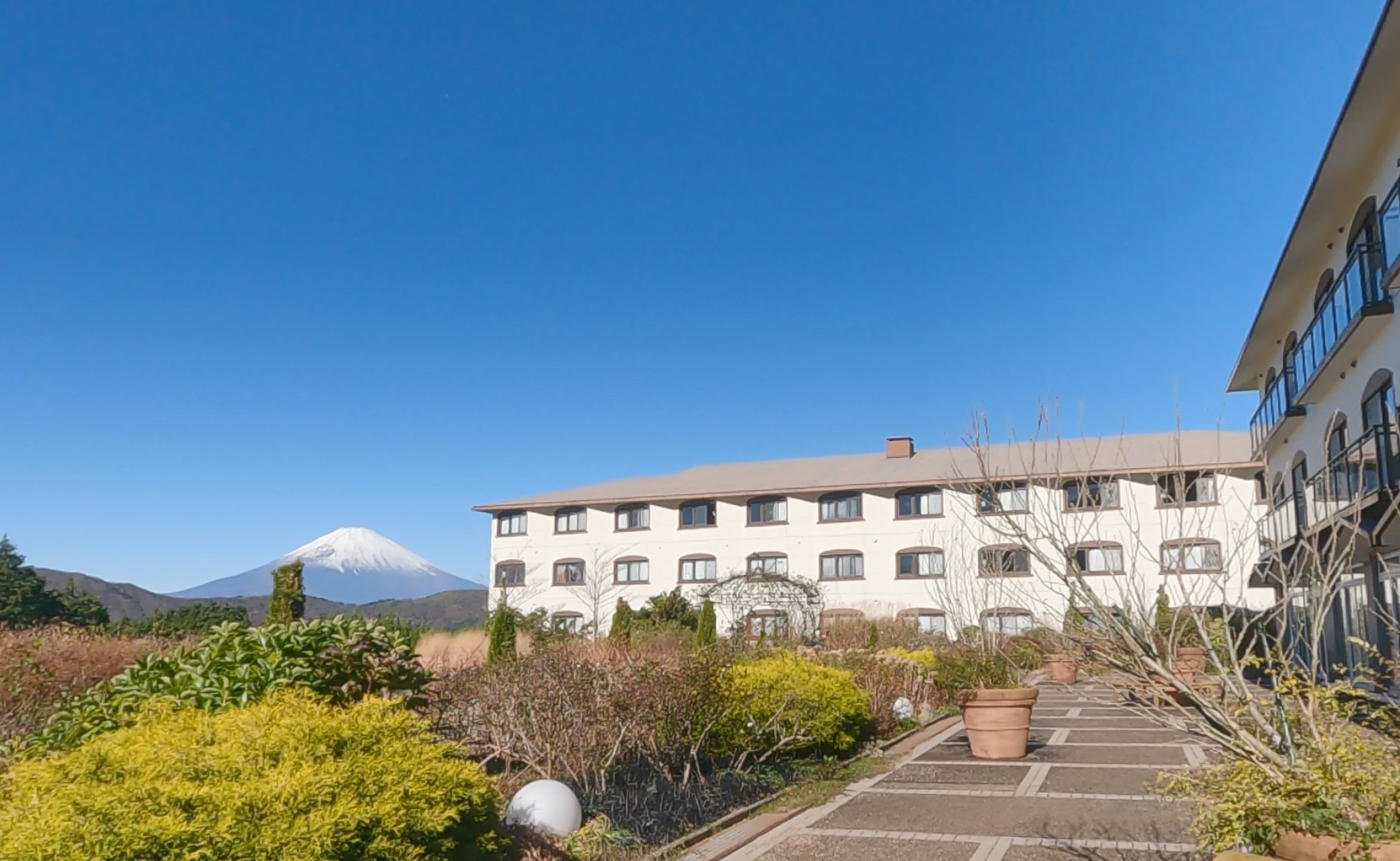
Top Ranked Hakone Hotels with Mt. Fuji View: Enjoy Stunning Scenery from Your Private Space
-
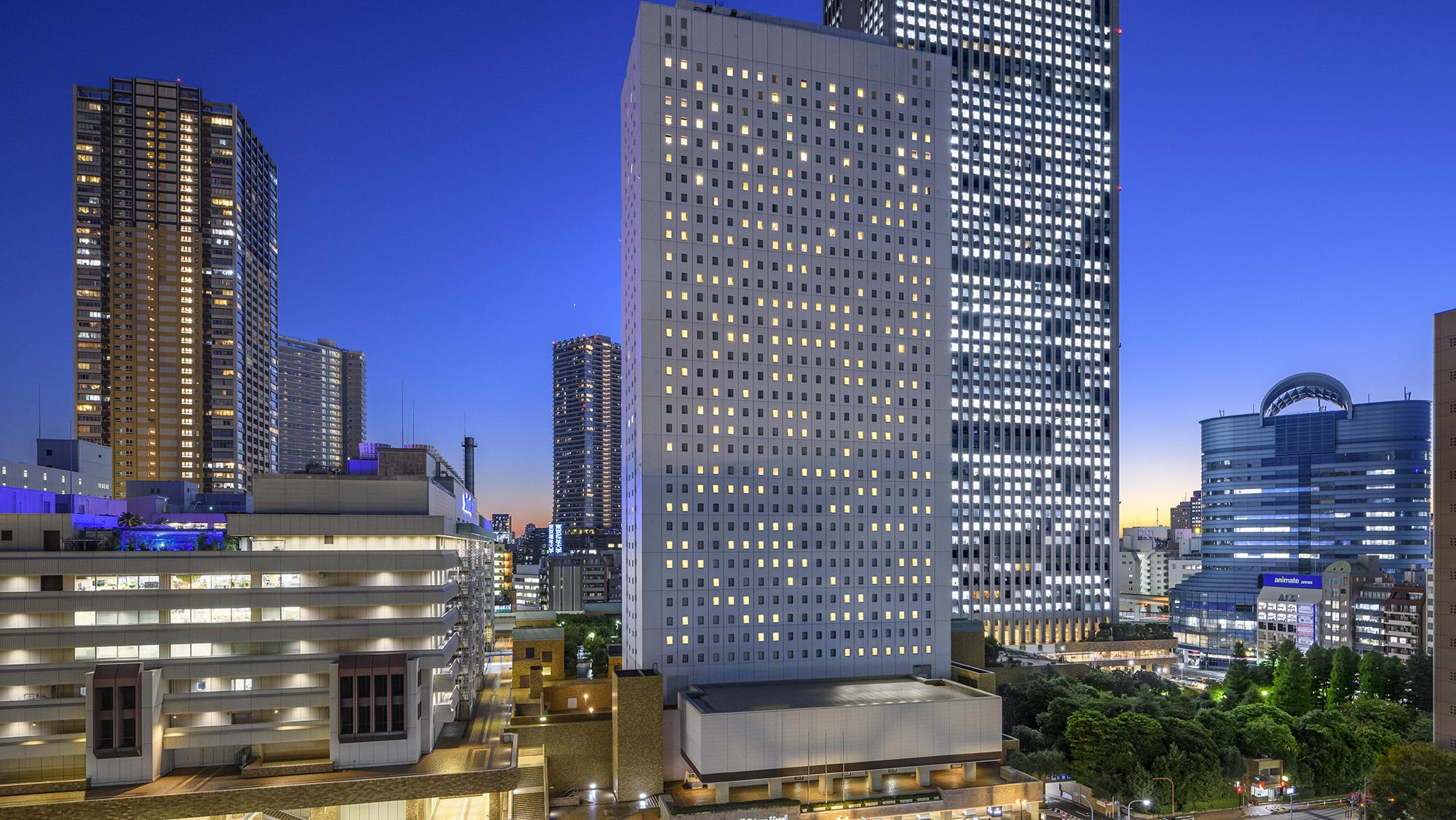
Convenient Tokyo Hotels with Airport Shuttle: Ideal for Families and Heavy Luggage
-
9 Family-Friendly Hotels with Comfortable Family Rooms in Asakusa
-
10 Open-air bath Onsen Ryokans in Hakone for Ultimate Relaxation
-

16 Secrets About Mt. Fuji, the Symbol of Japan: Even Japanese People Don’t Know That?!
by: Guest Contributor
-
Legacy of Tradition: Discover 5 of Nihonbashi's Oldest Shops with Over 100 Years of History
-

Shocked by Japanese Table Manners! 7 Quirky Things That Surprised British Visitors to Japan
-

So why do you get naked? 6 Japanese customs that shocked foreigners
-
Ikebukuro Station Area Guide: Top 15 Spots When You Escape the Station's Maze!
-
Japan's Bath Culture: Tips You Should Know!
- #best ramen tokyo
- #what to buy in ameyoko
- #what to bring to japan
- #new years in tokyo
- #best izakaya shinjuku
- #things to do tokyo
- #japanese nail trends
- #what to do in odaiba
- #onsen tattoo friendly tokyo
- #daiso
- #best sushi ginza
- #japanese convenience store snacks
- #best yakiniku shibuya
- #japanese fashion culture
- #best japanese soft drinks