




Whether it is your first trip to Japan or you are simply caught up in a busy day of sightseeing, it can be surprisingly easy to leave a camera, smartphone, souvenir, or other belonging behind on a train.
Japan’s rail network is extremely convenient, but it can also be confusing when something goes missing. Because trains sometimes operate directly across lines run by different railway companies, international visitors may not know which operator to contact about a lost item.
If you are traveling on the Toei Shinjuku Line and Keio Line, however, finding a lost item has become easier. From August 2026, the two operators began linking their lost-and-found systems through “find chat,” allowing passengers to search for belongings across both railway networks through a single inquiry.
Below, we explain how the system works and introduce several historical, cultural, and scenic spots easily reached along the Toei Shinjuku and Keio lines
- Table of Contents
-
- Lost Something on a Train? How “find chat” Makes Searching Easier
- Why the Toei Shinjuku Line and Keio Line Are So Useful for Sightseeing
- Explore Tokyo’s History, Culture, and Nature Along the Route
- Frequently Asked Questions (FAQ) for Foreign Travelers
- Explore a Different Side of Tokyo with Greater Peace of Mind
Lost Something on a Train? How “find chat” Makes Searching Easier
Tokyo’s subway and private railway networks include several examples of through-service, where the same train continues onto tracks operated by another railway company. The Toei Shinjuku Line and Keio Line are one such pair, allowing passengers to travel between the two networks without changing trains.
That convenience, however, could make things complicated when an item was left behind, as passengers were not always sure which railway company had recovered it.
One Inquiry Can Search Multiple Railway Operators’ Lost-and-Found Systems (And Other Locations, Too!)
From August 19, 2026, the “find chat” lost-item inquiry system began linking the lost-and-found databases of the Tokyo Metropolitan Bureau of Transportation, which operates the Toei Subway, and Keio Corporation.
Travelers can now contact either operator through find chat and search both companies’ lost-property information at once. This is especially useful when you are unsure whether you lost an item on the Toei Shinjuku Line or the Keio Line.
The service is also available through transportation operators and facilities nationwide, including Haneda Airport, JR East, Seibu Railway, Tokyo Monorail, Fukuoka International Airport, Kansai International Airport, Osaka Metro, JR Central, JR Kyushu, and JR Hokkaido. Participating shopping and entertainment facilities include Shibuya Scramble Square, Lucua Osaka, JR HAKATA CITY, Tokyo Dome, and Mizuho PayPay Dome Fukuoka. New partners continue to be added, so availability may vary by location. Check the relevant operator or facility’s find chat page for details.
The cloud-based system works on smartphones, tablets, and computers without requiring a dedicated app or software. It supports Japanese, English, Simplified Chinese, and Korean, making it easier for international travelers to submit an inquiry.
How to Use “find chat” If You Lose Something
You can use “find chat” with either an email address or a LINE account. Once you have chosen your preferred method, the process is straightforward:
・Step 1: Complete the authentication process. Once authentication is complete, you will receive a message from the system.
・Step 2: Open the link provided in the message and submit your lost-item inquiry, including details such as the type of item, color, identifying features, and when you were traveling.
・Step 3: When an operator responds, you will receive a notification. Open the link in the notification to view and reply to the message.
・Step 4: If your lost item is found, you will receive another notification with information about where and how to collect it.
The service can be accessed from a smartphone, tablet, or computer without downloading a dedicated app or software. It supports Japanese, English, Chinese (Simplified/Traditional), and Korean, making it easier for international travelers to complete the process without having to explain the situation verbally at a station counter.
Photos of recovered items can also be registered in the system, allowing identifying features to be checked during the search. Behind the scenes, generative AI is used to help automatically register characteristics of lost items and streamline the matching process.
You can access the service from the following link:
https://otoshimono.finds.co.jp/findchat
Why the Toei Shinjuku Line and Keio Line Are So Useful for Sightseeing
The same through-service that can make it difficult to know which railway operator to contact when something goes missing is also what makes this route so convenient for sightseeing.
The Toei Shinjuku Line and Keio Line connect a wide range of neighborhoods, making it easy to travel from central Tokyo toward the city’s western outskirts with fewer transfers. Along the way, you can discover everything from historic bookshops and retro streets to traditional temples and the natural scenery of Mt. Takao.
So while find chat offers extra reassurance if something is misplaced, the route itself is also a convenient way to explore parts of Tokyo beyond the city’s most familiar sightseeing areas.
Explore Tokyo’s History, Culture, and Nature Along the Route
Jimbocho (Toei Shinjuku Line): Explore Tokyo’s Famous Book District
Jimbocho is known as Tokyo’s “book town,” with around 130 secondhand and specialist bookstores concentrated in the neighborhood. Its history as a center for books and publishing stretches back to the Meiji era in the late 19th century.
Many stores specialize in everything from rare books to ukiyo-e prints and traditionally bound Japanese books, making the area especially rewarding for visitors interested in Japanese literature, art, and history.
After browsing the shelves, stop by one of Jimbocho’s old-fashioned kissaten coffee shops for a taste of Tokyo’s retro café culture
Shinjuku (Toei Shinjuku & Keio Lines): Skyscrapers Meet Retro Tokyo
Around Shinjuku Station’s west side, the skyline is dominated by high-rise buildings, including the Tokyo Metropolitan Government Building.
Head toward the east side and the atmosphere changes dramatically. Areas such as Omoide Yokocho and Shinjuku Golden Gai retain a distinctive postwar character, with narrow alleys lined with tiny bars and eateries.
This contrast between modern Tokyo and pockets of Showa-era streetscape is part of what makes Shinjuku such a fascinating neighborhood to explore
Chofu & Jindaiji (Keio Line): Historic Temple Streets and Soba Culture
Founded in 733 according to temple tradition, Jindaiji is considered one of Tokyo’s oldest Buddhist temples.
The surrounding area has long been blessed with abundant spring water, helping give rise to the local specialty known as Jindaiji soba. The approach to the temple is lined with traditional-style soba restaurants, teahouses, and shops that create a peaceful atmosphere quite different from central Tokyo.
Visitors interested in Japanese pop culture can also stop by the nearby Kitaro Chaya, inspired by the yokai characters created by manga artist Shigeru Mizuki.
Mt. Takao (Keio Line): Nature, Temples, and Tengu Legends
Mt. Takao is one of Tokyo’s most popular hiking destinations and has also received three stars in the Michelin Green Guide Japan.
Located partway up the mountain, Takaosan Yakuoin is said to have been founded in 744 and is closely associated with tengu, legendary supernatural figures that have long featured in Japanese religious traditions and folklore.
Several hiking trails lead toward the summit, while a cable car and chairlift make it possible to enjoy the mountain without tackling the entire ascent on foot. After heading back down, visitors can also unwind at a hot spring near Takaosanguchi Station.
Frequently Asked Questions (FAQ) for Foreign Travelers
Q. Can I ride the Toei Shinjuku Line and Keio Line using the same ticket?
If you use a transportation IC card such as Suica, the appropriate fare is calculated automatically when you travel between the two lines. If you are using a Tokyo Subway Ticket, however, the Keio Line portion is not included, so you will need to pay the additional fare.
Q. Is multilingual support available if I leave something on the train?
“find chat” is a text-based service, so travelers can use a translation tool on their smartphone while entering information about the missing item. This can make it easier to communicate the details even if you do not speak Japanese.
Explore a Different Side of Tokyo with Greater Peace of Mind
After visiting famous areas such as Shibuya and Asakusa, travelers looking to see a different side of Tokyo may want to follow the Toei Shinjuku and Keio lines westward.
From Jimbocho’s bookshops and Shinjuku’s contrasting cityscapes to Jindaiji’s temple streets and the natural scenery of Mt. Takao, the route connects a surprisingly diverse range of experiences. And with services such as “find chat” making it easier to search for lost belongings across both railway operators, travelers have one less thing to worry about while exploring.
(Source/Main Image :京王電鉄)
- Area
- Category
*Prices and options mentioned are subject to change.
*Unless stated otherwise, all prices include tax.
Popular Tours & Activities
Recommended places for you
-
The Imperial Palace
Other Architecture
Tokyo Station
-
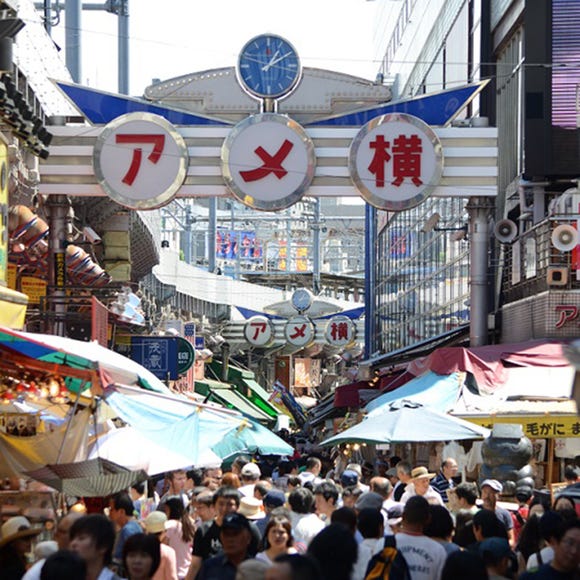
Ameyoko Shopping Street
Old Towns (Shitamachi)
Ueno
-
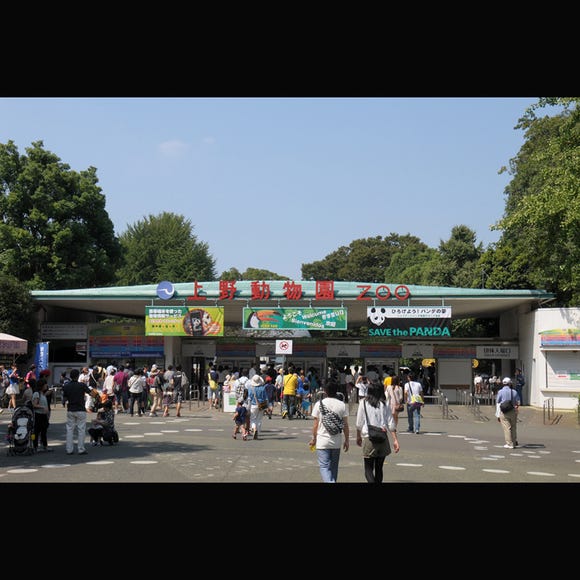
Ueno Zoo (Ueno Zoological Gardens)
Zoos, Aquariums & Botanical Gardens
Ueno
-
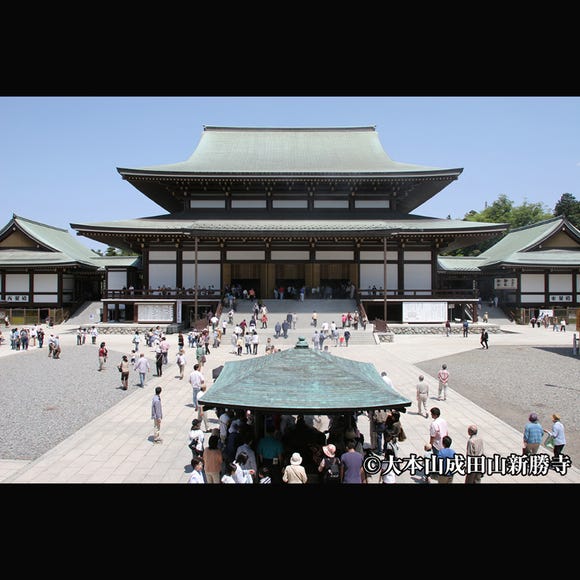
Naritasan Shinshoji Temple
Temples
Narita
-
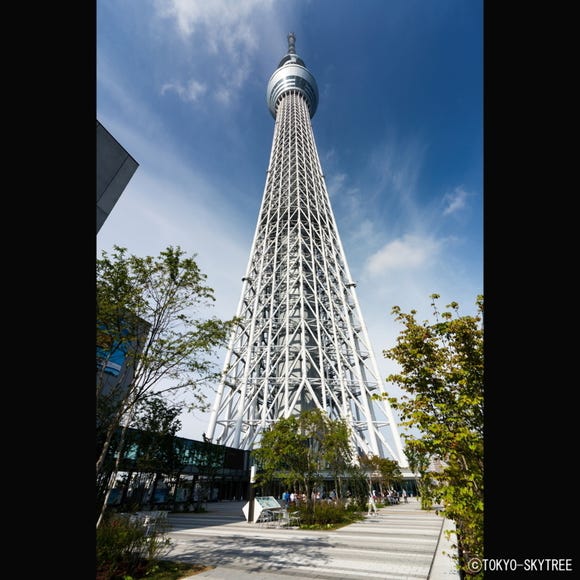
TOKYO SKYTREE®
Landmarks
Ryogoku / TOKYO SKYTREE(R)
-
Tsukiji Outer Market
Old Towns (Shitamachi)
Tsukiji
-
Ad
Pocket WiFi Rental in Japan 2026: Complete Price Comparison & Where to Get the Best Deal
-
Just 2 Hours from Tokyo! Escape to Yamanashi's NIPPONIA Kosuge, Where an Entire 700-Person Village Becomes Your Hotel
by: Alice Lee
-
7-Day Japan Weather Forecast: Tokyo, Osaka, Sapporo, Sendai, Fukuoka, Naha – Plan & Pack Smart for Your Trip
-
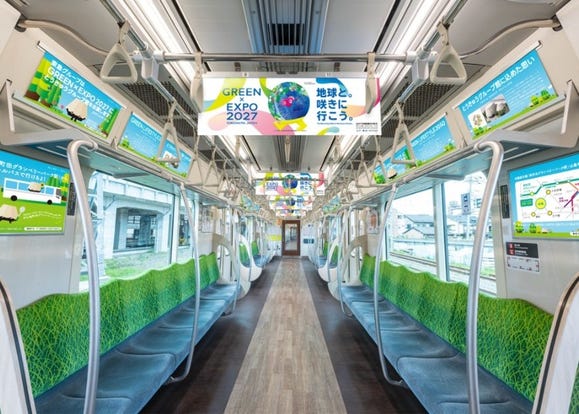
Japan's New GREEN LIFESTYLE TRAIN Connects Tokyo, Yokohama, and a Greener Future
by: Guest Contributor
-
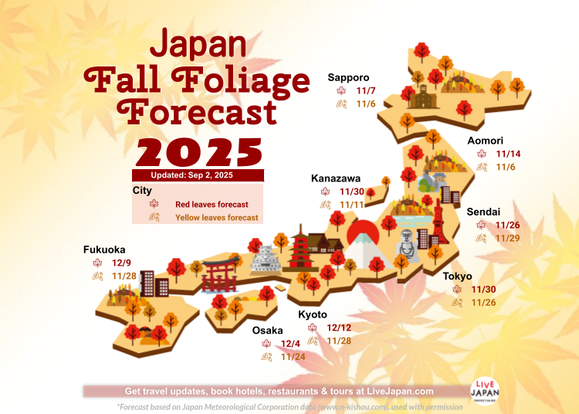
Autumn in Japan 2026: Fall Foliage Forecast & Where to Enjoy the Colorful Leaves (+Tour Info)
-

Top-Booked by International Visitors: Must-Try Italian & Pizza in Tokyo for First-Time Visitors
by: Guest Contributor
Inspiration for Accommodations
-

Family-Friendly Hotels with Free Shuttle to Disneyland: Convenient Access for a Magical Stay
-
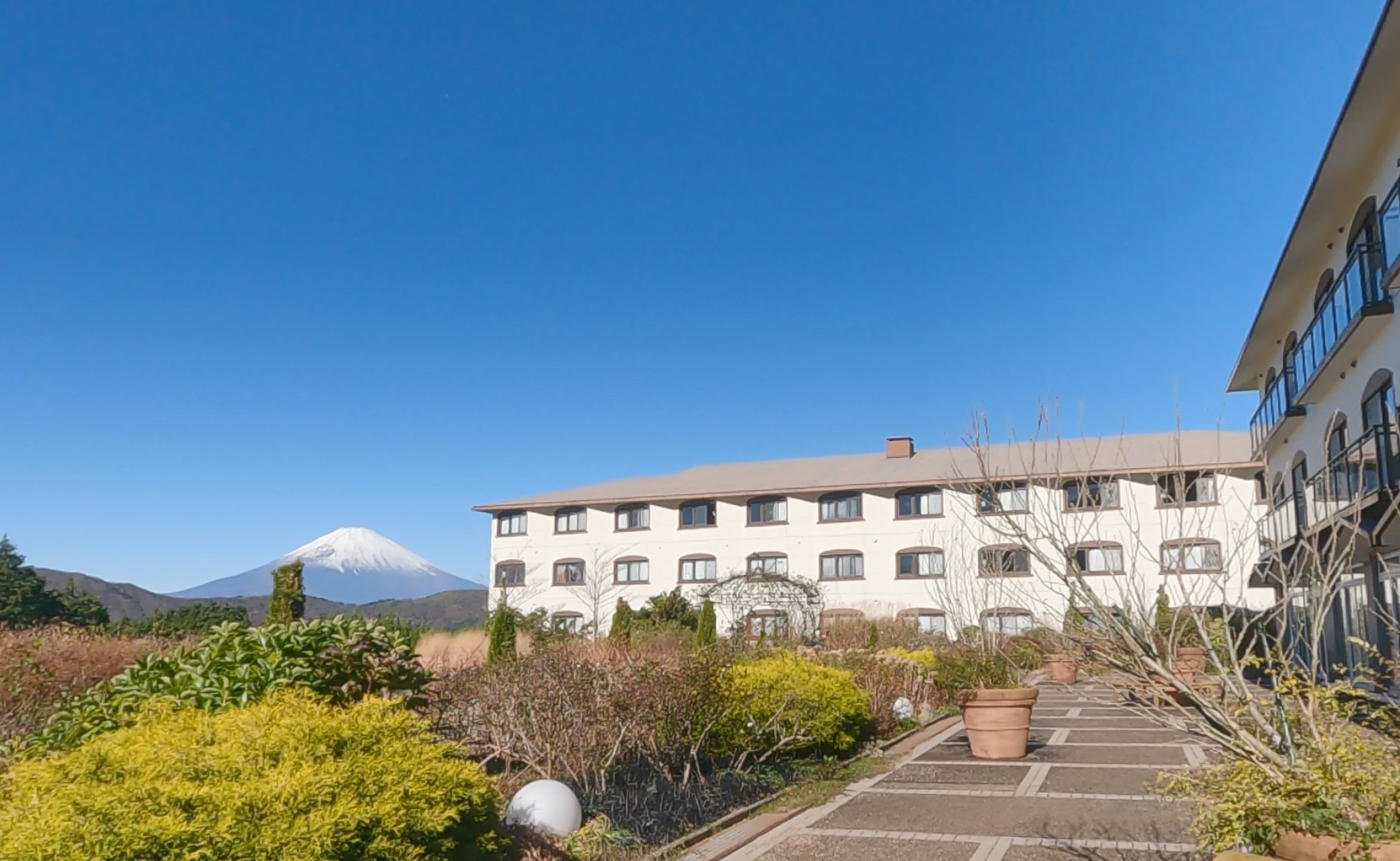
Top Ranked Hakone Hotels with Mt. Fuji View: Enjoy Stunning Scenery from Your Private Space
-
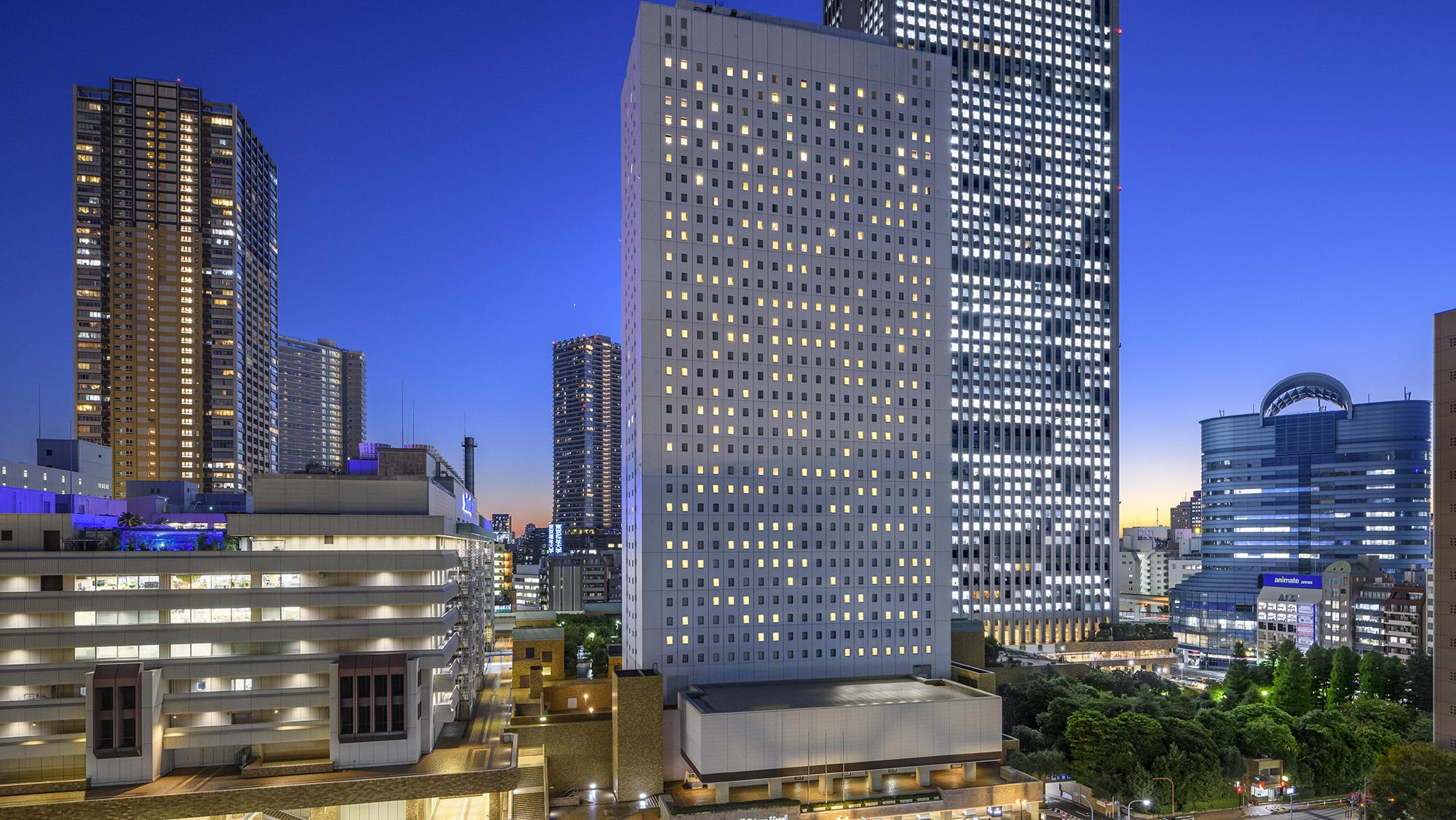
Convenient Tokyo Hotels with Airport Shuttle: Ideal for Families and Heavy Luggage
-
9 Family-Friendly Hotels with Comfortable Family Rooms in Asakusa
-
10 Open-air bath Onsen Ryokans in Hakone for Ultimate Relaxation
-
Tokyo in 4 Days: A No-Backtracking Classic Itinerary Covering Asakusa, Shibuya, and Tokyo Skytree
-

Tokyo Roppongi: 5 Most Amazing Spots at Roppongi Hills and How to Make the Best of Them!
-
Ad
Spring in Taito: Home to Ueno & Asakusa! Step off the beaten path and curate your perfect 1-day itinerary
-
Tokyo Roppongi|Roppongi Station Area Map & Sightseeing Information
-
Great Food With a View: Top 4 Restaurants You Won't Forget in Omotesando, Tokyo
-
Ikebukuro Station Area Guide: Top 15 Spots When You Escape the Station's Maze!
- #best ramen tokyo
- #what to buy in ameyoko
- #what to bring to japan
- #new years in tokyo
- #best izakaya shinjuku
- #things to do tokyo
- #japanese nail trends
- #what to do in odaiba
- #onsen tattoo friendly tokyo
- #daiso
- #best sushi ginza
- #japanese convenience store snacks
- #best yakiniku shibuya
- #japanese fashion culture
- #best japanese soft drinks