






What Makes Japanese Yakiniku So Darn Good? Guide to Cuts, Heat, and Wagyu Know-How
- Written by: LIVE JAPAN Editor
Japanese yakiniku is one of the food experiences travelers from around the world come to Japan for. When you start noticing how each cut tastes, how long it’s grilled, and how sauces or seasonings are used, the experience shifts. Small choices can make a single plate feel completely different.
Wagyu, in particular, elevates yakiniku to another level. Its fine marbling, melt-in-your-mouth texture, and aroma that blooms on the grill can change how you think about beef. In this guide, we cover the basics of wagyu, key cuts, grilling tips, and simple ways to enjoy yakiniku more deeply, turning a great meal into a lasting memory.
What is So Captivating About Japanese Yakiniku Culture and Wagyu?
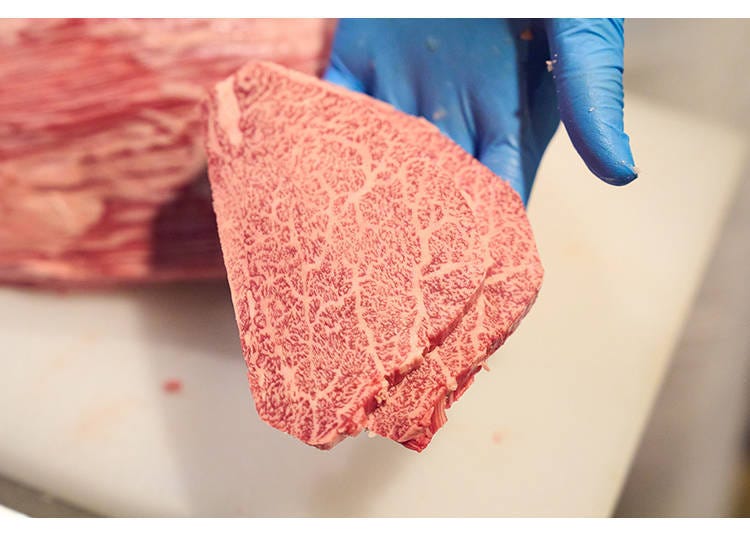
Yakiniku, a big part of Japan’s food culture, is cherished by many. With beef as the main ingredient, it allows guests to savor different flavors, textures, and marbling patterns depending on the cut. Celebrating these differences through the process of selecting, grilling, and savoring the meat is what makes yakiniku so appealing.
Above all, wagyu’s balance of tenderness and delicate melt-in-your-mouth richness makes it an essential part of what defines the Japanese yakiniku experience.
Uncovering What Makes Wagyu So Delicious
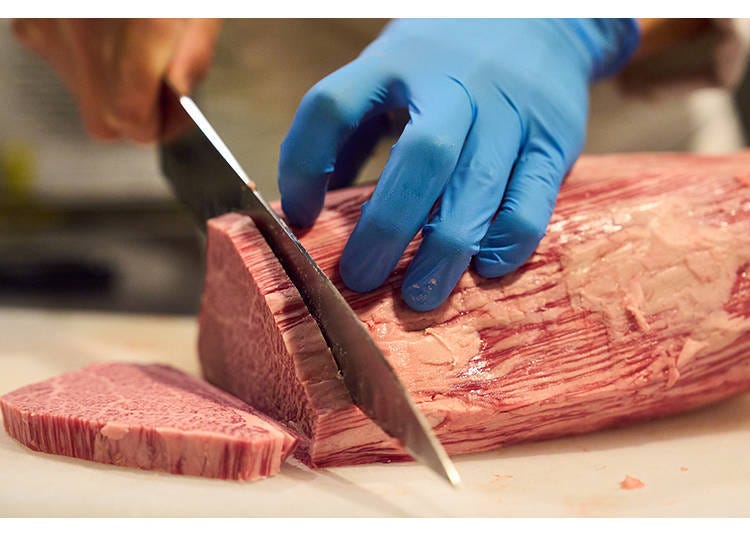
Wagyu does not refer to all cattle raised in Japan, but only to those registered as one of Japan’s four native breeds, with strictly controlled pedigrees and breeding.
The delicious taste of wagyu mainly comes from its texture and aroma. When cooked, the marbling, or the fat embedded in the lean meat, melts, creating a melt-in-your-mouth texture. Additionally, the sweet, rich aroma that fills your mouth when taking a bite is known as the “aroma of wagyu.” It gets richer the longer you savor it, which shapes the overall taste.
Japan Boasts Many Captivating Wagyu Brands, So Enjoy Them on Your Trip!
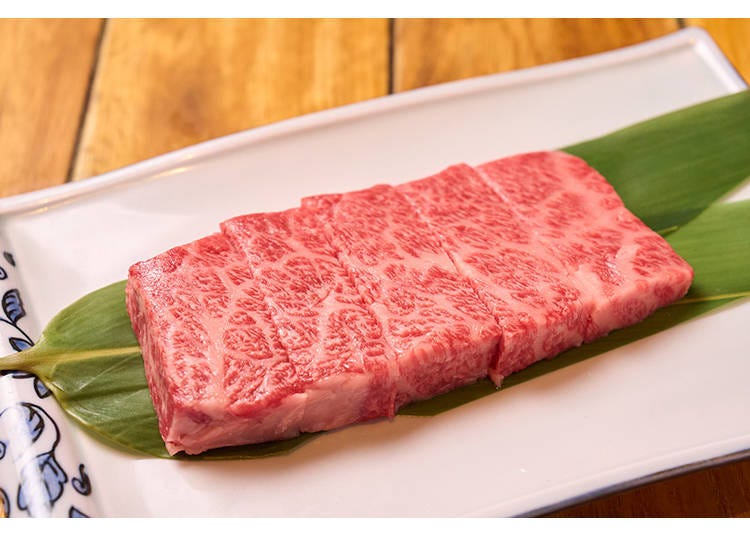
Across Japan, wagyu is raised in different regions, each developing its own distinct character and reputation. The wagyu brands introduced below are especially well known, and worth seeking out as a memorable, one-of-a-kind dish to enjoy while traveling.
Kobe Beef (Hyogo):
Referring to the most carefully selected Tajima cattle from Hyogo Prefecture, this beef’s fat melts even at body temperature and leaves a subtle aftertaste.
Omi Beef (Shiga)
Raised in the land of Lake Biwa’s shores and features a fine, tender meat, as well as sweet fat and a rich aroma.
Yonezawa Beef (Yamagata)
Wagyu raised in an environment with significant temperature variations that stands out for its rich flavor, fine marbling, and high-quality fat.
Maesawa Beef (Iwate)
Cattle raised on high-quality feed in a rich natural environment that boasts a premium, fine marbling.
There are many more brands of wagyu throughout Japan, so you will have many chances to encounter some of them wherever you travel.
Guide to the Main Cuts and Flavors of Japanese Yakiniku Menus
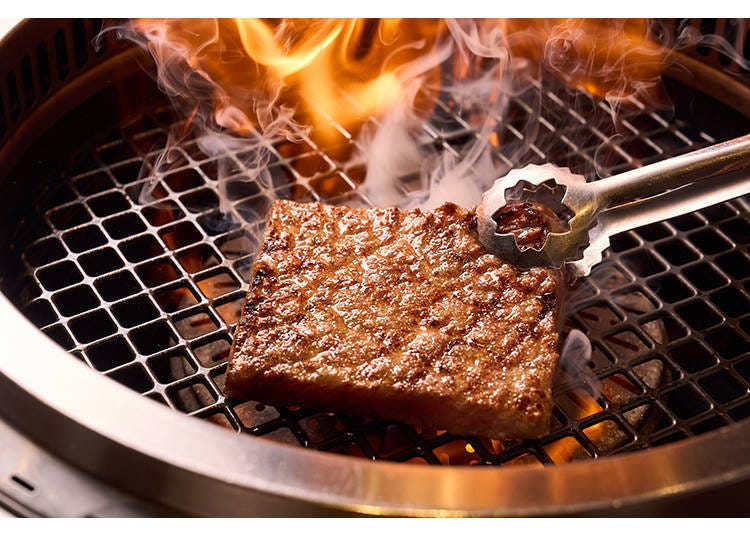
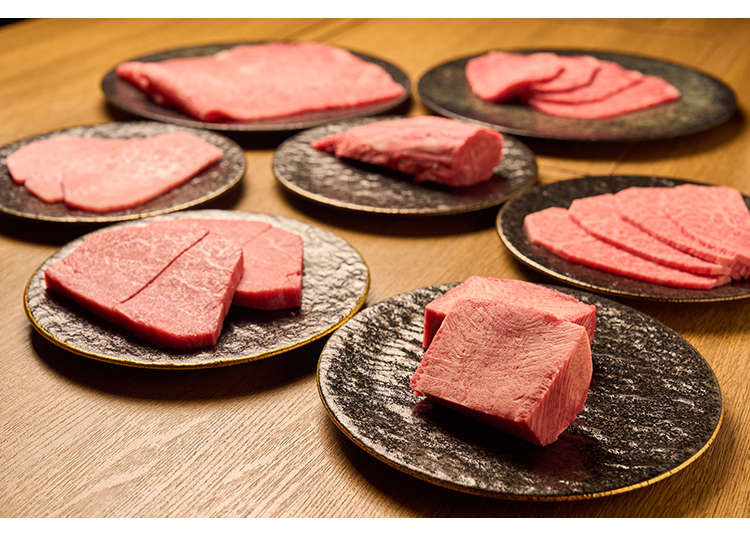
Yakiniku menus in Japan are meticulously divided into different cuts, each with its own flavor, texture, and marbling. Your choice will greatly determine how your experience will go. I will now introduce the unique flavors of each cut, from the most classic options to rare, premium cuts, accompanied by photos.
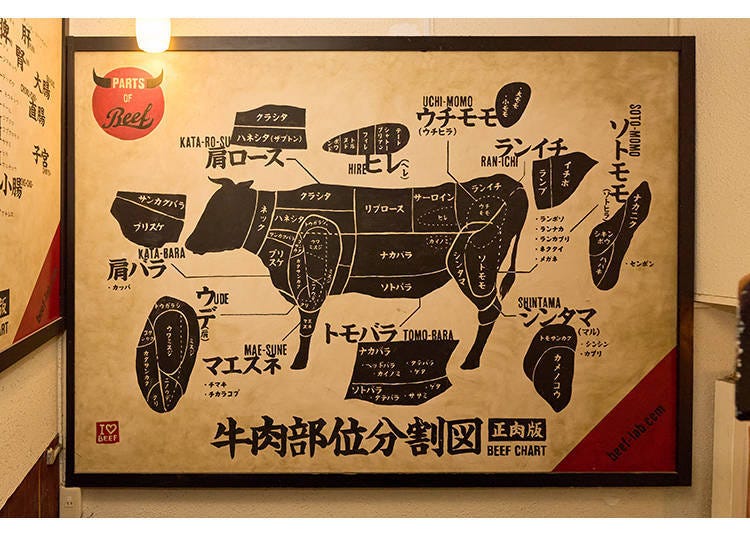
Some restaurants use cow illustrations to indicate which cut belongs to which body part. Knowing exactly what you will be eating is also part of the yakiniku experience.
(Classic Cuts) 1. Short Ribs (Karubi/カルビ): The Classic Yakiniku Cut with Rich, Melting Fat
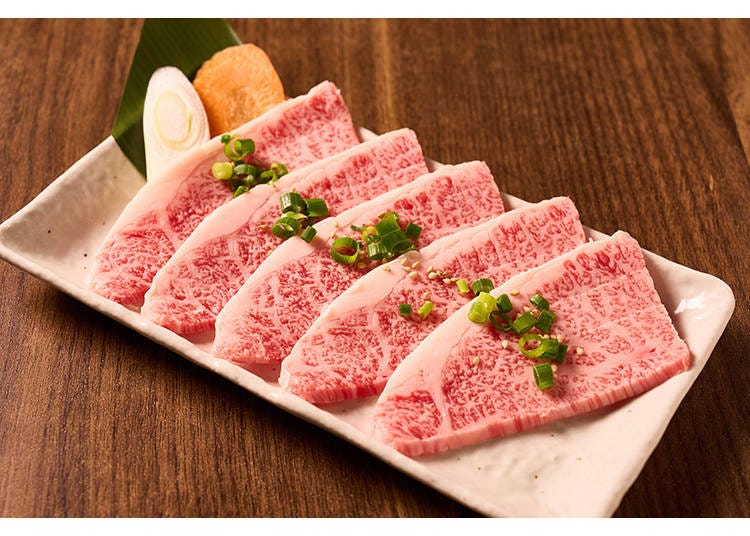
Ribs, or “kalbi,” are the most classic cut representing yakiniku. Their marbling usually stands out, and the flavor of the fat spreads once grilled, resulting in a tender and juicy texture.
2. Loin (Ro-su/ロース): A Well-Balanced Cut of Lean Meat and Umami
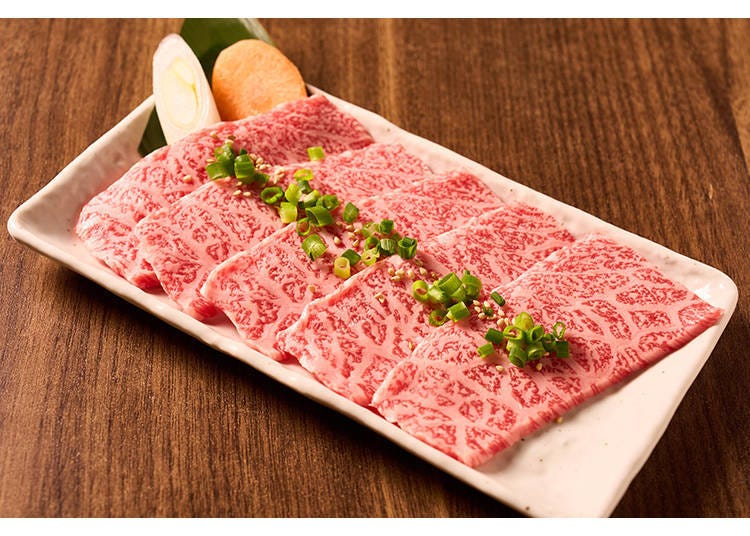
Loin comes from the back of the beef, from the shoulder to the hip. Its texture is quite firm, allowing you to taste the flavor of the lean meat with each bite.
3. Beef Tongue (Tan/タン): A Savory Cut Known for Its Bite and Aroma
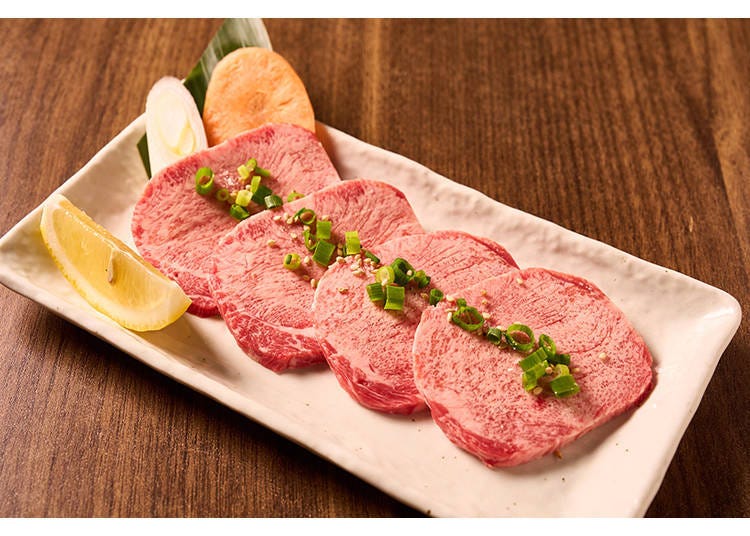
Beef tongue offers a perfectly chewy texture and a light taste, with beef’s distinctive flavor.
4. Skirt Steak (Harami/ハラミ): Tender and Flavorful, Even for Lean-Meat Fans
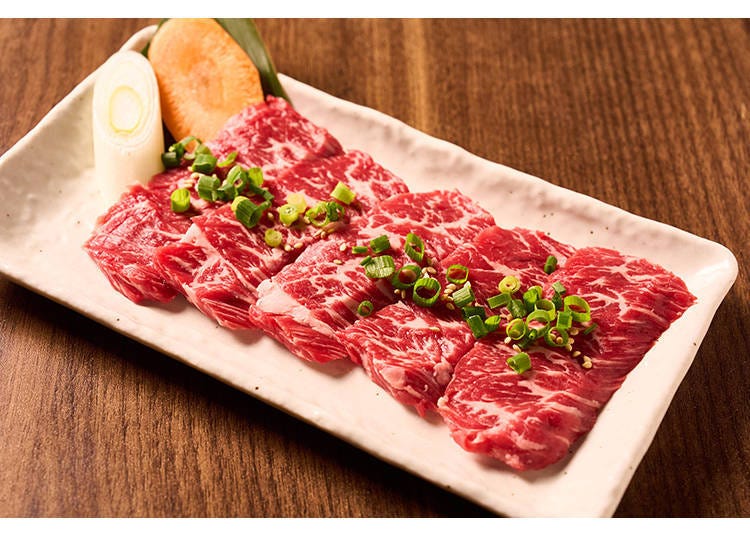
The upper skirt steak is part of the diaphragm muscle. It may be classified as offal, but its flavor is closer to regular meat. With very minimal fat, it tastes better with each bite.
5. Tripe (Mino/ミノ): A Classic Offal Cut Valued for Its Texture
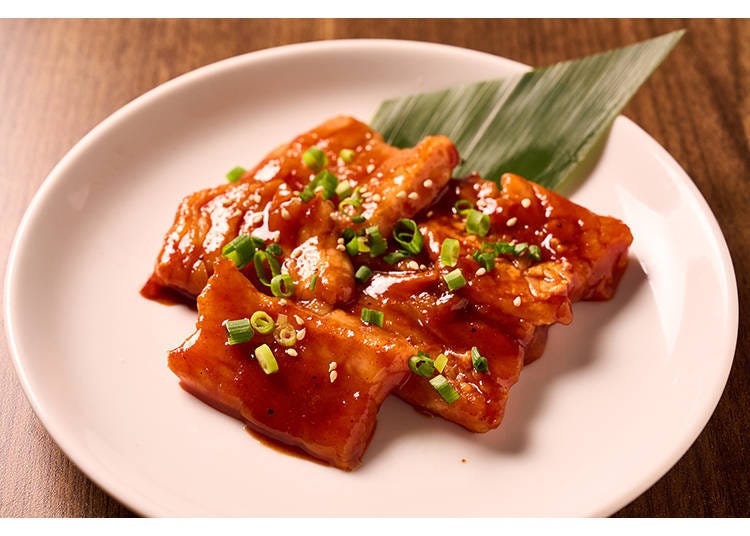
The tripe, the cow’s first stomach, is thick with a chewy texture and a mild, refined flavor.
6. Liver (Reba/レバー): A Bold Cut with a Deep, Addictive Flavor
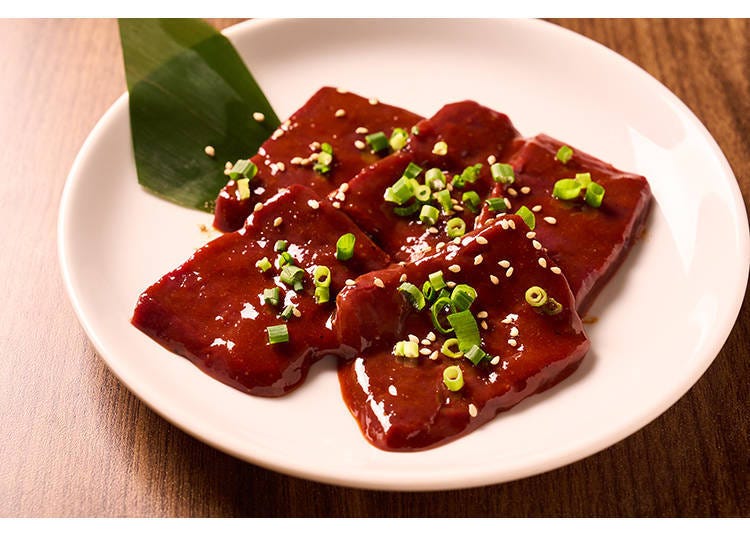
Liver is known for its unique flavor and springy texture. It pairs perfectly with a sweet and savory sauce, and liver lovers will definitely be addicted to it.
7. Large Intestine (Shimacho/シマチョウ): Juicy Fat and a Springy Bite
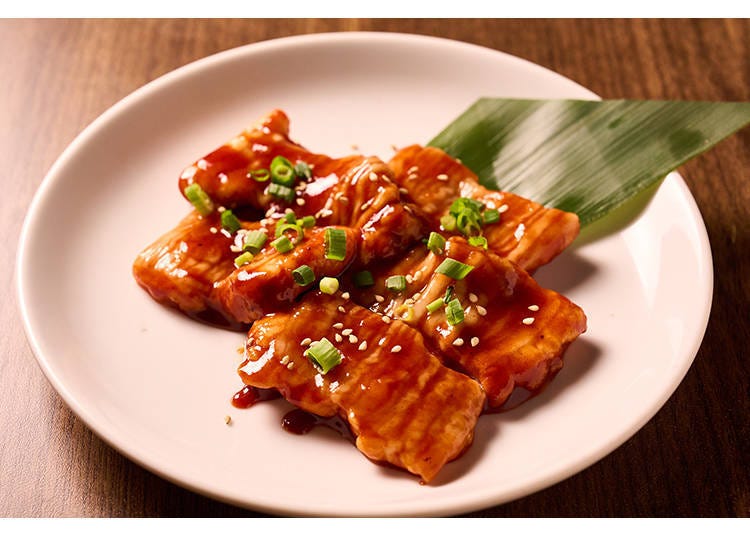
Shimacho refers to the cow’s large intestine and is characterized by its striped patterns. You can enjoy its delicious, springy, and juicy texture.
8. Shoulder Loin (Zabuton/ザブトン): A Richly Flavored, Well-Marbled Shoulder Cut
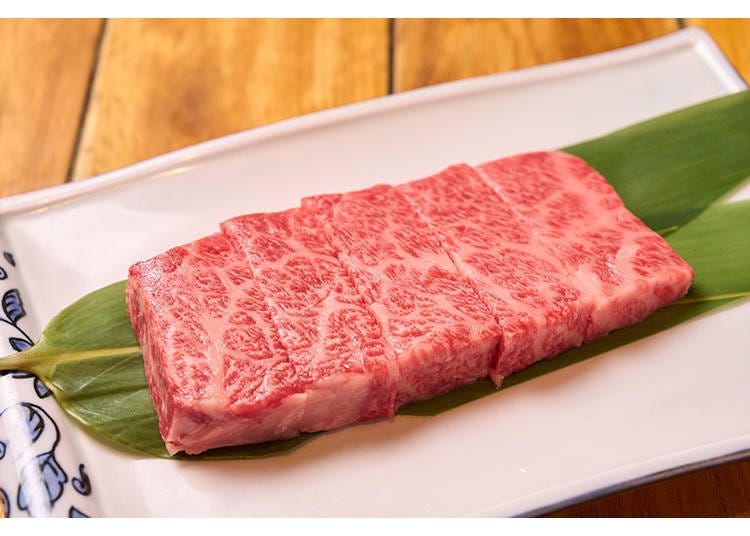
Zabuton refers to the center of the shoulder loin. It has a lot of marbling, and its soft texture and rich flavor are the best parts. It can also be served thinly sliced.
9. Rump (Rumpu/ランプ): A Lean Cut That Highlights Beefy Flavor
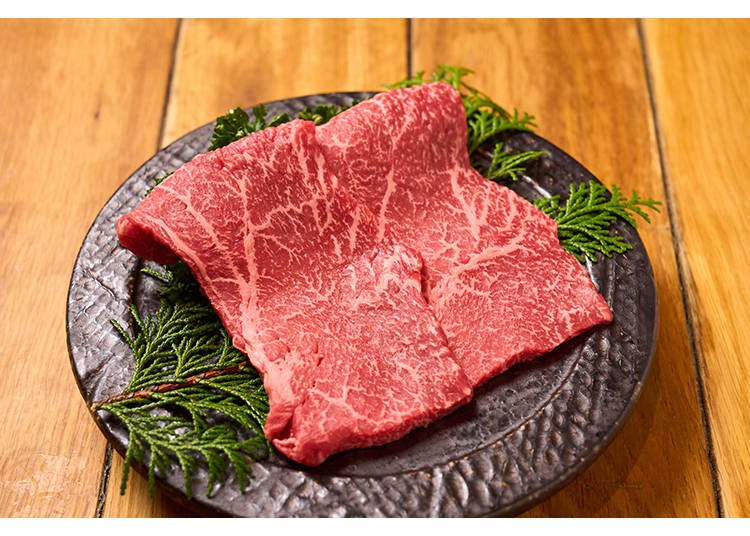
The rump is the section from the hip to the thigh. It may have minimal fat, but the meat is tender, with the distinctive taste of lean cuts and an addictive chew.
10. Sirloin (Saro-in/サーロイン): Luxurious Marbling and a Melt-in-Your-Mouth Texture
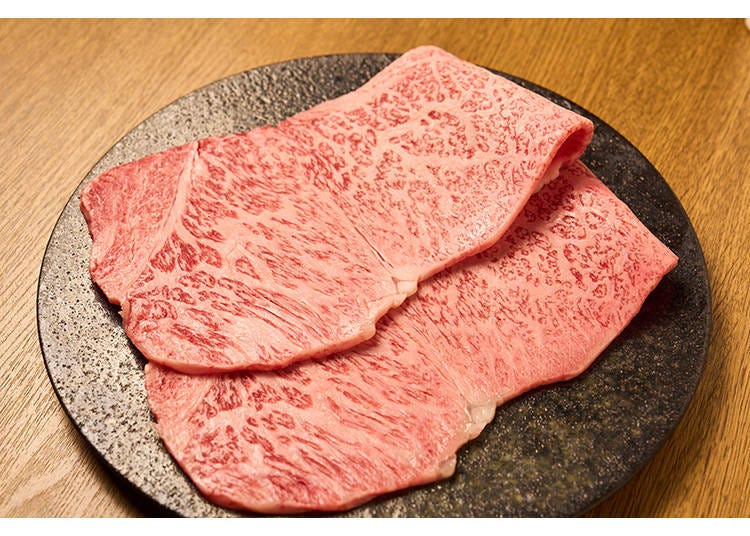
Sirloin is located in the center of the cow’s back. Marbling develops easily due to minimal muscle movement in that area, which results in a rich flavor and a texture that melts in your mouth.
(Rare Cuts) 1. Chateaubriand (Shatoburian/シャトーブリアン): The Ultimate Expression of Tenderness
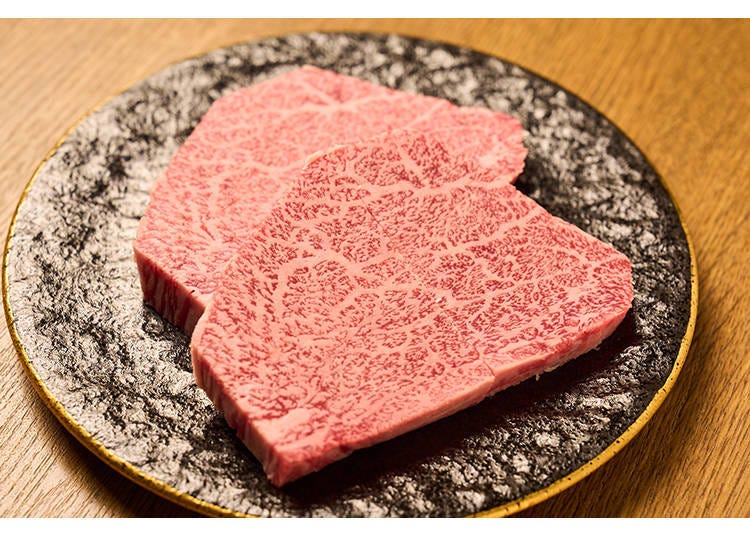
Chateaubriand is a rare cut from the center of the tenderloin. With its fine marbling, it melts as soon as you bite into it.
2. Blade Steak (Misuji/ミスジ): A Refined Balance of Lean Meat and Marbling
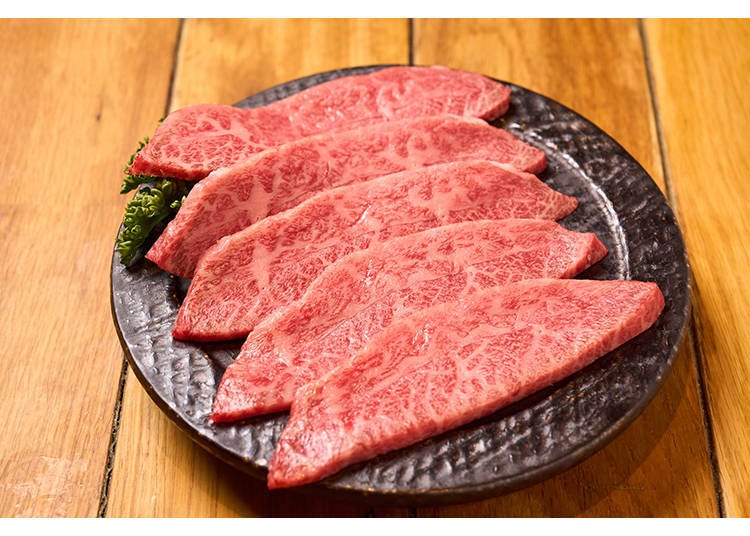
Blade steak is located behind the shoulder blade. It is mostly lean, but it also features fine marbling, resulting in a complex flavor.
3. Ribeye (Ribu Rosu/リブロース): A Premium Cut That Showcases Wagyu’s Depth
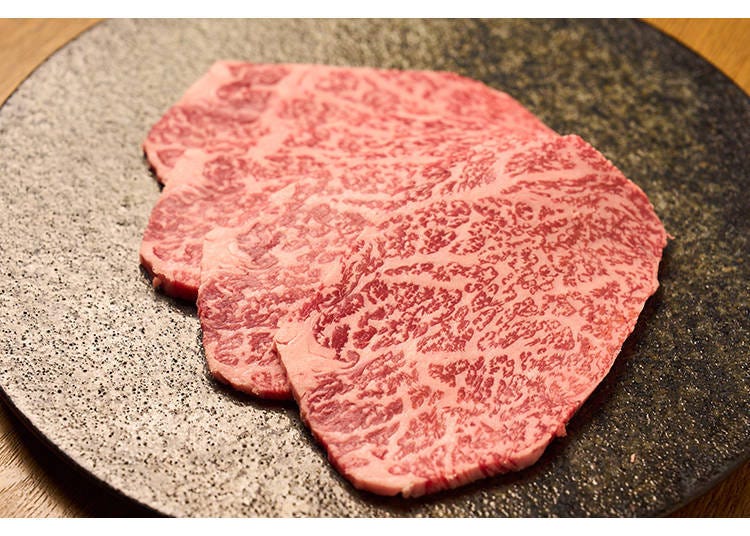
The rib eye steak is a cut from the back of the beef, close to the shoulder, with thick meat and a rich taste. Its aroma and deep flavor are unique to wagyu.
4. Knuckle (Shinshin/しんしん): Juicy, Elegant Lean Meat
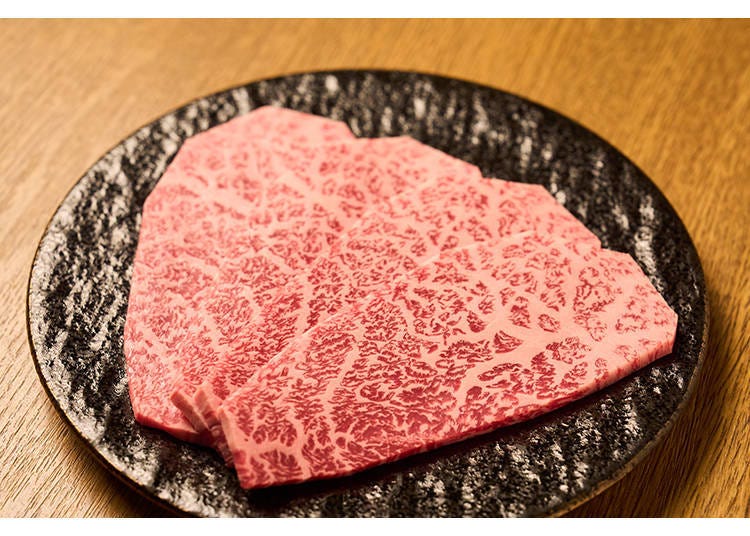
The knuckle, part of the thigh meat, has fine marbling, tender lean meat, and juices that burst in your mouth with each bite.
5. Tri-Tip (Tomo Sankaku/トモサンカク): The Best of Lean Meat and Marbling
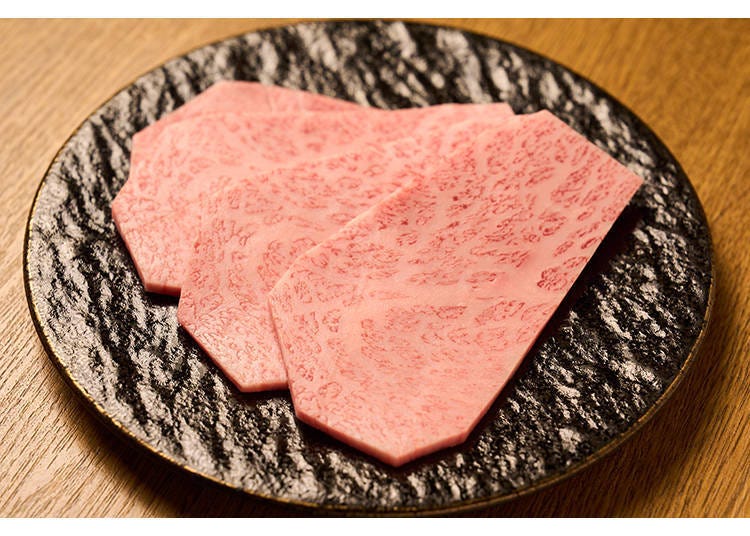
The tri-tip is also found in the thigh. With its marbling, which is rare for thigh cuts with mostly lean meat, it offers a smooth, melt-in-your-mouth texture.
What’s the Best Way to Grill Yakiniku? A Chef Shares His Secrets
At Japanese yakiniku restaurants, guests usually grill the meat themselves. However, if the meat is not cooked properly, its true appeal will be lost, no matter how high-quality it is. How should you grill the meat to enjoy its flavor the most?
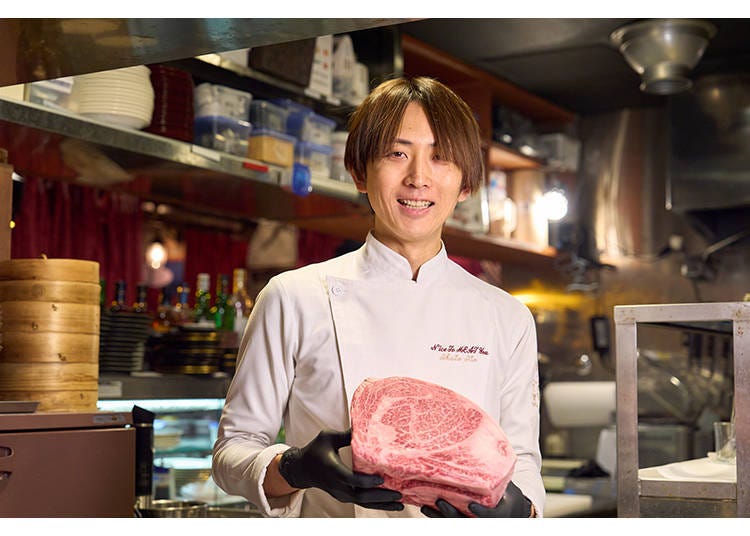
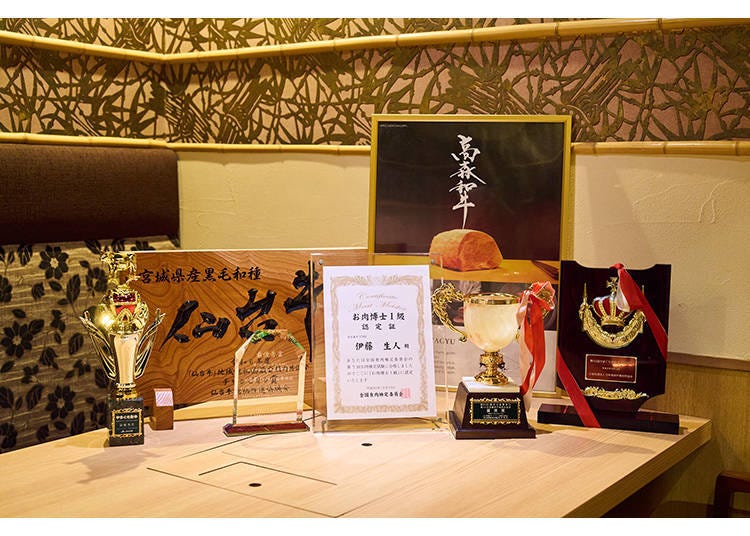
We asked Mr. Ito, the owner of Onikuya Keisuke Sannanbo in Hiroo, Shibuya. He holds the first grade of the Meat Meister title and is also a wagyu expert who selects and uses rare Takamori cattle from Yamaguchi Prefecture, as well as many other award-winning premium cuts.
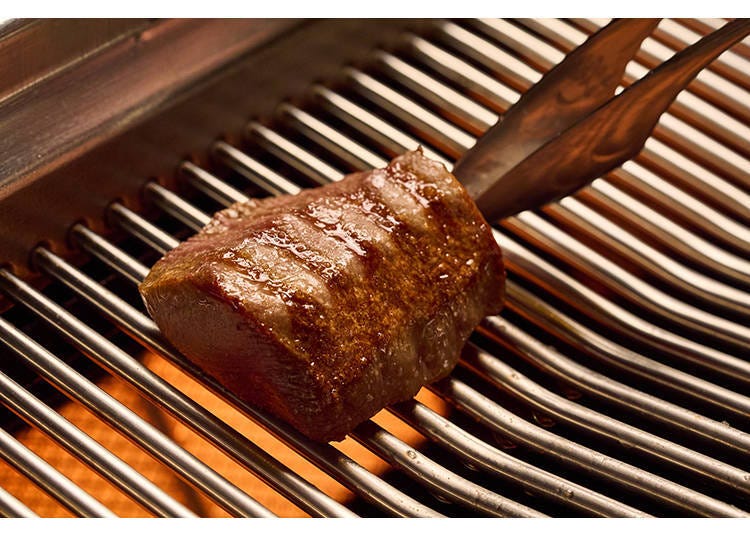
At this restaurant, Mr. Ito and his staff assess the condition and characteristics of each cut before grilling it. They have mastered the techniques required to bring out the best flavors of yakiniku by focusing on the ideal grilling time.
1. Grill the meat from the lightest to the richest taste
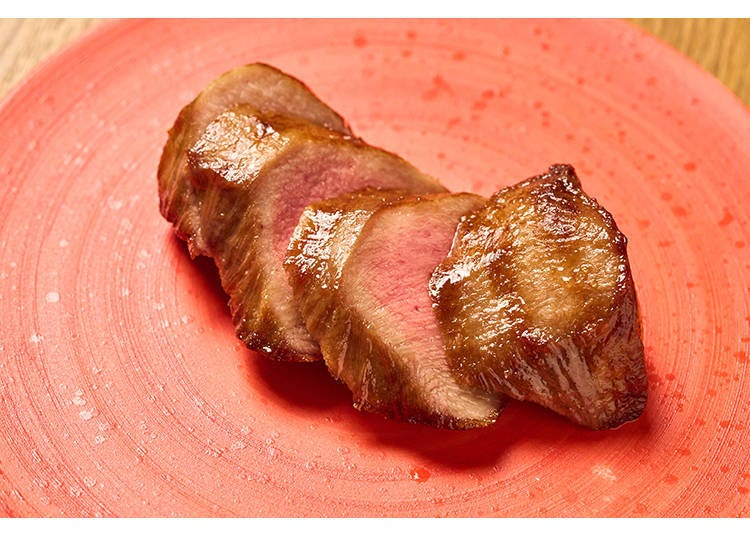
“Before eating at a yakiniku restaurant, you have to think about the grilling order. I recommend trying light-flavored cuts first. For example, you can start with lighter cuts like beef tongue or offal, before grilling loin and upper skirt steak, and finally ribs. This way, you will be able to notice the distinct textures and fat content of each cut.”
2. When to flip the meat? Watch out for the juices
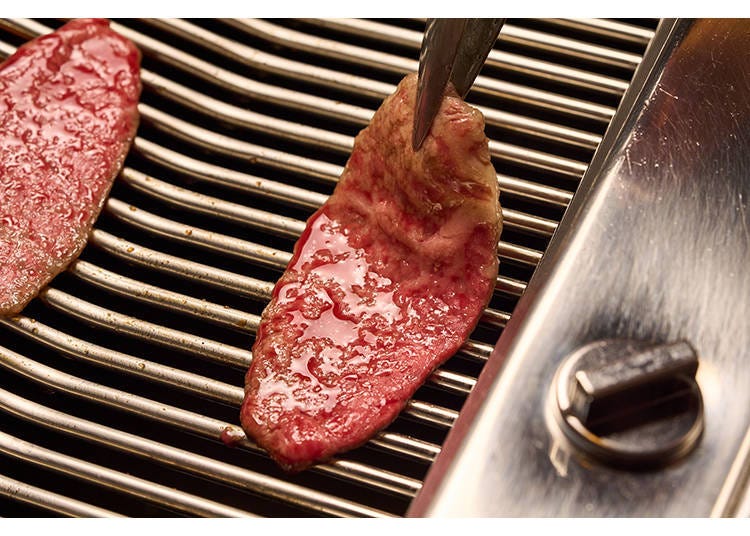
“When to flip the meat varies by cut. Leaner meat should be grilled thoroughly on one side until the juices start to rise to the surface, so flipping it once is enough. However, cuts with a lot of marbling will start to shrink little by little from the edges while they cook. This is when you should flip them. Avoid overcooking the meat, as this causes all the juices to leak out.”
3. For juicier meat, let it rest once
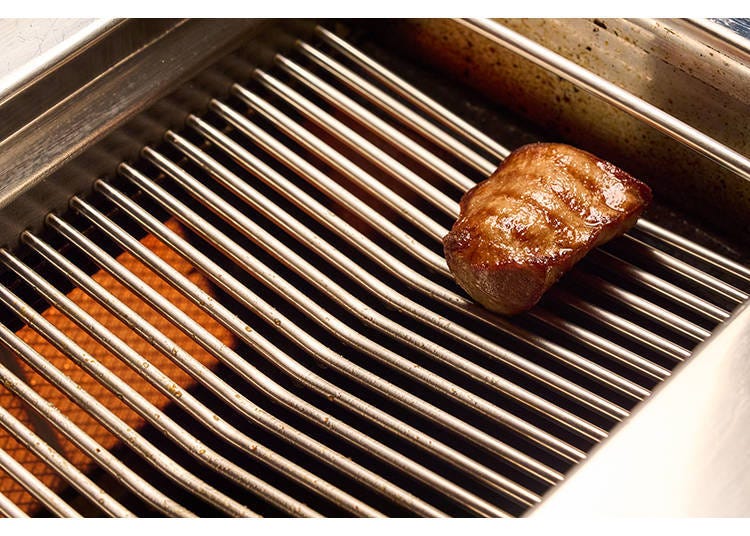
“Thicker cuts like beef tongue or upper skirt steak should not be eaten immediately after grilling but let to rest for a moment on the edge of the grill. This will make the residual heat cook them evenly, letting the juices settle for a juicier texture. This extra effort can greatly enhance your yakiniku experience.”
Simple Hacks for Even More Delicious Yakiniku
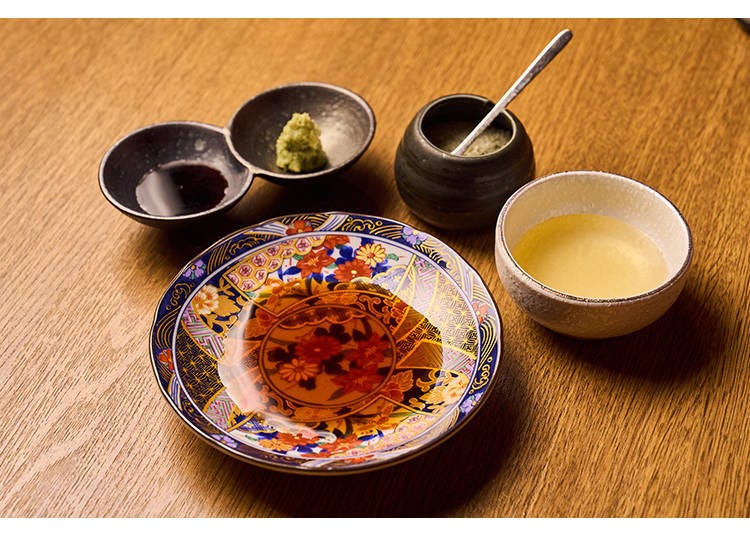
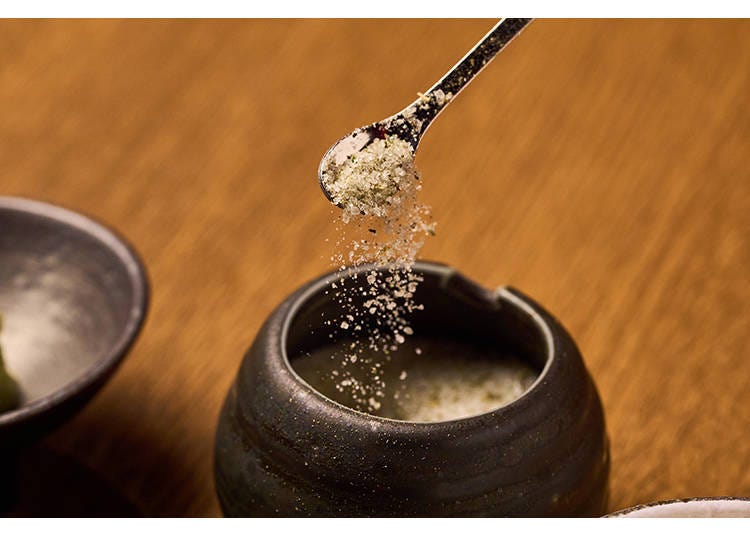
The dipping sauces and condiments are what determine how much you will enjoy yakiniku. Many restaurants create flavors to pair with specific meat textures and cuts. You can experiment with different pairings to expand your enjoyment. For example, Onikuya Keisuke Sannanbo recommends pairing beef tongue with Shio Ponzu herb salt and Chateaubriand with wasabi soy sauce to subtly enhance the meat’s flavor.
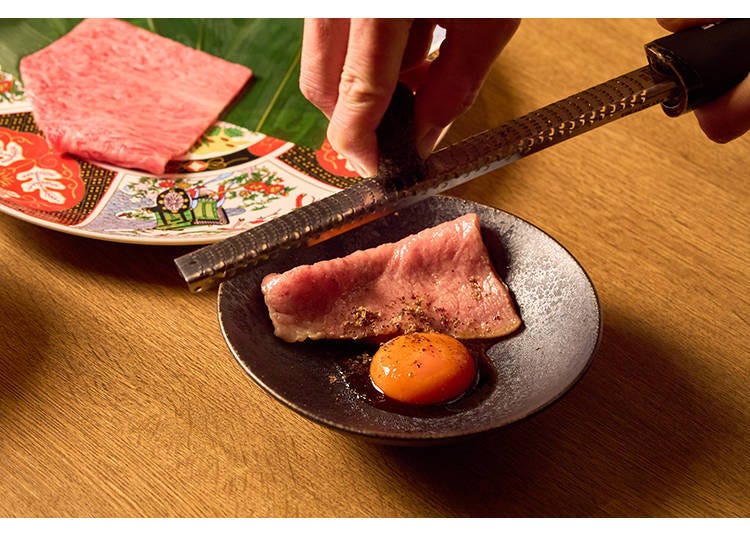
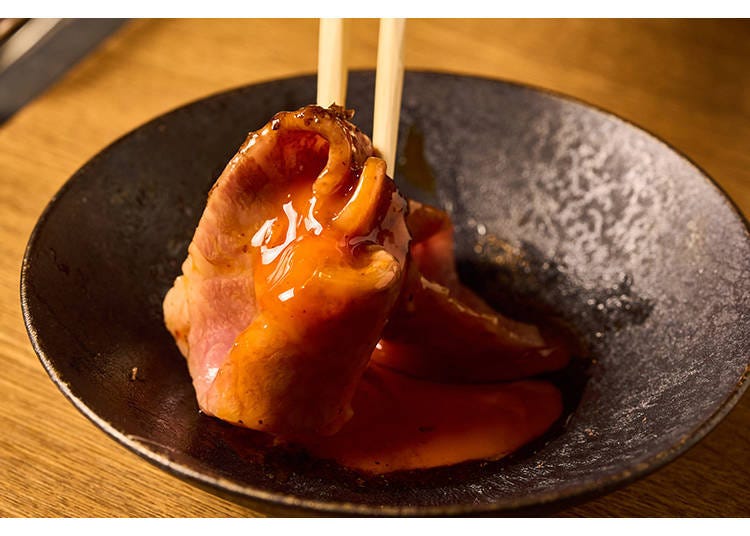
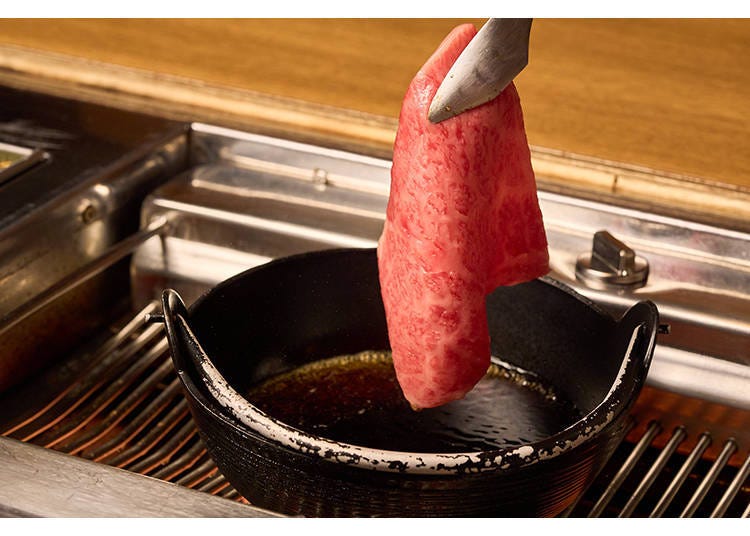
Dipping the meat in raw egg is another eating style common in Japan. This is how the “sukishabu-style” sirloin dish found on the restaurant’s course menu is enjoyed. The velvety texture of the egg makes the meat’s flavor even more intense.
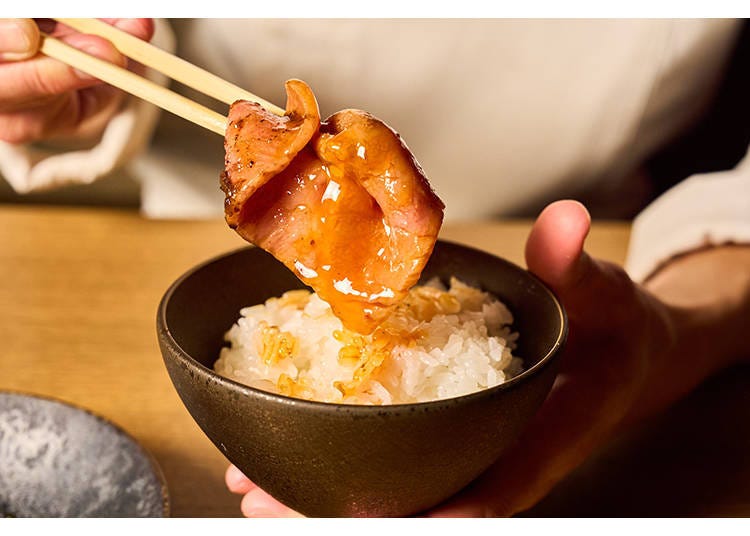
Additionally, you can pair it with plain white rice to fully savor the richness of the sauce. Place the grilled meat full of sauce on the rice before eating it, and take a bite of the rice soaked in the sauce. This is the best way to enjoy all the flavors.
Knowing Wagyu Changes the Yakiniku Experience
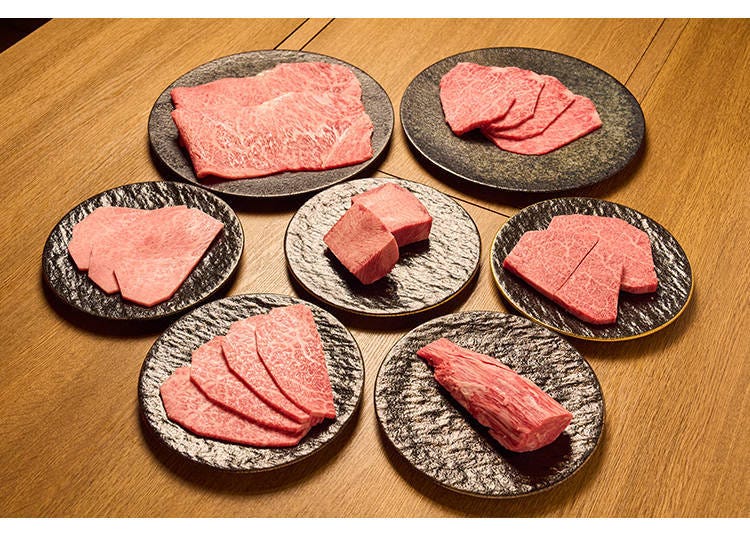
Differentiating each cut, paying attention to cooking techniques, and experimenting with different eating styles can greatly enhance the deliciousness of wagyu. In Japan, you will find many yakiniku restaurants bringing out the unique flavors of wagyu in their dishes. Make use of the knowledge you acquired through reading this article to go explore delicious yakiniku restaurants.
Featured restaurant: Onikuya Keisuke Sannanbo
Address: B1F Hongoku Building, 5-2-25 Hiroo, Shibuya, Tokyo
Access: 3-minute walk from Hiroo Station Tokyo Metro Hibiya Line
Hours: Monday to Saturday, 5:30 PM–11:30 PM (Last order at 10:30 PM)
Closed on Sundays
- Area
- Category
*Prices and options mentioned are subject to change.
*Unless stated otherwise, all prices include tax.
Popular Tours & Activitiess
-

Snow Peak: Discover the Japanese Outdoor Brand That Became a Global Obsession (and Its Best Stores)
-

SILK AND ILY DONUT: Tokyo's New, Laid-Back Waterfront Shop Is A Real Treat
by: Timothy Sullivan
-

Grand Reopening! The Edo-Tokyo Museum Returns After 4 Years: New Highlights, Interactive Tech, and Limited-Edition Goods
-
Ad
Enjoy Tokyo's Hidden Gem! Katsushika: Where Anime, Kawaii Culture & Real Tokyo Vibes Meet (2026 Guide)
by: Yohei Kato
-
2026 Japan Cherry Blossom Report: Tokyo at Peak Bloom
-

No More Getting Lost in Tokyo's Subways! The "Magic Translation Terminal" Appearing at All 171 Stations Will Revolutionize Your Journey
by: Guest Contributor
-
Essential Tokyo: The Complete Guide to Ikebukuro Station
-
Dining at Tokyo Station: Best Restaurants for Yakiniku, Sushi, Ramen & More
by: Tiffany YU
-
Tokyo Roppongi|Roppongi Station Area Map & Sightseeing Information
-

Exploring Tokyo Station: 11 Must-Visit Spots Around the Heart of Tokyo
-
Budget Eats to Top-Grade Wagyu Beef: 5 Tasty Spots in Akihabara You Don't Want to Miss!
-
Dining in Tokyo: 4 Late-night Dinner Spots in Asakusa!
by: David McElhinney
- #best ramen tokyo
- #what to buy in ameyoko
- #what to bring to japan
- #new years in tokyo
- #best izakaya shinjuku
- #things to do tokyo
- #japanese nail trends
- #what to do in odaiba
- #onsen tattoo friendly tokyo
- #daiso
- #best sushi ginza
- #japanese convenience store snacks
- #best yakiniku shibuya
- #japanese fashion culture
- #best japanese soft drinks