






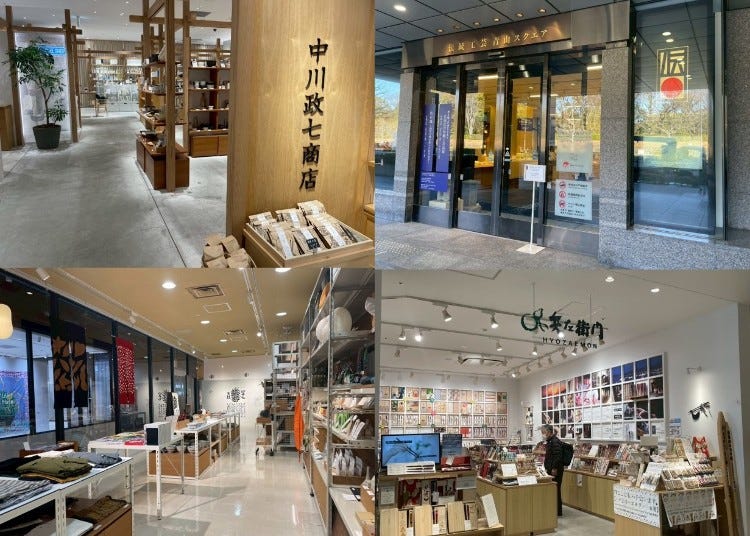
Behind the dazzling neon lights and cutting-edge technology, Japan preserves artisan skills that have been passed down for hundreds of years. The area stretching from Shibuya to Omotesando and Aoyama is home to a dense concentration of refined shops that reinterpret these “Traditional Crafts” for modern lifestyles.
Unlike mass-produced goods, handcrafted crafts carry warmth and beauty that only human hands can create. They make exceptional souvenirs that vividly color the memories of your journey. Go and find a piece infused with the spirit of Japan.
- Table of Contents
-
- Why You Should Buy Traditional Crafts in Shibuya and Aoyama
- [Where Craftsmanship from Across Japan Converges] The Hall of Traditional Crafts
- [Modern Lifestyle] Craft Selections That Add Color to Everyday Life
- Tips for Buying Traditional Crafts Wisely and Thoughtfully
- Bring the Heart of Japan and the Spirit of Its Artisans into Your Everyday Life
Why You Should Buy Traditional Crafts in Shibuya and Aoyama
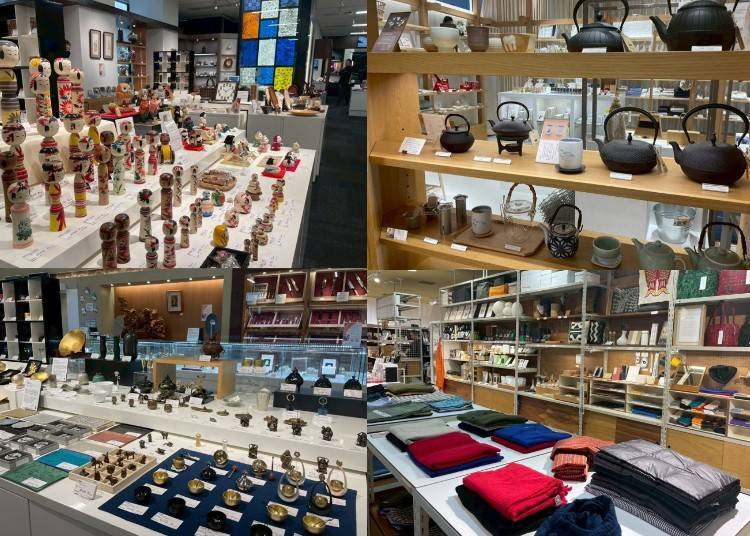
• A National Hub — The “Gateway to Crafts”
There is a public center that brings together traditional crafts from across Japan, allowing you to compare and appreciate works of the highest quality all in one place, without having to travel to regional production areas.
• Modern Selections That Embrace the “Beauty of Utility”
Rather than mere decorative pieces, many shops curate practical crafts designed to blend naturally into contemporary dining tables and interiors, offering items that can be used and enjoyed in everyday life.
• A Perfect Area for Strolling
As you walk from the vibrant bustle of Shibuya to the calmer Aoyama district, you’ll find gallery-like shops scattered along the way—quiet spaces where you can take your time and engage in a thoughtful dialogue with each piece.
[Where Craftsmanship from Across Japan Converges] The Hall of Traditional Crafts
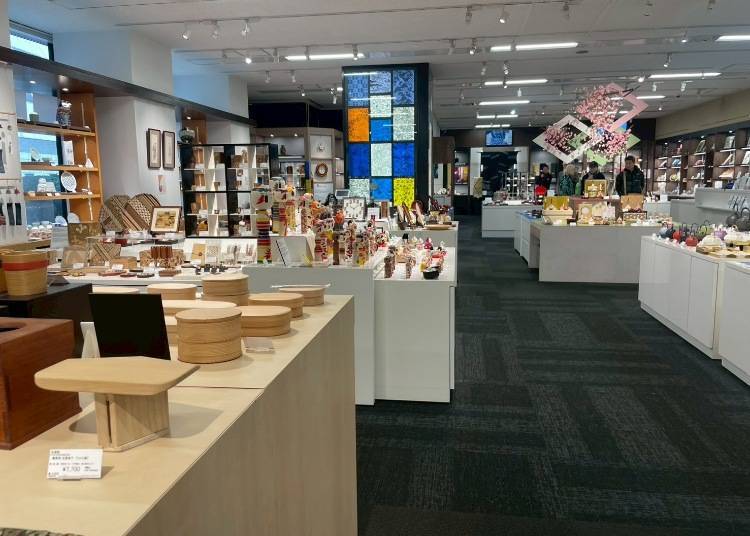
The Headquarters of Japanese Crafts: Traditional Crafts Aoyama Square
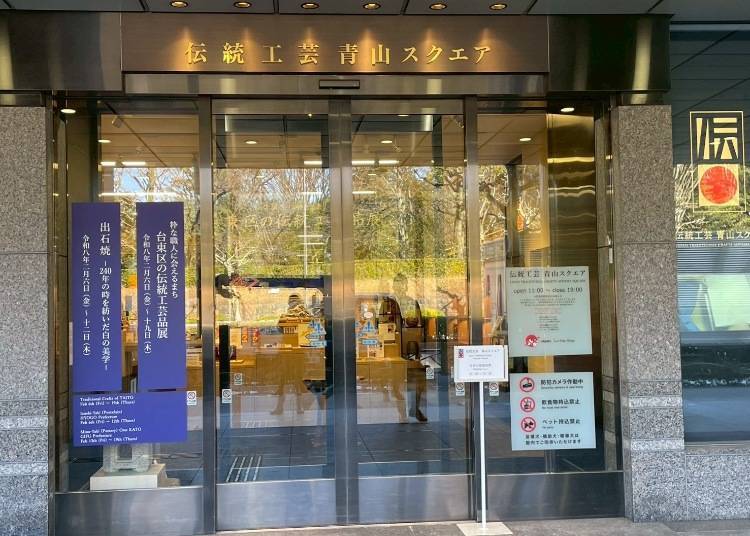
Come here, and you will encounter the “authentic” crafts of all Japan. It is the only gallery-style shop in the country that brings together government-designated traditional crafts in one place.
Only exceptional pieces that meet rigorous standards are displayed—ceramics, lacquerware, kokeshi dolls, washi paper, cutlery, and more. Live demonstrations by artisans are sometimes held, allowing visitors to experience the history and craftsmanship firsthand.
Just three stops from Shibuya Station on the Tokyo Metro Ginza Line, it’s also an enjoyable walk from Shibuya. Trusted by visitors from around the world who seek genuine quality, this is a destination where you can feel confident you won’t go wrong.
-
 Traditional Crafts Aoyama Square伝統工芸 青山スクエア
- Address Minato City, Tokyo 8-1-22 Akasaka, Akasaka Oji Building 1F
Business Hours: 11:00 AM – 6:00 PM
[Modern Lifestyle] Craft Selections That Add Color to Everyday Life
Take Home the Character of All 47 Prefectures: d47 design travel store (Shibuya Hikarie)
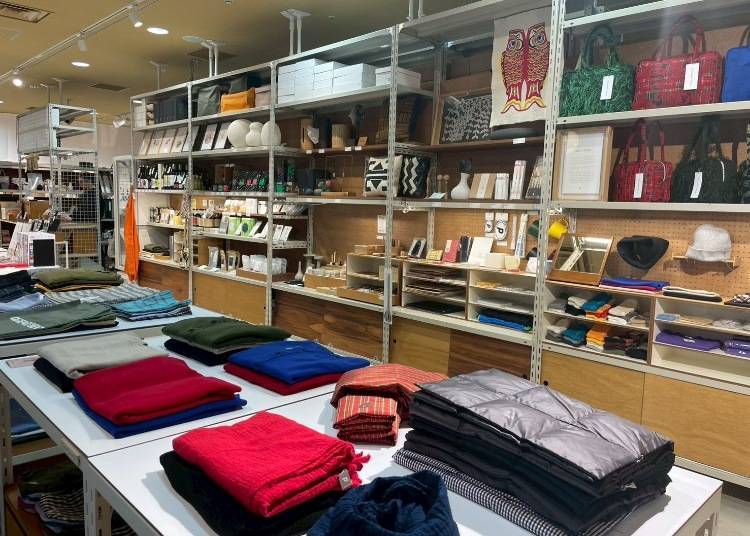
With “Long-Life Design” as its theme, the store curates crafts filled with the unique character of all 47 prefectures of Japan. The everyday tools born from each region’s climate and culture are both practical and beautiful.
You can also discover rare seasonings from across Japan and tableware accompanied by message cards sharing the makers’ thoughts—offering an experience that feels like traveling around the entire country.
On the same floor, the restaurant serves local dishes that staff members have learned directly from the regions themselves, as well as recipes filled with culinary wisdom passed down through generations.
-
d47 design travel stored47 design travel store
- Address Shibuya Hikarie 8F 2-21-1 Shibuya, Shibuya City, Tokyo
Business Hours: 12:00 PM – 8:00 PM
Japanese Tools That Refine Everyday Living: Nakagawa Masashichi Shoten Shibuya Store
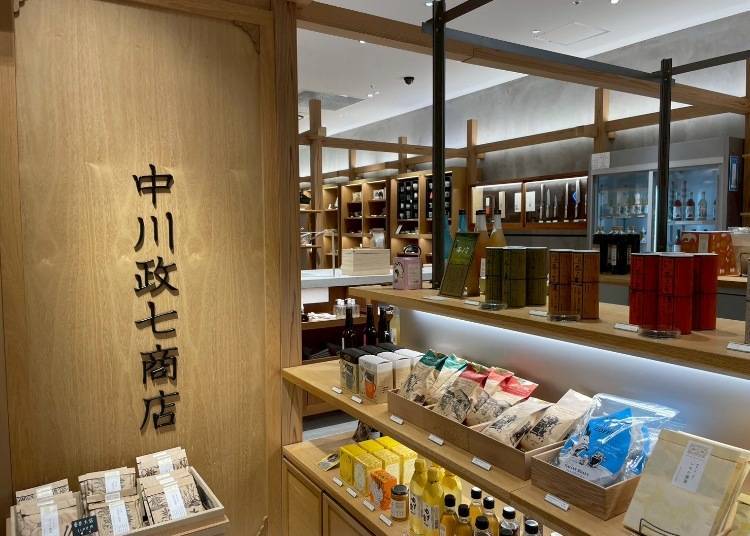
Founded in 1716, this long-established shop from Nara offers items rooted in Japanese craftsmanship, thoughtfully redesigned for modern everyday living. From linen textiles to kitchen tools that highlight the distinctive qualities of their regions of origin, the store carries a wide range of crafts in convenient sizes and prices, perfect for souvenirs.
Its signature product, the “Hana Fukin” dishcloth, is renowned for its exceptional absorbency and quick-drying properties, earning fans around the world as a practical Japanese gift. Shibuya-exclusive items such as Hachiko-themed papier-mâché ornaments and embroidered accessories combine traditional techniques with contemporary charm, making them ideal keepsakes from your trip.
With the largest retail space in the brand’s history, this store truly serves as a gateway to Japanese craftsmanship, offering an outstanding and immersive experience.
-
Nakagawa Masashichi Shoten Shibuya Store中川政七商店 渋谷店
- Address Shibuya Scramble Square 11F 2-24-12 Shibuya, Shibuya City, Tokyo
Business Hours: 10:00 AM – 9:00 PM
A Chopsticks Specialty Store the World Can Be Proud Of: Hashi Specialty Shop Hyozaemon, Shibuya Scramble Square Store
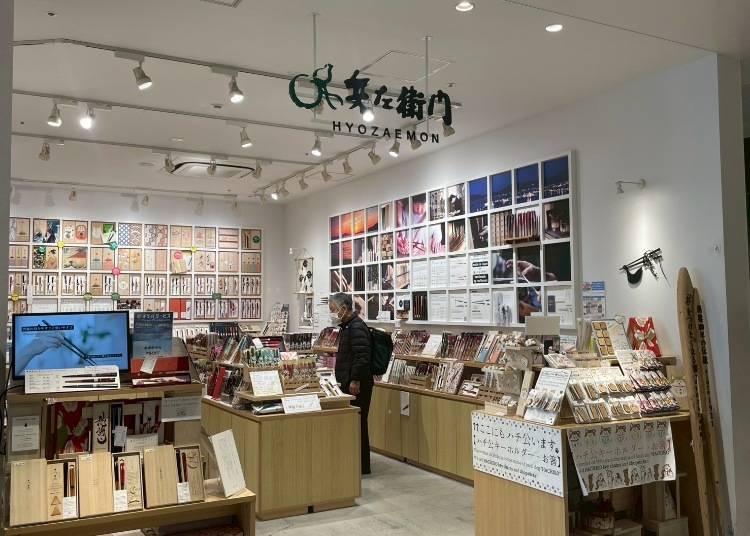
Chopsticks are an essential part of Japanese dining. The store offers hundreds of varieties crafted by artisans from across Japan, including pieces finished with lacquer and intricate raden (mother-of-pearl inlay).
With guidance from the staff, you can try holding different pairs and choose one that perfectly fits your hand—an experience that is especially popular among international visitors.
By using the on-the-spot name engraving service (available for an additional fee), you can create a one-of-a-kind personalized souvenir.
Lightweight and easy to carry, chopsticks that you can use every day are one of the best ways to bring Japanese food culture home with you.
-
Hashi Specialty Shop Hyozaemon, Shibuya Scramble Square Store箸専門店 兵左衛門 渋谷スクランブルスクエア店
- Address Shibuya Scramble Square 14F 2-24-12 Shibuya, Shibuya City, Tokyo
In Search of Pure Beauty: Found MUJI Aoyama
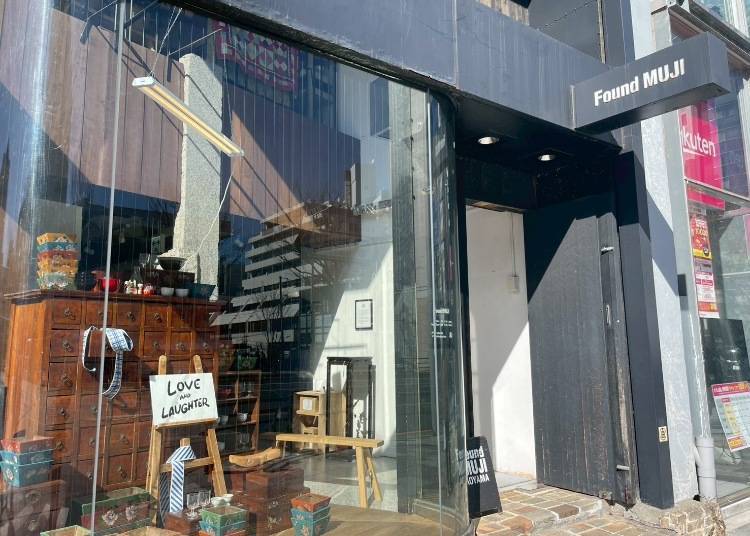
This is a MUJI project dedicated to rediscovering traditional everyday items from around the world. At the Aoyama store, you’ll find baskets, tableware, and other tools crafted by anonymous artisans from across Japan, each embodying an unadorned, natural beauty.
Here, you can encounter “nameless masterpieces” that highlight the inherent quality of their materials—handmade baskets and ceramics rooted in regional climates and traditions that you won’t typically find in standard MUJI stores.
For those who appreciate the “ultimate simplicity” achieved by stripping away excessive decoration, this is a place where you can most purely experience the aesthetic sensibility at the heart of Japanese living culture.
-
Found MUJI AoyamaFound MUJI 青山
- Address Nakajima Building 1F–2F 5-50-6 Jingumae, Shibuya City, Tokyo
Business Hours: 12:00 PM – 8:00 PM
Tips for Buying Traditional Crafts Wisely and Thoughtfully
• Look for the “Traditional Craft” Mark
Crafts designated by the Japanese government bear a gold “Traditional Mark.” This signifies that they meet strict criteria, including over 100 years of history, handcrafted production, and the use of natural materials.
• Request Proper Packing
Ceramics and lacquerware are delicate. Most shops will carefully pack items to withstand international shipping, but be sure to mention that they are “Fragile” and consult with the staff about whether to carry them on board or check them in your luggage.
• Check Care Instructions
Lacquerware is sensitive to dryness, and iron kettles require proper maintenance to prevent rust. Be sure to ask for care instructions to ensure you can enjoy them for years to come.
Bring the Heart of Japan and the Spirit of Its Artisans into Your Everyday Life
Japanese traditional crafts are not merely “objects.” They are crystallizations of prayer—born from the long discipline of artisans and their deep respect for nature.
A piece you encounter in the refined shops of Shibuya or Aoyama will gradually grow familiar in your hands the more you use it, gaining beauty over time.
Seek out a one-of-a-kind craft that transcends trends, and take it home as a lifelong companion on your journey.
- Area
- Category
*Prices and options mentioned are subject to change.
*Unless stated otherwise, all prices include tax.
Popular Tours & Activitiess
Recommended places for you
-
Ueno Zoo (Ueno Zoological Gardens)
Zoos, Aquariums & Botanical Gardens
Ueno
-
The Imperial Palace
Other Architecture
Tokyo Station
-
Shibuya Crossing
Downtown
Shibuya
-

Tokyo Disney Sea®
Theme Parks
Chiba Suburbs
-
Sealy Bed Tokyo Showroom
Home Decor Stores
Harajuku
-
Naritasan Shinshoji Temple
Temples
Narita
-
Top 3 OSHI MAPs for the Best Matcha and Sweets in Tokyo
by: Guest Contributor
-
Ad
What Makes Japanese Yakiniku So Darn Good? Guide to Cuts, Heat, and Wagyu Know-How
-
At This Zen Hideaway in Shinjuku,Master the Way of Tea with English Guidance,Matcha,and Wagashi This April
by: Guest Contributor
-

To the Holy Land of Kawaii! Odakyu Tama Center Station Is Becoming a Dreamy Sanrio Wonderland
by: Guest Contributor
-
Where to Buy a Japanese Kitchen Knife? Why Travelers Choose MUSASHI JAPAN's 14 Stores in Tokyo, Kyoto, and Nara
by: Guest Contributor
-
From Haneda to Monchhichi's Hometown! Scenic Monorail Ride & Katsushika 'Old Downtown' Walk
by: Guest Contributor
-
Tokyo Tsukiji|Tsukiji Area Map & Sightseeing Information
-
Guide to Tokyo's Old Quarter: 7 Quaint Spots in Yanesen!
-
(Video) Walking Tour along Narita Omotesando - Quaint Historical Village near Narita Airport!
by: Victor Gonzalez
-

What to Pack for Japan: 8 Essential Things for a Hassle-Free Trip
-
Tokyo Roppongi|Roppongi Station Area Map & Sightseeing Information
-

Atami 1-Day Itinerary: Exploring Japan's Castle & Hot Springs Resort Town Near Tokyo!
- #best ramen tokyo
- #what to buy in ameyoko
- #what to bring to japan
- #new years in tokyo
- #best izakaya shinjuku
- #things to do tokyo
- #japanese nail trends
- #what to do in odaiba
- #onsen tattoo friendly tokyo
- #daiso
- #best sushi ginza
- #japanese convenience store snacks
- #best yakiniku shibuya
- #japanese fashion culture
- #best japanese soft drinks