





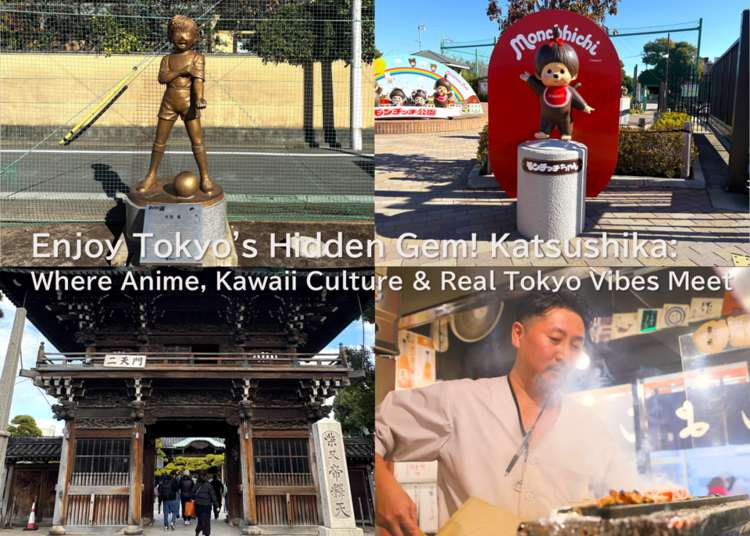
Enjoy Tokyo's Hidden Gem! Katsushika: Where Anime, Kawaii Culture & Real Tokyo Vibes Meet (2026 Guide)
- Written by: Yohei Kato
Main image©Yoichi Takahashi ©SEKIGUCHI
Tokyo is a global metropolis that continues to captivate travelers from around the world. But the city is far more than the skyscrapers of Shinjuku, the neon of Shibuya, or the bustling streets of Asakusa.
Just beyond the urban rush lies an area filled with quiet charm and surprising stories. This is where world-famous tales were born, where the roots of Japan’s beloved kawaii culture still thrive, and where traditions passed down through generations remain part of everyday life.
If you’re looking to experience “Real Tokyo”, not a stage set for tourists but a neighborhood where daily life unfolds naturally, head to Katsushika Ward.
Exploring Katsushika is also a journey back to the origins of characters and stories many of us grew up with. Retro shopping streets lined with family-run stores and peaceful riverside scenery evoke a nostalgic Japan that feels familiar from films and anime.
In this guide, we introduce four distinctive areas where fiction and real life blend seamlessly: Yotsugi and Tateishi, birthplace of a beloved manga; Shinkoiwa, connected to a globally popular character; Shibamata, where traces of old Edo remain; and lively Kameari.
To begin your Katsushika adventure, make your way to Yotsugi Station, closely tied to the legendary soccer manga Captain Tsubasa, a series that helped spark a worldwide football boom.
- Table of Contents
-
- Your Journey Through Katsushika Begins at Yotsugi Station: The Land of Captain Tsubasa
- The Shin-Koiwa Area: Tokyo’s "Toy Town" and the Global Origins of "Kawaii"
- Katsushika Shibamata: Where Tradition, Japanese Culture, and the Warmth of the Local Spirit Endure
- From the Setting of a National Icon to the Glow of Red Lanterns: Strolling Through Kameari, a District Defined by Warmth and Vitality
- Concluding Your Journey Through Katsushika City
Your Journey Through Katsushika Begins at Yotsugi Station: The Land of Captain Tsubasa
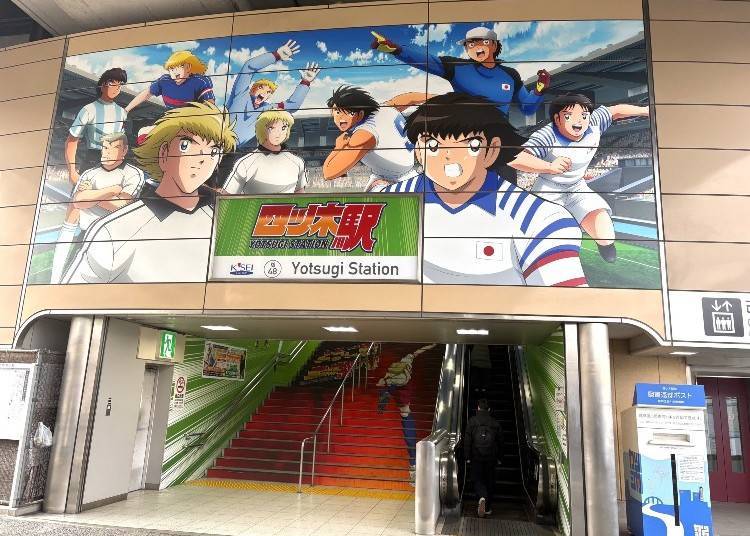
Just a short ride on the Keisei Line from central Tokyo brings you to Yotsugi Station, tucked away on the city’s eastern edge. Step off the train and you’ll find yourself immersed in the world of the legendary soccer manga Captain Tsubasa, a series that captured the hearts of fans around the globe.
The station floor is designed like a vivid green soccer pitch, while overhead, a dynamic scene of Tsubasa Ozora and Taro Misaki’s iconic “Twin Shot” greets visitors. Be sure to listen closely when trains arrive and depart as well. The station melody features Moete Hero, the anime’s theme song, instantly transporting fans straight into the story.
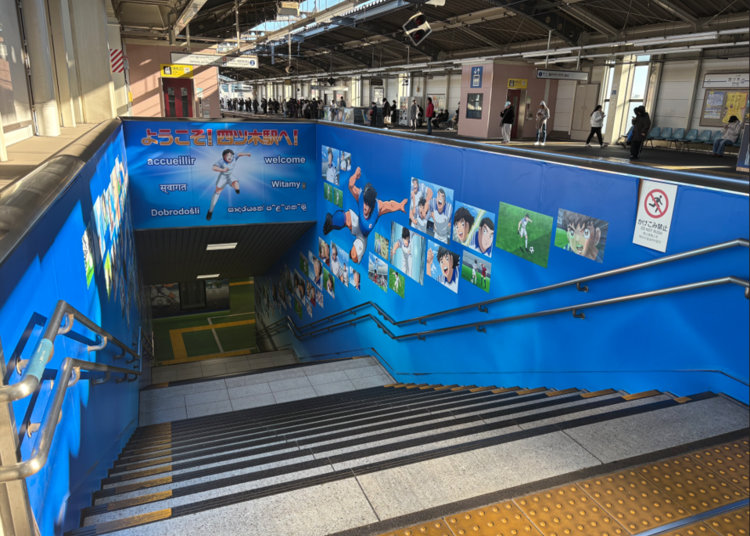
So why has Yotsugi become such a special place for Captain Tsubasa? The answer is simple: this is the hometown of the series’ creator, manga artist Yoichi Takahashi. The neighborhood where he was born and raised became the foundation for the story that would inspire soccer fans around the world.
The playful touches continue outside the station. Take a look at the convenience store in front of the exit and you’ll spot a soccer ball seemingly embedded in the shop’s sign. It feels as if one of Tsubasa’s powerful shots has burst through the world of manga and landed right in the middle of the real street.
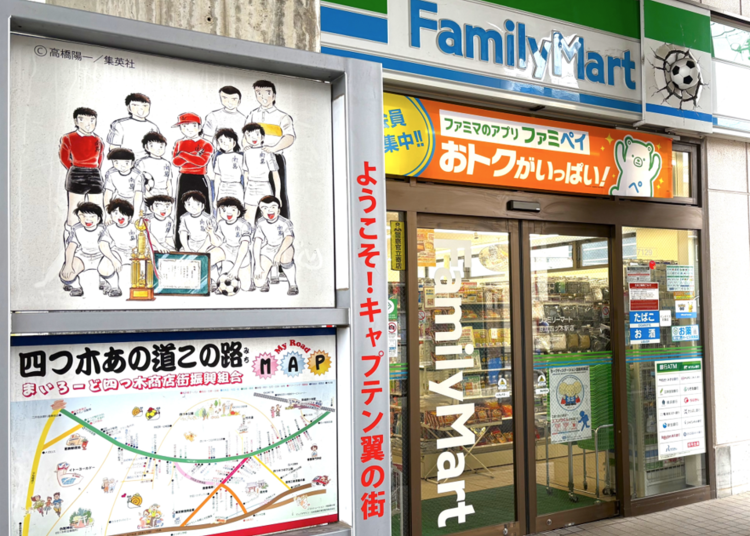
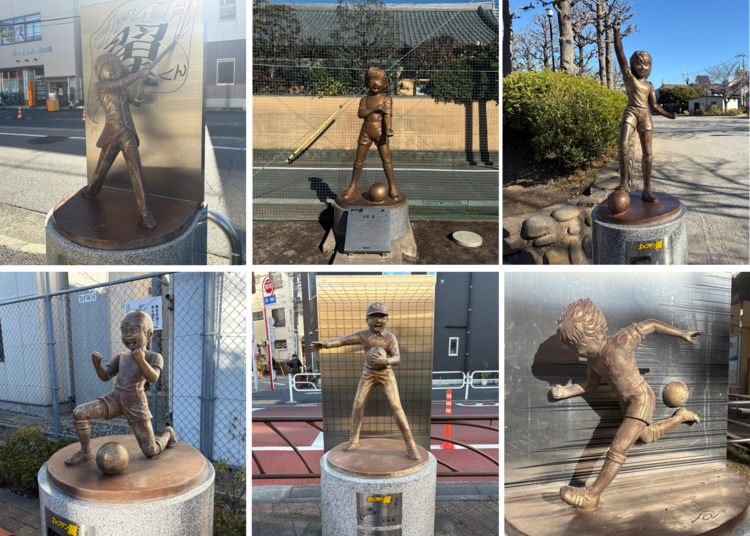
The Nine Captain Tsubasa Statues Scattered Throughout the Yotsugi and Tateishi Areas
One of the biggest highlights of exploring this area is hunting down the nine bronze statues of Captain Tsubasa characters. Scattered between Yotsugi Station and neighboring Keisei Tateishi Station, each statue captures a moment of action, as if the characters might spring to life at any second.
Katsushika Ward has even created an English “Captain TSUBASA Bronze Statue MAP,” available at Yotsugi and Keisei Tateishi stations, with a digital version you can download as well. It’s the perfect companion for a fun, self-guided character quest through the neighborhood.
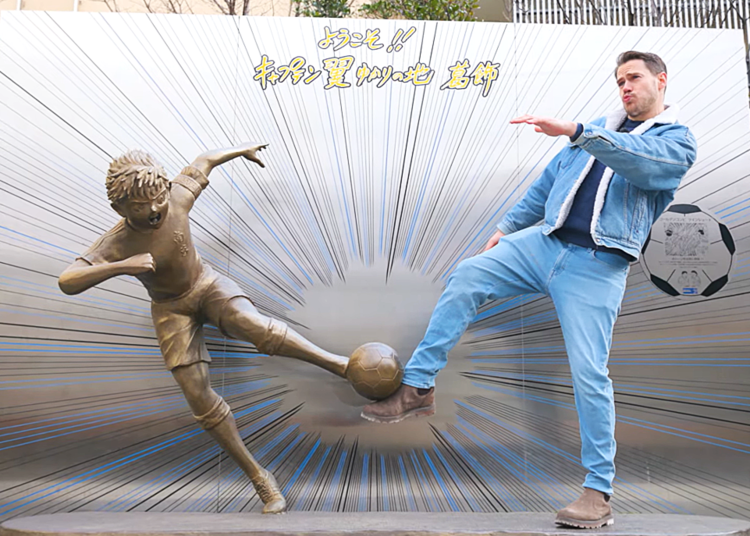
A must-see highlight of your walk is the iconic “Twin Shot” statue, installed beside the main gate of Tokyo Metropolitan Minami-Katsushika High School, the alma mater of the series’ creator.
Strike a pose as if you’re firing off a shot alongside the characters and snap a photo to remember it. It’s your chance to step into one of the most famous scenes in manga history, the very moment that inspired soccer legends around the world.
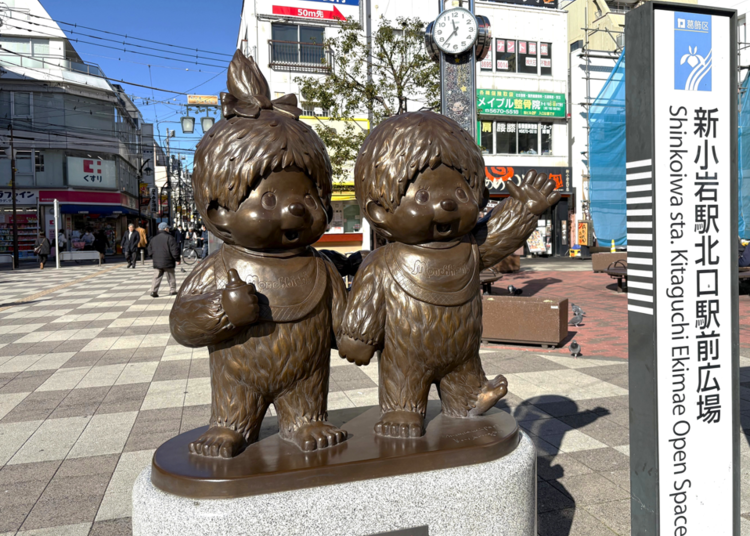
The Shin-Koiwa Area: Tokyo’s "Toy Town" and the Global Origins of "Kawaii"
After immersing yourself in the world of Captain Tsubasa and tracing the creator’s roots, hop over to JR Shinkoiwa Station to meet another beloved character: Monchhichi.
Conveniently located with easy access from central Tokyo, the area around Shinkoiwa Station is one of the liveliest in Katsushika. Stretching about 420 meters from the station’s south exit, the Lumière Shopping Street is a covered arcade lined with a wide variety of shops. A stroll here offers a glimpse into everyday local life, with residents going about their shopping beneath the all-weather roof.
Head to the north exit and you’ll be greeted by Monchhichi, the adorable character cherished around the world. A charming bronze statue stands in the plaza, colorful Monchhichi-themed manhole covers decorate the pavement, and even the clock tower features the character. Spotting these playful touches of kawaii throughout the neighborhood is part of the fun.
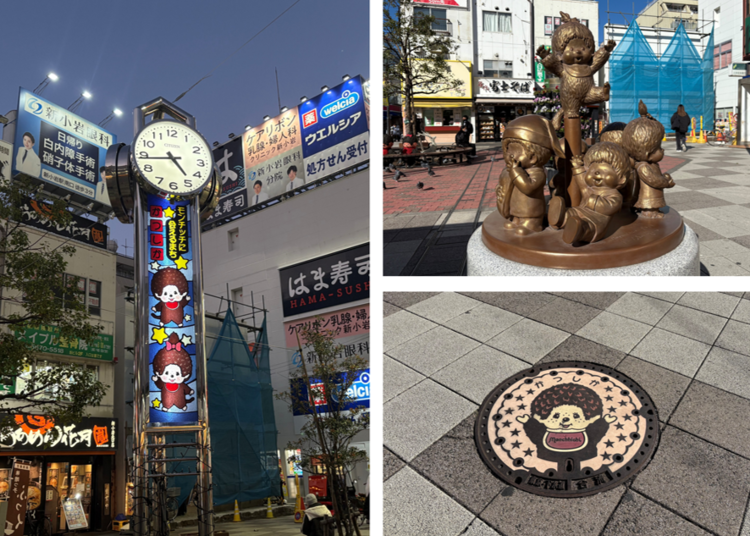
Katsushika’s abundance of beloved characters is no coincidence. The area once flourished as one of Japan’s leading “toy towns.” After a celluloid factory was established here in the Taisho era, the neighborhood grew into a major center for toy production, gaining recognition both in Japan and abroad.
One company that symbolizes this legacy is Sekiguchi, headquartered in Katsushika and the maker of Monchhichi, first introduced in 1974. The character quickly found success overseas, becoming especially popular across Europe. Decades later, Monchhichi has enjoyed a major revival, sparked in part by global pop icons sharing the character on social media, fueling a surge of enthusiasm among Gen Z fans in Asia.
From this corner of Tokyo, a culture of kawaii has continued to travel across generations and borders, captivating the world time and again.
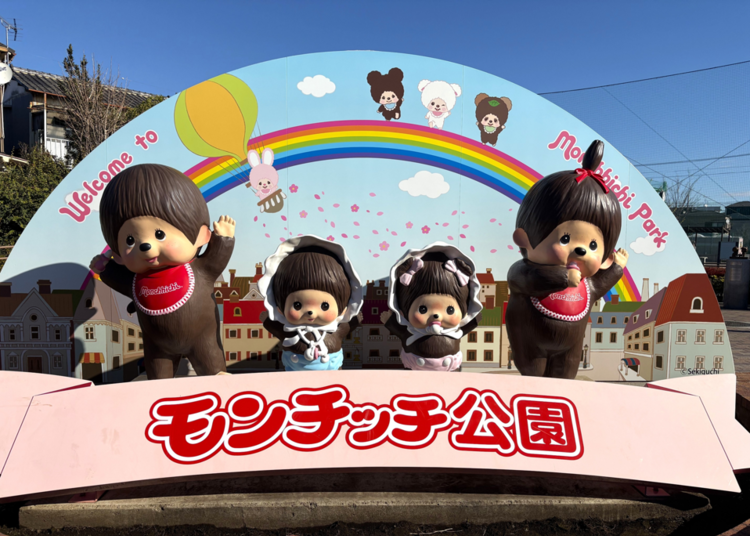
The Legacy of a World-Class "Toy Town" and the Playful Spirit Hidden Within Its Streets
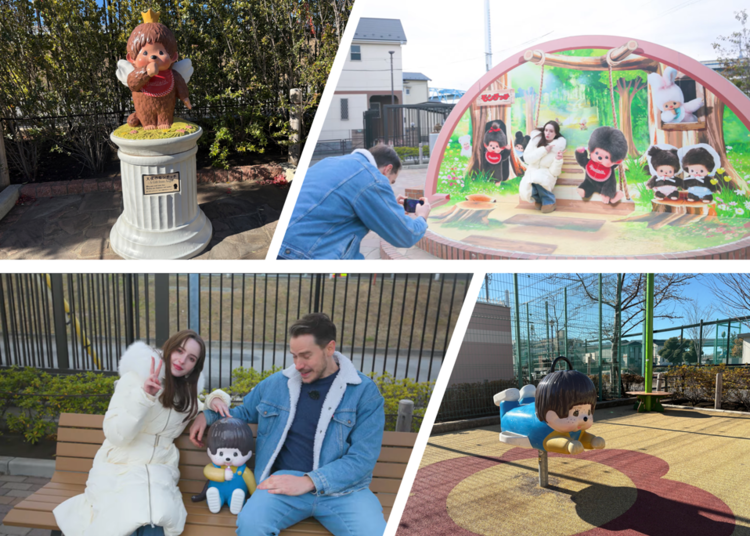
Easily reached from Shinkoiwa Station, Monchhichi Park (Nishi-Shinkoiwa 5-Chome Park) stands on the former site of the Sekiguchi factory, making it a meaningful stop for fans.
The park features Monchhichi bronze statues in various sizes, along with a small museum space, creating a cheerful spot where both adults and children can relax. As you wander through the grounds, it’s easy to imagine the countless toys once produced here and reflect on the area’s role in shaping Japan’s beloved character culture.
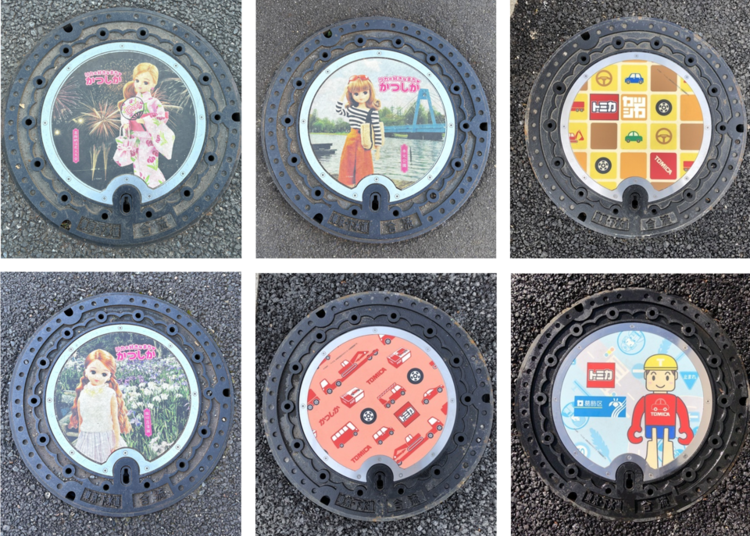
Katsushika is also home to the headquarters of Takara Tomy, the toy giant behind global hits like Licca-chan and TOMICA. Around the neighborhood, you’ll spot playful manhole covers featuring Licca-chan and TOMICA designs, subtle reminders of the area’s creative legacy.
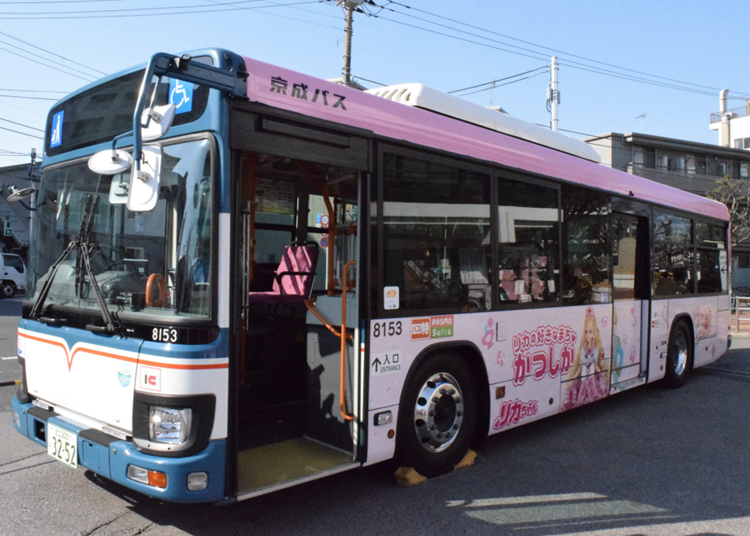
There’s even a “Licca-chan Bus” running between Kameari Station and Shinkoiwa Station, complete with on-board announcements voiced by Licca-chan herself. With its charming pink interior, the bus turns a simple ride into part of the adventure.
In Katsushika, imagination and craftsmanship remain part of daily life, offering visitors a mix of nostalgia and fresh discovery at every turn.
Katsushika Shibamata: Where Tradition, Japanese Culture, and the Warmth of the Local Spirit Endure
After exploring anime, manga, and kawaii culture, shift gears and head to the Shibamata area, where traditional Japan and warm neighborhood spirit are still very much alive.
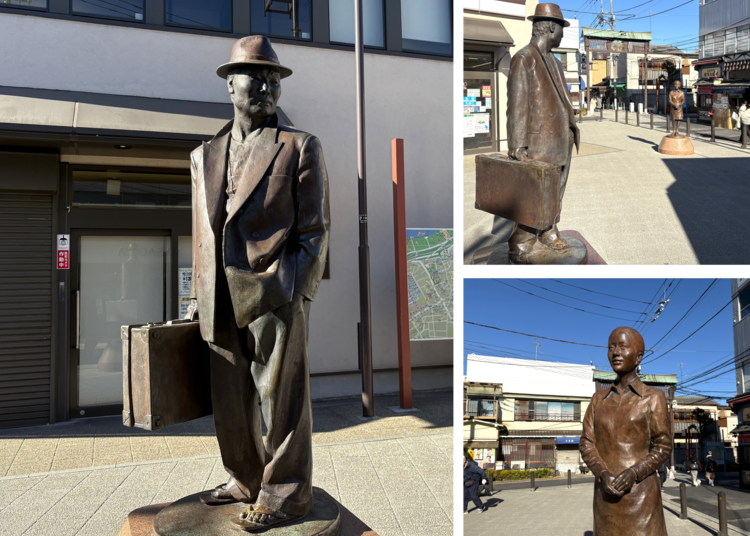
Step off the train at Shibamata Station on the Keisei Line and you’ll find yourself in a townscape that feels gently nostalgic. In the plaza outside the station stand two bronze statues depicting a touching farewell scene between a traveling older brother and his devoted younger sister, quietly welcoming visitors into this timeless district.
Tora-san and Sakura: Embodying the Beloved Spirit and Humanity of the Japanese People
These two statues depict Tora-san and his sister Sakura, beloved characters from the long-running film series Otoko wa Tsurai yo (Our Lovable Tramp). Produced over 50 years starting in 1969, the series holds a special place in the hearts of many Japanese people. Through the warm yet clumsy charm of Tora-san, the films introduced audiences nationwide to the nostalgic appeal of Shibamata.
There’s also a small ritual to try while you’re here. The statue of Tora-san in front of the station is said to bring good luck if you gently rub his left foot. So many visitors have done just that that the foot now gleams a bright gold. When you visit Shibamata, pause for a moment, make a wish, and join in this local tradition.
Strolling Through the Historic Temple Approach, Guided by Enticing Savory Aromas
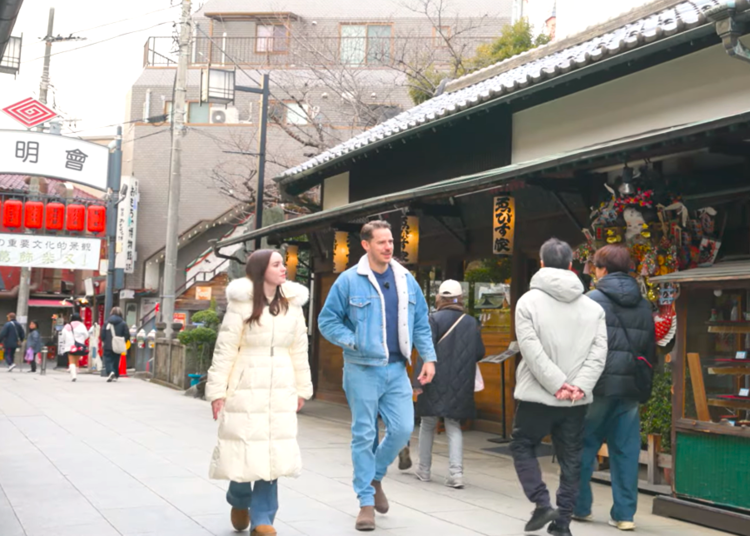
From Shibamata Station, the approach to Taishakuten Temple is lined with historic wooden storefronts. As you stroll along, you’ll catch the sweet aroma of red bean paste and the savory scent of soy sauce glazing freshly grilled rice crackers.
One local specialty you won’t want to miss is kusa dango. Made with generous amounts of fragrant yomogi mugwort kneaded into the dough, these soft green dumplings have long soothed weary travelers visiting the area.
Their origins date back to the Edo period. Shibamata once prospered as a rice-producing region, and it’s said that local farmers combined their rice with mugwort gathered along the Edogawa riverbanks to create these dumplings. Over time, offering homemade dango and senbei to visitors attending temple fairs at Taishakuten became a cherished custom, shaping the area’s distinctive food culture.
The connection runs even deeper through Our Lovable Tramp, whose hero, Tora-san, grew up in a dango shop. Today, enjoying kusa dango is an essential part of any Shibamata visit, loved across generations. With ingredients rooted in the land and a spirit of warm hospitality, the flavors of Shibamata feel especially memorable when savored at a traditional storefront steeped in history.
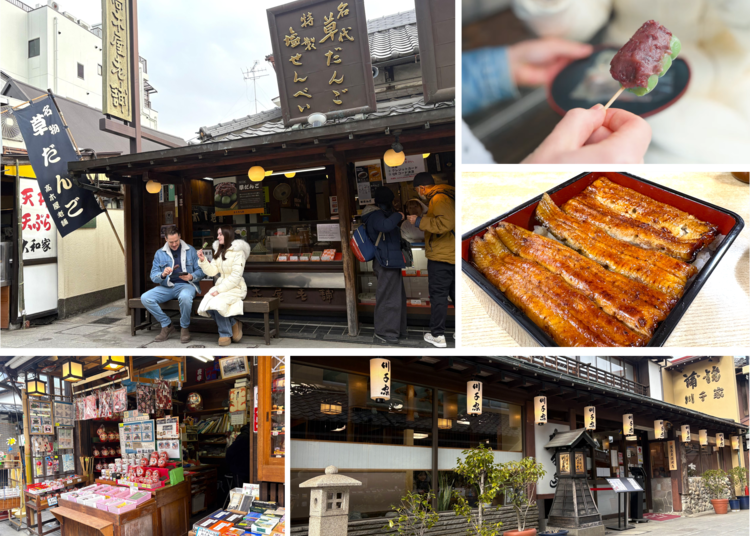
Blessed by the nearby Edogawa River, Shibamata has long been known for its eel and freshwater fish dishes. If you’re visiting around lunchtime, treat yourself to grilled unagi glazed in a time-honored sauce. Prepared by skilled artisans at long-established shops, this flavorful specialty adds another rich layer to your Shibamata experience.
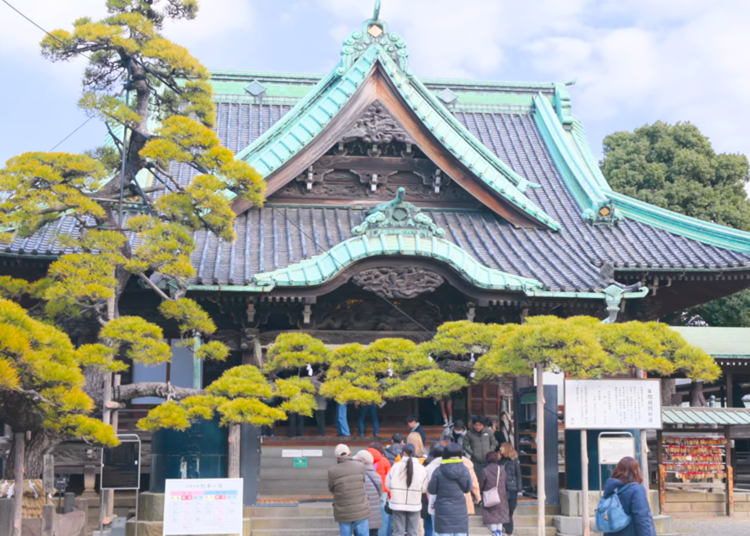
Shibamata Taishakuten Temple: Exquisite Craftsmanship and the Delight of Seeking Your Fortune
Follow the approach to its end and you’ll arrive at Shibamata Taishakuten, a temple founded in 1629 that has drawn devoted worshippers for centuries. Pass through the imposing main gate and take a quiet moment to offer a prayer in the main hall.
Afterward, be sure to admire the intricate wood carvings that cover the temple’s outer walls. Depicting scenes from Buddhist scriptures in astonishing detail, these masterful works showcase craftsmanship so refined and dynamic that they leave a lasting impression on all who see them.
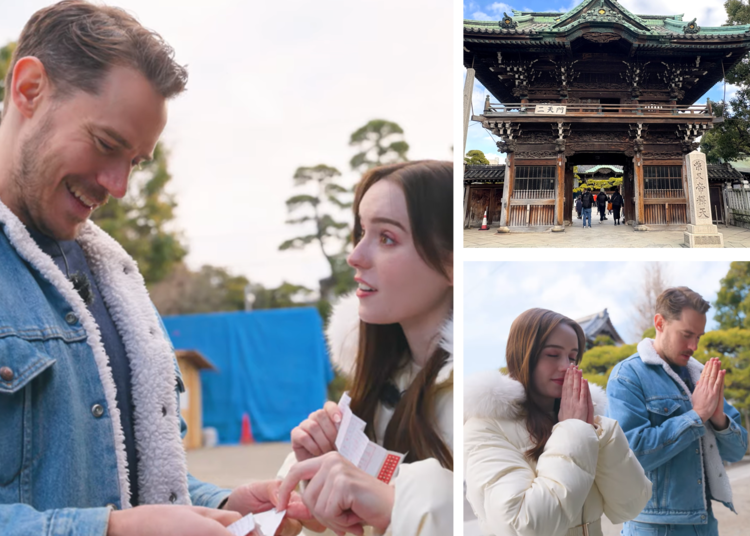
For a memorable keepsake of your visit, try drawing an omikuji fortune. This traditional practice involves selecting a small paper slip from a box, revealing a written message that offers insight into your luck and gentle advice for the days ahead. Whether you receive a great blessing or a more modest result, taking a moment to reflect on the message adds a meaningful touch to your temple visit. It’s a simple yet uniquely Japanese experience that can become a special part of your journey.
Yamamoto-tei: The Serenity of a Historic Residence and its Internationally Acclaimed Garden
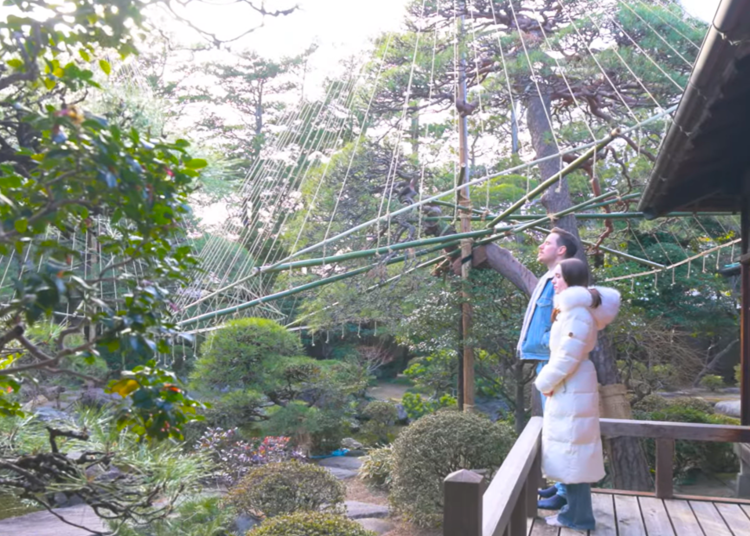
Just behind Shibamata Taishakuten stands the elegant Yamamoto-tei, a refined residence that preserves the atmosphere of another era. Originally built as the private home of Einosuke Yamamoto, founder of a camera parts manufacturer that thrived from the Taisho to early Showa periods, the house is a superb example of modern Japanese-style architecture. It blends traditional Japanese design with subtle Western influences, and remains beautifully preserved to this day.
Few former private residences in Japan maintain such a high level of craftsmanship and integrity, making Yamamoto-tei a rare and valuable cultural treasure.
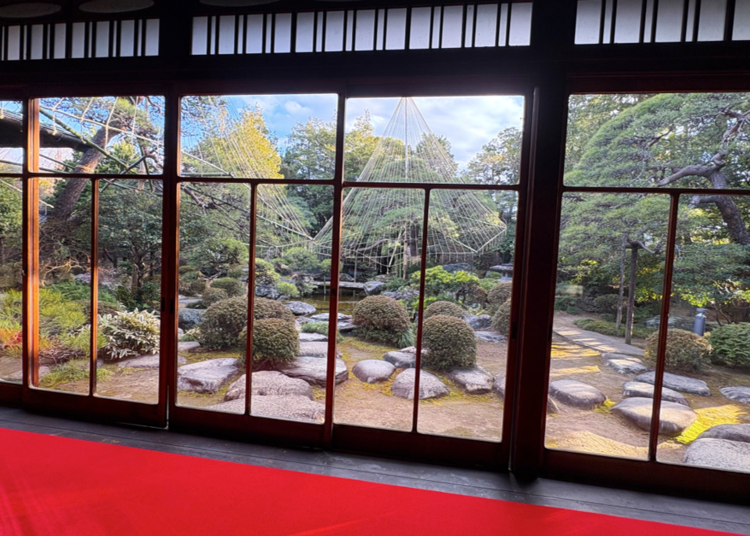
Its greatest highlight is the exquisite garden, designed as an integral part of the residence. In 2024, it was ranked an impressive third among around 1,000 notable gardens across Japan by the Journal of Japanese Gardening, a leading U.S. publication specializing in Japanese gardens, a distinction it has maintained for years.
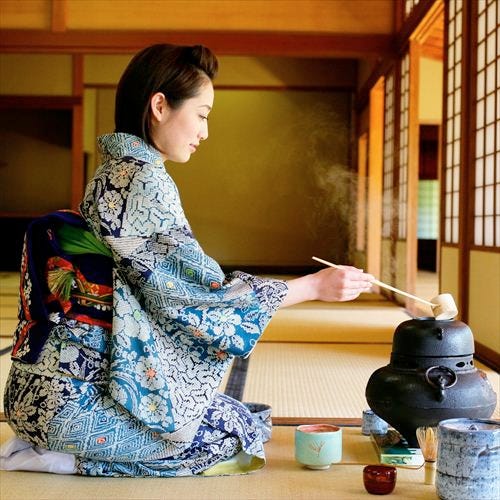
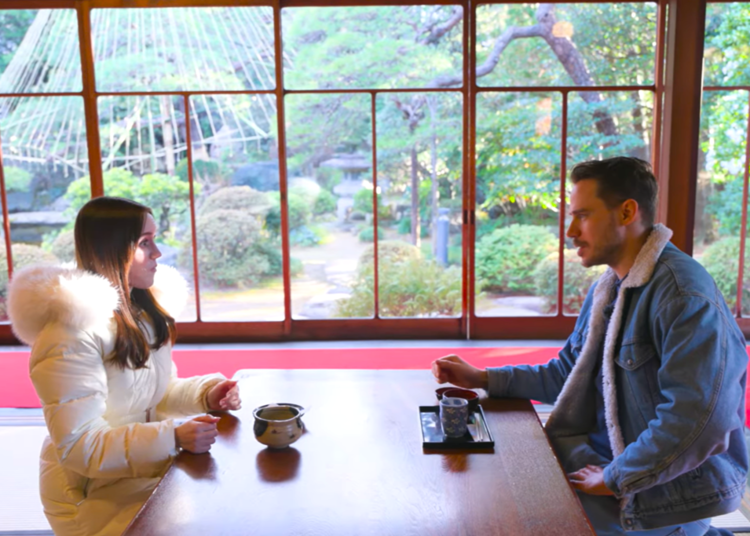
Inside, visitors can enjoy a quiet tea experience, savoring matcha and traditional sweets while seated on tatami mats and gazing out at the garden as it changes with the seasons. Soft light filters through the windows, and a serene stillness fills the space, offering a sense of calm that feels worlds away from the city. Spending time here, surrounded by the scenery once cherished by the home’s original owner, is one of the most memorable moments of any visit to Katsushika.
While recognized as one of Japan’s most iconic landmarks, Shibamata’s primary allure lies in its serene and unhurried atmosphere. Free from the overwhelming crowds often found in districts like Asakusa, it offers visitors the luxury of a truly leisurely exploration. Here, you will find an authentic side of Tokyo, one where daily life thrives naturally, far removed from staged tourist attractions. Between the beautifully preserved traditional townscapes and the genuine warmth of the local community, Shibamata reveals a hidden, soulful face of the city. We invite you to venture here and discover the true essence of Tokyo for yourself.
From the Setting of a National Icon to the Glow of Red Lanterns: Strolling Through Kameari, a District Defined by Warmth and Vitality
After soaking in Shibamata’s nostalgic streets and tranquil garden scenery, wrap up your day in lively Kameari. Step off at Kameari Station and you’ll find a neighborhood where old-school “shitamachi” downtown charm blends seamlessly with modern convenience. Popular as a residential area, Kameari has a warm, lived-in atmosphere, where the rhythms of everyday life unfold right before your eyes.
The Iconic Setting of a Legendary Masterpiece that Defines Japanese Manga Culture
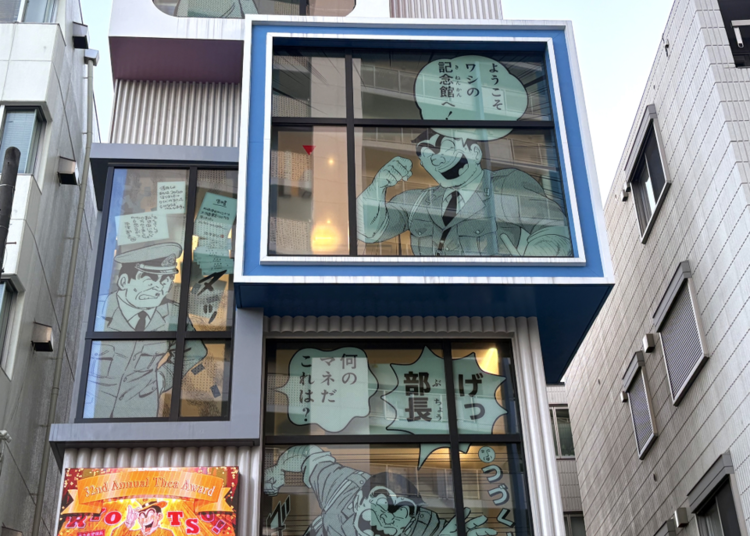
Just as Tora-san of Shibamata represents classic Japanese cinema, Kameari is inseparable from the legendary manga KochiKame: Tokyo Beat Cops.
Since its debut in 1976, the series ran for 40 years without a single break, becoming a landmark of Japanese pop culture and celebrating the 50th anniversary of its serialization in 2026.
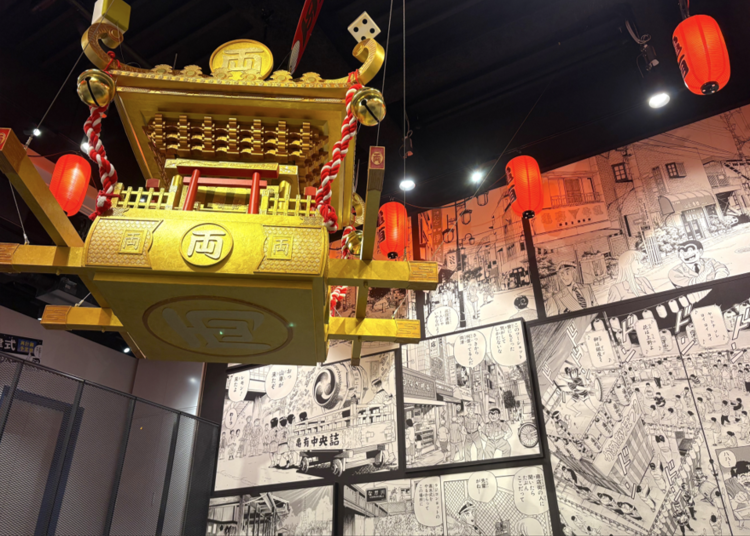
In March 2025, Kameari welcomed a brand-new landmark: the KochiKame Memorial Museum. True to the spirit of KochiKame: Tokyo Beat Cops, the museum is built around a playful premise that the unconventional hero, police officer Kankichi Ryotsu, secretly constructed his own memorial hall on top of the local police box.
Spread across five floors, the museum feels like stepping straight into the manga’s world. Visitors can peek into a recreation of Ryotsu’s famously cluttered room and enjoy interactive exhibits designed to be fun and intuitive, even for those new to the series.
Look closely at the manga panels on display and you’ll spot detailed depictions of the very downtown streets of Katsushika you’ve been exploring. The experience blurs the line between fiction and reality, making it clear just how deeply the story is rooted in this neighborhood.
The Vibrant Pub Culture of Katsushika City: A Sanctuary Soothing the Spirits of the Hardworking Community for Generations
As your day in Katsushika winds down, lights begin to flicker on across the streets and the neighborhood takes on a lively evening mood. The area’s drinking culture is closely tied to the workers who once powered Tokyo’s industries.
In the past, Katsushika and its surrounding districts were major industrial hubs, home to numerous celluloid and toy factories. Across Japan, regional drinking preferences developed differently over time. In Kansai, where many breweries were established, rice-based sake became the standard. In contrast, Tokyo, with fewer traditional breweries, embraced shochu, a distilled spirit that was affordable, strong, and well-suited to hardworking laborers.
Mixed with soda to create a crisp, refreshing drink known as chuhai, shochu became a go-to way for workers to unwind after a long day and recharge for tomorrow. And no conversation about this culture would be complete without mentioning a uniquely Tokyo term: “senbero.”
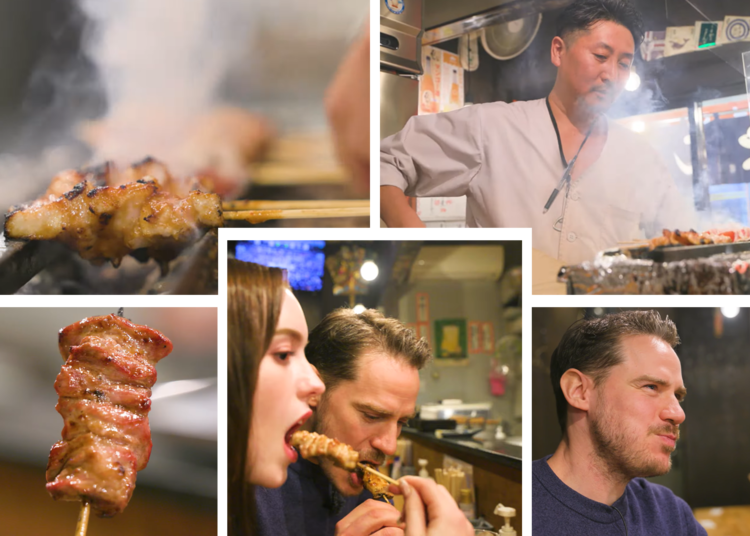
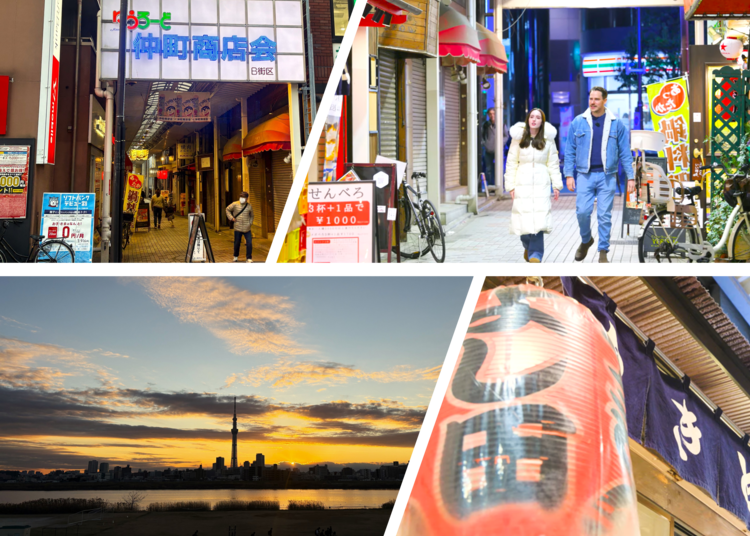
“Senbero” comes from the idea of getting pleasantly drunk for around 1,000 yen. Behind the catchy term lies the practical wisdom of working people from another era.
Compared with brewed drinks like sake or beer, distilled shochu was cheaper and higher in alcohol, meaning you could feel its effects with just a small amount. By mixing strong shochu with soda to create chuhai, bars could keep prices low while serving a refreshing, satisfying drink. To match, many shops offered affordable dishes such as grilled pork offal, known as motsuyaki, so that a few drinks and some hearty bites could still come in at about 1,000 yen.
Senbero isn’t simply about cheap alcohol. It reflects a culture shaped by ingenuity, modest budgets, and the desire to savor a rewarding moment at the end of a long day. With that history in mind, why not settle into a local bar in Kameari and raise a chilled chuhai to your Katsushika adventure?
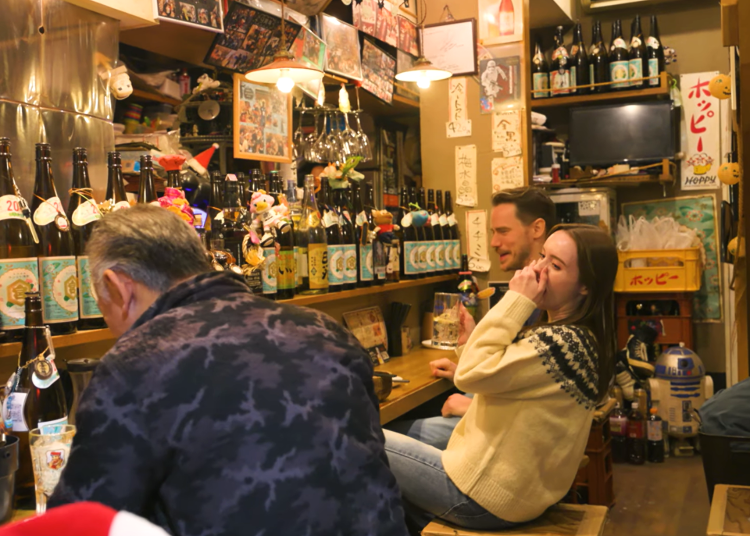
Experiencing the Authentic Warmth of Tokyo’s Spirit Beneath the Glow of Red Lanterns
If you’re exploring Kameari at night, start with Yu Road Nakamachi Shopping Street, just steps from the station. Red lantern–lit bars line the narrow street, drawing in locals with the savory aroma of grilled motsuyaki and the comforting scent of dashi simmering in pots of oden. Every doorway hums with energy.
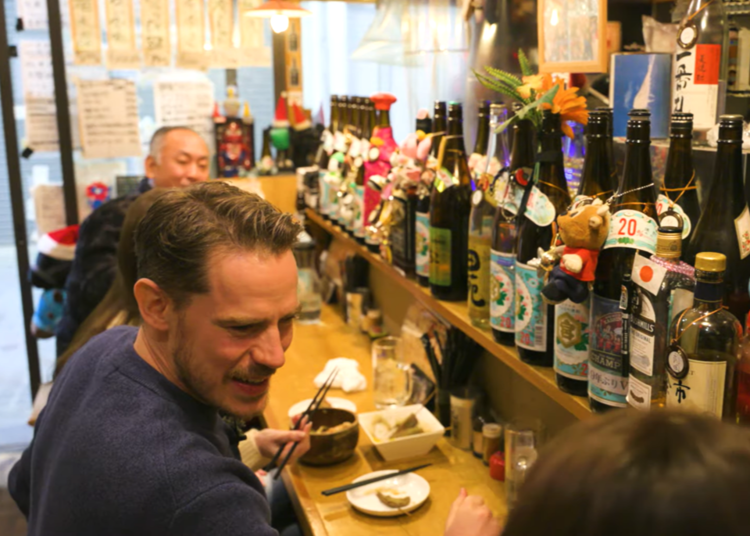
You can settle into one spot for the evening, but hopping from bar to bar is the best way to experience Katsushika’s drinking culture. Pull up a seat at a snug counter and conversations with the person next to you tend to unfold naturally. Even if words are limited, sharing a smile and clinking glasses is often enough. What you’ll find is a sense of ninjyo, the timeless warmth and neighborly spirit that defines downtown Tokyo.
Kameari isn’t the only place to enjoy this scene. Tateishi, often called the birthplace of senbero, and Horikiri, with its lively shopping streets and old-town feel, are also packed with affordable, delicious spots worth seeking out.
Far from the glittering skyscrapers of central Tokyo, Katsushika offers something different: a neighborhood where daily life, history, and heartfelt hospitality come together. Spending a full day here and ending it amid the buzz of a local shopping street may just reveal a side of Tokyo you never knew existed.
Concluding Your Journey Through Katsushika City
Tokyo’s glittering skyline is one side of the city. In Katsushika, what flows through the streets is something quieter and more enduring: the simple beauty of everyday life. A casual smile in a shopping arcade, the savory aroma drifting along a temple approach, the sound of glasses clinking beside a new acquaintance. Each small moment carries a warmth that gently lingers and makes you want to return.
Walk these streets at your own pace and discover your version of “Real Tokyo.” Tracing the settings of stories you once saw in anime and manga adds new depth to your journey, turning familiar scenes into lived experiences.
Katsushika is always here, just as it is. On your next trip to Tokyo, venture a little farther east and explore this character-filled neighborhood. You may find encounters and memories that go far beyond anything written in a guidebook.
- Area
- Category
*Prices and options mentioned are subject to change.
*Unless stated otherwise, all prices include tax.
Popular Tours & Activitiess
-
Ad

Celebrate the Arrival of Spring at Tokyo Midtown Hibiya with HIBIYA BLOSSOM 2026
-
Ad
Guide to Delicious Vegetarian-Friendly Japanese Restaurants to Visit in Saga
-

Snow Peak: Discover the Japanese Outdoor Brand That Became a Global Obsession (and Its Best Stores)
-

SILK AND ILY DONUT: Tokyo's New, Laid-Back Waterfront Shop Is A Real Treat
by: Timothy Sullivan
-
Ad

Vegetarian Dining in Saga: 8 Recommended Restaurants for Pizza, Pasta, and So Much More
-
Ad

Embrace Japanese Aesthetics and Tradition with the CITIZEN SAKURA Limited Edition and Other Popular Models
-
Atami 1-Day Itinerary: Exploring Japan's Castle & Hot Springs Resort Town Near Tokyo!
-
Tokyo 1 Day Itinerary: Best Sightseeing Spots the Guidebooks Won't Tell You!
by: David McElhinney
-
The Ultimate Guide to Ueno (Tokyo): From Cherry Blossoms to Pandas
by: Cassandra Lord
-
8 Unfamiliar (But Totally Normal) Customs in Japan!
-
Ikebukuro Station Area Guide: Top 15 Spots When You Escape the Station's Maze!
-
Sights, Shopping & More: Fun Things to Do Near Shibuya Station
by: Cassandra Lord
- #best ramen tokyo
- #what to buy in ameyoko
- #what to bring to japan
- #new years in tokyo
- #best izakaya shinjuku
- #things to do tokyo
- #japanese nail trends
- #what to do in odaiba
- #onsen tattoo friendly tokyo
- #daiso
- #best sushi ginza
- #japanese convenience store snacks
- #best yakiniku shibuya
- #japanese fashion culture
- #best japanese soft drinks