



A lot happened in Edo, Tokyo. All Japanese people know of the famous haiku poet Matsuo Basho. However, that may have simply been a cover. There are rumors that he was actually a spy hired by the Shogunate on a secret mission. We took a walk around Fukagawa, where Matsuo Basho used to live.
The starting point of "Oku-no-Hosomichi (The Narrow Road to the Deep North)"
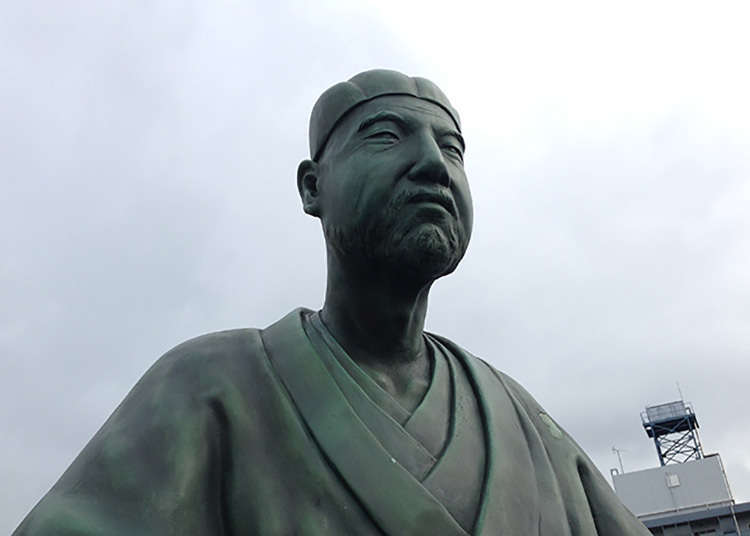
As for the "Matsuo Basho Was a Spy" theory, they say that "The Narrow Road to the Deep North," was not a journey to seek poetic inspiration, but a chance to secretly spy on the Sendai Date Domain. At the time, the Date Domain had been in charge of repairing the Nikko Tosho-gu shrine. Thus, the burden of fixing the shrine fell heavily on the Date Domain, to their dissatisfaction. The Shogunate needed someone to infiltrate and check on the Date Domain to make sure they didn't do anything suspicious, so perhaps Matsuo Basho was selected for the job?
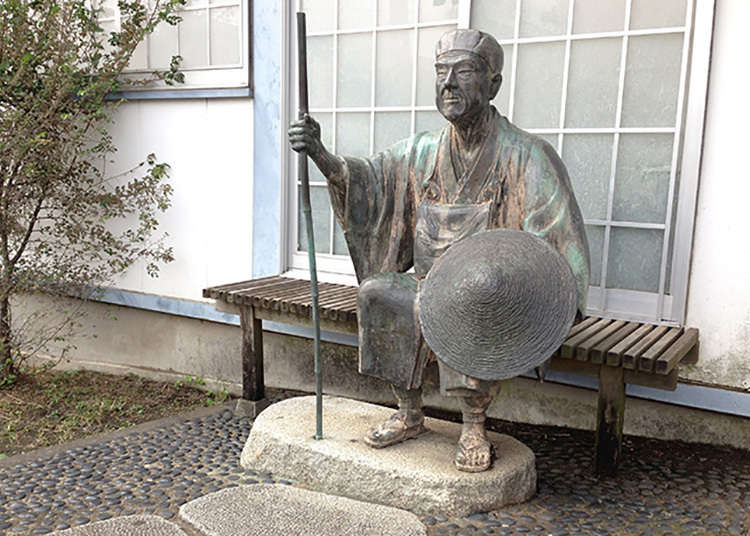
Actually, espionage was done by poets on inspirational journeys quite often. Basho's jouney started in 1689, when he was 45 years old. By Edo life-expectancy standards, he was already considered a senior citizen, yet he sometimes traveled over 50 kilometers a day. Conversely, It seems unnatural that he stayed in the Sendai domain for so many days. Parts of his records do not match up with the diary of his disciple, Kawai Sora, who had been accompanying him. Furthermore, Matsuo Basho is from Iga-Ueno, a ninja village. After collecting that much circumstantial evidence, one may start to believe that this theory is not just an urban legend.
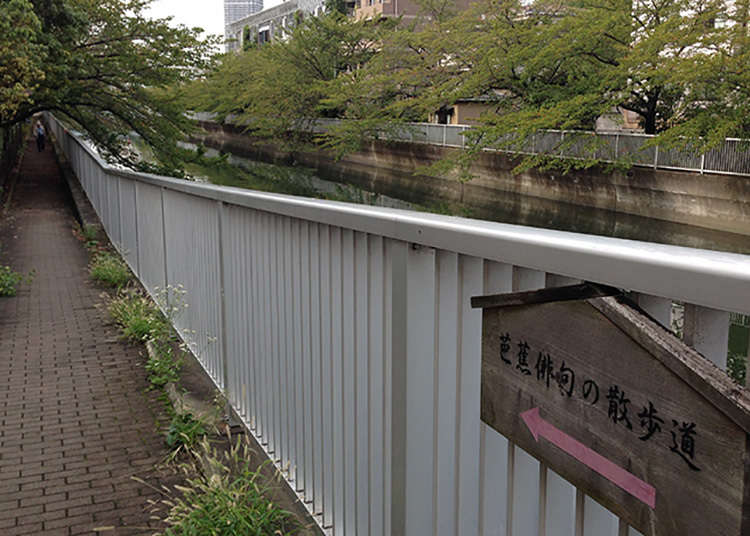
The starting point of "The Narrow Road to the Deep North" was Fukagawa Ichome. Saito-an is located on the banks of Umi-be-bashi. Take a boat from there, and ride on the Sumida River north towards Senju. The remains of Saito-an located on the river banks of Umi-be-bashi are now kept as part of the Basho Haiku Walking Path. You can enjoy a walk there while reading Basho's poems, which have been written on wooden planks, such as:
Up here, a stillness-
the sound of the cicadas
seeps into the crags.
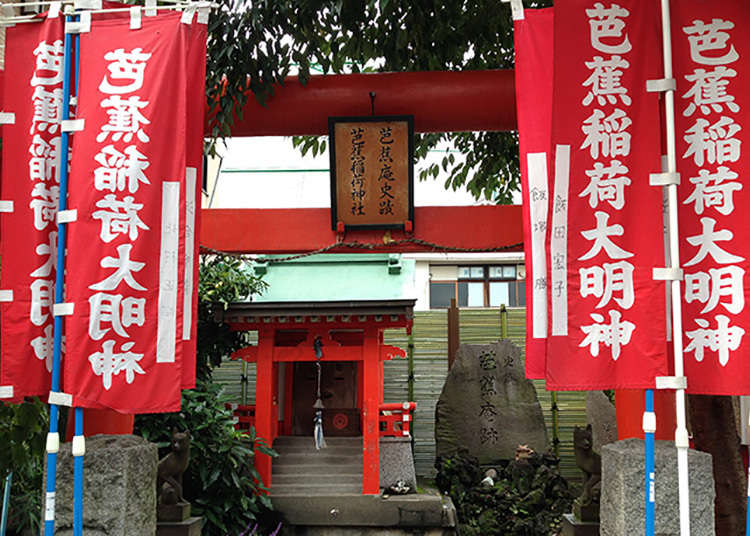
Next, across from Kiyosumi Garden, is Basho Inari Jinja Shrine. Here is the location of Basho-an, where Basho used to live.
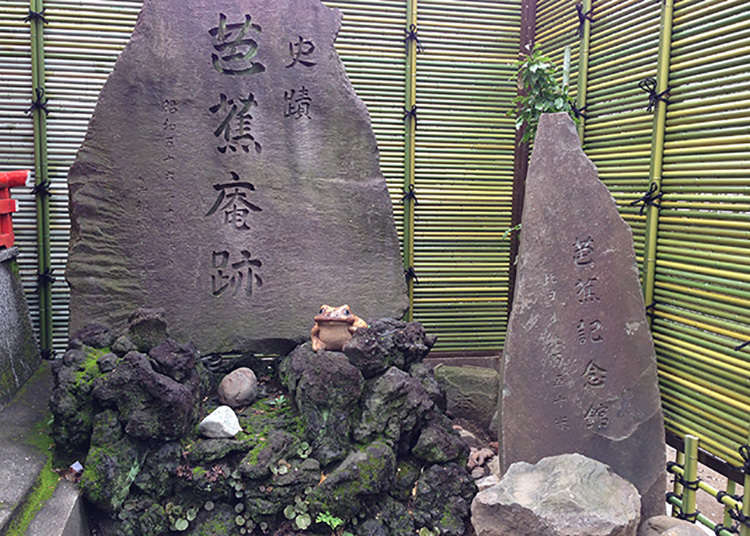
After his death, it became a samurai house and its past was forgotten, but due to the tsunami of 1917, the stone frog that Basho had loved so much was found. Currently, the stone frog that was excavated is being displayed on the Basho Museum's second floor.
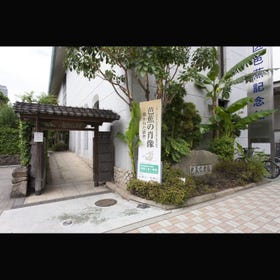
Further north along the Sumida River is the Koto Basho Museum. There, they have a Basho exhibit room, a library, meeting rooms, and workshop rooms.
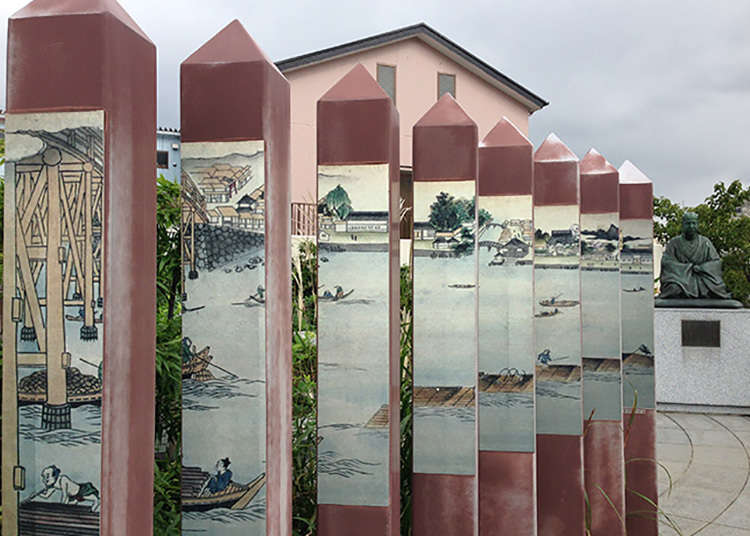
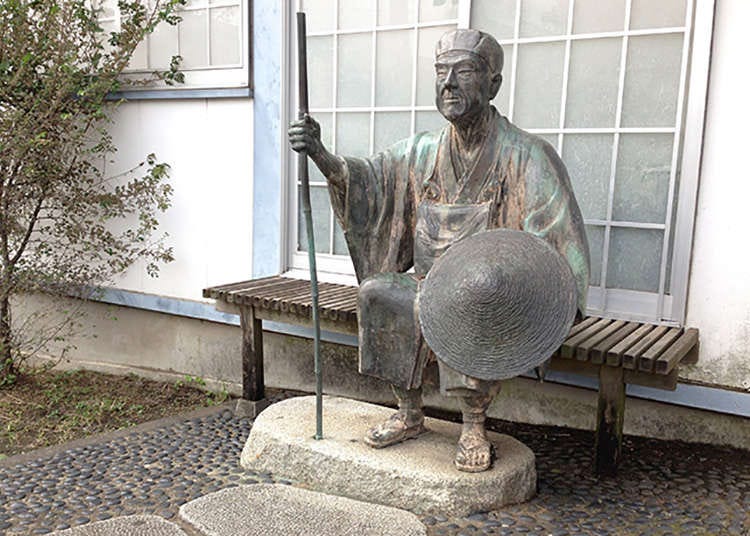
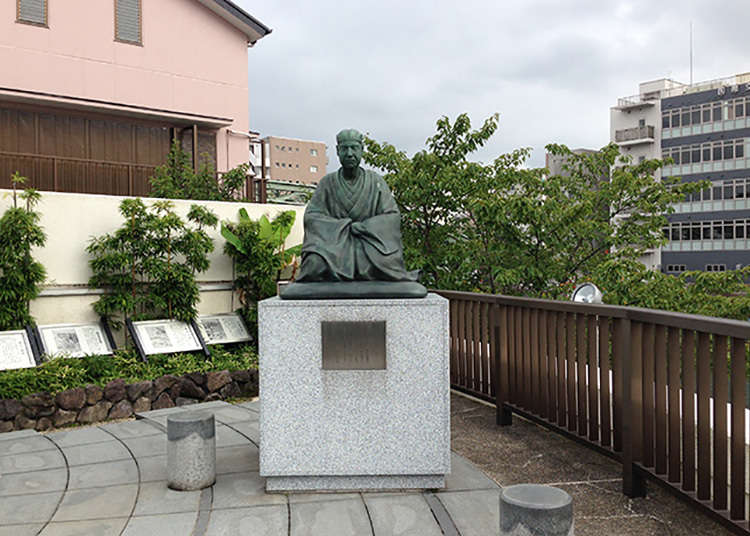
Near Basho Inari JInja Shrine is Shiseki-Tenbo Park, which overlooks the Sumida and Onagi rivers. There, they have a statue of Basho himself. The statue rotates at 5:00 p.m. every day. His posture looking over the Sumida River when it's lit up is very spy-like!
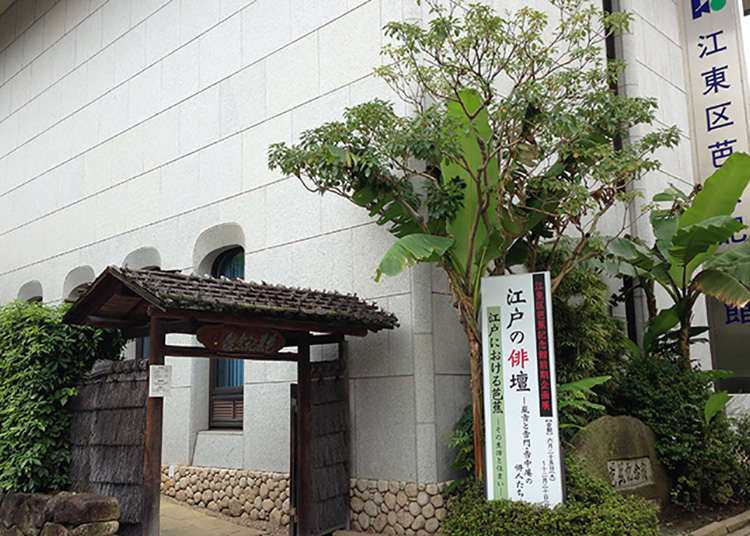
Further north along the Sumida River is the Koto Basho Museum. It is still a mystery why Basho, who originally lived in Nihonbashi, suddenly moved to Fukagawa. One common theory is that it was because his mistress, Jutei, had eloped with his nephew, Toin.
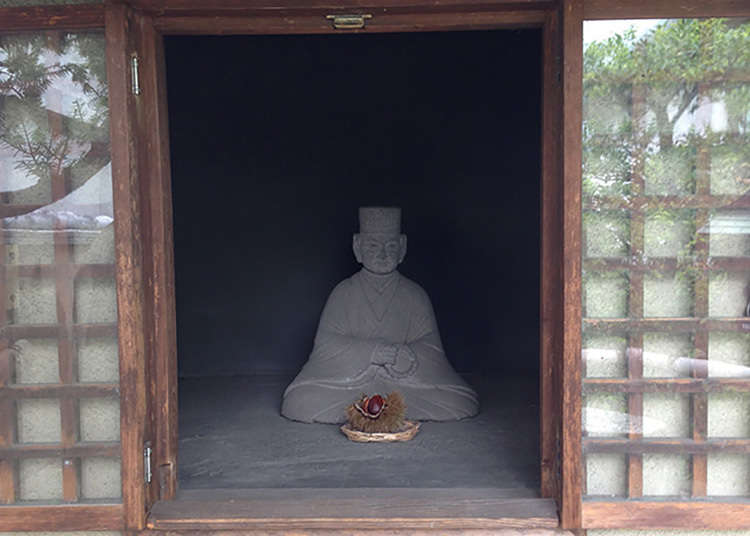
Basho, a spy!? Looking at it from its scandalous side, where he may have had a mistress, it is much easier to visualize a living portrait of the man. If you go to places related to people in your history textbooks and look at them from a different viewpoint, they suddenly seem more relatable and interesting. I recommend this place even if you're not interested in history!
-

-
Address
1-6-3, Tokiwa, Koutou-ku, Tokyo, 135-0006
View Map -
Nearest Station
Morishita Station (Toei Shinjuku Line / Toei Oedo Line)
7 minutes on foot
- Phone Number 03-3631-1448
-
Address
1-6-3, Tokiwa, Koutou-ku, Tokyo, 135-0006
*Prices and options mentioned are subject to change.
*Unless stated otherwise, all prices include tax.
Popular Tours & Activities
-

Haneda Airport Duty-Free Shopping Guide: What to Buy, How to Save & Where to Eat Before Your Flight
by: Guest Contributor
-

Daikoku PA Car Meet: What Is JDM, and Why Do Enthusiasts Flock Here?
-
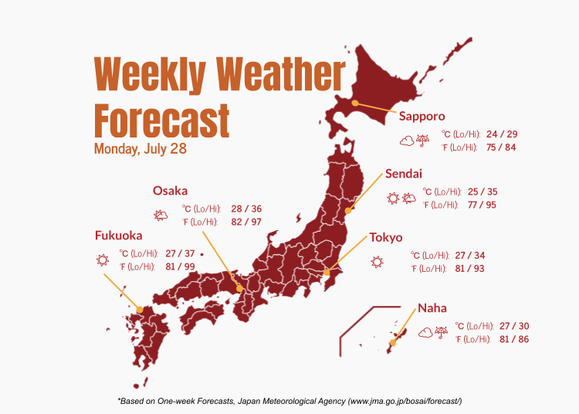
7-Day Japan Weather Forecast: Tokyo, Osaka, Sapporo, Sendai, Fukuoka, Naha – Plan & Pack Smart for Your Trip
-

ANA’s Chiikawa Jet Is Taking Off—Here’s Everything You Need to Know About Exclusive Goods, In‑Flight Fun & Travel Tips
by: Guest Contributor
-

Top-Booked by International Visitors: Must-Try Italian & Pizza in Tokyo for First-Time Visitors
by: Guest Contributor
-

The Best Sumo Experiences in Tokyo: Morning Practices vs. Sumo Shows
Inspiration for Accommodations
-
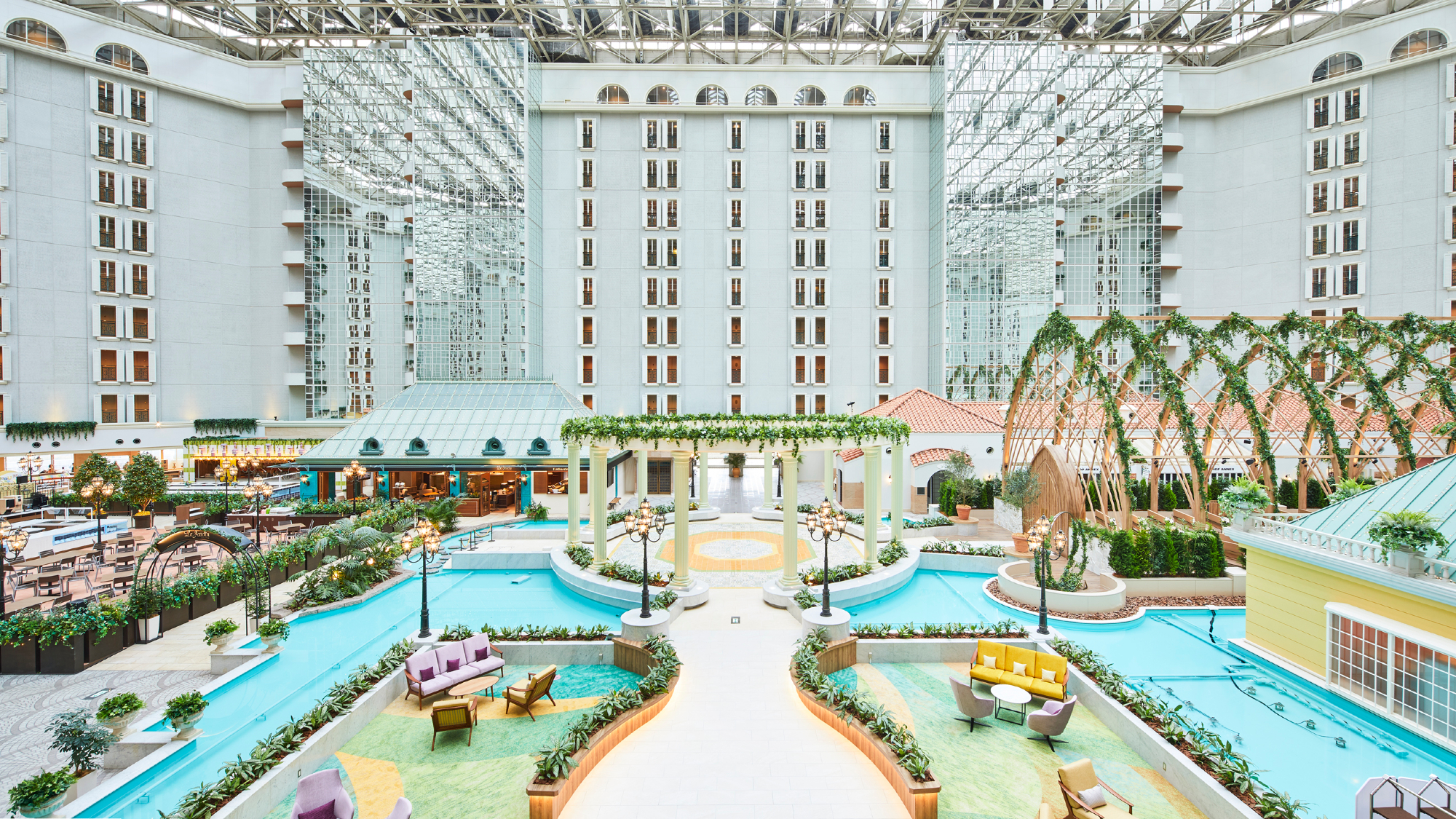
Family-Friendly Hotels with Free Shuttle to Disneyland: Convenient Access for a Magical Stay
-
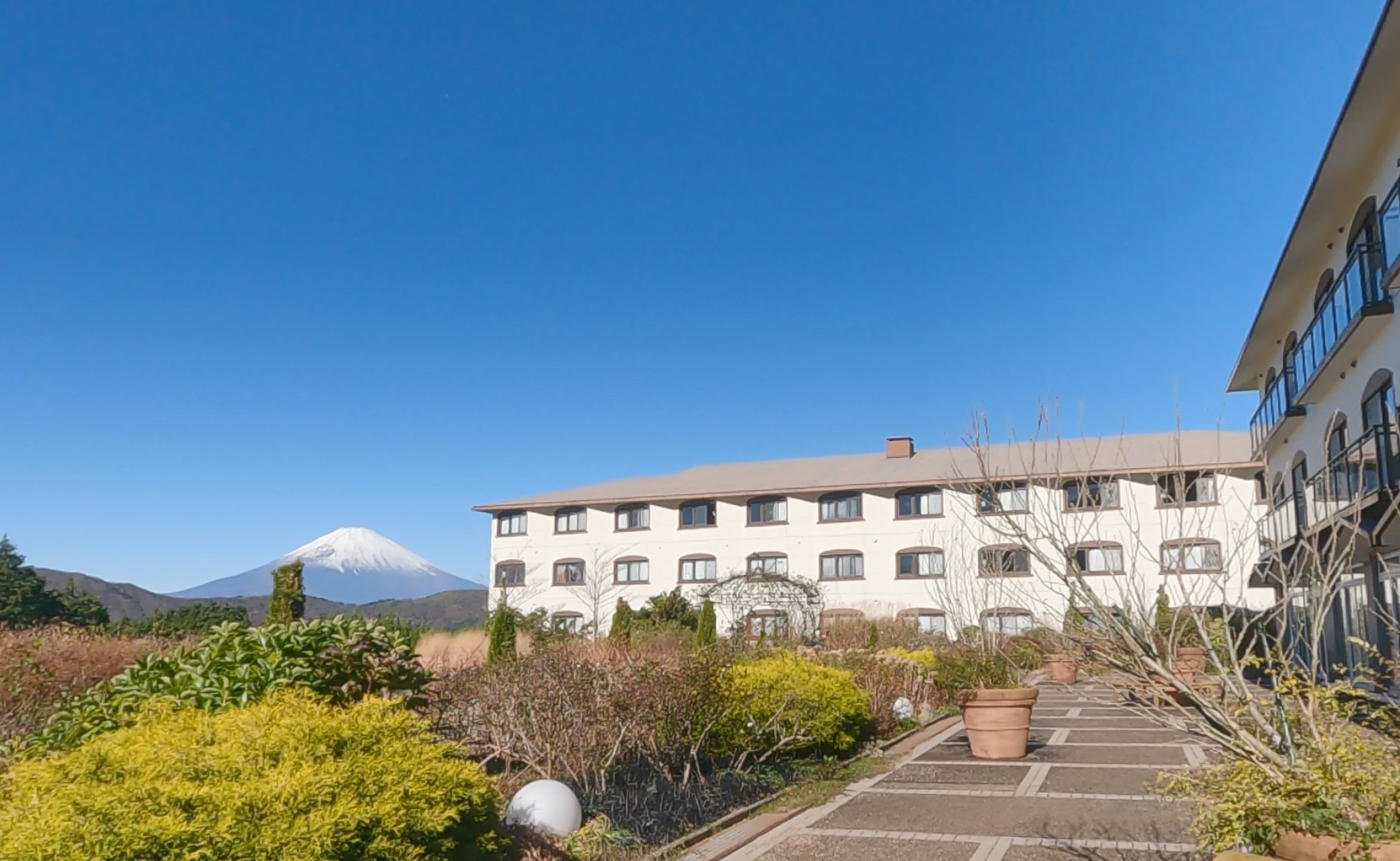
Top Ranked Hakone Hotels with Mt. Fuji View: Enjoy Stunning Scenery from Your Private Space
-
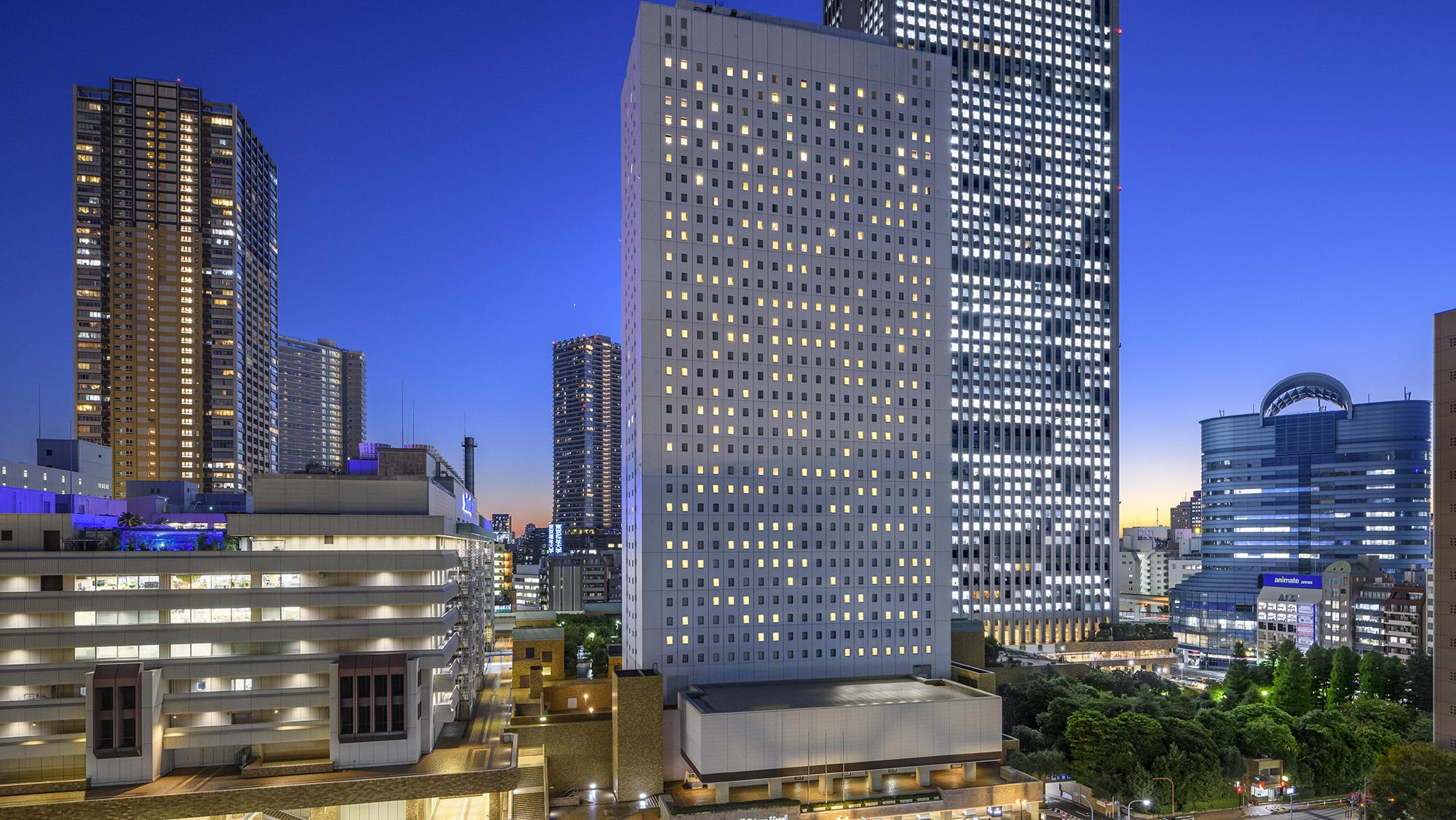
Convenient Tokyo Hotels with Airport Shuttle: Ideal for Families and Heavy Luggage
-
9 Family-Friendly Hotels with Comfortable Family Rooms in Asakusa
-
10 Open-air bath Onsen Ryokans in Hakone for Ultimate Relaxation
-
Explore the Charm of Tsukishima: Tokyo's Hidden Treasure
-
Japan's Bath Culture: Tips You Should Know!
-
Ikebukuro Station Area Guide: Top 15 Spots When You Escape the Station's Maze!
-

How to Pay Your Respects at Meiji Jingu
-
Welcome to Tokyo’s Kitchen, Kappabashi
-
Exploring Old Tokyo's Neighborhoods: 11 Things To Do in Yanesen (Yanaka, Nezu, and Sendagi)!
by: Guest Contributor
- #best ramen tokyo
- #what to buy in ameyoko
- #what to bring to japan
- #new years in tokyo
- #best izakaya shinjuku
- #things to do tokyo
- #japanese nail trends
- #what to do in odaiba
- #onsen tattoo friendly tokyo
- #daiso
- #best sushi ginza
- #japanese convenience store snacks
- #best yakiniku shibuya
- #japanese fashion culture
- #best japanese soft drinks