





Simply Oishii Wagashi School
Discover Japanese Culture Through Wagashi: A Hands-On Experience!
Immerse yourself in the world of wagashi- Japan’s traditional sweets, through our fun and interactive classes!
Our one-day workshops offer a unique and memorable way to experience Japanese culture, whether you’re visiting Tokyo or looking for a local activity.
- Table of Contents
-
- What is Wagashi?
- A Brief History of Wagashi
- A Uniquely Japanese Culture: The Difference from Sweets from other cultures
- Wagashi and Japan’s Seasonal Traditions
- Wagashi and Life’s Milestones in Japan
- Discover the World of Wagashi – Traditional Japanese Sweets at Simply Oishii Wagashi School
- 10 Great Reasons to Join Our Wagashi Cooking Classes
- Class Options
What is Wagashi?
The word Wagashi translates to “Japanese sweets”. “Wa” means Japanese and “Gashi or Kashi” means sweets.
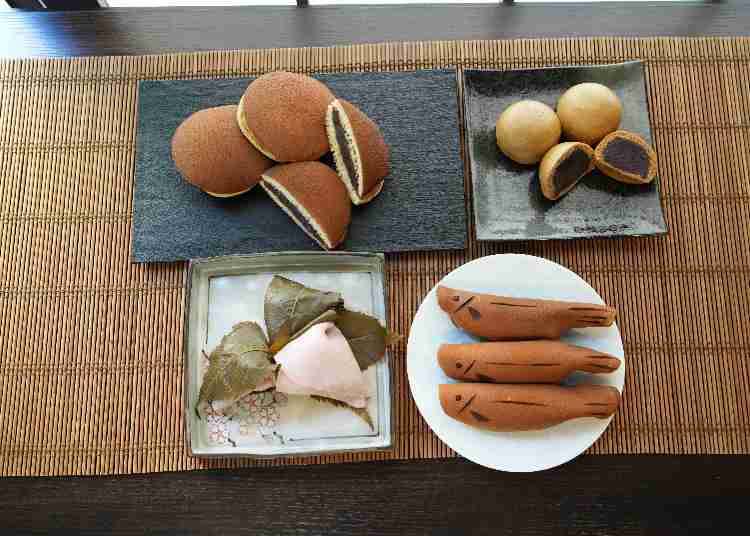
Wagashi comes in many delightful forms. Some are soft and chewy like mochi;
others are delicate and artistic like nerikiri. You’ll also find fluffy dorayaki filled with sweet red bean paste, smooth yokan (a refined jelly made from agar and beans), and comforting manju, soft steamed buns with a sweet filling.
Each type of wagashi has its own story, history, and symbolic meaning.
A Brief History of Wagashi
The origin of wagashi dates back more than a thousand years.
The earliest forms were simple sweets made from nuts and fruits offered to the gods.
During the Nara and Heian periods, Japan adopted influences from Chinese confectionery, introducing techniques using red bean paste and mochi.
In the Edo period (1603–1868), with the growth of tea culture and improved sugar trade, wagashi flourished into a true art form.
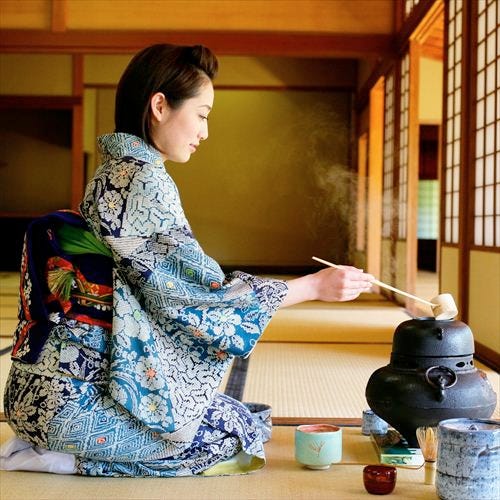
Skilled artisans began creating intricate designs to accompany tea ceremonies, expressing the beauty of each season through color, shape, and symbolism.
Today, wagashi continue to evolve while preserving their deep cultural roots.
A Uniquely Japanese Culture: The Difference from Sweets from other cultures
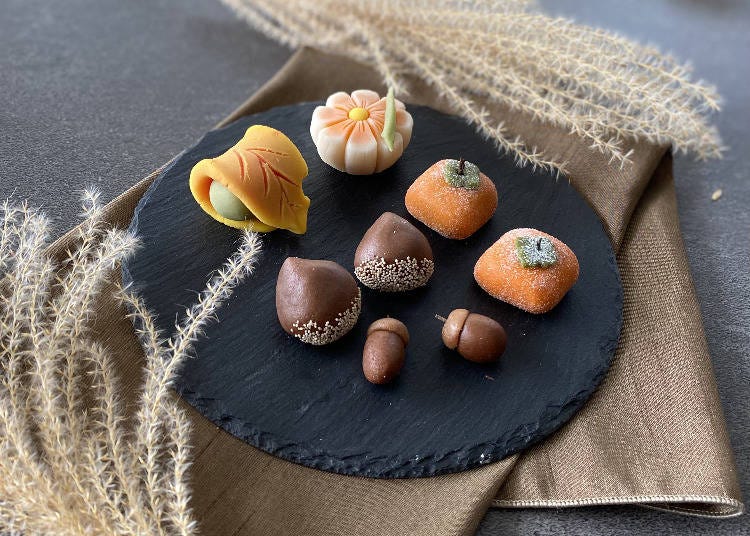
Unlike sweets from other cultures, which focus on sweetness, texture and appearance, Japanese wagashi emphasize delicacy, balance, and harmony with nature.
The sweetness is subtle, allowing the natural flavors of beans, rice, and seasonal ingredients to shine.
Wagashi are not just desserts—they embody the Japanese philosophy of aesthetics: simplicity, transience, and respect for the changing seasons.
Each sweet tells a story, often connected to traditional festivals, poetry, or landscapes.
Where confectionery of other cultures often satisfies the palate, wagashi engages all five senses, inviting you to see, touch, smell, taste, and feel the essence of Japan.
Wagashi and Japan’s Seasonal Traditions
Wagashi are deeply connected to Japan’s seasonal events and festivals, reflecting the rhythm of nature and the beauty of each time of year.
In spring, sakura mochi celebrates the cherry blossom season;
in summer, cool and refreshing sweets like kuzu mochi and warabi mochi help people enjoy the heat.
In autumn, tsukimi dango are offered during moon-viewing gatherings, while in winter, New Year’s sweets such as hanabira mochi and red-and-white manju symbolize good fortune and renewal.
Each sweet marks a special occasion and serves as a way to express gratitude, celebrate nature, and share joy with others.
Through wagashi, one can experience the passing seasons and the gentle awareness of time that lies at the heart of Japanese culture.
Wagashi and Life’s Milestones in Japan
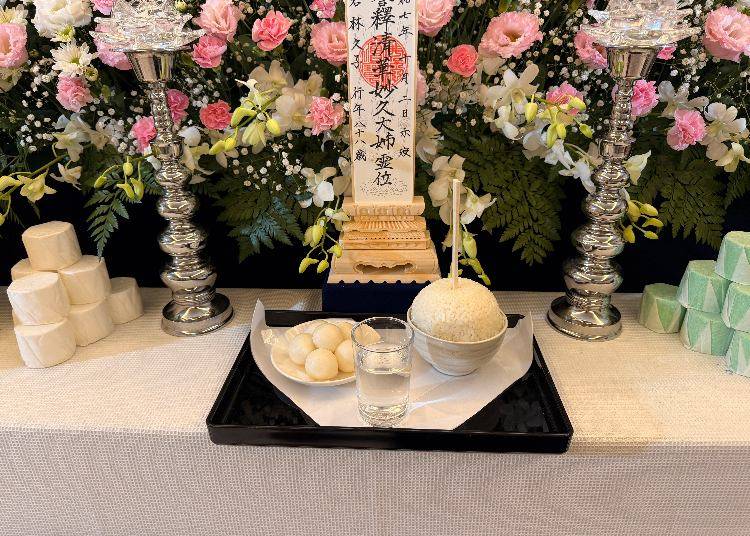
Wagashi and Life’s Milestones in Japan
Wagashi also plays an important role in life’s milestones and traditional ceremonies throughout a person’s life.
For a baby’s first birthday, families celebrate with Issho Mochi—a large rice cake symbolizing the wish for a life without hunger and filled with happiness.
During the Shichi-Go-San festival, children receive Chitose Ame, long red-and-white candies that represent longevity and good fortune.
At Obon, families offer Ohagi and Okuridango to welcome and send off the spirits of their ancestors.
Even at funerals, small Makura Dango are placed near the deceased to ensure they will not go hungry on their journey to the afterlife.
From birth to farewell, wagashi accompany people through the most meaningful moments of life—celebrating joy, honoring memory, and symbolizing the deep bond between people, nature, and tradition.
Discover the World of Wagashi – Traditional Japanese Sweets at Simply Oishii Wagashi School
Step into the enchanting world of wagashi, Japan’s traditional sweets that reflect the beauty of nature and the spirit of Japanese culture in our Classes.. You’ll not only learn how to make the sweets but learn the cultural background behind the sweets.
10 Great Reasons to Join Our Wagashi Cooking Classes
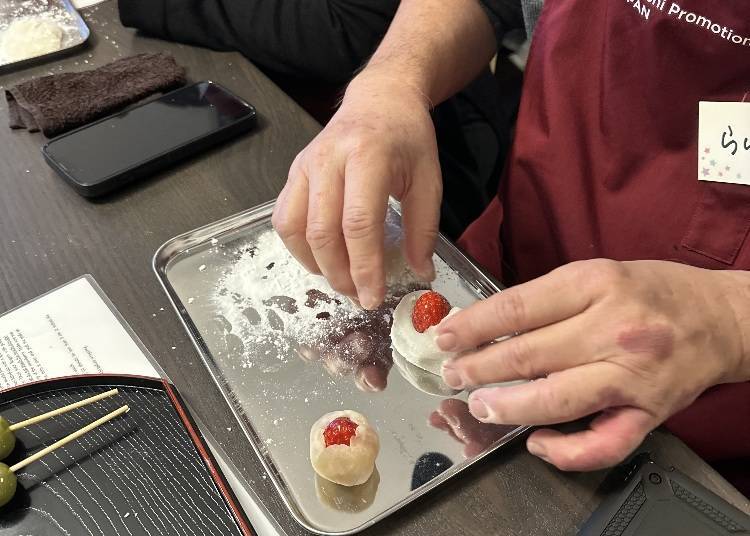
1.Learn to make authentic traditional Japanese sweets from scratch.
2.Classes are conducted in English with friendly bilingual instructors.
3.Perfect for families—children aged 4 and above are welcome!
4.Gain insight into the history and cultural significance of mochi and other sweets.
5.Convenient city-center location, just a short walk from Meguro Station (JR & Metro).
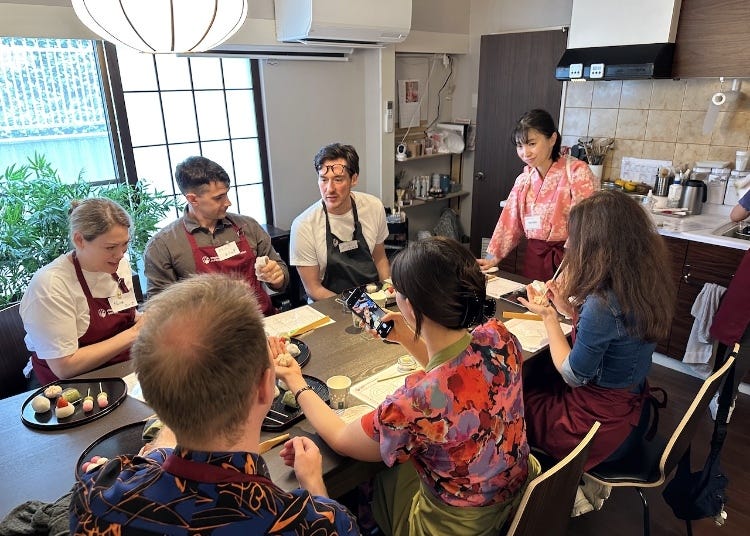
6.Hands-on, interactive sessions that are both educational and fun.
7.Enjoy tasting the delicious creations you make at the end of class.
8.All sweets are gluten-free, with vegan options available.
9.Take home a downloadable recipe to recreate the experience at home.
10.Fun and enjoyable in any season—perfect rain or shine!
Location
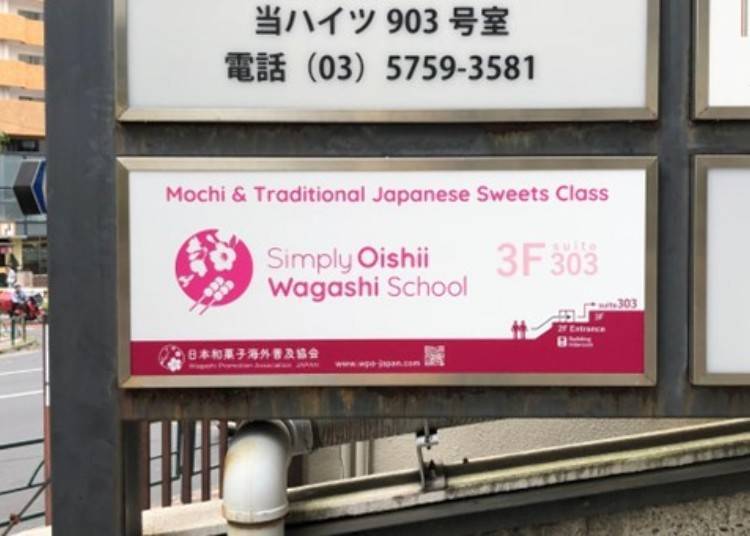
Our studio is conveniently located within walking distance from JR/Metro Meguro Station, making it easy to join on the same day you explore Tokyo.
-
-
Address
President Meguro Heights No. 303, 1-3-16 Meguro, Meguro-ku, Tokyo, 153-0063
View Map -
Nearest Station
Meguro Station (JR Yamanote Line / Tokyo Metro Namboku Line / Toei Mita Line / Tokyu Meguro Line)
3 minutes on foot
-
Address
President Meguro Heights No. 303, 1-3-16 Meguro, Meguro-ku, Tokyo, 153-0063
Class Options
Choose from our three popular classes
Mochi Making Class (2 hours)
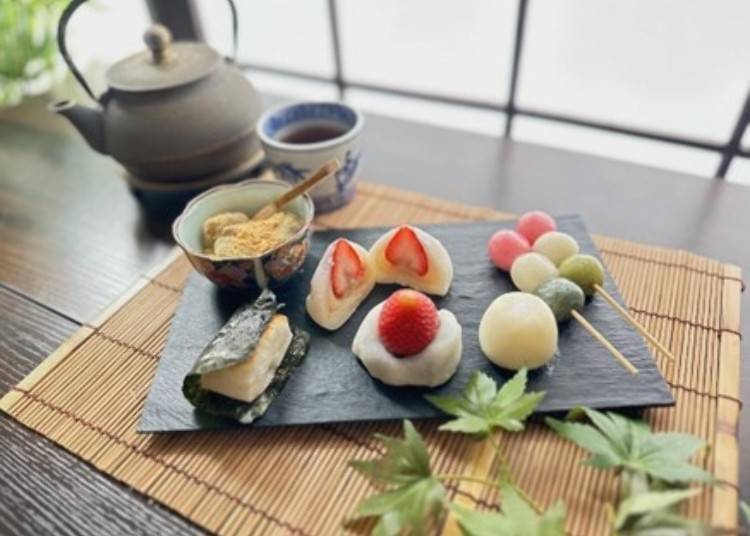
Learn about the history and tradition of mochi in Japan.Hands-on experience making dango (mochi balls on skewers), and strawberry daifuku.
Watch a demonstration on how to make mochi ice cream and warabi mochi.
Capture your creations in a photo session before you taste them!
Finish your tasting session with isobe mochi, a delicious grilled savory mochi.
Nerikiri Class (2 hours)
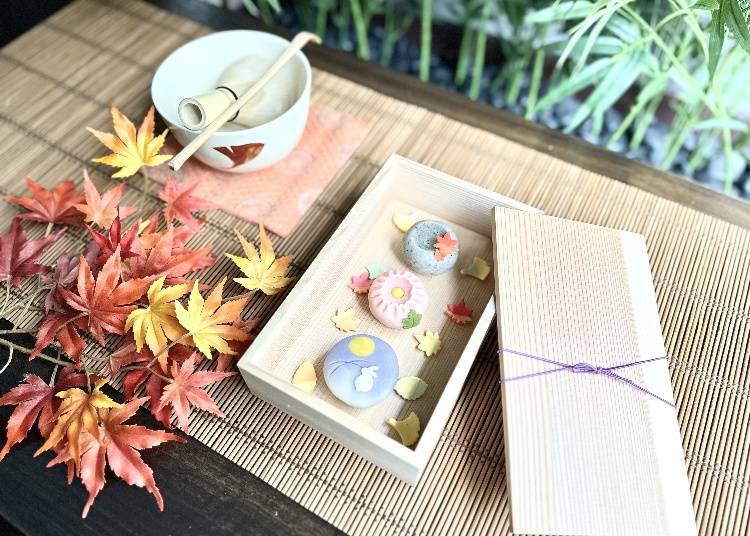
Make Nerikiri dough from scratch and create three beautiful sweets in seasonal motifs.
Learn authentic techniques for coloring, shaping, and molding these delicate sweets.
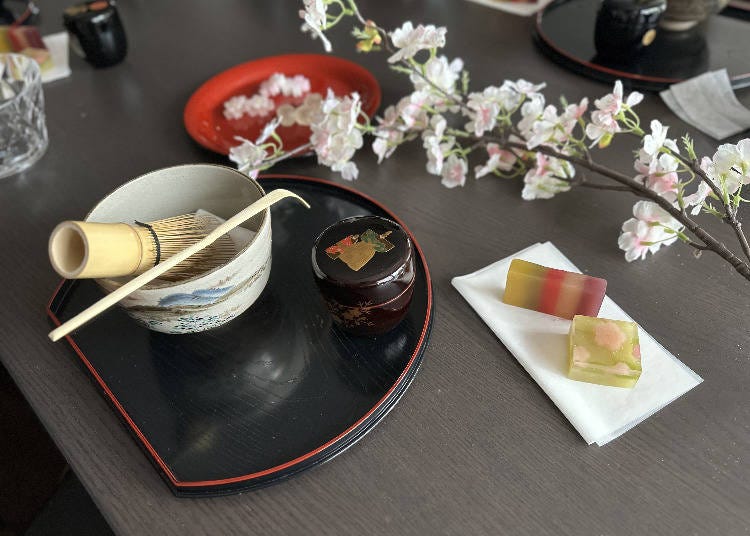
Participate in a photo session, then enjoy a casual tea ceremony experience.
The instructor will guide you in whisking your own bowl of matcha and teach proper etiquette for drinking it.
Mochi & Nerikiri Combination Class (2.5 hours)
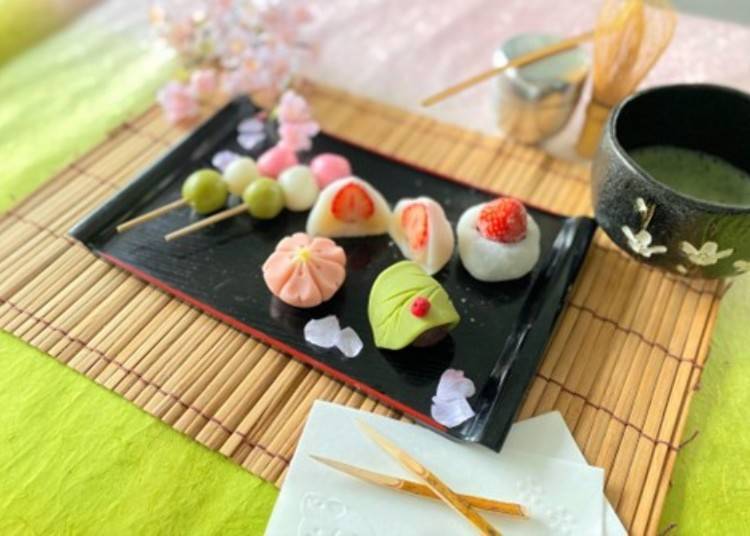
Combine the best of both worlds - Mochi and Nerikiri!
Learn to make dango and strawberry daifuku, two popular mochi treats.
Create two Nerikiri sweets in seasonal motifs, applying authentic shaping and coloring techniques.
Conclude with a tea ceremony experience, where you will whisk your own matcha and learn the proper etiquette for enjoying this traditional beverage.
Join us for an unforgettable hands-on journey into Japanese sweets and culture—perfect for families, friends, and anyone curious about Japan!
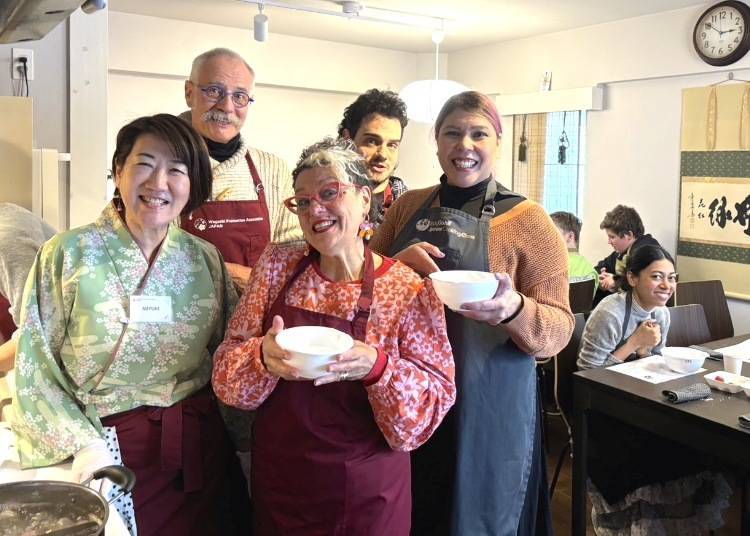
Hear what our participants say about our classes:
Sherille (June 17, 2025)
If you love mochi, and my kids do, then I highly recommend Miyuki’s class.
We were able to participate as a family with kids ages 6 to 9. We made 3 different recipes in class but tried many more different kinds of mochi, including a savory grilled mochi.
Best of all, the instructors were kind, knowledgeable, organized and spoke English well. Thanks, Miyuki, for offering this class!
Charlotte (April 24, 2025)
Fantastic morning learning all about mochi and how to make it. Nice small group in a nice location. Highly recommend ☺️
Ann (Mar 18, 2025)
This wasn't just a cooking class, but also great insight into Japanese culture and traditions.
The dishes were simple and easy and also delicious! I would highly recommend learning with Miyuki!
Charlene (May 07, 2024)
Making the Neikiri was definitely a highlight to our amazing trip to Japan.
We learned so much, not just in terms of how to make the sweets, but the entire culture and rich history surrounding them & the art of the tea ceremony.
Both ladies were so lovely to chat to & so welcoming. Thank you for having us, we look forward to taking another class when we return to Tokyo.
Chan (March 15, 2024)
It was such an educational learning experience. My friend and I were very lucky to be the only participants and we were blessed to have Miyuki sensei to guide us through.
She was patient in guiding us through the process of making our nerikiri. Her spoken English was fluent and she shared selflessly her knowledge of wagashi making and tea ceremony.
We learnt so much! This experience gave us a new found respect for this traditional Japanese food. The wagashi we made was very yummy too!
*Prices and options mentioned are subject to change.
*Unless stated otherwise, all prices include tax.
Popular Tours & Activitiess
Recommended places for you



-
Ad
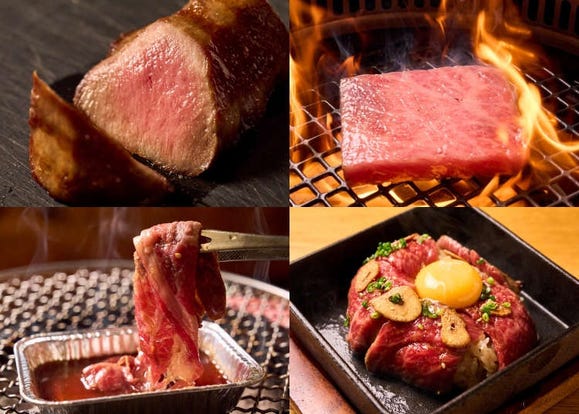
5 Recommended Wagyu Yakiniku Restaurants in Tokyo: Signature Dishes, Premium Beef, and Secret Sauces
-
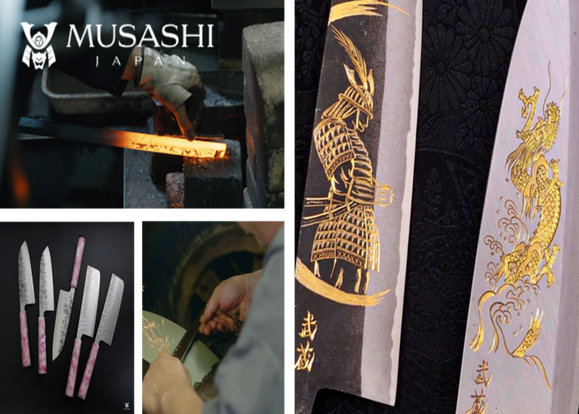
Where to Buy a Japanese Kitchen Knife? Why Travelers Choose MUSASHI JAPAN's 14 Stores in Tokyo, Kyoto, and Nara
by: Guest Contributor
-
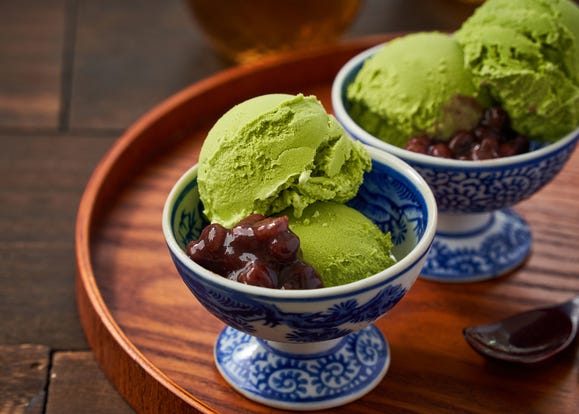
Top 3 OSHI MAPs for the Best Matcha and Sweets in Tokyo
by: Guest Contributor
-

To the Holy Land of Kawaii! Odakyu Tama Center Station Is Becoming a Dreamy Sanrio Wonderland
by: Guest Contributor
-
Ad
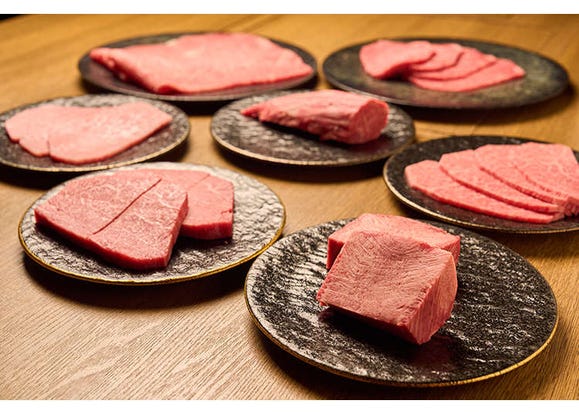
What Makes Japanese Yakiniku So Darn Good? Guide to Cuts, Heat, and Wagyu Know-How
-
Ad

In the Heart of Japan: Why Gifu City Deserves a Spot on Your Itinerary (Cormorant Fishing, Gifu Castle, Nightlife & More!)
-
6 Surprisingly Cheap Things in Japan
-

Tokyo’s No. 1 Free Observation Deck: 360° Panoramic Views From These Downtown Skyscrapers!
-

16 Secrets About Mt. Fuji, the Symbol of Japan: Even Japanese People Don’t Know That?!
by: Guest Contributor
-

Roppongi: Then and Now
-

Be ready for more than sightseeing: Tokyo Metropolitan Government's disaster preparedness event for foreigners in Japan
by: Lucio Maurizi
-
Exploring Tokyo Station: 11 Must-Visit Spots Around the Heart of Tokyo
- #best ramen tokyo
- #what to buy in ameyoko
- #what to bring to japan
- #new years in tokyo
- #best izakaya shinjuku
- #things to do tokyo
- #japanese nail trends
- #what to do in odaiba
- #onsen tattoo friendly tokyo
- #daiso
- #best sushi ginza
- #japanese convenience store snacks
- #best yakiniku shibuya
- #japanese fashion culture
- #best japanese soft drinks