






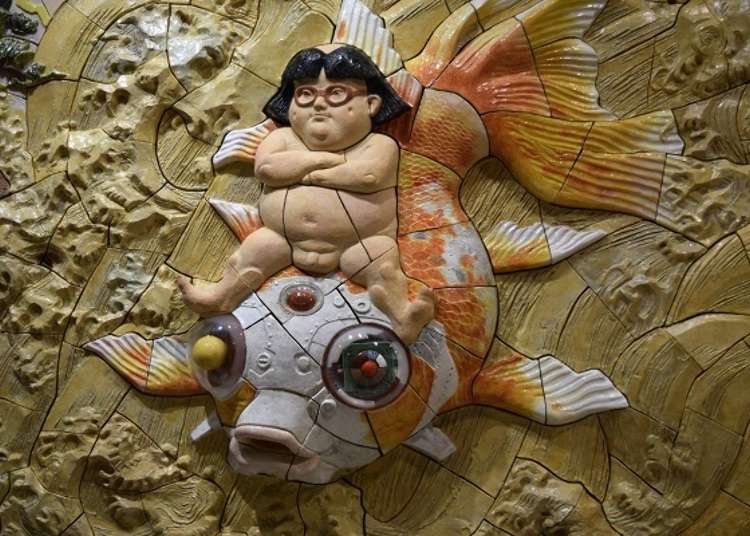
Ceramic reliefs are artworks produced using ceramic ware production technology. You can find huge, colorful, three-dimensional ceramic reliefs on broad walls at stations and airports. The following is information on CREARE Atami-Yugawara Studio, a pioneer in the production of ceramic reliefs.
You can visit the studio where ceramic reliefs are produced.

CREARE Atami-Yugawara Studio is situated about a five-minute walk from a bus stop named Ochiai Bashi, which is about a ten-minute ride by Hakone Tozan Bus from Yugawara Station of the JR Tokaido Line. You can visit the studio where ceramic reliefs are produced for free with a reservation in advance.
The studio is a two-story building in a well-hole style. There is clay used to produce reliefs heaped in the center of the studio.
Scale model before producing a full-scale relief

You can only see part of the production process because it takes one year from planning to completion, but staff will give you a detailed explanation while showing ceramic reliefs produced in the past and samples.
They, first of all, make a scale model based on an original drawing made by an artist. The clay that will be used for a finished work is used to make a model to determine how to turn the drawing into a three-dimensional relief.
Checking how the model looks from the second floor

The next step is to draw a plan based on the model. This is an important step because the relief is produced based on both the model and the plan. Due to its large size, the relief is divided into some parts and each staff member is assigned to a different part.
During the process of production, they look down on the entire object from the second floor to check, many times, to see if the relief is being produced according to their plan, and to make sure they share the same image of the finished product.
A ceramic relief is cut into some pieces before firing.

After shaping, the relief is fired. Because a ceramic relief produced here is too large to be fitted into any kiln, it is cut into small pieces to be fired. It is carefully decided where to be cut so as not to lose its three dimensional structure. To cut it into pieces without breaking detailed parts, a long thin knife is required. They therefore made a knife that looks like a long spear, by themselves, exclusively for ceramic reliefs.
Firing twice

There is a gas kiln and an electric kiln, and which to use depends on the needs. Following a biscuit firing at the temperature of 850 °C for about three days, the relief is glazed and calcined at 1,230 °C. It takes about a week from putting it into a kiln to taking it out.
All pieces are marked to facilitate reassembling. It looks like a huge jigsaw puzzle. The pieces are assembled in the studio, followed by an inspection by the artist and the final adjustment. After all the procedures are completed, the ceramic relief is installed at the planned site.
Coloring with glazes selected from more than 5,000 kinds

Rich coloring is one of the attractive features of ceramic reliefs. At this studio, they prepare glazes in many different colors based on the original painting by mixing basic colors. Colors develop extensively and differently depending on the formation of bulges and swellings on the surface, giving greater visual depth to the painting.
There are glazes in more than 5,000 different colors that have been prepared at this studio but, according to studio staff, they are still not enough.
Adjacently located stained glass studio

In the same building is a stained glass studio, which you can also visit.
They use the highest quality glass that enables artists to achieve unique surface reflection and beautiful gradations of color. Various kinds of stained glass displayed in the studio shine brilliantly in natural light.
Studio tour: Free of charge (Reservation required two days in advance)
Closed on Saturday, Sunday and national holidays.
A tour is available from 1:00 p.m. to 6:00 p.m.
A tour takes about one hour.
The studio has no services in English.
-

-
Address
Shizuoka 230-1, Izumi, Atami-shi, Shizuoka, 413-0001
View Map -
Nearest Station
Yugawara Station (JR Tokaido Main Line / JR Ueno Tokyo Line)
- Phone Number 0465-62-2034
-
Address
Shizuoka 230-1, Izumi, Atami-shi, Shizuoka, 413-0001
Written by : Haruna Saito
- Area
- Category
*Prices and options mentioned are subject to change.
*Unless stated otherwise, all prices include tax.
Popular Tours & Activities
Recommended places for you


-

Seibu Group Launches New Chichibu Adventure Tourism Experience for International Travelers in 2026
by: Guest Contributor
-
Cracked Phone Screen in Japan? Smahospital Repair Guide: Keep Your Data, Fixed in 15 Min, Multilingual Support | Up to 10,000 Yen Off with LIVE JAPAN Coupon
-

BicCamera Tax Refund 2026: Refund Service Fee 0 Yen
-
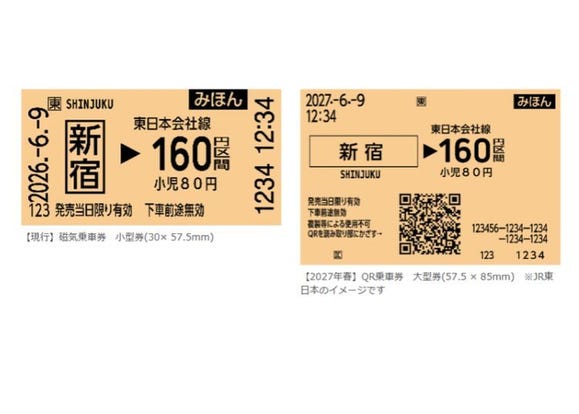
[Starting Spring 2027] Japan's Railways Evolve Further! Why Tickets Are Changing to "QR Tickets" and a Riding Guide for Foreign Visitors
by: Guest Contributor
-
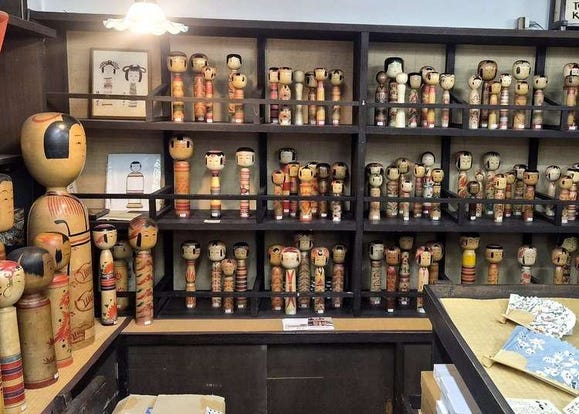
5 Japanese Craft Shops in Shinjuku: From Walls of Kokeshi Dolls to Artisan Teapots
-
Ad
Do’s and Don’ts: The Complete Guide to Sento Baths! Getting the Full Experience In Ueno’s Famous Kotobuki-yu
Inspiration for Accommodations
-
Family-Friendly Hotels with Free Shuttle to Disneyland: Convenient Access for a Magical Stay
-
Top Ranked Hakone Hotels with Mt. Fuji View: Enjoy Stunning Scenery from Your Private Space
-
Convenient Tokyo Hotels with Airport Shuttle: Ideal for Families and Heavy Luggage
-
9 Family-Friendly Hotels with Comfortable Family Rooms in Asakusa
-
10 Open-air bath Onsen Ryokans in Hakone for Ultimate Relaxation
-

See Studios in Action! Inside Akihabara's Small Manufacturers at 2k540 Aki-Oka Artisan
-

What to Pack for Japan in 2026: 15 Essentials for a Stress-Free Trip
-
Healthcare in Japan for Tourists: What to Do When You Get Sick or Injured in Japan
-

6 Surprisingly Cheap Things in Japan
-
Japan Travel Guide: The Top 10 Cities You Have to Visit! Where Should You Go in Japan?
-
Tokyo Railway & Subway Map: Navigate the City Like a Pro (JR, Subways, IC Cards & Passes)
- #best ramen tokyo
- #what to buy in ameyoko
- #what to bring to japan
- #new years in tokyo
- #best izakaya shinjuku
- #things to do tokyo
- #japanese nail trends
- #what to do in odaiba
- #onsen tattoo friendly tokyo
- #daiso
- #best sushi ginza
- #japanese convenience store snacks
- #best yakiniku shibuya
- #japanese fashion culture
- #best japanese soft drinks