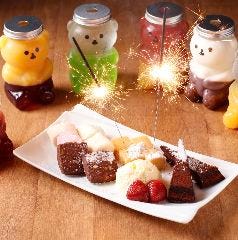
Right in front of Tokorozawa Station! Enjoy one-stop shopping at our store which boasts a great selection of goods!
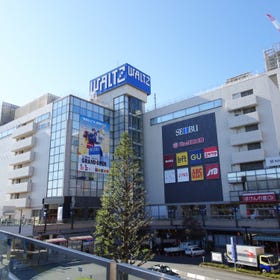
This is a branch temple of the Naritasan Shinshoji Temple on the land of Kawagoe and is famous for its goma-kito (a ritual of consecrated fire) and the flea market on the 28th of every month.
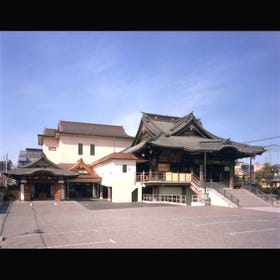
This is a museum built on the site where the Kawagoe Castle used to stand. Through various exhibitions, the museum explains how the people in the castle town lived.
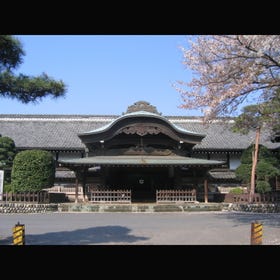
Kawagoe Castle Honmaru Goten has been preserved at Kawagoe Castle, listed among Japan's Top 100 Castles. It is also registered as a Cultural Property of Saitama.
The Tourist Information Office located near the Kurazukuri [traditional Japanese-style warehouse] district. We assist tourists visiting Koedo Kawagoe.
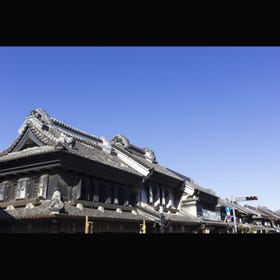
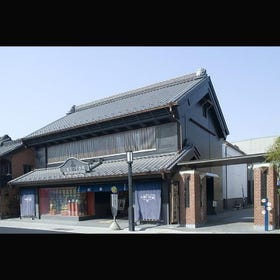
A townscape with a classy atmosphere reminiscent of Edo. A shopping street where you can see the sights on its famous jinrikisha (rickshaw).
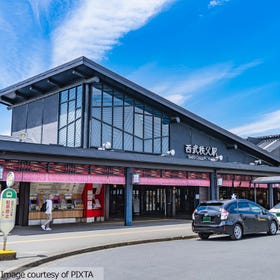
The gateway to Chichibu, where timeless Japanese scenery awaits just 80 minutes from Ikebukuro Station in central Tokyo.
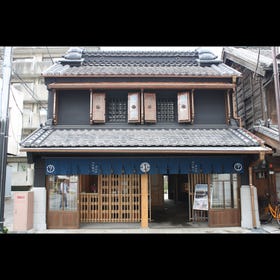
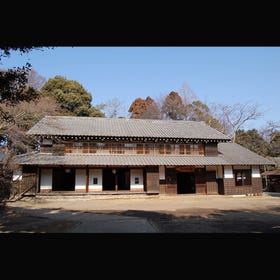
The former Wada residence―Kurosuke no ie― is a traditional folk house built over 100 years ago.
A brewery in Chichibu that produces the sake, Bukou Masamune. The store is in a building that is over 200 years old and is a registered tangible cultural property.
Located on high ground along a prefectural road, it has a fine view and is also easy to access. Their food includes lots of rare ingredients such as iwatake (a lichen called rock tripe) and white birch sap. In autumn, they serve course dishes of hoteishimeji mushrooms, daikoku mushrooms and matsutake mushrooms.
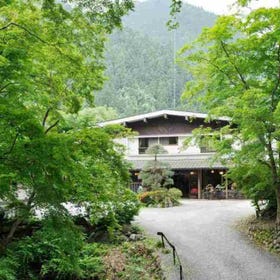
Since it was discovered by the first owner in 1827, this hot spring has been known for being effective against a million diseases. It is popular among female guests as it is said to be especially good for your skin. There are 4 types of guest rooms with open-air baths, and guests can enjoy the valley and mountain greenery.
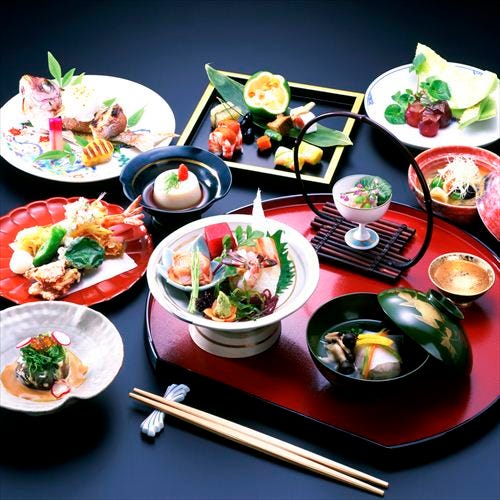
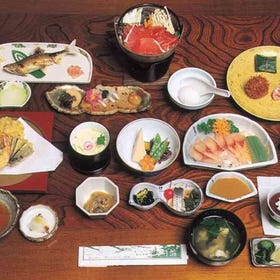
Many people visit this inn to experience its amazing kappo ryori (traditional Japanese fine dining). They use the finest quality ingredients in generous quantities, and dishes are exquisitely flavored. The fact that even their breakfasts are of great quality shows the inn's pride in their food.
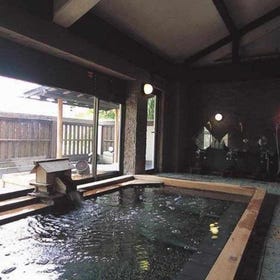
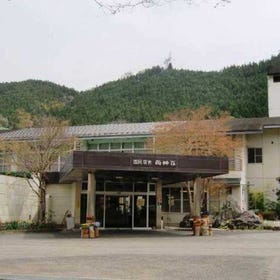
An inn looking on to the Arakawa River's tributary, Yatsu River, the pure Japanese-style building made entirely of cypress has a calm presence. You can enjoy the Yatsu River Valley's view from its open-air bath. You can also visit this hotel just for lunch and the bath.
A place to experience the over 370-year-old Kawagoe Festival year round.
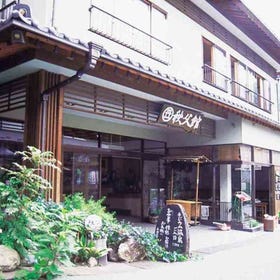
The specialty at this cozy inn is ayu (sweetfish). You can try some ayu dishes including ayu-meshi (sweetfish cooked with rice) and ayu sashimi. The Ayu-zukushi Plan (a course with ayu-centric dishes) is their recommendation. Their fresh and clean bath is a radium hot spring. It is effective against gynecological diseases, rheumatism, and neuralgia.
A beautiful tourist sake brewery inside a forest with adjoining brewery and product museums. Home of the original Chichibu Nishiki brand sake.
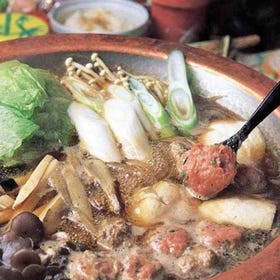
All the rooms are facing valleys and have a view of the Yokose river. Meals are made from seasonal edible wild plants and river fish. The famous catfish cuisine is available with tempura and sashimi on a reservation basis. It has a large bath, open-air baths, as well as guest rooms with attached private open-air baths.
A public inn located an environment rich in natural beauty. The hot spring is high in alkaline with a pH of 9.2, and it is known to leave your skin feeling smooth. Also, guests can now enjoy a newly built open-air bath with gensen kakenagashi (hot spring water flowing into the bath directly from the source) overlooking the valley.