




In the Heart of Japan: Why Gifu City Deserves a Spot on Your Itinerary (Cormorant Fishing, Gifu Castle, Nightlife & More!)
- Written by: LIVE JAPAN Editor
Located in the heart of Japan, Gifu City is a destination that often gets overlooked, despite its rich history and range of experiences. Once the base of the warlord Oda Nobunaga during the Sengoku period, the city still brims with rich history, culture, and numerous interesting places to visit.
The clear Nagara River and Mt. Kinka, crowned by Gifu Castle, are the city’s defining symbols. Along the river, visitors can experience ukai (traditional cormorant fishing), a ritual that has continued for more than 1,300 years. Nearby, local Gifu cuisine and a surprisingly lively nightlife add a modern contrast to the historic setting. Let’s see how Gifu City offers a well-rounded travel experience that rewards those who take the time to explore beyond the usual routes.
- Table of Contents
-
- Getting to Gifu
- Two Iconic Experiences That Define Gifu City
- Cormorant fishing on the Nagara River: A mystical, ancient fishing tradition
- Gifu Castle and its castle town: Soak up the atmosphere of an ancient capital
- More to explore: Charming tourist spots to discover in Gifu
- The latest activities to enjoy on the Nagara River
- Savor Gifu’s cuisine, shaped by clear streams and fertile land
- Enjoy Gifu’s vibrant nightlife
- An area filled with Instagrammable spots!
- Gifu City is also a hot springs town!
- Weather and suitable clothing for sightseeing in Gifu
- Please come to Gifu on your next trip to Japan!
Getting to Gifu
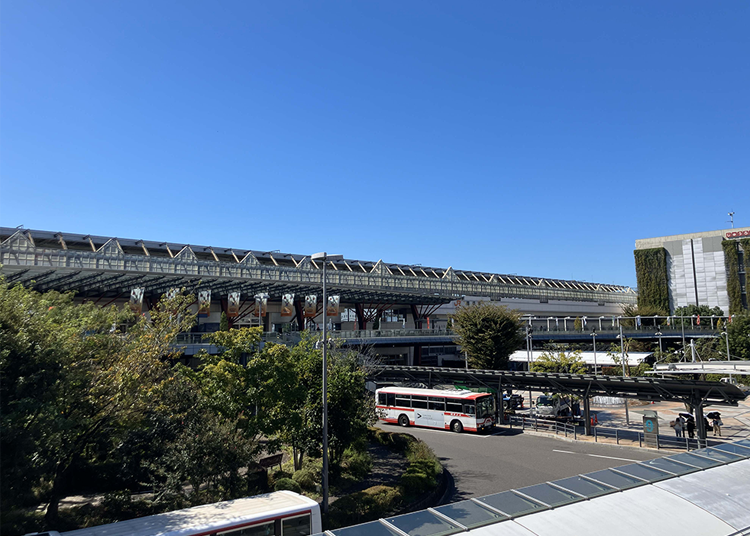
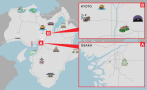
Gifu City sits almost exactly between two of Japan’s largest cities, Tokyo and Osaka, making it an easy stop to add to any itinerary. From Nagoya Station, it is just around a 20-minute ride on the JR Tokaido Line after arriving by shinkansen. Direct access is also available from Chubu Centrair International Airport, with a Meitetsu train taking about 60 minutes.
Gifu City is also a convenient base for exploring the wider region. World Heritage-listed Shirakawa-go and the popular historic town of Hida Takayama can both be reached in around two hours by express train or highway. With history, culture, and nature all within easy reach, Gifu City works surprisingly well as a central hub for traveling around Japan.
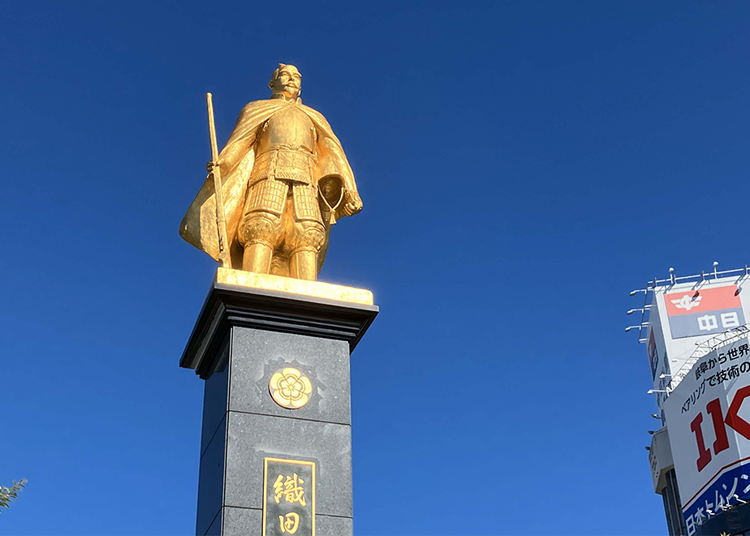
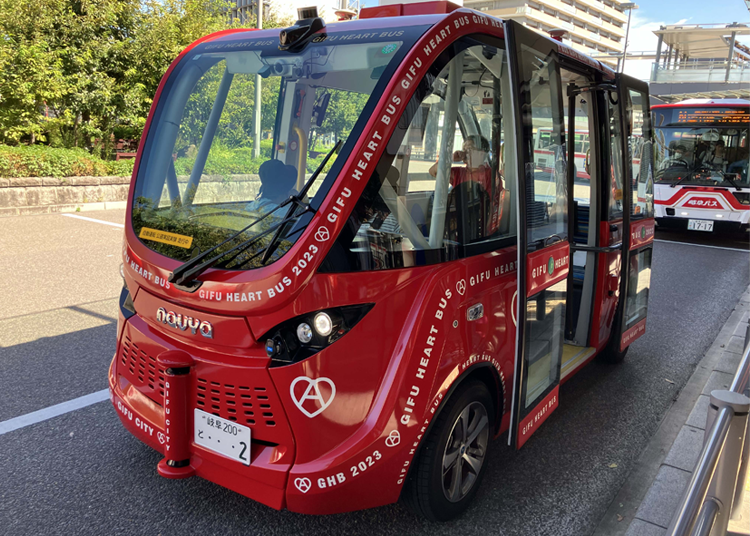
-
JR Gifu StationJR岐阜駅
-
Address
1-10 Hashimoto-cho, Gifu City, Gifu Prefecture
View Map
-
Address
1-10 Hashimoto-cho, Gifu City, Gifu Prefecture
Two Iconic Experiences That Define Gifu City
Cormorant fishing on the Nagara River: A mystical, ancient fishing tradition
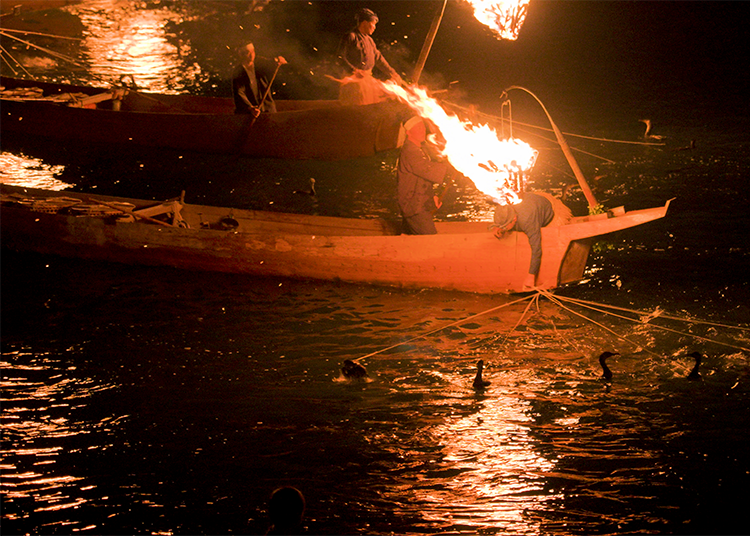
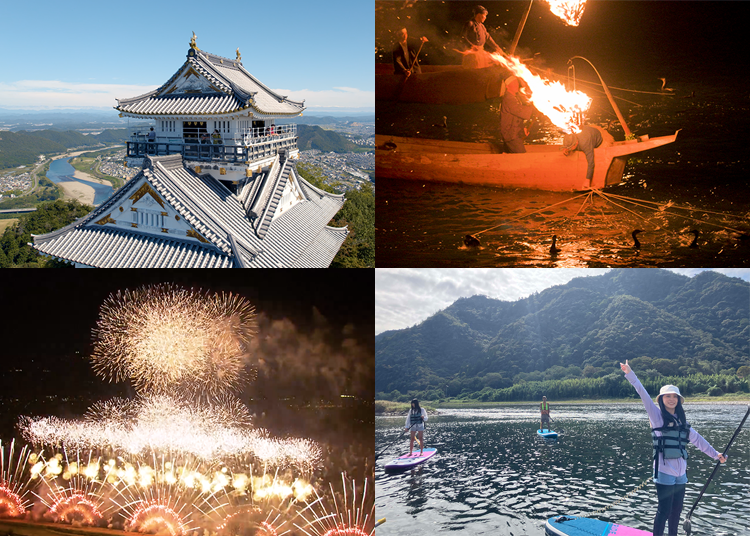
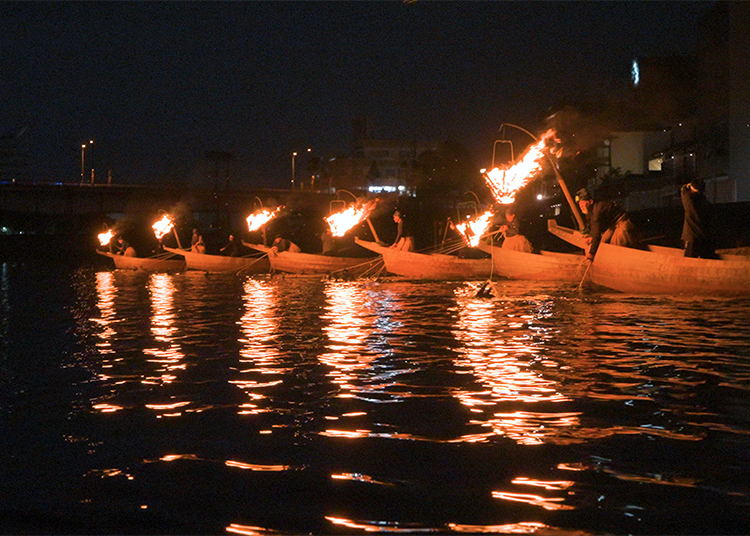
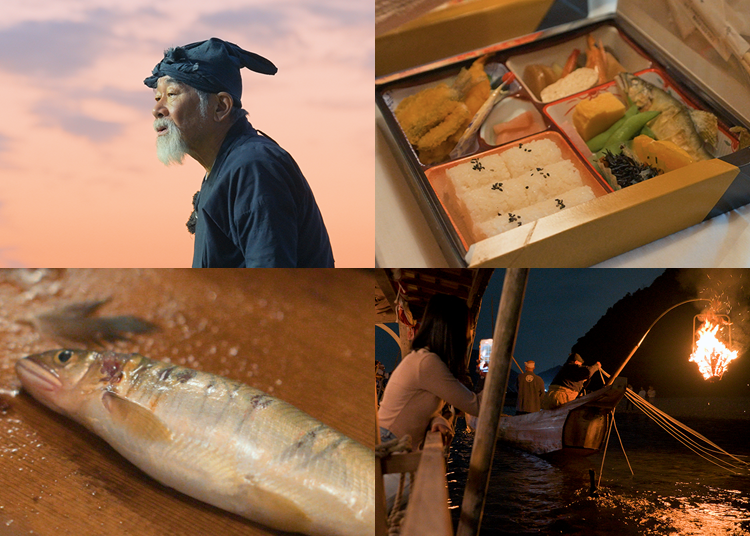
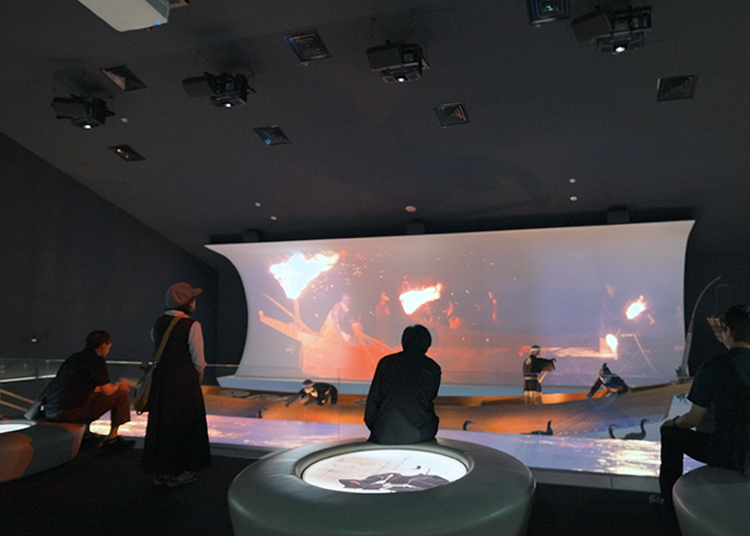
Cormorant fishing on the Nagara River, known locally as Gifu Nagaragawa no Ukai, is a traditional fishing method with a history stretching back more than 1,300 years. As darkness falls, fishermen light blazing bonfires on their boats and skillfully guide trained cormorants to catch ayu sweetfish, creating a scene that feels almost unreal.
Today, only six master fishermen carry on this tradition. Each has been officially appointed as an Imperial cormorant fisherman by the Imperial Household Agency, and the techniques and roles are passed down through generations within their families. Watching the flames flicker across the dark surface of the Nagara River, while the fishermen and birds move as one, is the true highlight of the experience.
The fishing takes place every night from May 11 to October 15. Visitors can board a sightseeing boat and observe the action up close, making it one of the most atmospheric ways to spend an evening in Gifu. If you are looking for a night that feels distinctly Japanese and deeply rooted in history, this is it.
-
Nagara River Ukai Museum長良川うかいミュージアム
-
Address
51-2 Nagara, Gifu City
View Map
-
Address
51-2 Nagara, Gifu City
Gifu Castle and its castle town: Soak up the atmosphere of an ancient capital
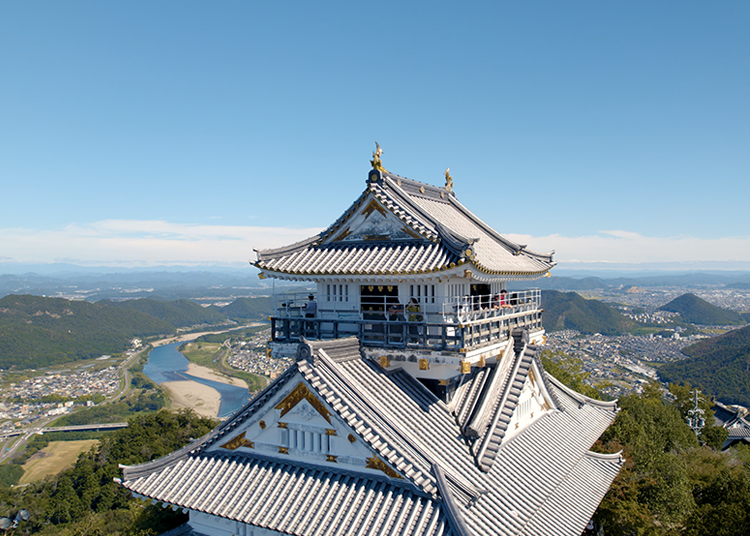
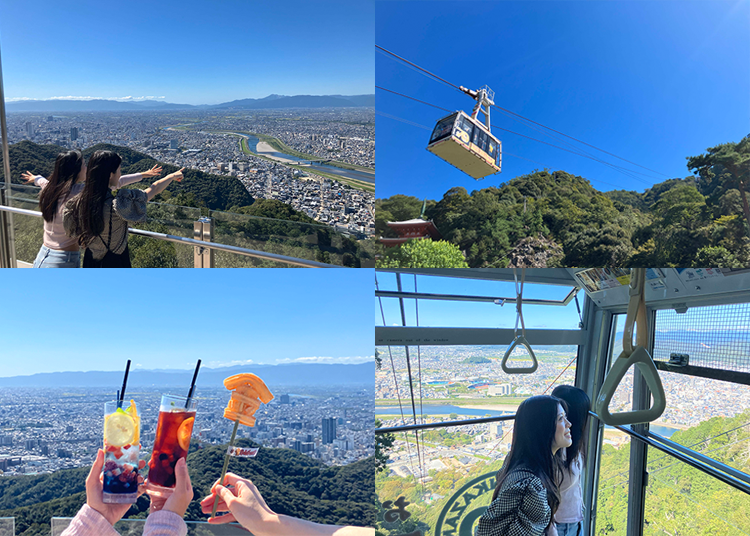
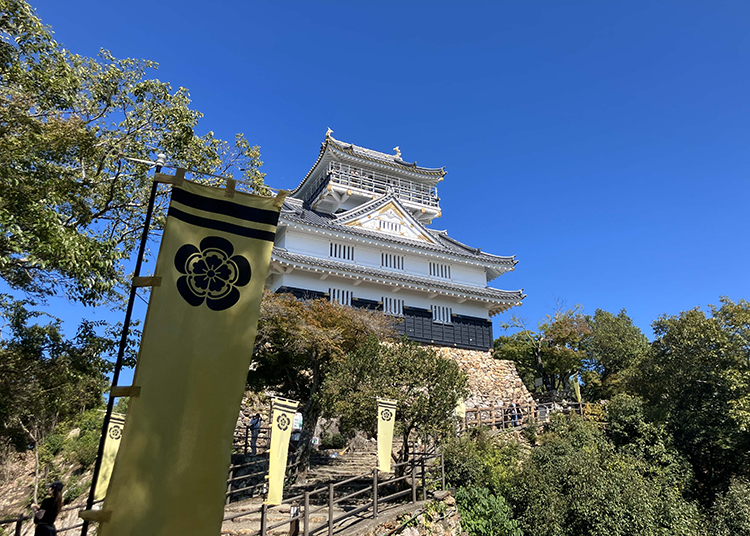
Perched on the summit of Mount Kinka, Gifu Castle is the unmistakable symbol of Gifu City. A ropeway ride takes you most of the way up the mountain, and once you reach the castle tower, you are rewarded with sweeping 360-degree views that stretch across the city and the Nagara River. On a clear day, it is one of the most impressive viewpoints in central Japan.
Part of the fun is the journey up. Along the mountain path to the castle, small cafés offer playful treats, including churros shaped like the character for “gold” and original drinks inspired by Sengoku-period warlords, a nod to the area’s deep ties to samurai history.
At the foot of the castle, Gifu-jo Rakuichi opened in April 2025. Built around the concept of savoring Gifu and experiencing Japanese hospitality, it is an easy stop for local food, light meals, and souvenir shopping before or after your climb.
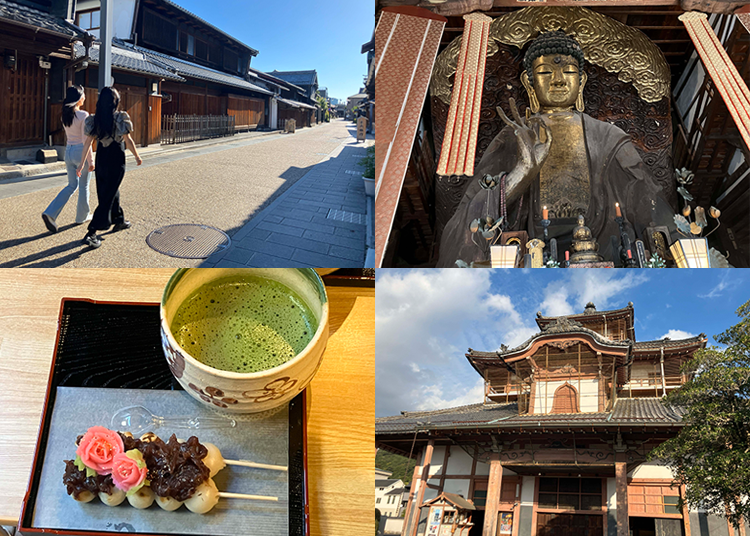
From here, continue your stroll through Kawaramachi, a historic townscape stretching west from the southern end of Nagara Bridge. With its lattice-fronted buildings, riverside atmosphere, and casual eateries, it is a great area for wandering at a relaxed pace.
History lovers should also make time for the Gifu Great Buddha at Shoboji Temple. Counted among Japan’s Three Great Buddhas, it is the largest dry-lacquer Buddha statue in the country, notable for its rare bamboo framework.
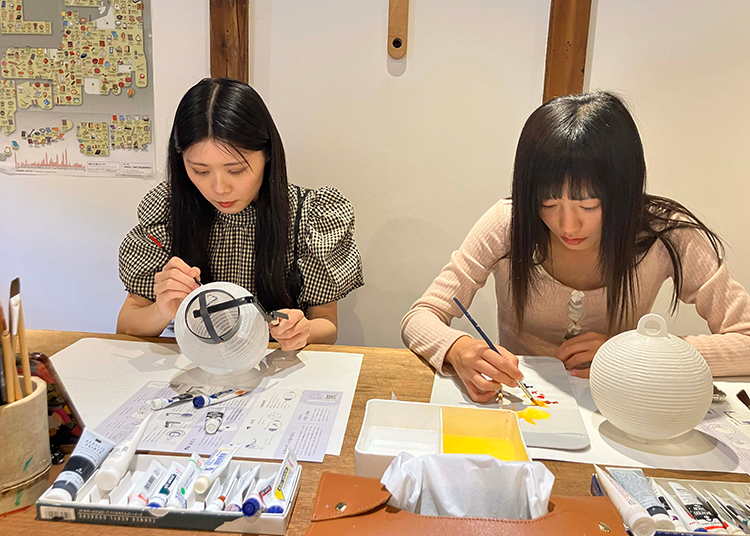
With dramatic views, centuries of history, and a walkable castle town full of character, this area lets you experience the many layers of Gifu City in one rewarding visit.
-
Gifu Castle岐阜城
-
Address
18 Tenshukaku, Gifu City, Gifu Prefecture
View Map
-
Address
18 Tenshukaku, Gifu City, Gifu Prefecture
-
Gifu-jo Rakuichi岐阜城楽市
-
Address
1 Omiya-cho, Gifu City, Gifu Prefecture
View Map
-
Address
1 Omiya-cho, Gifu City, Gifu Prefecture
-
Gifu Great Buddha (Shoboji Temple)岐阜大仏(正法寺)
-
Address
8 Daibutsu-cho, Gifu City, Gifu Prefecture
View Map
-
Address
8 Daibutsu-cho, Gifu City, Gifu Prefecture
-
Nagara River Teshigoto Machiya CASA長良川てしごと町家CASA
-
Address
6 Tamai-cho, Gifu City, Gifu Prefecture
View Map
-
Address
6 Tamai-cho, Gifu City, Gifu Prefecture
More to explore: Charming tourist spots to discover in Gifu
The latest activities to enjoy on the Nagara River
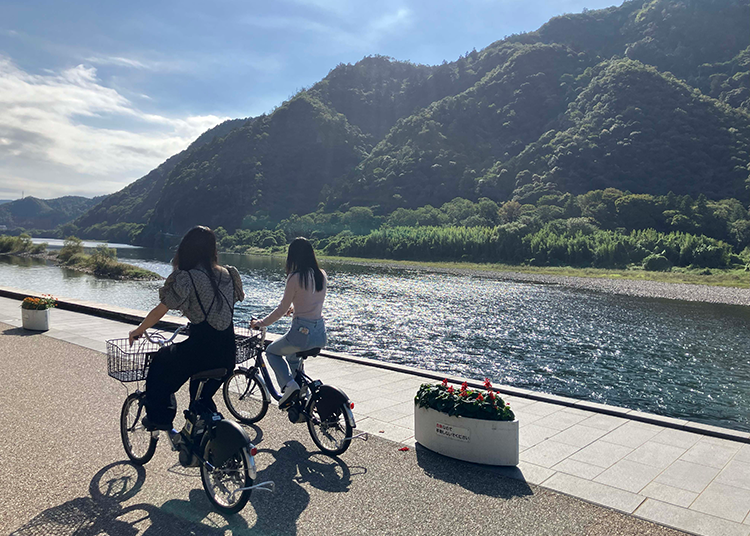
Beyond its history and traditional sights, Gifu City has been drawing attention for newer activities that let visitors enjoy both the city and the natural beauty of the Nagara River.
One of the easiest ways to get around is Gifu-ride, a smartphone-based bike-sharing service. With 29 cycle ports spread across the city, you can pick up a bike wherever it suits you and return it at another location. It is a relaxed and flexible way to explore the city center, the castle town, and riverside paths, especially if you want to move at your own pace.
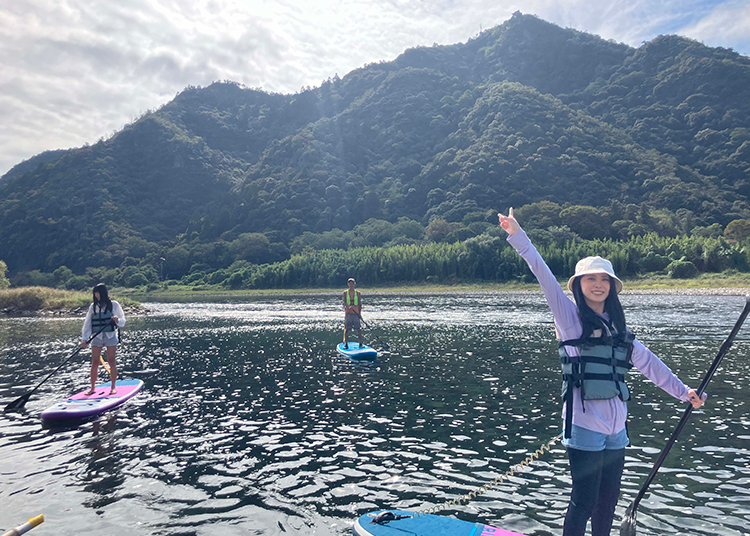
For a more hands-on experience with nature, the Nagara River also offers Stand Up Paddling, or SUP. From the water, you can look up and see Mount Kinka rising above the river, with Gifu Castle perched at its summit. It is a refreshing way to experience Gifu’s landscape, combining open-air views with a sense of calm that feels far removed from the city, even though you are right in the middle of it.
Savor Gifu’s cuisine, shaped by clear streams and fertile land
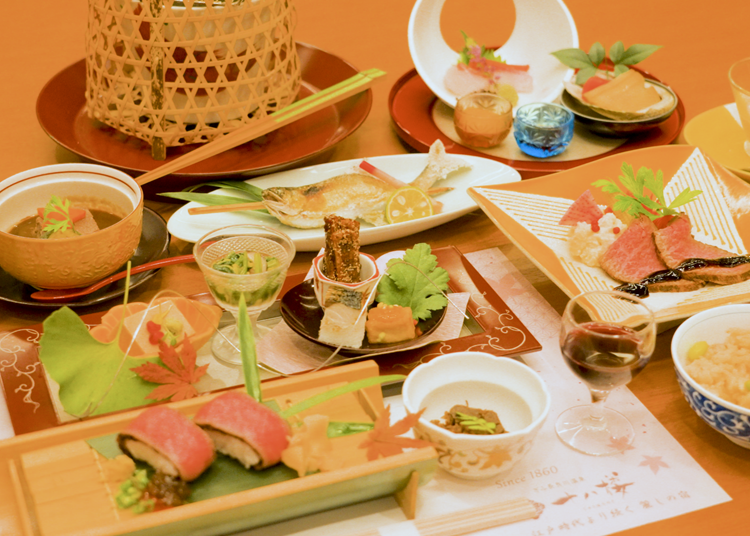
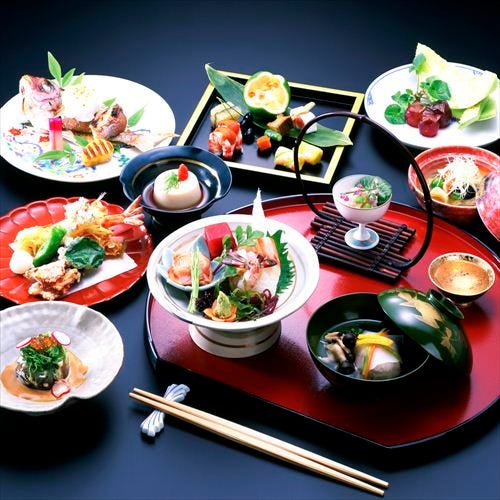
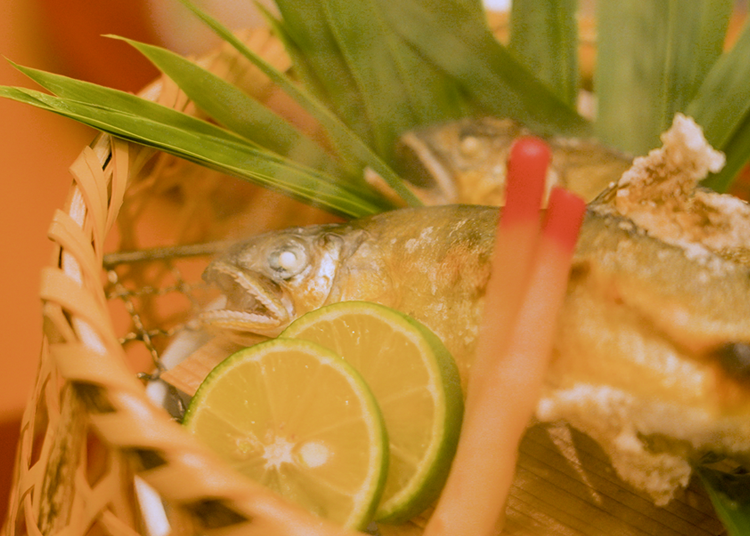
You cannot visit Gifu without trying the delicious local cuisine, including sweetfish, which is particularly exquisite when caught wild in the Nagara River. Known for their refined aroma and delicate flavor, ayu can be enjoyed in many forms around the city, including simple salt grilling, dengaku-style with miso, or even as sashimi. Ayu caught through traditional cormorant fishing are particularly rare, identifiable by the subtle marks left by the birds’ beaks.
Gifu is also famous for Hida Beef, one of Japan’s most respected premium beef brands. Its fine texture and beautifully balanced marbling create a rich flavor that melts in your mouth. Whether served as a steak or in shabu-shabu, it is a must-try for anyone interested in Japanese food culture. From river fish shaped by pristine waters to beef raised on fertile land, Gifu’s local flavors reflect the environment that surrounds the city.
-
Nagaragawa Onsen Juhachiro長良川温泉 十八楼
-
Address
10 Minato-machi, Gifu City, Gifu Prefecture
View Map
Vacancy search, reservation
-
from 19,800JPY 1room, 2adults
Check with our partner site as the latest rates, rate details, and guest room requirements may vary.
-
Address
10 Minato-machi, Gifu City, Gifu Prefecture
Enjoy Gifu’s vibrant nightlife
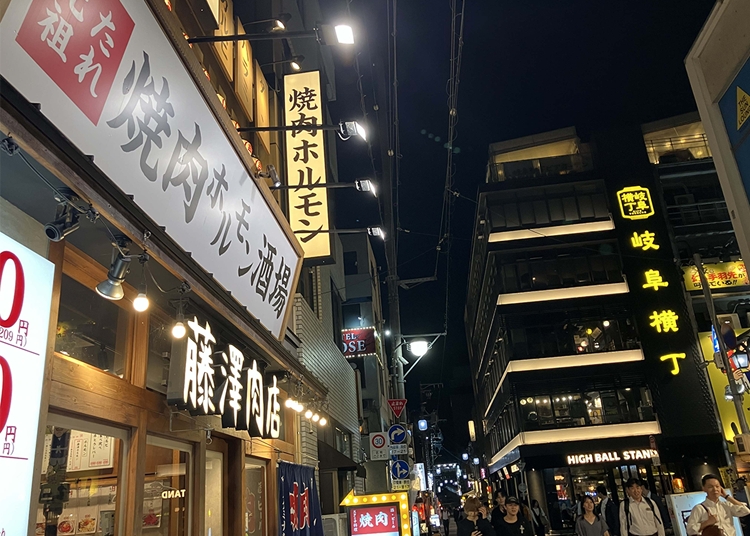
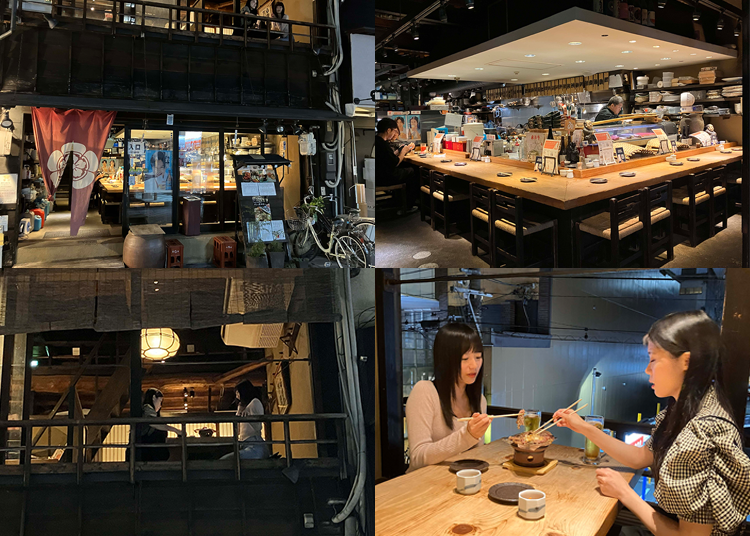
Just a few minutes on foot from JR Gifu Station and Meitetsu Gifu Station, the Tamamiya area is the heart of Gifu’s night scene. Streets here are lined with izakaya, bars, and casual eateries where you can enjoy local dishes and regional sake, with many spots staying open late into the night. It is an easy, welcoming area to explore, even if it is your first evening in the city.
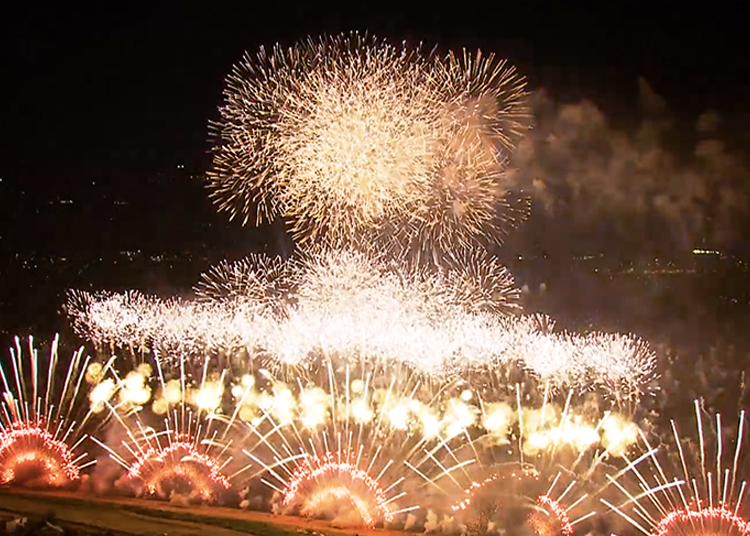
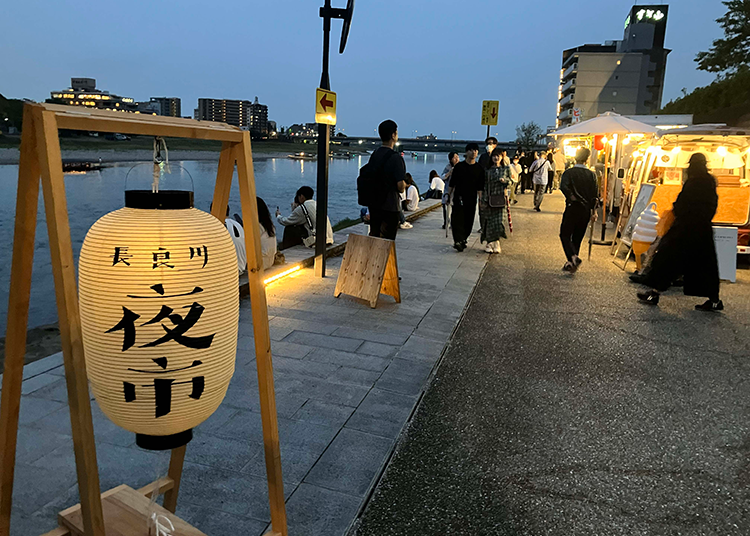
Gifu’s nights are also shaped by seasonal events. In summer, the city comes alive with evening experiences such as traditional cormorant fishing on the Nagara River, the huge, nationally famous Gifu Nagara River Fireworks Festival, and the Nagaragawa Night Market, where food stalls line the riverside on weekends during the cormorant fishing season. In winter, the atmosphere shifts with Gifu Akari Monogatari, a light-up event featuring Gifu’s traditional umbrellas and lanterns.
All these nighttime events allow visitors to fully enjoy Gifu’s evenings, where history and bustle intertwine.
-
Shinsei Hanba Sakaba Burassai Honten新生飯場酒房 ぶらっ菜本店
-
Address
1-5 Sumida-machi, Gifu City, Gifu Prefecture
View Map
-
Address
1-5 Sumida-machi, Gifu City, Gifu Prefecture
An area filled with Instagrammable spots!
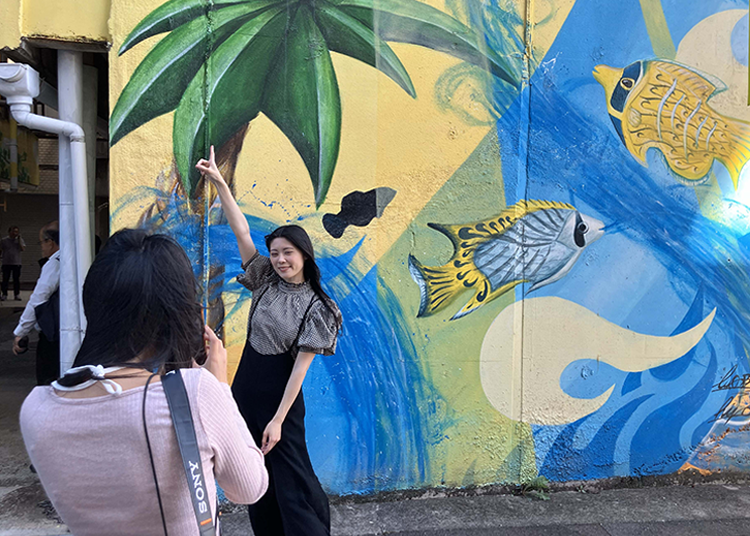
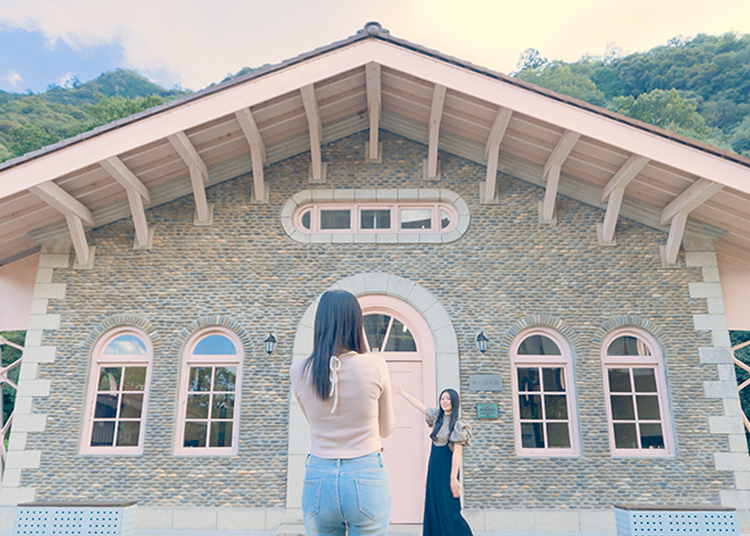
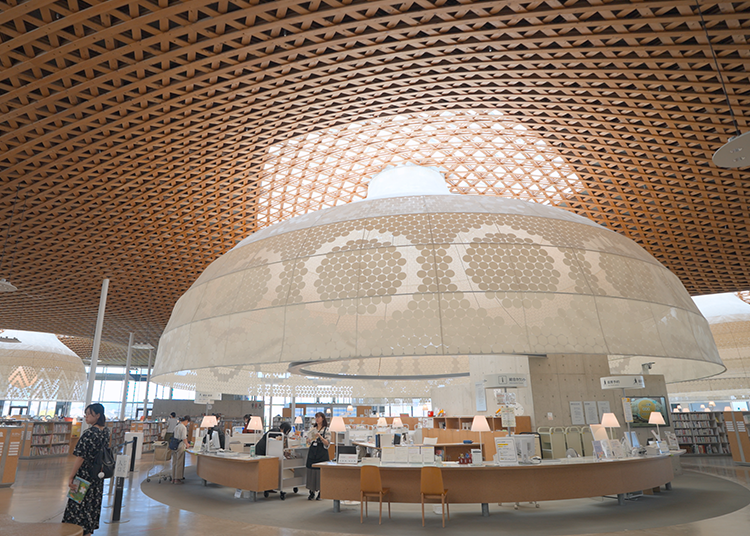
Gifu has many photogenic locations, including the Toiyamachi wall art, which has been gaining attention in recent years. You can pose in front of the large and colorful murals for unique photos.
The Water Museum and Water Experience Learning Center, where you can learn about the Nagara River and its precious waters, is a hidden photo spot characterized by architecture reminiscent of picture books. Of course, the Gifu Great Buddha at Shoboji Temple, which is considered one of Japan’s Three Great Buddhas, the magical cormorant fishing at night, and the fireworks festival also make for special shots. And, you can have fun exploring the castle town while looking for Instagrammable foods!
Gifu City is also a hot springs town!
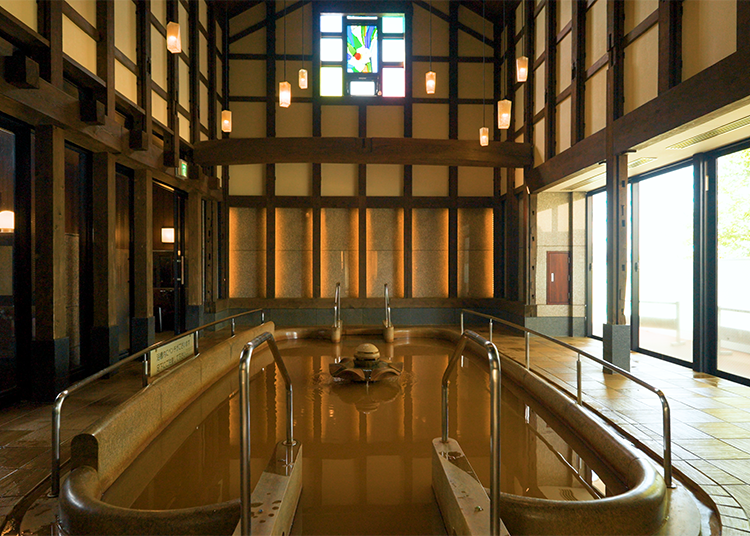
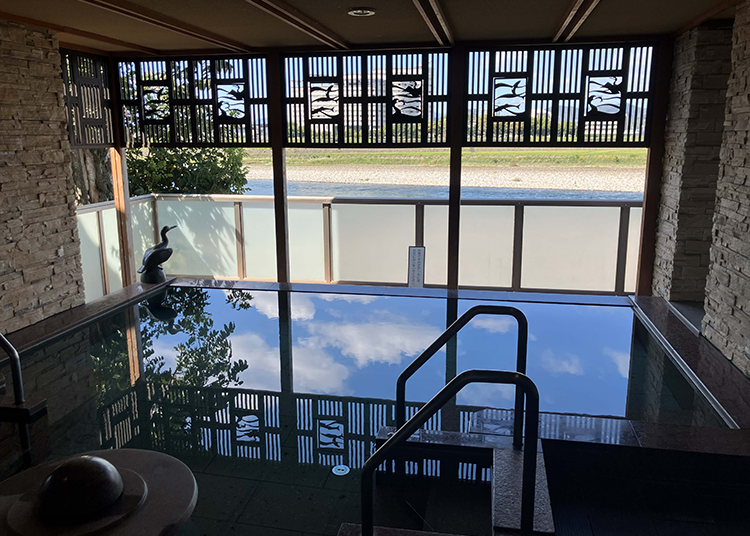
While Gifu City is best known for iconic sights like cormorant fishing and Gifu Castle, it also has a quieter reputation as a hot spring town. Along the banks of the Nagara River, Nagaragawa Onsen offers a calm, atmospheric retreat with views of both the river and the castle rising above it.
The onsen here are known for their distinctive copper-colored water, often called the “golden bath,” which is rich in iron. These mineral-rich waters are said to help relieve fatigue and support healthy skin, making them ideal after a day of sightseeing. Many accommodations in the area feature open-air baths overlooking the Nagara River, allowing guests to soak while taking in the scenery at a relaxed pace.
Weather and suitable clothing for sightseeing in Gifu
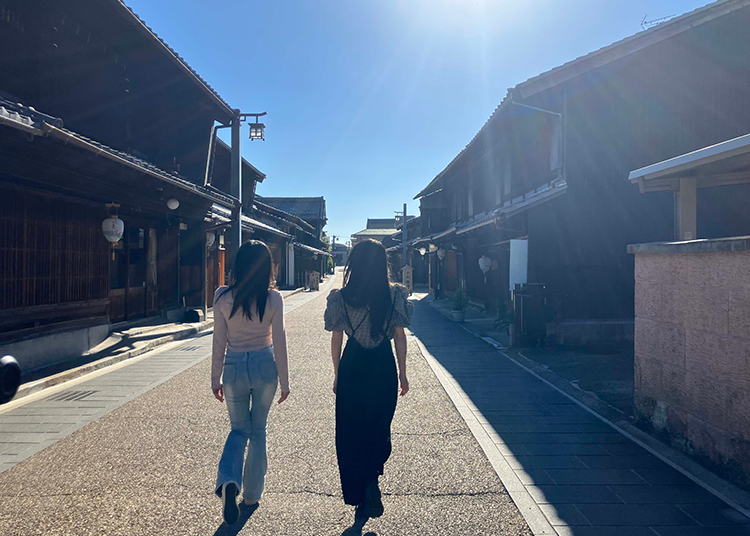
Before visiting Gifu City, it helps to plan your clothing with the seasons in mind, as the city experiences clear changes throughout the year.
Spring and autumn are generally the most comfortable times to visit, with temperatures typically ranging from around 15–25°C (59–77°F). Long-sleeved shirts or light knitwear work well, and it is a good idea to bring a jacket or cardigan for cooler mornings and evenings.
Summer can be very hot, with many days exceeding 30°C (86°F). Light, breathable clothing such as short-sleeved shirts, T-shirts, or sleeveless tops is recommended to stay comfortable while sightseeing.
Winter brings colder conditions, with temperatures sometimes dropping below 10°C (50°F). A warm, thick coat is essential during this season. Snowfall in the city center is rare, but the air can feel quite chilly, especially near the river.
Please come to Gifu on your next trip to Japan!
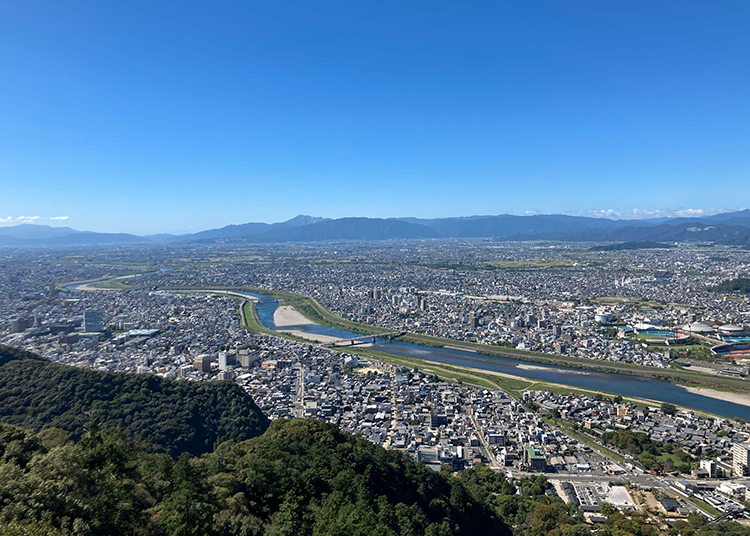
Gifu is a captivating city where the history of Oda Nobunaga, the traditional streets, the clear waters of the Nagara River, and the vibrant local culture coexist. Here, you can enjoy both traditional and modern activities for a wonderful journey.
- Area
- Category
*Prices and options mentioned are subject to change.
*Unless stated otherwise, all prices include tax.
Popular Tours & Activitiess
-
Feel Shibuya in a New Way! Enjoy A Cultural Ride on the Open-Top SHIBUYA STREET RIDE
by: Guest Contributor
-
Ad

Sharing Japan's Secrets of Longevity with the World: "Noage International" Delivers a New Medical Tourism Experience
-

Front-Row Seat by the Sea: Inside the Newly Opened La Vista Atami Terrace and Its Unique Everyday Escape
by: Yukiko Honda
-

No Suitcases, No Stress! Tokyo's Haneda Airport Begins New Same-Day Haneda Luggage Delivery
by: Guest Contributor
-
What is 'Craft Sake'? Learning Directly from Tochigi's Master Brewers
by: Timothy Sullivan
-
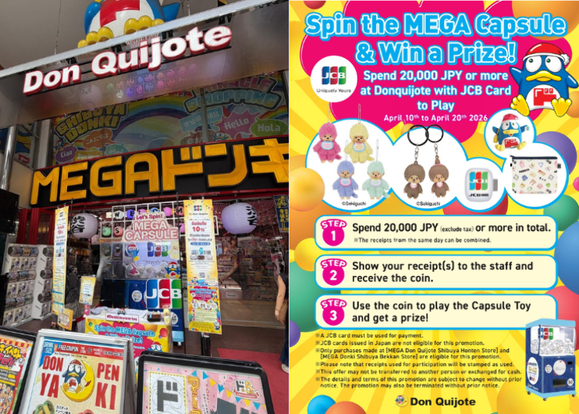
Giant Gacha Machine Appears at MEGA Don Quijote Shibuya! Shop with Your International JCB Card to Win Exclusive Prizes
Inspiration for Accommodations
-
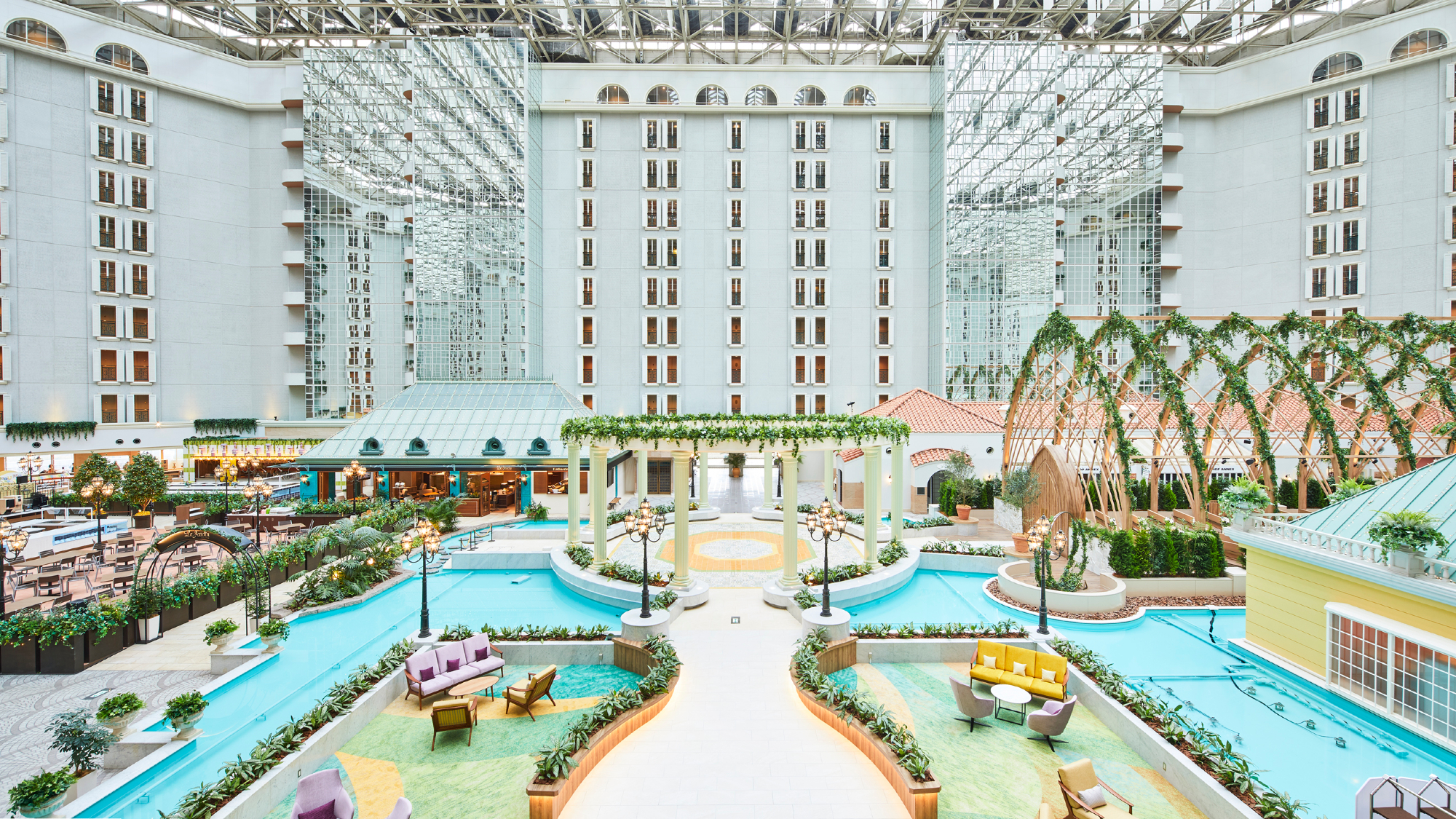
Family-Friendly Hotels with Free Shuttle to Disneyland: Convenient Access for a Magical Stay
-
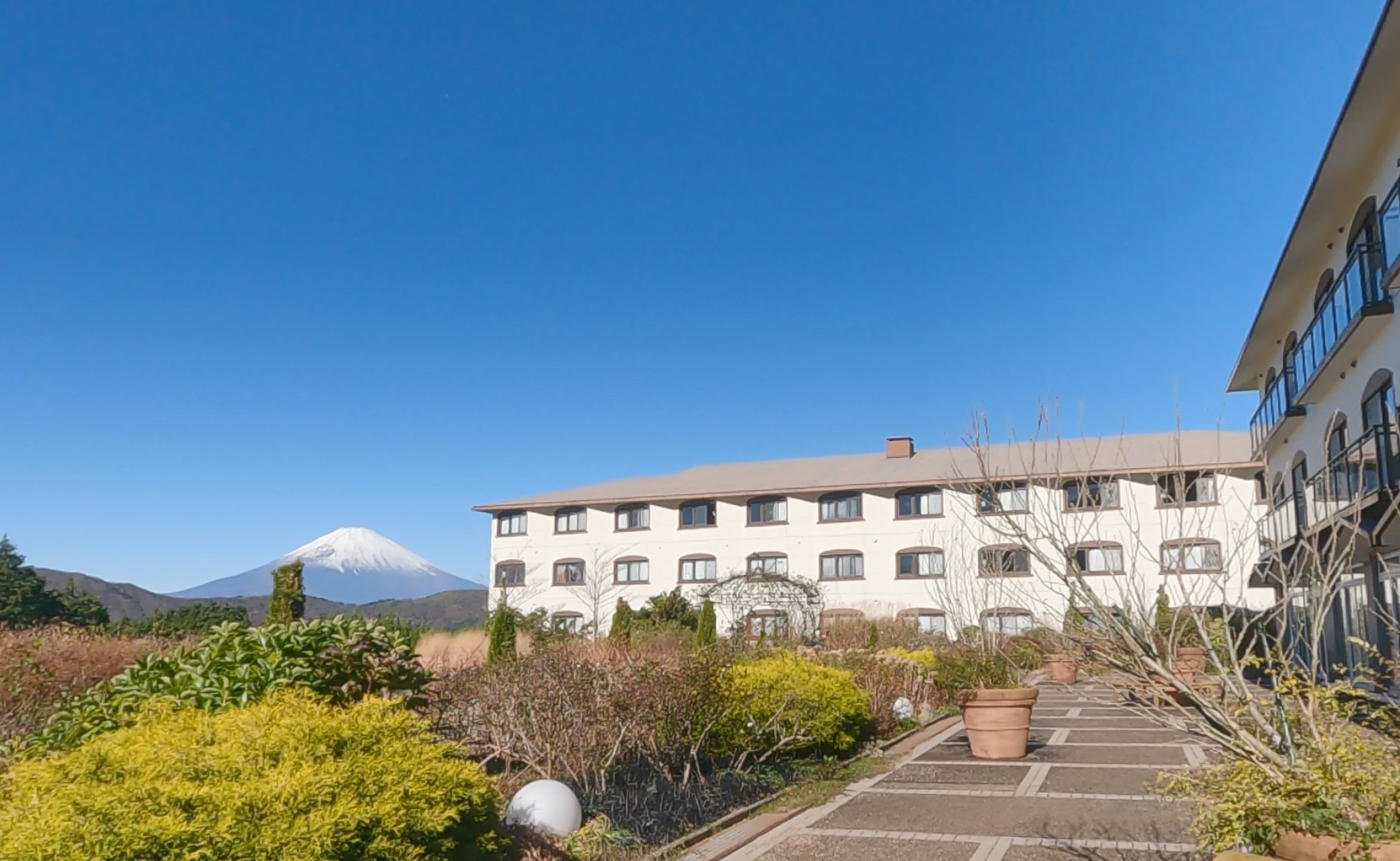
Top Ranked Hakone Hotels with Mt. Fuji View: Enjoy Stunning Scenery from Your Private Space
-
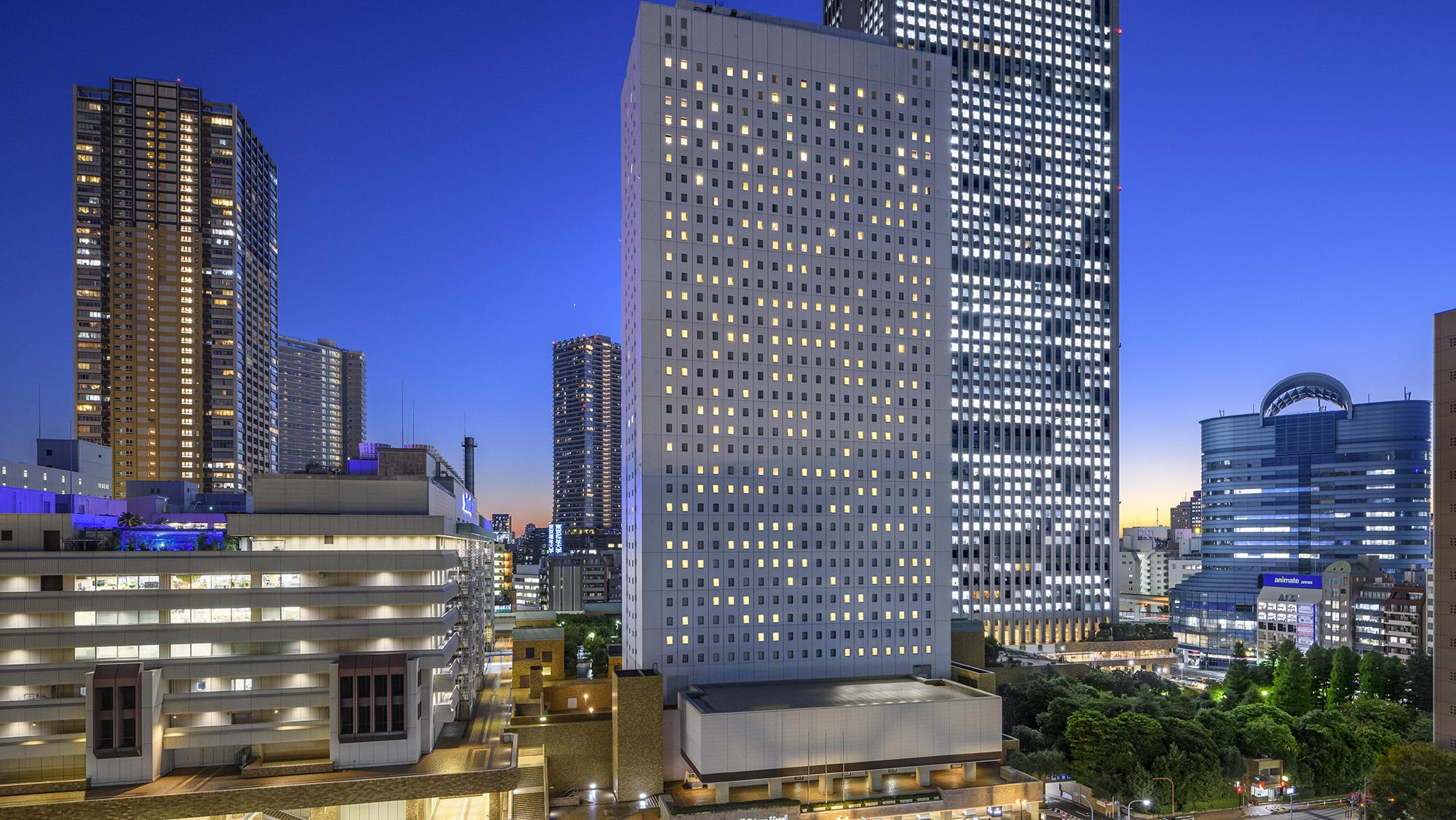
Convenient Tokyo Hotels with Airport Shuttle: Ideal for Families and Heavy Luggage
-
9 Family-Friendly Hotels with Comfortable Family Rooms in Asakusa
-
10 Open-air bath Onsen Ryokans in Hakone for Ultimate Relaxation
-
8 Unfamiliar (But Totally Normal) Customs in Japan!
-

Looking for a Different Kind of Animal Café in Tokyo? Try Hedgehogs!
-

Tokyo’s Secret Coin Locker Spots: Big Enough for Suitcases!
-

Best Views in Tokyo: Top 5 Spots for Seeing Tokyo's Iconic Skyline in 1 Day
-
Tokyo Roppongi|Roppongi Station Area Map & Sightseeing Information
-
Guide to Tokyo's Old Quarter: 7 Quaint Spots in Yanesen!
- #best ramen tokyo
- #what to buy in ameyoko
- #what to bring to japan
- #new years in tokyo
- #best izakaya shinjuku
- #things to do tokyo
- #japanese nail trends
- #what to do in odaiba
- #onsen tattoo friendly tokyo
- #daiso
- #best sushi ginza
- #japanese convenience store snacks
- #best yakiniku shibuya
- #japanese fashion culture
- #best japanese soft drinks