




Planning a trip to Fukuoka? Kyushu’s largest city packs famous food stalls, ramen, historic shrines, waterfront parks, shopping, art, and easy day trips into a surprisingly compact destination. Here are 26 of the best things to do in Fukuoka, plus tips on where to stay, how to get around, and how many days to spend.
(This article may contain affiliate links; all featured products are selected based on our editorial standards)
Why visit Fukuoka?
Fukuoka is one of Japan’s easiest big cities to enjoy. Hakata and Tenjin provide the energy, shopping, and nightlife of a major urban center, while beaches, parks, historic districts, and islands are all surprisingly close.
Food is one of the biggest reasons to visit. The city is known for Hakata ramen, motsunabe, mizutaki, seafood, and its famous yatai street-food culture, with more than 100 food stalls operating around the city.
Another advantage is its convenience. Fukuoka Airport is extraordinarily close to downtown: the subway journey to Hakata Station takes around 5 minutes and Tenjin around 10 minutes.
- How long to stay: Two days is enough for Fukuoka’s major sights and food experiences; three days gives you time for Dazaifu, Itoshima, or another excursion.
- Best areas to stay: Hakata for transport convenience; Tenjin for shopping, restaurants, and nightlife; Nakasu for evening entertainment and yatai.
- Getting around: Subway, buses, Nishitetsu trains, and walking cover most sightseeing needs.
- Useful transport pass: The Fukuoka City Subway 1-Day Pass costs 640 yen for adults and 320 yen for children and allows unlimited subway rides for one day.
- Best overall seasons: Spring and autumn offer comfortable sightseeing weather, while summer is particularly exciting for Fukuoka’s major festivals.
26 best things to do in Fukuoka
From waterfront parks and centuries-old shrines to ramen, yatai, and easy island escapes, Fukuoka packs a surprising amount into a compact area. Many of the city's major sights can be grouped together, making it easy to experience several in a single morning or afternoon.
1. Relax beside the water at Ohori Park
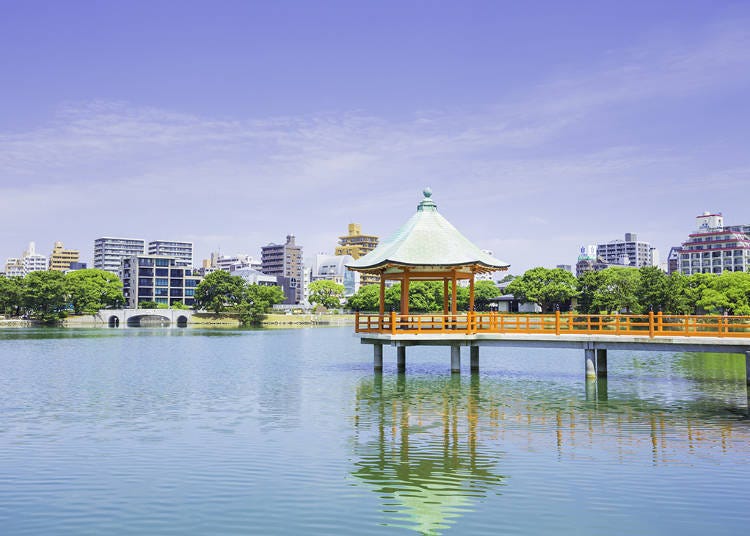
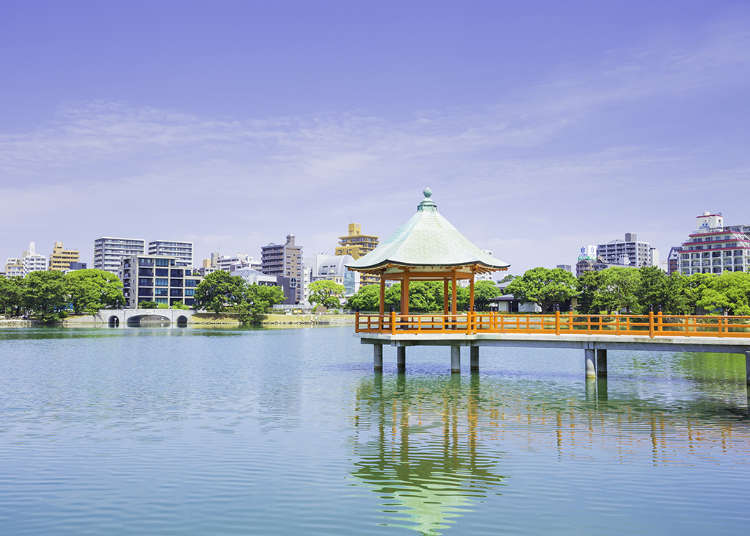
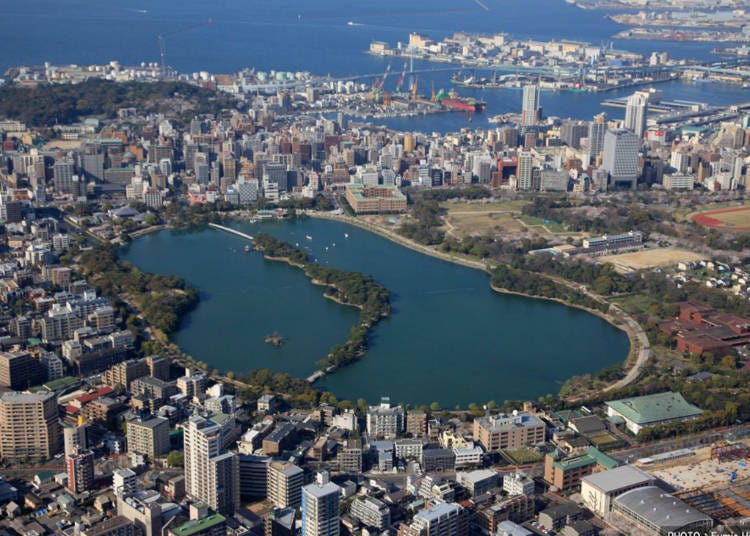
One of Fukuoka's most popular green spaces, Ohori Park centers on a large pond surrounded by a roughly 2-kilometer walking and jogging path, with bridges leading across several small islands.
There is also a deeper history behind the scenery. The name Ōhori means "large moat", referring to the area's former role in the defenses of Fukuoka Castle. This was once marshland connected to Hakata Bay, and when Kuroda Nagamasa built Fukuoka Castle in the early 17th century, part of the inlet was incorporated into the castle's outer moat. The area was later landscaped as a public park, opening in 1929.
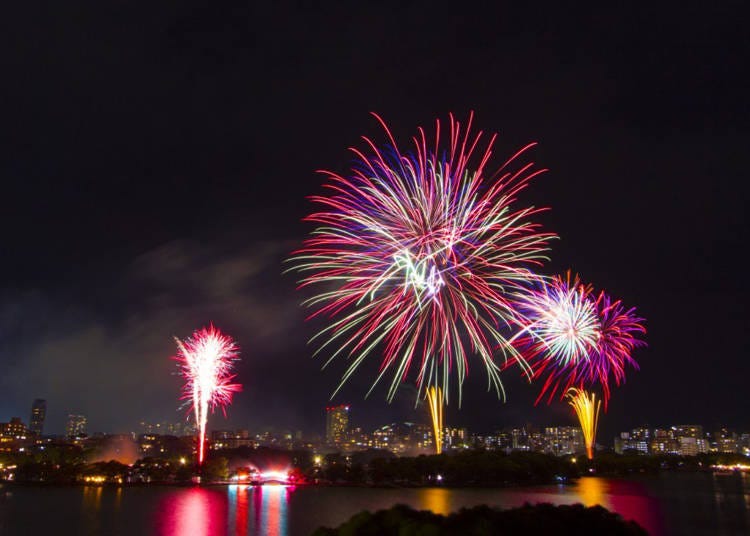
Today, it is an easy place to slow down between sightseeing stops, whether you rent a boat, walk across the islands, or simply find a bench overlooking the water. The Fukuoka Art Museum and a traditional Japanese garden are also located within the park.
Good to know: Ohori Park sits directly beside Maizuru Park and the Fukuoka Castle Ruins, making it easy to visit all three together.
-
Ohori Park大濠公園
-
Address
1 Ohorikoen, Chuo Ward, Fukuoka, 810-0051
View Map
-
Address
1 Ohorikoen, Chuo Ward, Fukuoka, 810-0051
2. Explore the ruins of Fukuoka Castle
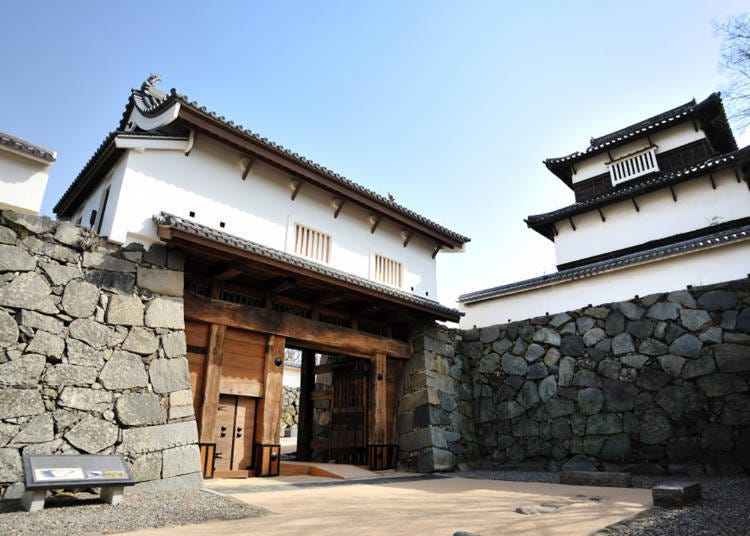
Continue from Ohori Park into neighboring Maizuru Park to explore the remains of Fukuoka Castle. Kuroda Nagamasa, the first lord of the Fukuoka Domain, began building the castle in 1601, with construction taking around seven years. At its height, the vast complex had nearly 50 turrets and more than 10 gates, making it one of Kyushu's largest castles.
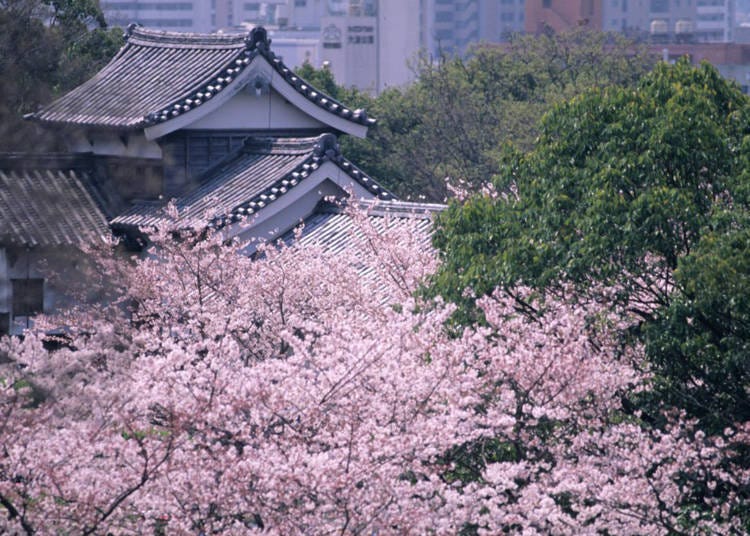
Most of the original buildings disappeared during the Meiji period, but imposing stone walls, gates, and several turrets remain. Tamon-yagura is particularly significant as the only surviving turret that has stood in its present location since the Edo period and is designated an Important Cultural Property. Shiomi-yagura, meanwhile, was restored to the castle grounds in spring 2025 after research identified a structure relocated to nearby Sofukuji Temple as the authentic turret.
Climb to the former main keep foundations for sweeping views across Fukuoka City and Hakata Bay. In spring, the surrounding Maizuru Park also becomes one of the city's most popular cherry blossom spots.
Good to know: Whether a main castle tower was ever actually built remains a matter of historical debate, adding another small mystery to the ruins.
-
Fukuoka Castle Ruins福岡城跡
-
Address
1 Jonai, Chuo Ward, Fukuoka, 810-0043
View Map
-
Address
1 Jonai, Chuo Ward, Fukuoka, 810-0043
3. See a 2,000-year-old National Treasure at Fukuoka City Museum
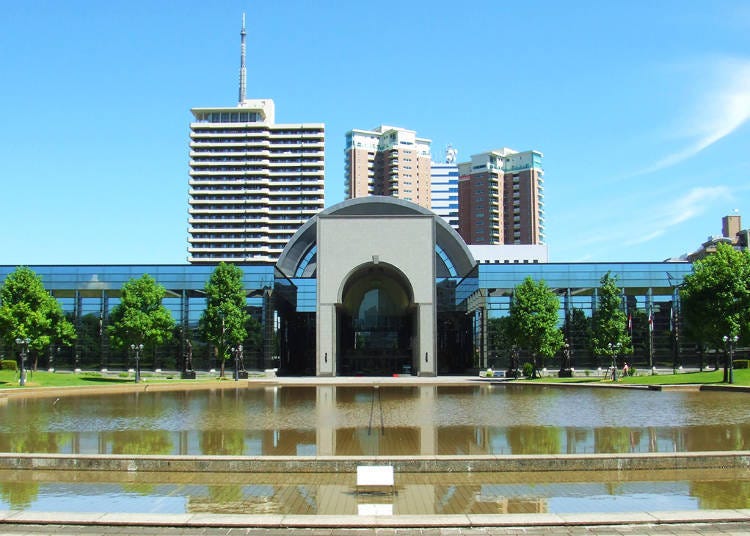
Fukuoka's location facing the Korean Peninsula and mainland Asia has shaped the city for centuries, and Fukuoka City Museum is one of the best places to understand that history.
The star exhibit is the tiny Gold Seal, discovered on Shikanoshima Island in 1784. Inscribed with characters referring to the "King of Na," it is believed to have been presented by Emperor Guangwu of China's Han dynasty to envoys from this region in 57 CE and is now designated a National Treasure.
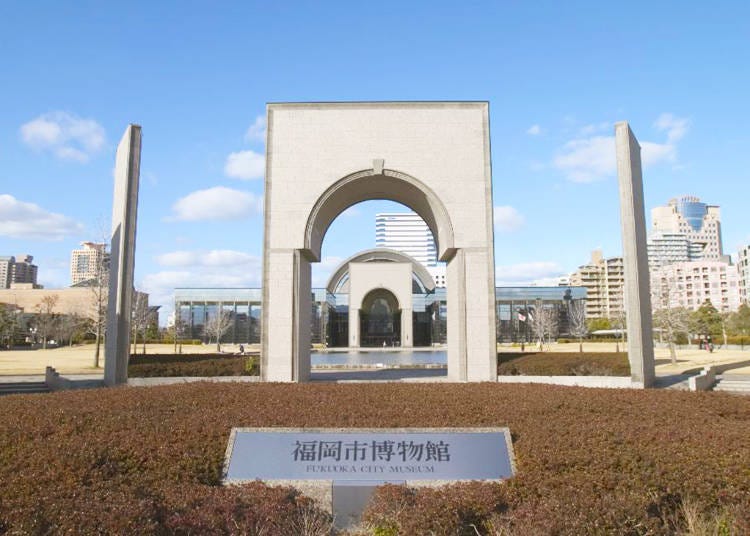
Another highlight is Nihongo, an imposing weapon counted among the Three Great Spears of Japan and celebrated in the traditional song Kuroda Bushi. The permanent galleries also trace Fukuoka's development from an ancient gateway to Asia through the era when the merchant town of Hakata and castle town of Fukuoka existed side by side.
Families should also look for the free Touch and Experience Room, where visitors can handle instruments and try activities connected with cultures from across Asia.
Pair it with: Fukuoka Tower and Momochi Seaside Park are both nearby, making the museum an easy part of a Momochi half-day itinerary.

-
Fukuoka City Museum福岡市博物館
-
Address
3 Chome-1-1 Momochihama, Sawara Ward, Fukuoka, 814-0001
View Map
-
Address
3 Chome-1-1 Momochihama, Sawara Ward, Fukuoka, 814-0001
4. Take in the view from Fukuoka Tower
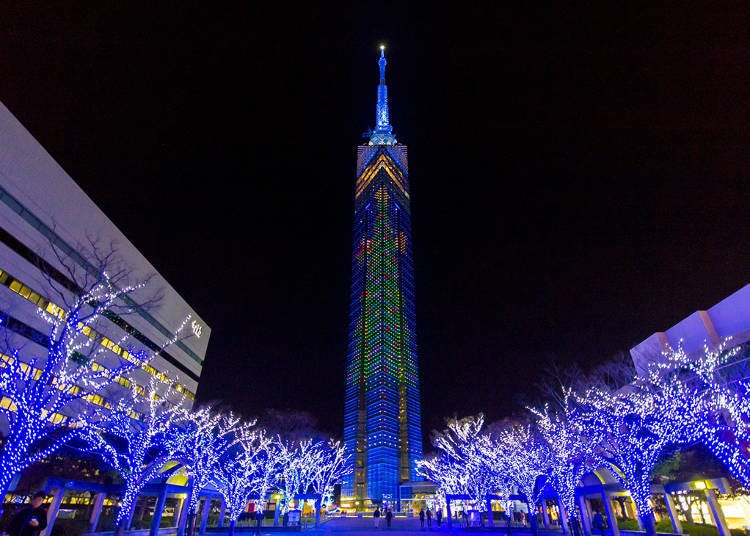
At 234 meters tall, Fukuoka Tower is one of the city's most recognizable landmarks, but its shimmering exterior has an interesting story of its own.
The tower was built as a monument for Fukuoka City's centennial and the 1989 Asia-Pacific Exposition. Its triangular exterior is covered with around 8,000 half-mirrors, giving it the nickname "Mirror Sail."
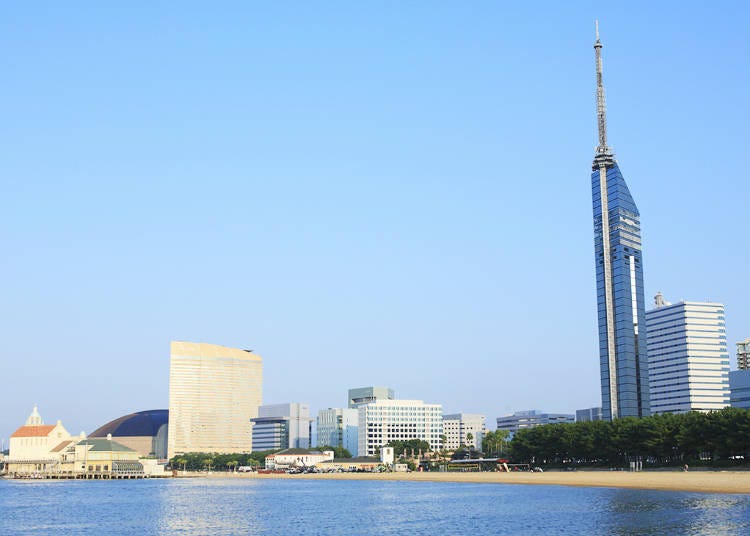
The highest observation room sits 123 meters above ground, providing a 360-degree panorama over Fukuoka City, Hakata Bay, and the surrounding waterfront. Late afternoon is a particularly good time to visit, as you can see the landscape in daylight, catch the sunset, and stay as the city lights begin appearing below.
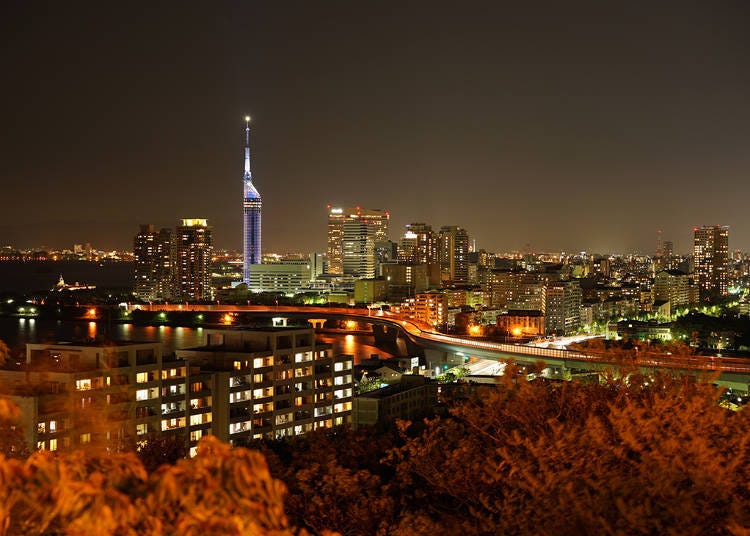
After dark, the tower itself becomes part of the scenery, with illuminations changing according to the season and special occasions.
-
Fukuoka Tower福岡タワー
-
Address
2 Chome-3-26 Momochihama, Sawara Ward, Fukuoka, 814-0001
View Map
-
Address
2 Chome-3-26 Momochihama, Sawara Ward, Fukuoka, 814-0001
5. Take a seaside stroll at Momochi Seaside Park
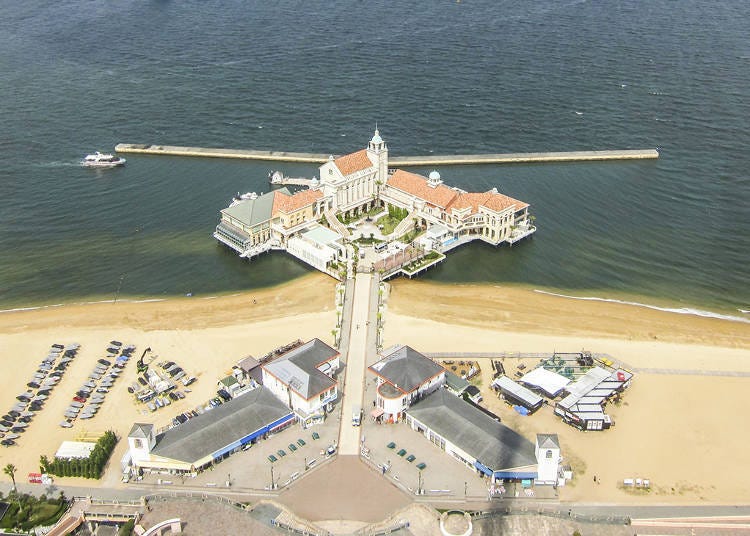
Just below Fukuoka Tower, Momochi Seaside Park brings a sandy waterfront surprisingly close to the center of a major Japanese city.
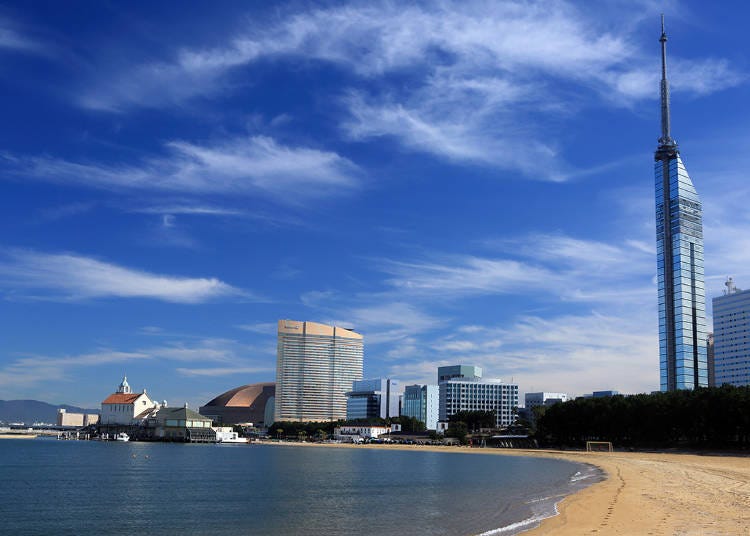
The artificial beach stretches along Hakata Bay and is popular for walking, jogging, beach sports, and relaxing beside the water. At its center is Marizon, a waterfront complex extending out over the sea with restaurants and event spaces.
The area takes on a different atmosphere after sunset, when the lights of the Momochi skyline reflect across the water. Its combination of sea views and city lights has long made it a popular date spot among Fukuoka locals.
Suggested route: Fukuoka City Museum → Fukuoka Tower → Momochi Seaside Park.
-
Momochi Seaside Park百道浜地区福岡市海浜公園
-
Address
2 Chome-902-1 Momochihama, Sawara Ward, Fukuoka, 814-0001
View Map
-
Address
2 Chome-902-1 Momochihama, Sawara Ward, Fukuoka, 814-0001
6. Step into the interactive world of teamLab Forest
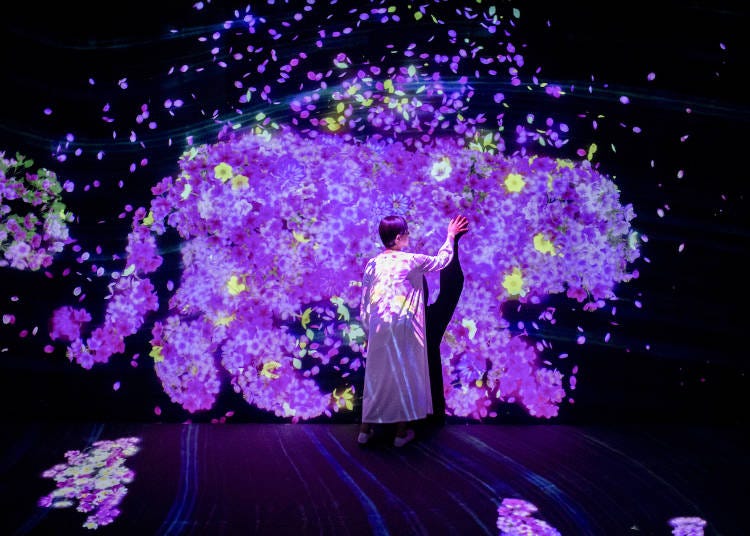
For something completely different, head to BOSS E・ZO FUKUOKA next to Mizuho PayPay Dome.
teamLab Forest combines interactive digital artwork with spaces designed around movement, exploration, and discovery. In its Catching and Collecting Forest, for example, visitors use a smartphone to interact with digital creatures and build a virtual collection.
It is particularly useful to keep in mind for families, digital-art fans, or rainy days.
-
teamLab Forest Fukuokaチームラボフォレスト 福岡 - SBI証券
-
Address
5F BOSS E・ZO FUKUOKA, 2-2-6 Jigyohama, Chuo Ward, Fukuoka 810-0065
View Map
-
Address
5F BOSS E・ZO FUKUOKA, 2-2-6 Jigyohama, Chuo Ward, Fukuoka 810-0065
7. Meet Fukuoka's giant Gundam
Outside Mitsui Shopping Park LaLaport Fukuoka stands one of the city's hardest attractions to overlook: a life-size RX-93ff ν Gundam.
Reaching 24.8 meters at its highest point, it is the tallest of Japan's life-size Gundam statues. Scheduled presentations bring the statue to life with movement, music, and, in the evening, large-scale visual effects.
Fans should then head to GUNDAM SIDE-F on the mall's fourth floor. Designed to resemble a space colony, the shop includes a huge video screen, Gundam exhibits, a Gunpla assembly area, and merchandise exclusive to the Fukuoka location.
Even if Gundam is not normally on your sightseeing list, the sheer scale of the statue makes this one of Fukuoka's more unusual modern landmarks.
-
LaLaPort Fukuokaららぽーと福岡
-
Address
6 Chome-23-1 Naka, Hakata Ward, Fukuoka, 812-8627
View Map
-
Address
6 Chome-23-1 Naka, Hakata Ward, Fukuoka, 812-8627
8. Visit Kushida Shrine, the spiritual heart of Hakata

Known affectionately among locals as O-Kushida-san, Kushida Shrine has long served as the tutelary shrine of Hakata and remains closely intertwined with the neighborhood's traditions.
According to shrine tradition, its history dates to 757. The shrine is particularly famous as the spiritual home of the Hakata Gion Yamakasa festival, one of Fukuoka's great summer events.
Outside the main festival preparation period, visitors can usually see one of the enormous decorative kazariyama floats displayed on the grounds, making it possible to appreciate the craftsmanship behind the festival even outside July. Also look for the large sacred ginkgo tree near the entrance, believed to be more than 1,000 years old.
Kushida Shrine is only a few minutes' walk from Canal City Hakata and directly beside Kawabata Shopping Arcade, making it one of the easiest historic sights to include in a first visit to Fukuoka.
-
Kushida Shrine櫛田神社
-
Address
1-41 Kamikawabatamachi, Hakata Ward, Fukuoka, 812-0026
View Map
-
Address
1-41 Kamikawabatamachi, Hakata Ward, Fukuoka, 812-0026
9. Wander through the temples of Hakata Old Town
Only a short walk from the high-rises around Hakata Station lies a neighborhood of temples, shrines, stone lanes, and historic sites known as Hakata Old Town.
Hakata flourished as an international trading center during the Middle Ages, and the neighborhood retains reminders of the merchants, monks, and travelers who passed between Japan and continental Asia.
Start around Hakata Sennen-no-Mon, the wooden gate marking the entrance to the temple district, then explore sites such as Tochoji Temple, home to an enormous seated wooden Buddha, and Jotenji Temple. Jotenji has particularly strong connections with Hakata's food history, and a monument here celebrates traditions associating the area with the introduction or development of udon and soba noodles in Japan.
Rather than rushing between individual temples, allow some time simply to walk. The contrast between the quiet temple streets and busy modern Hakata just minutes away is part of the appeal.
10. Browse Hakata's oldest shopping arcade
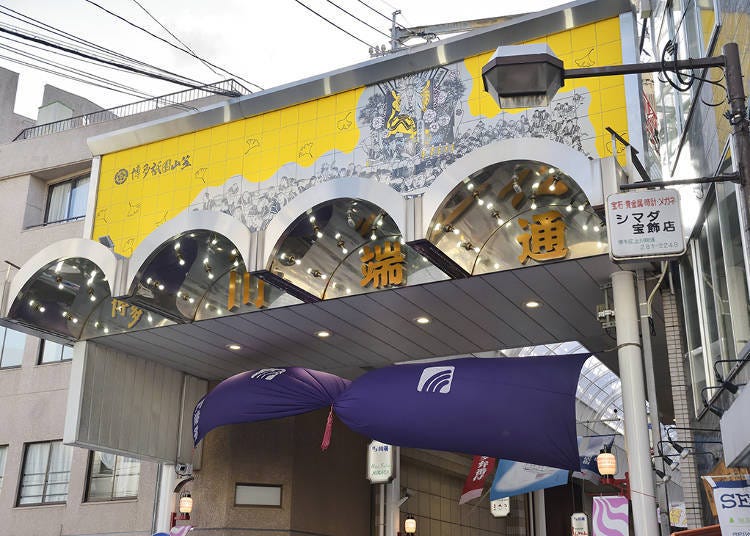
Running through the historic Hakata district, Kawabata Shopping Arcade stretches for roughly 400 meters and traditionally contains around 130 shops. It has long been regarded as Hakata's oldest shopping street.
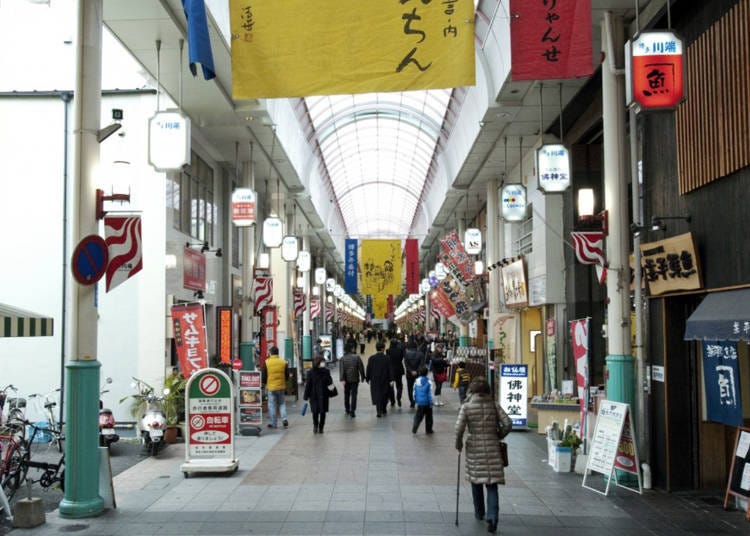
Unlike the large modern malls elsewhere in Fukuoka, this covered arcade is a good place to browse products with stronger local connections. Look for Hakata ningyo dolls, Hakata Gion Yamakasa goods, products from the Genkai Sea, local sweets, casual restaurants, and old-fashioned neighborhood stores.
The arcade is also associated with Kawabata zenzai, a traditional sweet of mochi served with rich red-bean soup.
Its location makes it especially convenient for sightseeing on foot.
-
Kawabata Shopping Arcade川端通商店街
-
Address
10 Kamikawabatamachi, Hakata Ward, Fukuoka, 812-0026
View Map
-
Address
10 Kamikawabatamachi, Hakata Ward, Fukuoka, 812-0026
11. Shop and catch a fountain show at Canal City Hakata
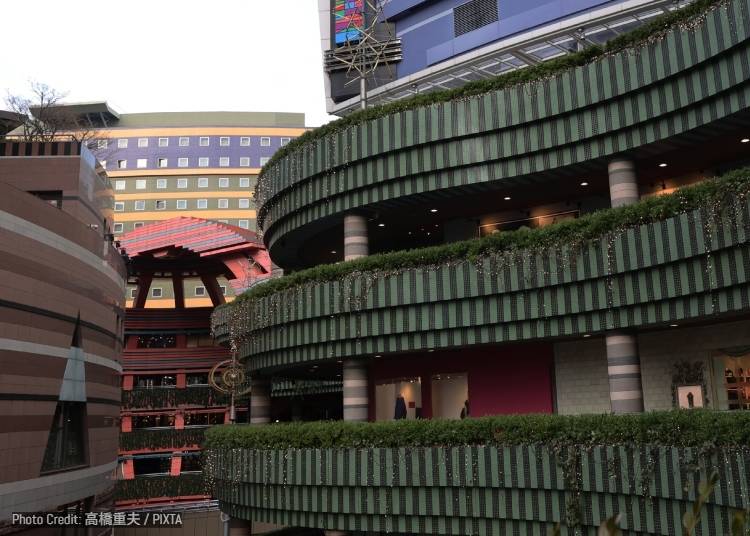
Canal City Hakata is less a conventional shopping mall than a miniature city built around a curving artificial canal.
The huge complex combines shops, restaurants, hotels, a cinema, entertainment facilities, and performance spaces. Regular fountain shows animate the central canal, while the colorful, curving architecture makes simply walking through the complex part of the experience.
Its location is particularly convenient: Kushida Shrine is only around a three-minute walk away, with Kawabata Shopping Arcade and Nakasu also nearby. That makes Canal City easy to include in a broader sightseeing route rather than devoting a separate half-day to shopping.
For first-time visitors, it works especially well in the late afternoon before continuing toward Nakasu or a yatai dinner.
12. Explore Tenjin above and below ground
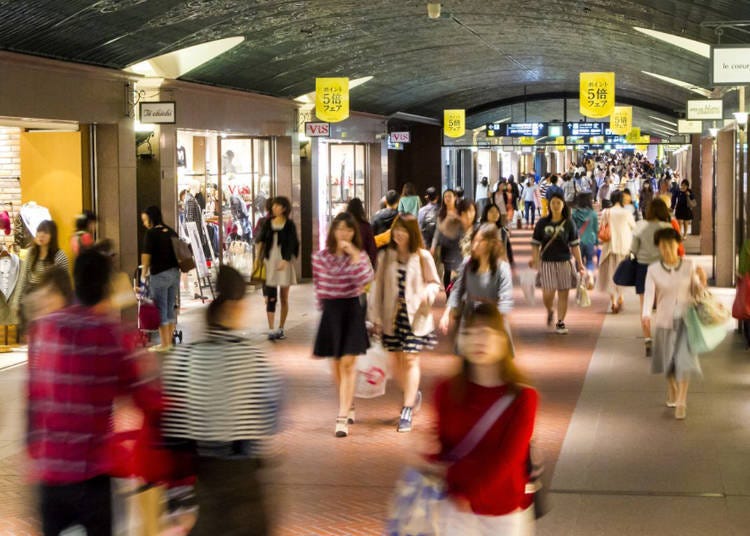
Tenjin is Fukuoka's major downtown shopping and entertainment district, but one of its most distinctive areas is hidden beneath the streets.
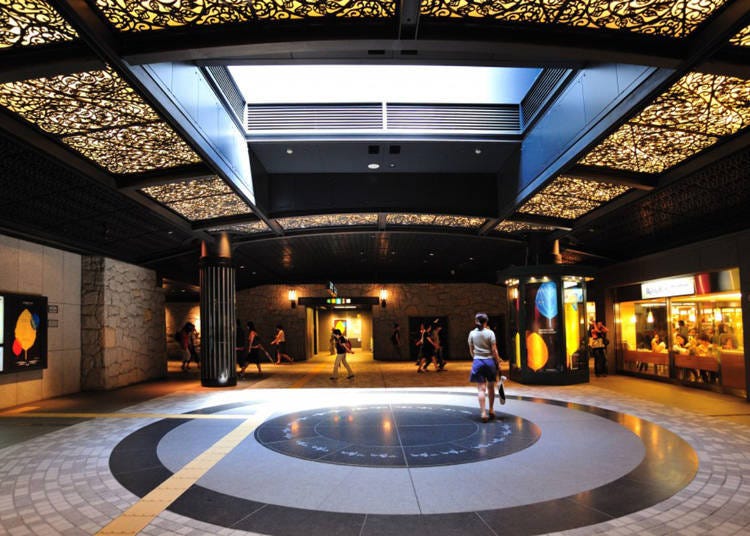
Tenjin Underground Mall runs for around 590 meters from north to south and contains more than 150 shops and restaurants. Rather than resembling a typical modern station concourse, its passages were designed with a 19th-century European atmosphere, complete with cobblestone-style floors, arabesque ceilings, and stained-glass details.
The underground passages connect directly with Tenjin and Tenjin-Minami subway stations and provide convenient access to nearby department stores and Nishitetsu Fukuoka (Tenjin) Station. This makes them especially useful during Fukuoka's hot, humid summers or on rainy days.
Back above ground, continue into nearby Daimyo and Imaizumi for smaller boutiques, vintage shops, cafés, restaurants, and bars.
-
Tenjin Underground Mall天神地下街
-
Address
1, 2, and 3 Basement, 2 Tenjin, Chuo-ku, Fukuoka City, Fukuoka 810-0001
View Map
-
Address
1, 2, and 3 Basement, 2 Tenjin, Chuo-ku, Fukuoka City, Fukuoka 810-0001
13. Pull up a stool at a Fukuoka yatai
As dusk settles over Fukuoka, more than 100 yatai food stalls begin opening around the city, forming one of Japan's most distinctive street-food cultures.
The main concentrations are around areas such as Nakasu, Tenjin, and Nagahama. Ramen remains a classic, but today's yatai can serve everything from oden and yakitori to gyoza, tempura, seafood, and creative dishes unique to individual stalls.
Most begin opening from around 6 PM, although individual stalls may close because of bad weather or the owner's circumstances. Seating is very limited, so smaller groups have a much easier time getting in. Sharing the cramped counter with strangers and chatting with the owner or other diners is very much part of the experience.
First-timer tip: The yatai lining the Nakasu waterfront offer Fukuoka's most famous nighttime scenery, but don't overlook Tenjin and Nagahama.
-
Nakasu Food Stalls Street福岡県中洲屋台橫丁
-
Address
Nakagawa-dori, 8-8 Nakasu, Hakata Ward, Fukuoka 810-0801
View Map
-
Address
Nakagawa-dori, 8-8 Nakasu, Hakata Ward, Fukuoka 810-0801
14. Slurp a bowl of Hakata ramen
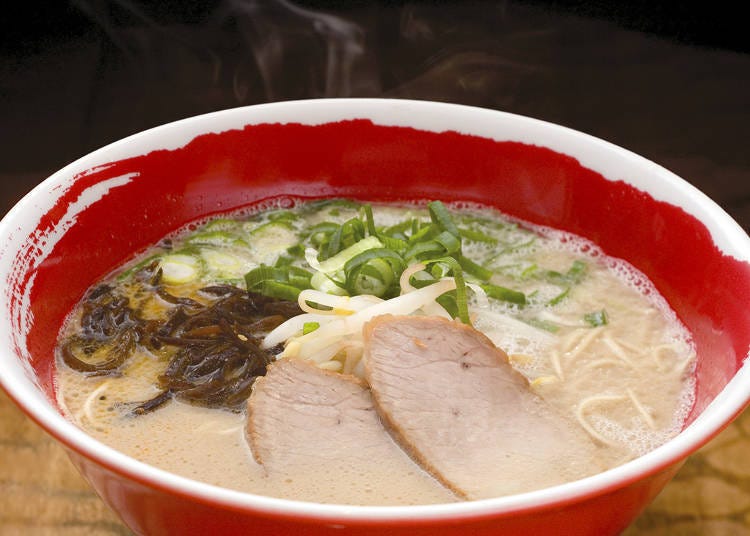
Hakata ramen is probably Fukuoka's most internationally famous dish, and eating it in its hometown is almost compulsory.
The classic style combines very thin, straight noodles with a rich white tonkotsu broth made from pork bones. Because the noodles are so thin, diners can usually choose how firmly they are cooked, with options ranging from soft to extremely firm.
Another essential piece of Hakata ramen vocabulary is kaedama. Rather than ordering an entirely new bowl, leave some broth behind and request an additional serving of noodles to drop into it. Locals who like particularly firm noodles may ask for barikata, with bari meaning "very" in the Hakata dialect.
Fukuoka has everything from internationally famous ramen chains to tiny counters packed with regulars, so trying more than one is an entirely reasonable sightseeing strategy.
15. Share a bubbling pot of motsunabe
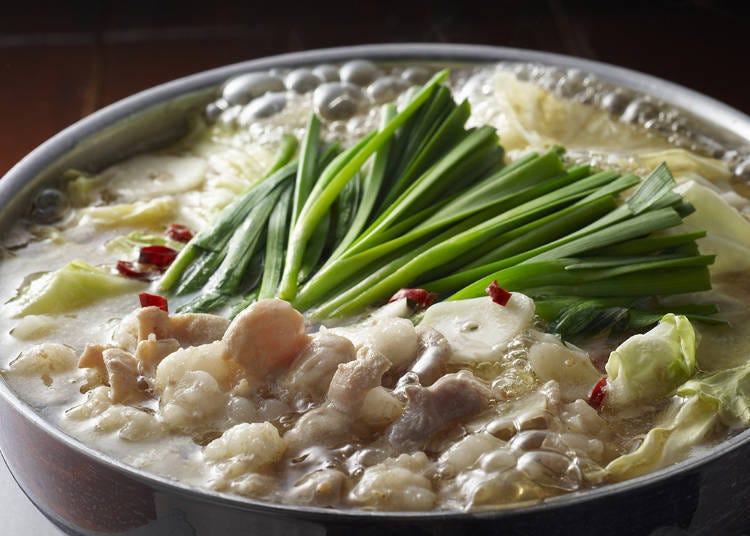
Another dish that Fukuoka residents have made their own is motsunabe, a rich hot pot centered on beef offal.
The modern Hakata style developed in the postwar period, when offal became an inexpensive way to create a satisfying meal. Today, the pot is typically filled with cabbage, garlic chives, and generous pieces of offal, with broths ranging from soy sauce and miso to salt-based varieties.
And don't assume it is only a winter dish. The original LIVE JAPAN article makes a point locals will recognize: motsunabe is also enjoyed in the heat of summer, when eating the piping-hot dish while sweating is considered part of the pleasure. Fukuoka's official tourism guide similarly notes its popularity even in hot weather.
Once the meat and vegetables are gone, add champon noodles to the remaining broth for the classic finish.
16. Discover why mizutaki is eaten year-round
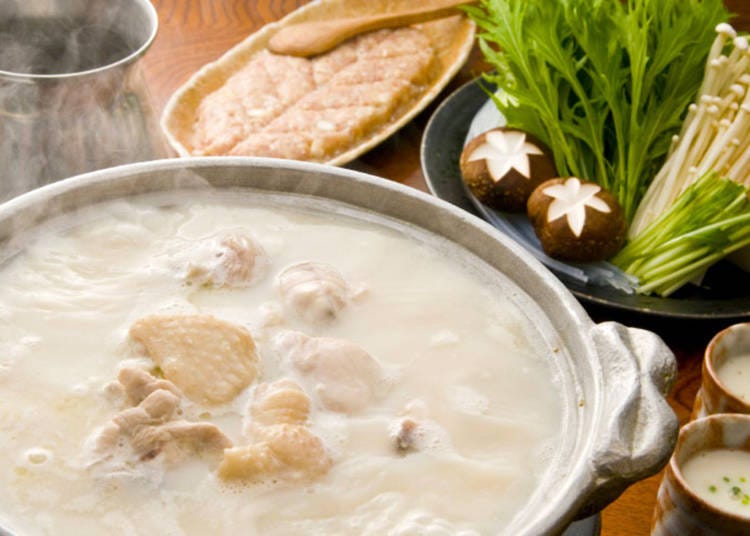
If motsunabe sounds a little too rich, try Fukuoka's other great hot pot: mizutaki.
The dish has been part of the city's food culture for more than a century. One influential Fukuoka style dates to 1905, when restaurateur Heisaburo Hayashida combined chicken-cooking techniques he had encountered in Hong Kong with Western consommé methods.
At specialist restaurants, chicken bones and meat are simmered slowly to create a deeply flavorful, sometimes cloudy broth. A common way to begin is to taste the chicken broth itself before adding vegetables, tofu, and other ingredients, then enjoy them with ponzu.
Although hot pots are often associated with winter elsewhere in Japan, mizutaki appears on Fukuoka tables throughout the year. It has even been closely connected with Hakata Gion Yamakasa traditions.
17. Go beyond ramen with mentaiko and goma-saba
Fukuoka's food scene goes much further than ramen and hot pots, and two specialties are especially worth seeking out.
Mentaiko is pollock roe seasoned with chili and other flavors. It has become so closely identified with Fukuoka that specialist stores sell it in countless forms, from classic rice accompaniments to pasta, noodles, bread, and elaborate souvenir products.
Seafood lovers should also try goma-saba, fresh mackerel dressed with sesame and soy-based seasoning. Fukuoka's location beside rich fishing grounds means seafood plays a major role in everyday dining, and goma-saba is one of the city's signature izakaya dishes.
If your itinerary is heavily food-focused, don't spend every meal chasing famous specialty restaurants. A good local izakaya can give you the chance to sample several Fukuoka dishes at once.
18. Browse the seafood stalls at Yanagibashi Rengo Market
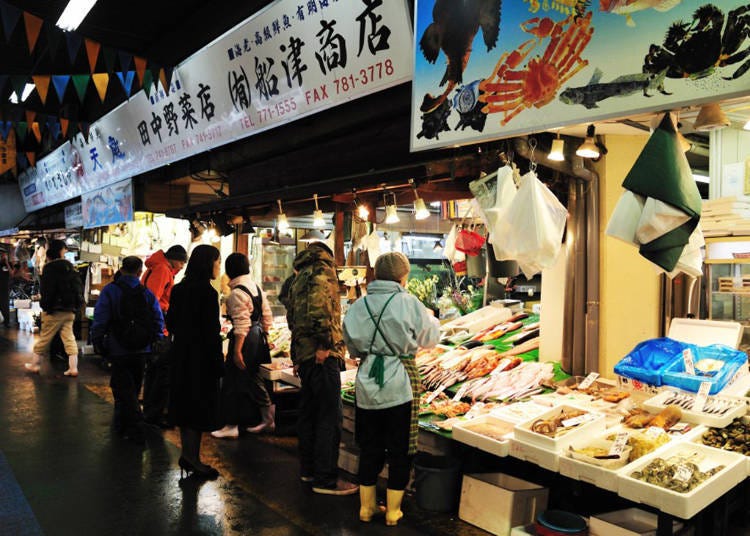
Known locally as the "pantry of Hakata," Yanagibashi Rengo Market has supplied fresh food to the city for more than a century.
Its story began in 1916, when a single fish seller from Ohama Market attracted enough customers that other merchants began setting up nearby. The cluster gradually developed into the market seen today, frequented by wholesalers, restaurant professionals, and everyday shoppers alike.
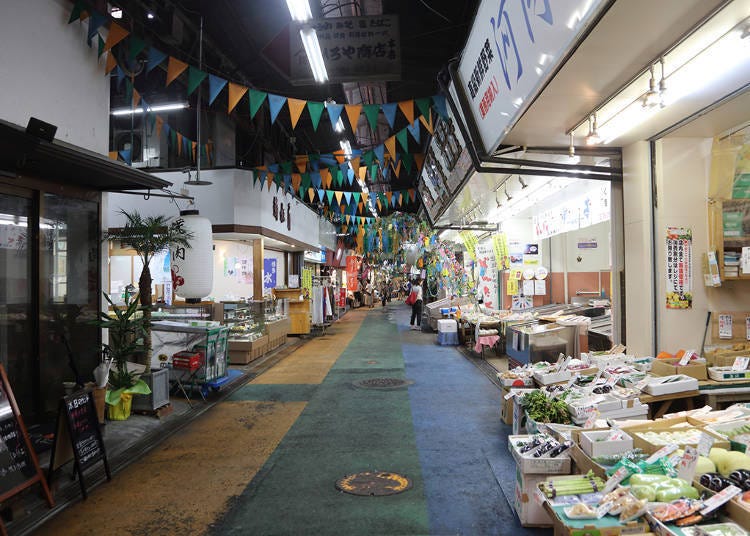
Fresh seafood remains the main attraction, but the covered market also has shops selling produce and prepared foods. Visit earlier in the day for the liveliest atmosphere, when the calls of the vendors and displays of fish give the market much more character than a simple souvenir stop.
It is relatively compact, so combine it with nearby Tenjin, Haruyoshi, or Canal City rather than setting aside half a day.
-
Yanagibashi Rengo Market柳橋連合市場
-
Address
1 Chome-5 Haruyoshi, Chuo Ward, Fukuoka, 810-0003
View Map
-
Address
1 Chome-5 Haruyoshi, Chuo Ward, Fukuoka, 810-0003
19. Catch a show at Hakataza Theater
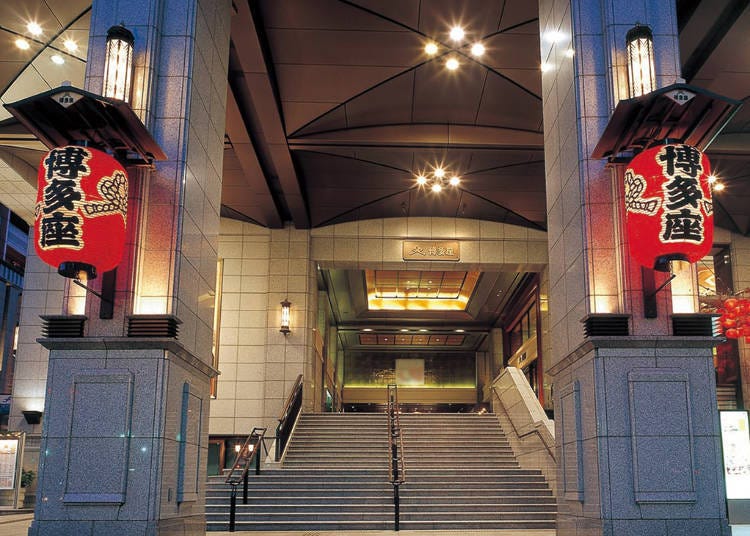
For an evening beyond restaurants and nightlife, see what's playing at Hakataza Theater.
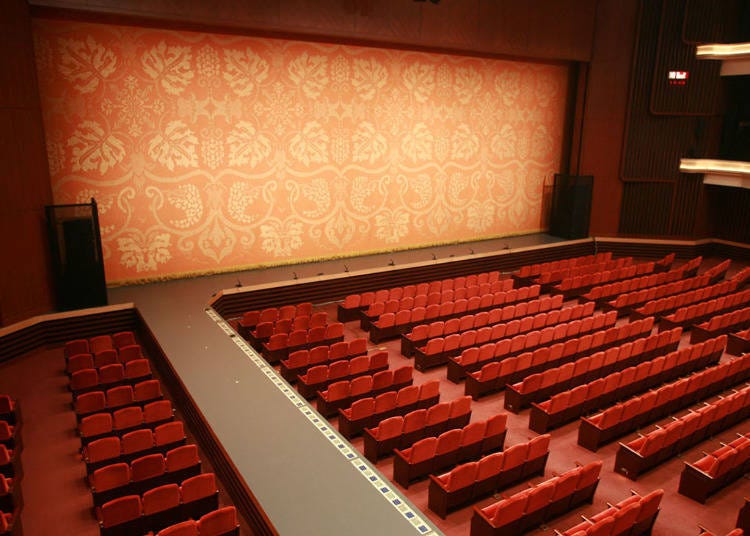
Opened in 1999, Hakataza was created to restore a major home for theatrical arts in a city that historically had a lively playhouse culture. Today it hosts kabuki, musicals, plays, concerts, and performances by the Takarazuka Revue and other major companies.
The building itself was designed specifically for stage productions. Its roughly 1,500-seat auditorium includes a hanamichi, the narrow walkway that extends through the audience during kabuki performances, as well as facilities that allow performers to make dramatic entrances and even fly above the stage.
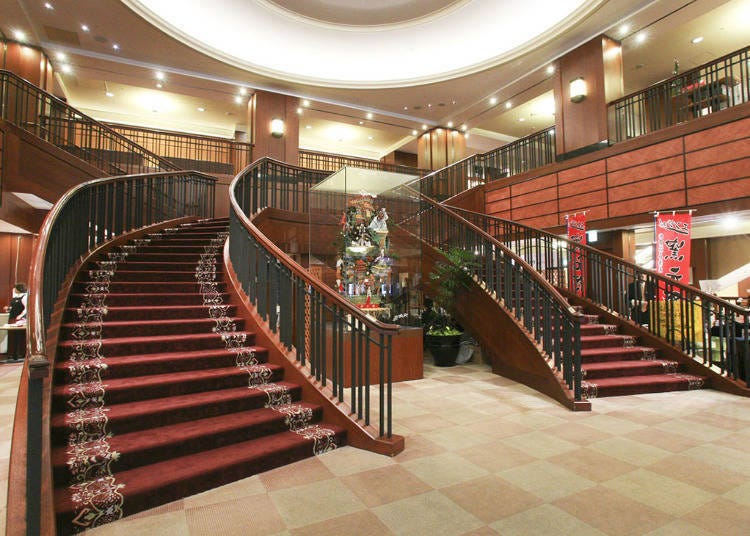
Hakataza is directly connected with Nakasu-Kawabata Station and just steps from Kawabata Shopping Arcade, so it is particularly easy to incorporate into an evening itinerary.
Tip: The program changes throughout the year, so check the performance calendar well before traveling if seeing kabuki is a priority.
-
Hakataza Theater博多座
-
Address
2-1 Shimokawabatamachi, Hakata Ward, Fukuoka, 812-0027
View Map
-
Address
2-1 Shimokawabatamachi, Hakata Ward, Fukuoka, 812-0027
20. Escape to Nokonoshima Island
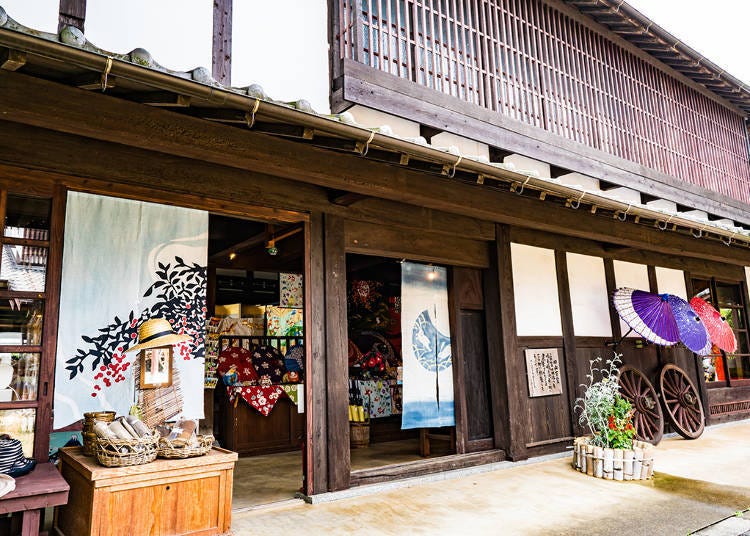
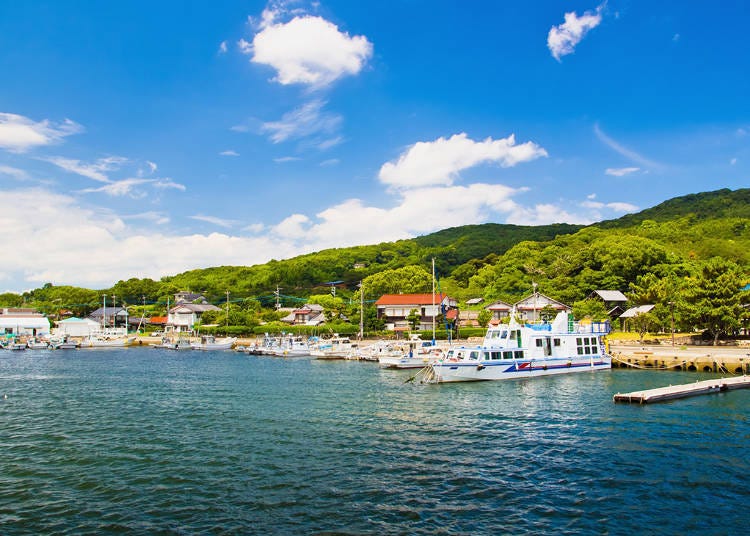
Only a short ferry ride from the city center, Nokonoshima has long been a favorite escape for Fukuoka residents.
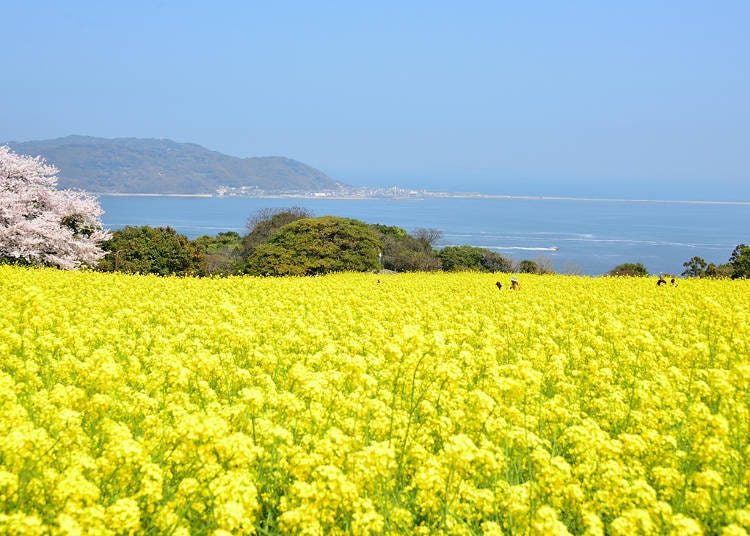
The island measures only around 12 kilometers in circumference, yet its scenery changes dramatically with the seasons. Winter brings daffodils and plum blossoms, spring carpets parts of the island in flowers, and autumn is especially famous for fields of cosmos overlooking Hakata Bay.
Nokonoshima also has a literary connection. Writer Kazuo Dan, known for works including Fires on the Plain, spent his final years on the island, adding another layer to its history. The Noko Museum introduces aspects of the island's natural environment and past.
Getting there is surprisingly easy: the municipal ferry from Meinohama takes only around 10 minutes.
Allow at least half a day. If flowers and a slower pace are priorities, give Nokonoshima most of the day.
-
Nokonoshima Island能古島
-
Address
Noko, Nishi Ward, Fukuoka, 819-0012
View Map
-
Address
Noko, Nishi Ward, Fukuoka, 819-0012
21. Spend a day outdoors at Uminonakamichi Seaside Park
On the opposite side of Hakata Bay, Uminonakamichi Seaside Park offers enough space and activities to occupy most of a day.
The national park stretches across a narrow peninsula between Hakata Bay and the Genkai Sea, with huge lawns and seasonal flower gardens that change throughout the year. Its Animal Forest lets visitors see animals including capybaras, squirrel monkeys, and kangaroos at close range, while playgrounds and cycling areas make the park especially good for families.
During summer, the large Sunshine Pool adds another reason to visit, while Marine World Uminonakamichi aquarium is right next door.
The park is also easy to reach without a car. JR Uminonakamichi Station is beside the grounds, while ferries connect the area with Bayside Place and Momochi.
Easy day trips from Fukuoka
22. Make a day trip to Dazaifu Tenmangu
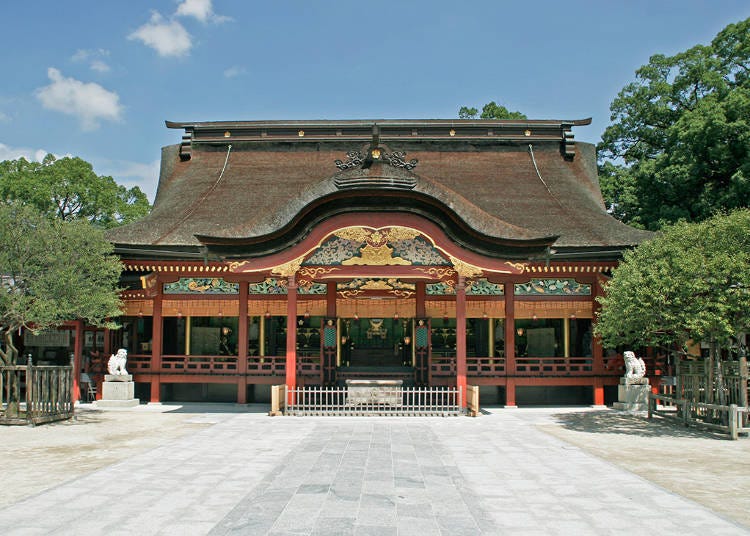
One of the easiest excursions from Fukuoka City leads to Dazaifu Tenmangu, one of Japan's most important shrines dedicated to learning.
The shrine enshrines Sugawara Michizane (845-903), an extraordinary scholar and court official who was later deified as Tenjin, the deity of learning, culture, and the arts. Students still come from across Japan to pray for success in examinations and their studies.
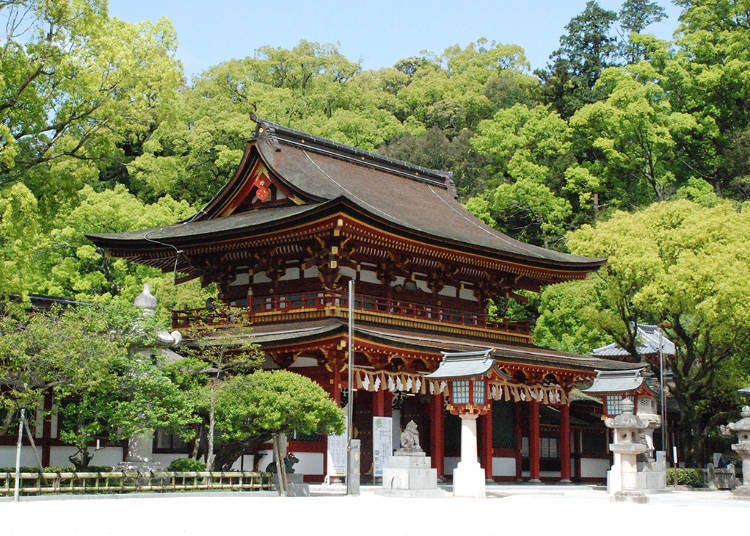
Michizane had a particular love of plum blossoms, and the grounds contain around 6,000 plum trees representing some 200 varieties. The most famous is Tobiume, the "flying plum," which legend says uprooted itself in Kyoto and flew to Dazaifu because it missed Michizane after his exile.
The approach from Dazaifu Station is part of the experience, with souvenir shops, cafés, and stalls selling umegae-mochi, a grilled rice cake filled with sweet red-bean paste. The Kyushu National Museum is also nearby.
As of August 2026: The temporary worship hall used during the main sanctuary's major renovation is currently being dismantled. Work is scheduled to continue until around early September, and visitors currently worship from a designated area before the construction zone.
-
Dazaifu Tenman-gu太宰府天満宮
-
Address
4 Chome-7-1 Saifu, Dazaifu, Fukuoka 818-0117
View Map
-
Address
4 Chome-7-1 Saifu, Dazaifu, Fukuoka 818-0117
23. Take a coastal road trip around Itoshima
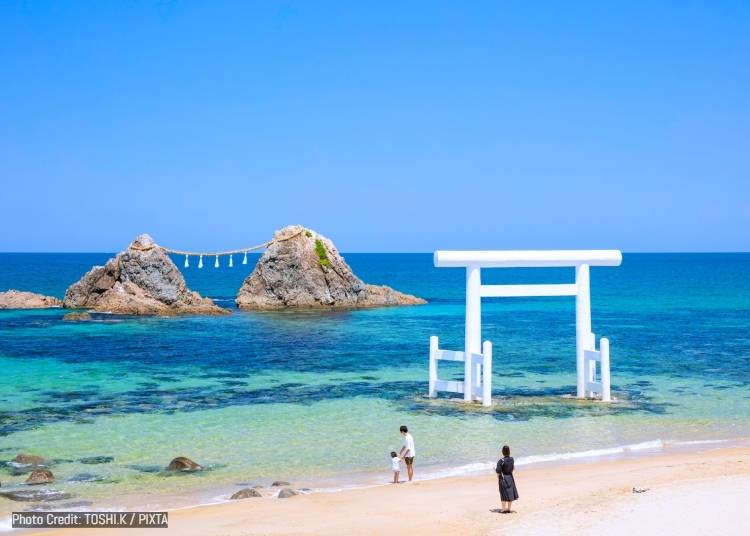
Around 40 minutes west of central Fukuoka by car, Itoshima swaps city streets for beaches, forested hills, cafés, seafood restaurants, and open coastal scenery.
Its most recognizable sight is Sakurai Futamigaura, where a white torii gate stands in the sea before two sacred rocks linked by a shimenawa rope. The rocks are associated with the deities Izanagi and Izanami and form part of nearby Sakurai Shrine.
But Itoshima is best approached as a broader road trip rather than a single photo stop. Cafés, beaches, roadside shops, local produce, and small viewpoints are scattered along the peninsula, and much of the enjoyment comes from stopping wherever catches your eye.
Public transportation can reach parts of the area, but a rental car gives considerably more freedom. Weekends can be busy around Futamigaura, so starting early is worthwhile.
24. Cruise the canals of Yanagawa
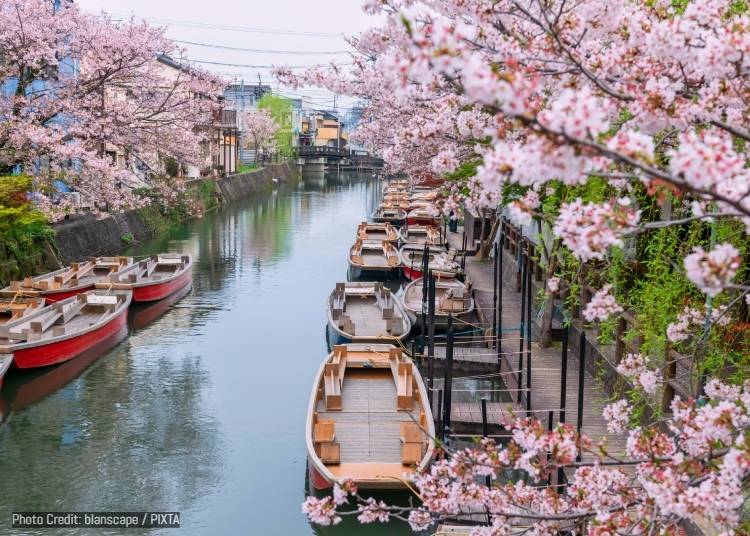
South of Fukuoka lies Yanagawa, an old castle town so defined by its waterways that it is often called a city of water.
Its signature activity is a leisurely ride aboard a flat-bottomed donko-bune boat. Guided by a boatman, the typical cruise takes around an hour and travels roughly four kilometers through canals lined with willows, historic buildings, and seasonal flowers. Boatmen often add songs and stories along the way.
These waterways were not originally created simply for scenery. Yanagawa's intricate canal network historically supplied water for agriculture and daily life and also played a defensive role around the castle town.
Each season brings something different. Cherry blossoms appear in spring, autumn adds color to the banks, and winter cruises may use kotatsu-bune, boats fitted with traditional heated seating.
After the cruise, try Yanagawa's famous unagi no seiro-mushi, grilled eel and seasoned rice steamed together in a wooden box.
25. Tour the Kirin Beer Fukuoka Factory
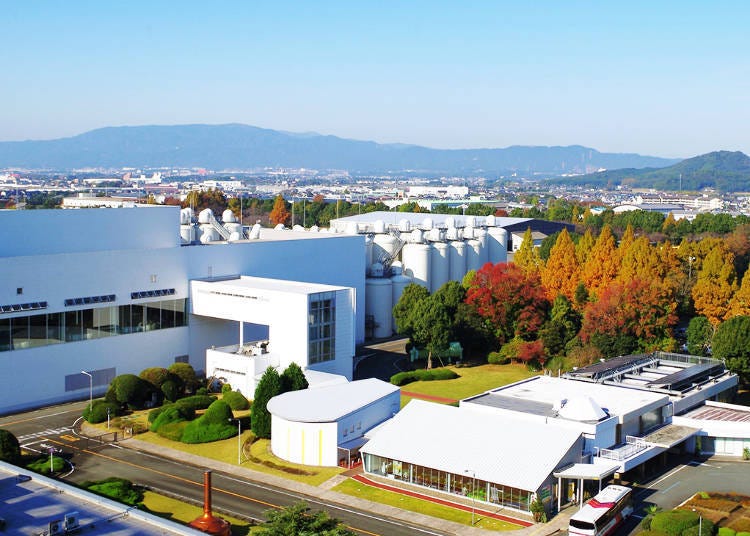
Located in Asakura, the Kirin Beer Fukuoka Factory offers guided experiences showing how Kirin Ichiban Shibori is made, from smelling malt and hops to comparing first- and second-pressed wort. The standard tour takes around 75 minutes and costs 500 yen for participants aged 20 and over, while a premium approximately 90-minute experience is also available for 3,000 yen. Advance online reservations are required.
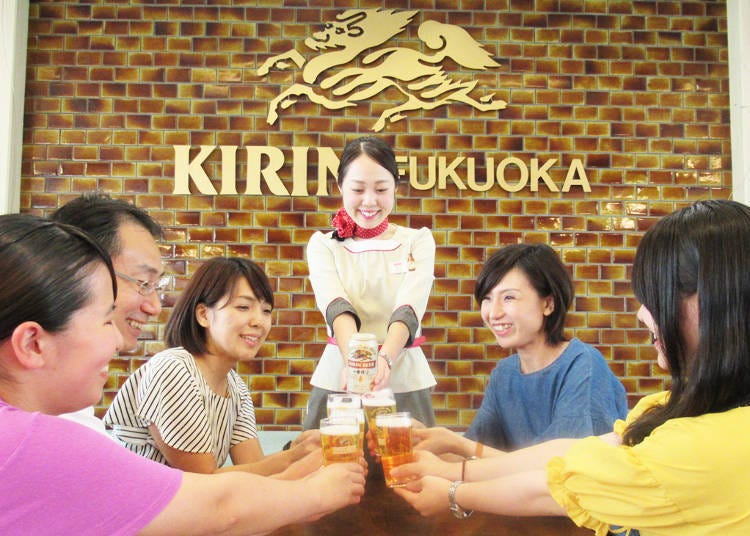
The tour finishes with a tasting, while drivers and others who cannot drink alcohol can choose non-alcoholic options. There is also a factory shop and the Kirin Beer Farm restaurant, which serves dishes made with local ingredients.
Important for international visitors: Tour guides speak Japanese. Videos shown during brewery tours include English subtitles, but there is no full English-language guided tour.
Because the factory is in Asakura rather than central Fukuoka, plan it as a dedicated outing rather than trying to squeeze it between city attractions.
-
Kirin Brewery Fukuokaキリンビール福岡工場 工場見学受付
-
Address
3601 Mada, Asakura, Fukuoka 838-0058
View Map
-
Address
3601 Mada, Asakura, Fukuoka 838-0058
26. Experience Fukuoka during one of its great festivals
Few things reveal Hakata's personality better than its festivals. Two in particular transform the city each year.
Hakata Dontaku Port Festival (Early May)
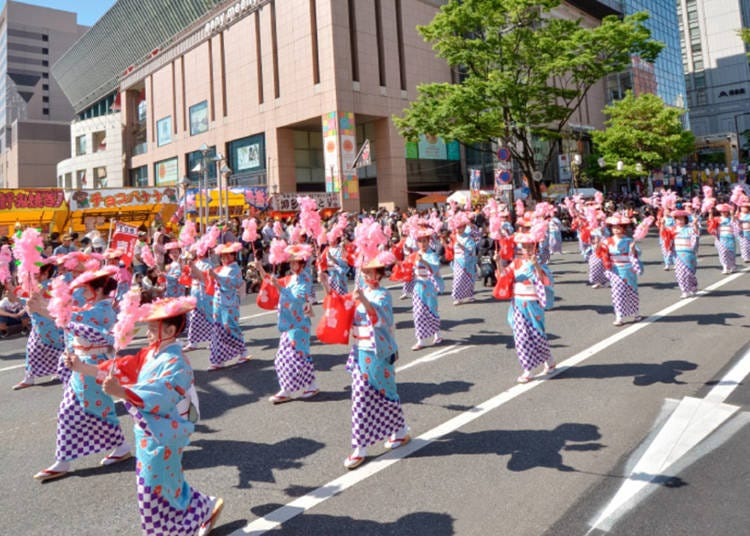
Held every May 3-4, Hakata Dontaku fills central Fukuoka with parades, performances, decorated vehicles, music, and dancing. Its roots lie in the much older Hakata Matsubayashi tradition, which stretches back centuries.
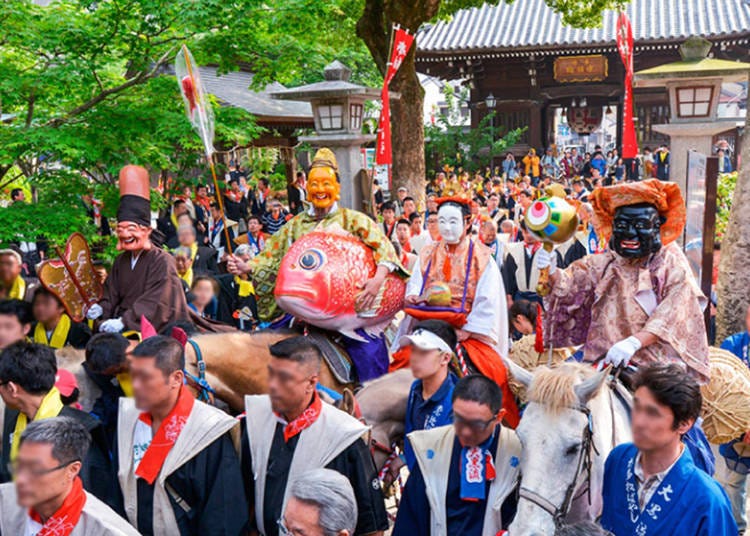
The unusual name "Dontaku" is generally traced to the Dutch word zondag, meaning Sunday or holiday, a reminder of the foreign influences that have passed through this port city.
One of the festival's most distinctive sights is groups of participants dancing while clapping shamoji, wooden rice paddles. According to local tradition, this began when a woman preparing a meal heard the festival passing outside and rushed out to join while still holding the utensils.
-
Gofuku-machi呉服町
-
Address
10 Kamigofukumachi, Hakata Ward, Fukuoka, 812-0036
View Map
-
Address
10 Kamigofukumachi, Hakata Ward, Fukuoka, 812-0036
Hakata Gion Yamakasa (Early July)
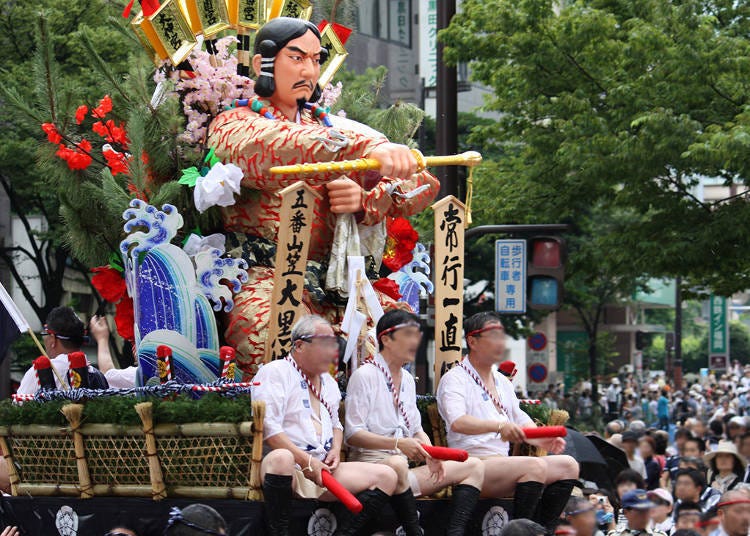
Held from July 1-15, Hakata Gion Yamakasa has an equally fascinating origin story. Tradition connects the festival with the founder of Jotenji Temple, who is said to have been carried through the streets while scattering sacred water to drive away an epidemic.

During the festival period, enormous decorative kazariyama floats appear around the city. These elaborate creations feature figures made by Hakata doll artisans, often combining historical scenes on one side with folktales, popular characters, or contemporary themes on the other.
The climax comes early on July 15, when teams race their heavy kakiyama floats through Hakata during the Oiyama. In 2026, the race began at 4:59 AM.
Even travelers who cannot attend the race itself will find early July an exciting time to visit, as the huge decorative floats transform stations, shopping districts, and streets throughout Hakata.
How many days do you need in Fukuoka?
For most first-time visitors, two to three days works well.
With one day, focus on central Fukuoka and its food. With two days, add Momochi and Ohori Park. With a third day, head to Dazaifu, Itoshima, Yanagawa, or another nearby destination.
Sample 2-day Fukuoka itinerary
Day 1: Historic Hakata, shopping, and yatai
・Morning: Hakata Old Town → Tochoji Temple
・Late morning: Kushida Shrine → Kawabata Shopping Arcade
・Lunch: Hakata ramen
・Afternoon: Canal City Hakata → Tenjin
・Evening: Nakasu riverside → yatai dinner
Day 2: Parks, history, and the waterfront
・Morning: Ohori Park → Fukuoka Castle Ruins and Maizuru Park
・Lunch: Tenjin or Momochi
・Afternoon: Fukuoka City Museum → Momochi Seaside Park
・Sunset: Fukuoka Tower
・Dinner: Motsunabe or mizutaki
Where to stay in Fukuoka
Hakata: Best for first-time visitors and transport
Hakata Station is the main Shinkansen and rail hub, so staying nearby is convenient if Fukuoka is part of a wider Kyushu trip.
The airport is only around five minutes away by subway, and destinations including Dazaifu, Kumamoto, Nagasaki, and Kagoshima are easy to connect with from here.
Best for: First-time visitors, short stays, day trips, early departures.
Tenjin: Best for shopping, dining, and nightlife
Tenjin feels more like Fukuoka’s downtown entertainment center. Department stores, underground shopping, restaurants, cafés, and bars surround the station, while Daimyo and Imaizumi are nearby.
It is also convenient for Nishitetsu trains toward Dazaifu and Yanagawa.
Best for: Shopping, restaurants, nightlife, couples.
Nakasu and Haruyoshi: Best for evenings out
Stay around Nakasu or Haruyoshi if food and nightlife are major priorities.
The riverside yatai are nearby, and both Hakata and Tenjin remain within easy reach. The atmosphere becomes noticeably livelier at night than in Hakata Station's business district.
Best for: Nightlife, yatai, food-focused trips.

Best time to visit Fukuoka
There is no single bad season, but the experience changes considerably through the year.
Spring
March through May brings comfortable sightseeing conditions and cherry blossoms, with Maizuru Park among the city's best-known hanami spots. Golden Week culminates with Hakata Dontaku on May 3-4.
Summer
June through August is hot and humid, but July is one of the most exciting months culturally thanks to Hakata Gion Yamakasa. Beaches, islands, and evening yatai also come into their own.
Autumn
October and November generally suit travelers who want comfortable outdoor sightseeing without summer's heat. It is also a good season for excursions around the prefecture.
Winter
Winter is cooler but relatively easy for city sightseeing. It is arguably the best season to appreciate steaming bowls of ramen and Fukuoka's famous hot pots.
Getting to Fukuoka
From Fukuoka Airport
Few major Japanese cities have an airport this close to downtown.
The domestic terminal is directly connected to the Fukuoka City Subway. Travel time is approximately:
・Fukuoka Airport → Hakata Station: 5 minutes
・Fukuoka Airport → Tenjin Station: 10-11 minutes
International passengers should note that the subway station is at the domestic terminal. A free inter-terminal shuttle connects the international and domestic terminals, with the trip taking around 10 minutes.
-
Fukuoka Airport福岡空港
-
Address
778-1 Shimo-usui, Hakata-ku, Fukuoka-shi, Fukuoka
View Map
-
Address
778-1 Shimo-usui, Hakata-ku, Fukuoka-shi, Fukuoka
From Osaka or Tokyo by Shinkansen
Hakata Station connects directly with Japan’s high-speed rail network.
Approximate fastest Shinkansen journey times are around 2 hours 28 minutes from Osaka and 4 hours 52 minutes from Tokyo.
Flying will normally be quicker from Tokyo, while the Shinkansen is particularly convenient when approaching Fukuoka from Hiroshima or Osaka.
Search for flights to Japan
Fukuoka is much more than a gateway to Kyushu
Fukuoka works just as well as a weekend city break as it does the starting point for a longer Kyushu adventure.
Come hungry, but leave time between bowls of ramen and hot pots to wander Hakata’s old streets, sit beside the water at Ohori Park, watch the sun set over Momochi, and venture outside the city to Dazaifu, Itoshima, or Yanagawa.
The greatest advantage is how little effort all of this requires. Few cities in Japan make it quite so easy to move from airport to downtown, city streets to the sea, and modern nightlife to centuries-old traditions within the same trip.
Getting around Fukuoka
Central Fukuoka is comparatively easy to navigate.
The subway is particularly useful for traveling between Fukuoka Airport, Hakata, Tenjin, Ohori Park, and the Momochi area. The Nanakuma Line also links Hakata directly with Kushida Shrine and Tenjin-Minami.
Buses fill many of the gaps, while Nishitetsu trains are useful for excursions toward Dazaifu and Yanagawa. For Itoshima, a car becomes more useful once you leave the main railway corridor.
Major IC cards from elsewhere in Japan can generally be used on participating transport systems, and Fukuoka also has its own Hayakaken IC card.
- Area
- Category
*Prices and options mentioned are subject to change.
*Unless stated otherwise, all prices include tax.
Popular Tours & Activities
Recommended places for you
-

Seibu Group Launches New Chichibu Adventure Tourism Experience for International Travelers in 2026
by: Guest Contributor
-

ANA’s Chiikawa Jet Is Taking Off—Here’s Everything You Need to Know About Exclusive Goods, In‑Flight Fun & Travel Tips
by: Guest Contributor
-
Ad
Pocket WiFi Rental in Japan 2026: Complete Price Comparison & Where to Get the Best Deal
-
28 Best Things to Do in Odaiba (2026 Updated): Tokyo's Entertainment Island
-
Haneda Airport Duty-Free Shopping Guide: What to Buy, How to Save & Where to Eat Before Your Flight
by: Guest Contributor
-
Cracked Phone Screen in Japan? Smahospital Repair Guide: Keep Your Data, Fixed in 15 Min, Multilingual Support | Up to 10,000 Yen Off with LIVE JAPAN Coupon
Inspiration for Accommodations
-
Family-Friendly Hotels with Free Shuttle to Disneyland: Convenient Access for a Magical Stay
-
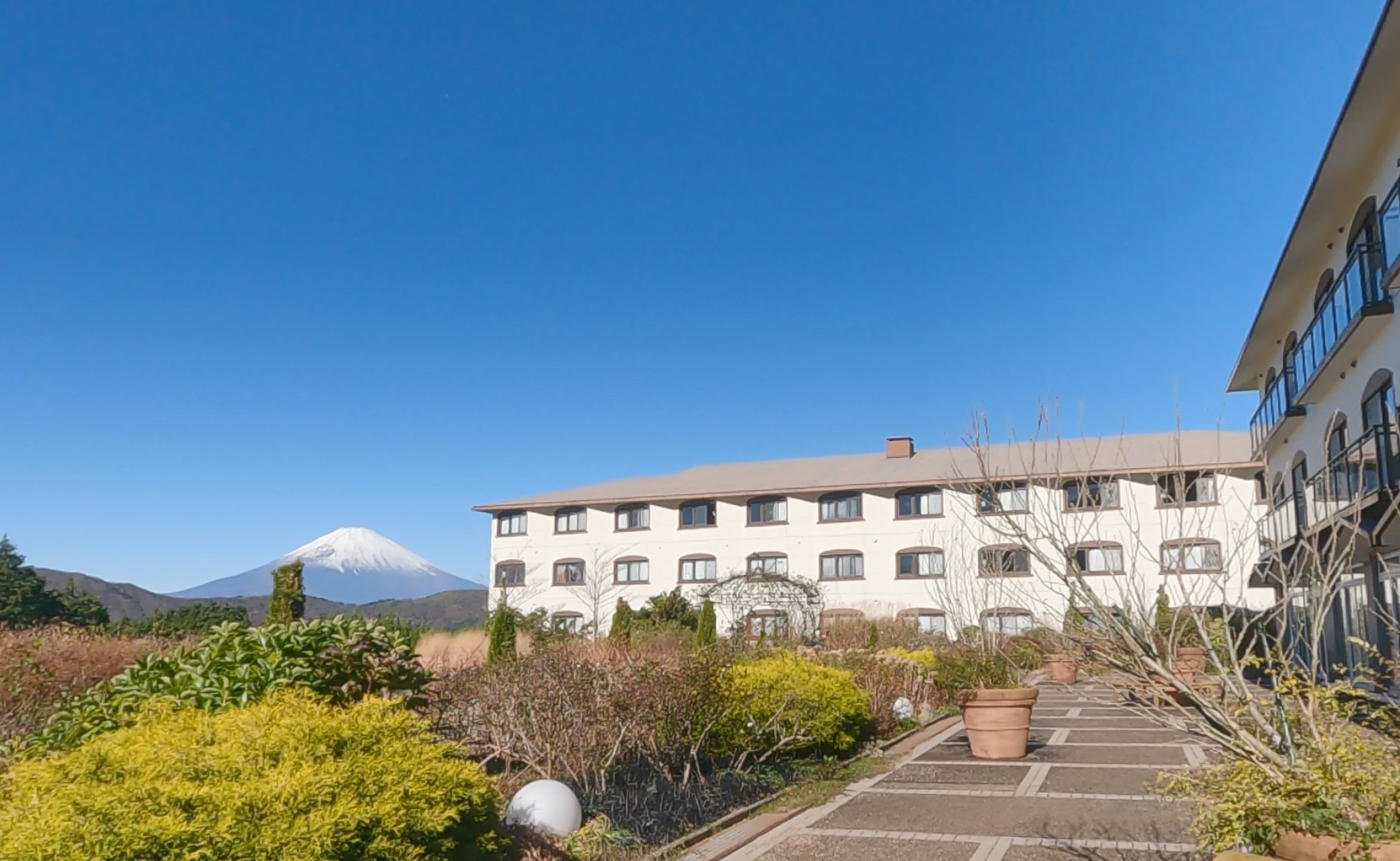
Top Ranked Hakone Hotels with Mt. Fuji View: Enjoy Stunning Scenery from Your Private Space
-
Convenient Tokyo Hotels with Airport Shuttle: Ideal for Families and Heavy Luggage
-
9 Family-Friendly Hotels with Comfortable Family Rooms in Asakusa
-
10 Open-air bath Onsen Ryokans in Hakone for Ultimate Relaxation
-
Tokyo Roppongi: 5 Most Amazing Spots at Roppongi Hills and How to Make the Best of Them!
-
JR Edition: Visit all of Tokyo in one Day with the Tokyo Metropolitan District Pass!
-
Meiji Shrine (Meiji Jingu): Exploring the Sacred Sanctuary of Peace in Bustling Tokyo
-
Of Tremors and Quakes: Earthquakes and the Life Safety Learning Center
-
5 Recommended Tokyo Bus Tours: Enjoy Nearby Destinations such as Mount Fuji, Hakone, and Shizuoka
-
Shinjuku for First-Timers: 30+ Best Things to Do in Tokyo's Entertainment Hub
by: Himanshi Shah
- #best ramen tokyo
- #what to buy in ameyoko
- #what to bring to japan
- #new years in tokyo
- #best izakaya shinjuku
- #things to do tokyo
- #japanese nail trends
- #what to do in odaiba
- #onsen tattoo friendly tokyo
- #daiso
- #best sushi ginza
- #japanese convenience store snacks
- #best yakiniku shibuya
- #japanese fashion culture
- #best japanese soft drinks