




Start Your Journey from Yamagata Station: Explore Four Seasons of History, Hot Springs, and Festivals
- Written by: LIVE JAPAN Editor
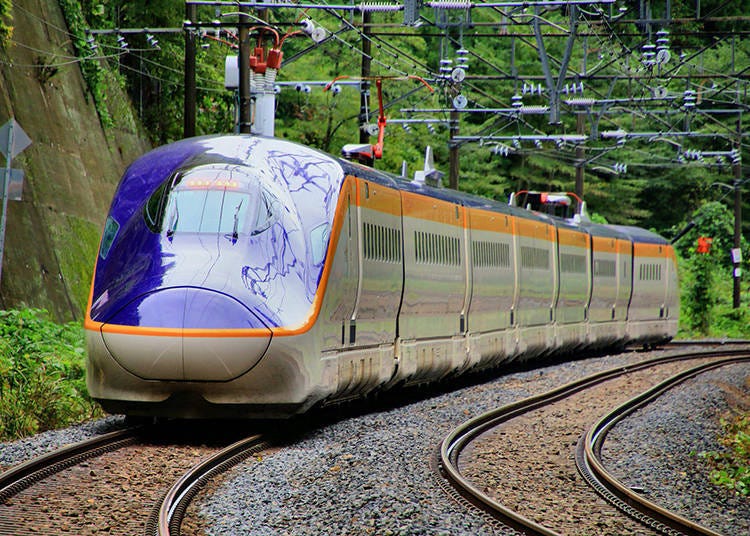
Yamagata Station is one of the most convenient starting points for exploring northern Japan. With direct access from Tokyo on the Tsubasa Shinkansen, the station connects travelers to a region known for its rich history, scenic landscapes, soothing hot springs, and vibrant seasonal festivals. This guide introduces the highlights around Yamagata Station, along with useful transportation options and services supported by the new transit pilot project to help make travel smoother.
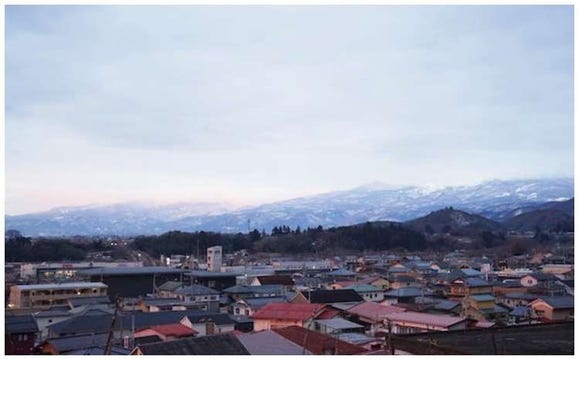
Main image: PIXTA
Yamagata Station, your starting point for discovering Yamagata
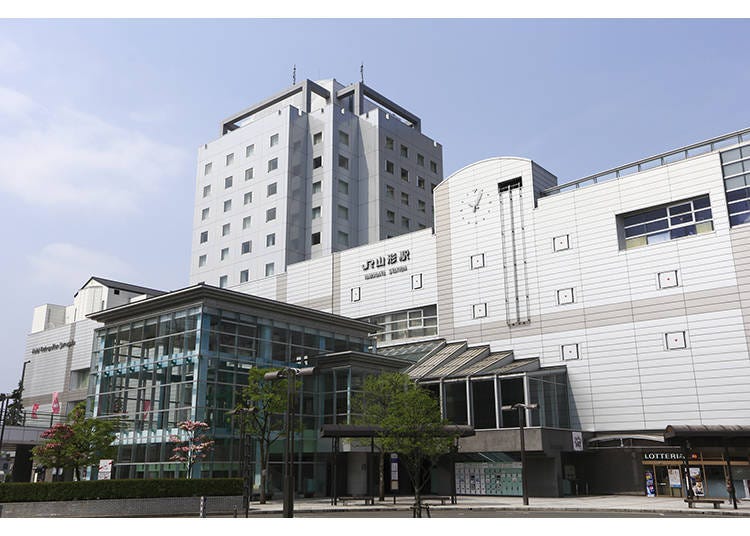
Located in Yamagata Prefecture's capital city, Yamagata Station serves as a key transportation hub where the Tsubasa Shinkansen runs between Tokyo and the city. Inside the station building, you can find a shopping mall and restaurants, making it a convenient terminal that allows travelers to purchase souvenirs immediately after landing in Yamagata and taste local specialties, such as the famous imoni stew and Yamagata beef.
Tourist information center and multilingual support
The tourist information center, located inside the station’s waiting room, is certified by the Japan National Tourism Organization (JNTO). Here, you will find maps of the surrounding area, detailed transportation information, and sightseeing brochures in English and other languages. Feel free to stop by if you need information on transportation options or tourist spots.
Major tourist destinations accessible from Yamagata Station
Yamagata Station offers extremely convenient access to Yamagata's major tourist destinations, including historical sites, natural landscapes, and hot springs.
・Kajo Park (Yamagata Castle Ruins): Get a glimpse into history in this expansive park developed from the ruins of Yamagata Castle. About a 10-minute walk from the station, it is also a famous cherry blossom viewing spot.
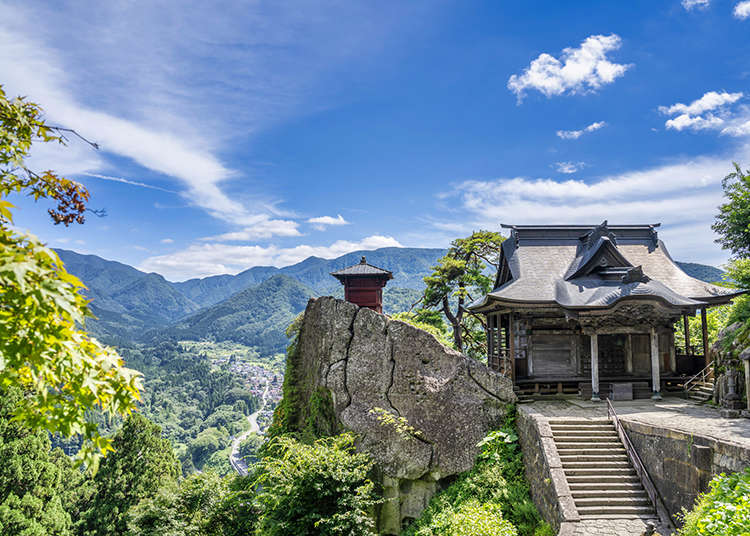
・Yamadera Temple (Risshaku-ji Temple): A historic temple perched on a rocky mountain. Known as the site where Matsuo Basho composed his haiku, it is very popular with international visitors. You can access the temple by taking the JR Senzan Line to Yamadera Station, which will take about 20 minutes, followed by a walk along the temple approach.
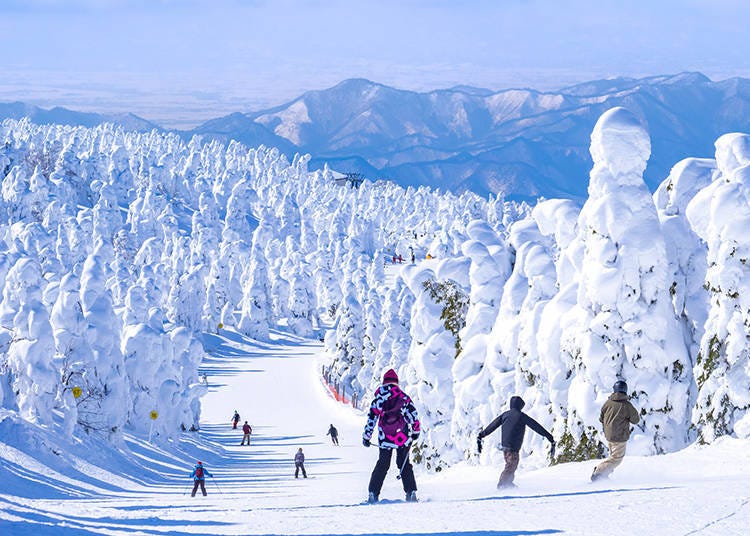
・Zao Onsen is one of Tohoku’s best-known hot spring resorts and is famous in winter for its towering “snow monsters,” the frost-covered trees on Mount Zao. Visitors can enjoy both the hot springs and a full range of winter sports, including skiing and snowboarding. From Yamagata Station, it takes about 40 minutes by bus to reach the area. If you plan to visit during the snow-monster light-up period in winter, be sure to check the schedule for the last return bus to Yamagata Station in advance.
Major seasonal events and peak seasons in Yamagata
Yamagata Prefecture hosts festivals and events throughout the seasons, each attracting many visitors.
1. Peak summer season: Congestion due to festivals (early August)
Summer is the busiest season in Yamagata. Early August is especially busy due to the Yamagata Hanagasa Festival (every August 5 to 7), one of Tohoku's four major festivals, causing significant congestion throughout the prefecture. There are other events later in the month, such as the Shinjo Festival (late August), known for its magnificent dashi floats, and the large-scale Akagawa Fireworks Festival. Booking accommodations and transportation options during this period is difficult.
2. Winter scenery and crowds (January to February)
Winter in Yamagata is a particularly popular season with both domestic and international visitors for its ice trees on Mount Zao and snowy silver landscapes in Ginzan Onsen. January and February mark the peak season when visitors flock to these areas simultaneously, leading to heavy congestion. Ginzan Onsen must sometimes implement traffic restrictions or entry limits. To avoid crowds, try to visit on weekday mornings or stay overnight to enjoy the serene hot spring town at night.
3. Spring and autumn crowds
Spring (late April to early May): This period coincides with peak cherry blossom season and Golden Week, making the prefecture especially crowded. The area is also lively with many historical events like Yonezawa City's Yonezawa Uesugi Festival (April 29th to May 3rd), which recreates a Sengoku period scroll, and Tendo City's Tendo Cherry Blossom Festival: Human Shogi (late April), where people become board game pieces.
Autumn (late October to November): Tourist numbers increase sharply as crimson autumn leaves reach their peak, particularly from late October to early November. This period is considered a comfortable sightseeing season, as it allows visitors to enjoy both the autumn foliage and hot springs.
Transportation tickets and services for international visitors to Japan
Convenient transportation tickets and services are available for international visitors to enjoy ample sightseeing in Yamagata.
The free JR EAST PASS (Tohoku area) aimed at international visitors is valid for five days and offers unlimited rides on JR East lines including the Shinkansen, limited express trains, and local trains throughout the Tohoku region. It is ideal for those using the Yamagata Shinkansen Tsubasa. Another important advantage is the unlimited use of reserved seats.
The Tohoku Expressway Pass is an ETC card-exclusive pass, which international travelers can purchase when renting a car, that allows them to enjoy unlimited access to expressways in the Tohoku region at a fixed rate. It's a convenient service for freely touring the vast Yamagata and Tohoku areas by car without worrying about expressway tolls.
Yamagata MaaS Rakunoru
Yamagata MaaS (Mobility as a Service) Rakunoru is a service promoted by the city of Yamagata that allows users to search for, reserve, and pay for public transportation all in one smartphone app: RYDE PASS. Users can purchase various types of digital tickets for local buses, community buses, and more within the app.
For example, the app offers numerous convenient tickets for travelers, such as the Beni Pass Zao Onsen, which combines a round-trip bus ticket to Zao Onsen with any city buses in Yamagata, and the Beni Pass Airport Shuttle, which combines a round-trip Yamagata Airport shuttle bus ticket with city buses in Yamagata.
Purchased digital tickets can be used by showing your smartphone screen to the driver when exiting the vehicle. Tickets come with various benefits like discount coupons to use at specific stores, making them cost-effective not only for transportation but also for shopping. Additionally, by purchasing tickets in advance, you can avoid lining up at the ticket counter for smoother trips.
The smartphone app RYDE PASS required to use the service is available in Japanese, English, and Traditional Chinese. The language can be changed in the settings within the app.
Rich in history, natural landscapes, hot springs, and seasonal events, Yamagata Station is an essential hub for tourism in the prefecture. Using the important information shared in this article, you can plan your trip to enjoy all that Yamagata has to offer.
- Area
- Category
*Prices and options mentioned are subject to change.
*Unless stated otherwise, all prices include tax.
Popular Tours & Activitiess
-
Ad
Scandinavian Brands Meet Harajuku: Inside Japan's Only Flagship Stores for Haglöfs and D_b_
-
Ad
Explore Snow Country from Echigo-Yuzawa Station: A Year-Round Guide to Ski Resorts, Art, and Regional Travel
-
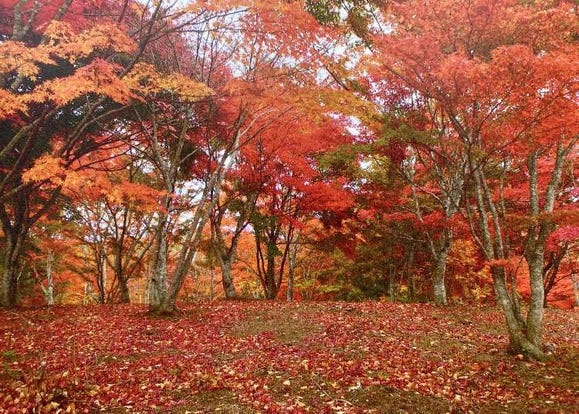
Aomori's Quiet Side in Autumn: 5 Scenic Spots in Hachinohe According to a Local
by: Marco Blasco
-
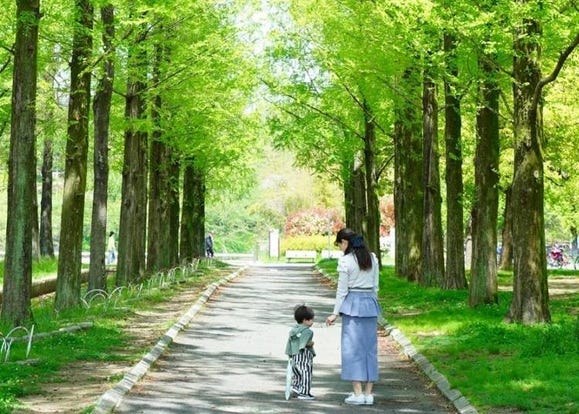
Aomori Summer Weather Guide (June–August) + What to Wear: Tips from a Japan-Based Editor
by: Nemi Lin
-
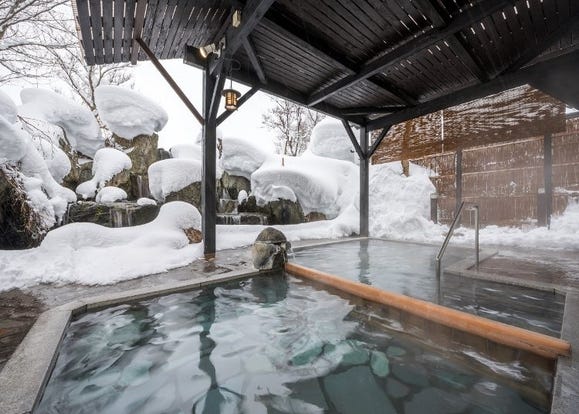
8 Luxury Tohoku Ryokans: Private Onsen, Gourmet Wagyu, and Winter Views
by: Sae Haneda
-
Ad
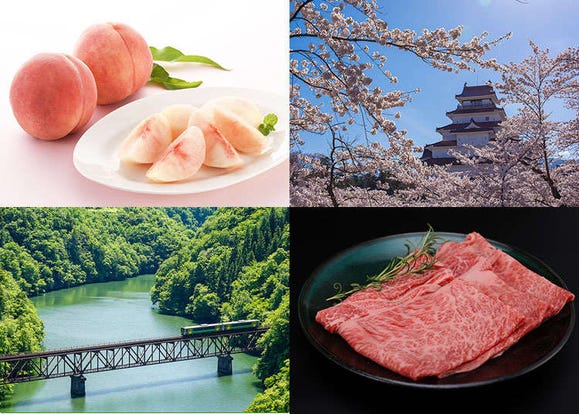
Why Fukushima is the Next Big Food Destination in Japan The Foodie Paradise Only 90 Minutes from Tokyo
-
20 Best Things to Do in Fukushima Prefecture (Sightseeing Attractions, Local Foods & Activities)
-
Your Trip to Sendai: The Complete Guide (Activities, Hotels, Savers & More)
-
Explore Japan in 7 Days: The Ultimate Local Rail Adventure with the Hokkaido & East Japan Pass
by: Guest Contributor
-

Sendai Umino-Mori Aquarium: Inside Northeast Japan's Largest Aqua Attraction
-
8 Things to Do on Sado Island (Niigata): The Curious 'Butterfly Island' That's One of Japan's Best-Kept Secrets
-
Iizaka Onsen Guide: Japan's Gorgeous Hidden Hot Springs Town! (Access, Things to Do, Ryokan)