



Hokkaido Accommodation Tax 2026: What It Is, Who Pays, and How It Affects Your Stay
- Written by: Shingo Teraoka
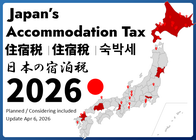
Starting April 2026, an accommodation tax has been introduced in Hokkaido. With 179 municipalities in the region, many local governments have also launched their own taxes simultaneously. These funds are utilized to protect the daily lives of local residents, improve traveler convenience, and promote sustainable tourism.
This article provides detailed information on the accommodation taxes set by the Hokkaido Prefectural Government and its local municipalities. For a general overview of Japan's accommodation tax, FAQs, and a list of other participating regions, please refer to the article below.
- Table of Contents
-
- A Bit Confusing? How Hokkaido's Tax Works
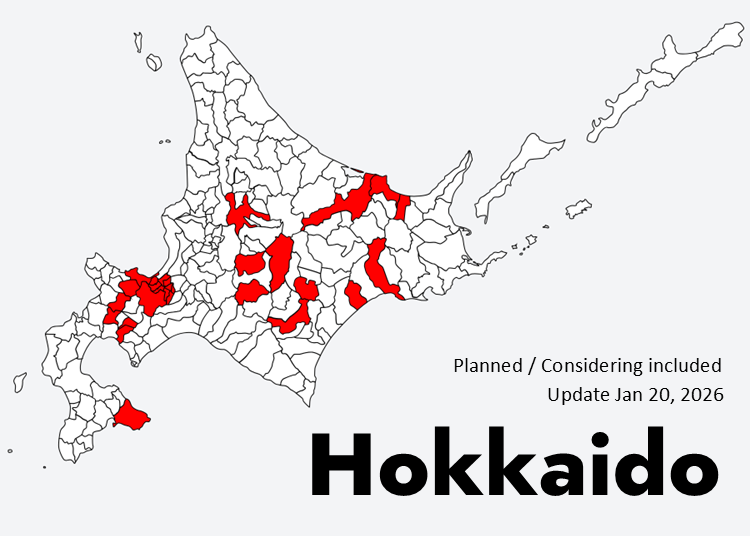
- Municipalities Implementing Accommodation Tax
- Hokkaido Prefecture (北海道)
- Sapporo City (札幌市)
- Otaru City (小樽市)
- Hakodate City (函館市)
- Asahikawa City (旭川市)
- Furano City (富良野市)
- Kushiro City (釧路市)
- Kitami City (北見市)
- Abashiri City (網走市)
- Obihiro City (帯広市)
- Otofuke Town (音更町)
- Shimukappu Village (占冠村)
- Shintoku Town (新得町)
- Kutchan Town (倶知安町)
- Niseko Town (ニセコ町)
- Akaigawa Village (赤井川村)
- Toyako Town (洞爺湖町)
- Koshimizu Town (小清水町)
- Accommodation Tax: An Investment in the Future
A Bit Confusing? How Hokkaido's Tax Works

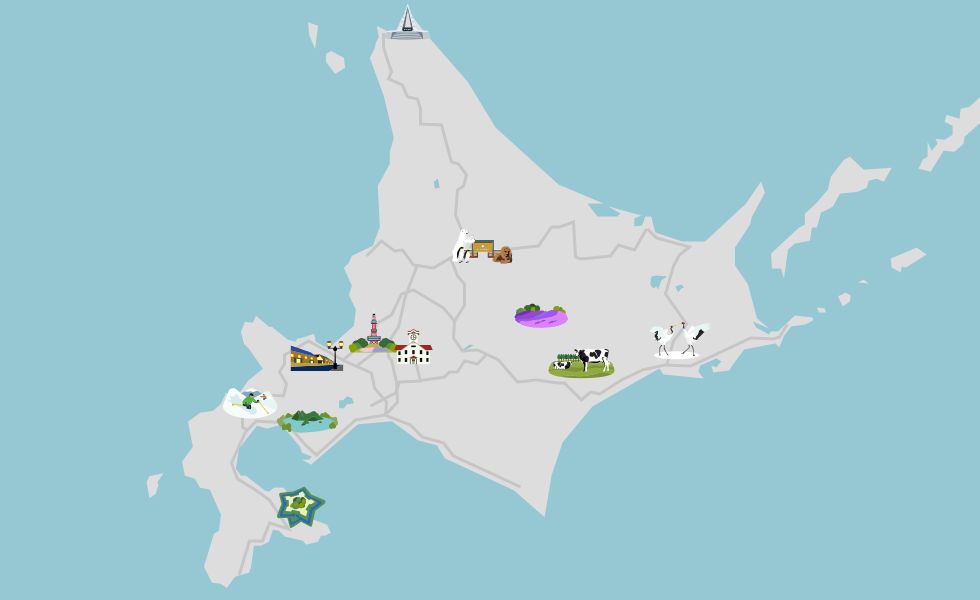
Japan is divided into 47 prefectures, and Hokkaido is one of them. Within Hokkaido, there are 179 municipalities (e.g., Sapporo City, Hakodate City, Niseko Town), each with the authority to independently implement its own accommodation tax.
In April 2026, the Hokkaido Prefectural Government began collecting this tax. Regardless of nationality, anyone staying in Hokkaido is now required to pay. (Exceptions may apply for students and teachers participating in school trips or official school events organized by schools defined under Japanese law.)
Additionally, several municipalities within Hokkaido have launched their own taxes. If you stay in these specific areas, you must pay both the "Municipal Tax" and the "Hokkaido Prefectural Tax" combined. However, in Kutchan Town, which uses a flat percentage rate, the prefectural tax is already included in that percentage.
Municipalities Implementing Accommodation Tax
Tax criteria vary by municipality. Below is a general overview; for specific details, please check the official website of each local government.
- Notes
- ・Rates are based on the room charge per person per night (excluding consumption tax).
・Room charges generally do not include meals.
・Data is based on tax rates applicable from April 2026 onwards.
Hokkaido Prefecture (北海道)
The prefectural tax is used to enhance tourism value, strengthen traveler support systems, and prepare for crises (such as natural disasters) within the tourism sector.
・Under 20,000 yen: 100 yen
・20,000–49,999 yen: 200 yen
・50,000 yen and over: 500 yen
When staying in the following cities, travelers are required to pay the Hokkaido Prefectural Tax listed above in addition to the municipal accommodation tax shown below. Kutchan Town is the only exception.
Payment Example: 1 night in Sapporo for 20,000 yen
・Hokkaido Prefectural Tax: 100 yen
・Sapporo Municipal Tax: 200 yen
・Total: 300 yen
Sapporo City (札幌市)
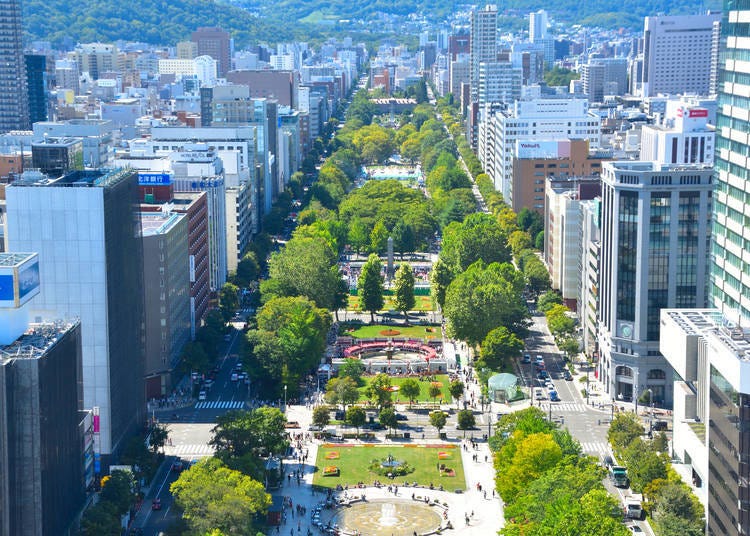
Sapporo, the capital of Hokkaido, is known for the Sapporo Snow Festival and a rich food culture that includes local favorites such as miso ramen and soup curry. Revenue from the accommodation tax is used to improve lodging facilities and public transportation, as well as to enhance tourist information services.
・Under 50,000 yen: 200 yen
・50,000 yen and over: 500 yen
Otaru City (小樽市)
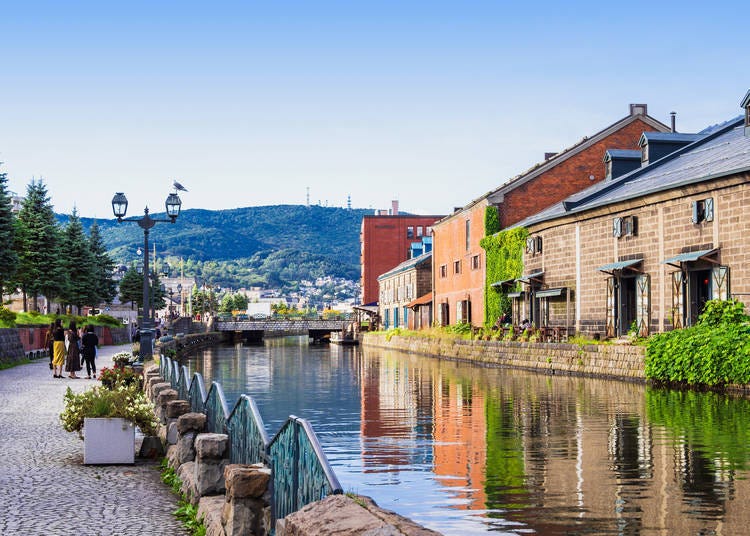
Known for its gas-lit Otaru Canal and historic stone warehouses, Otaru uses its accommodation tax to enhance local tourism resources and promote sustainable tourism development.
・Per person, per night: 200 yen
Hakodate City (函館市)
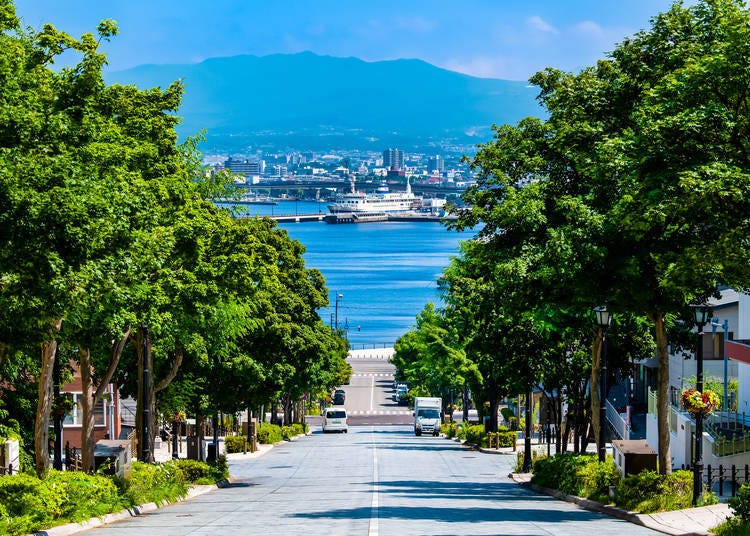
Hakodate is known for its world-class night view from Mt. Hakodate, the historic Motomachi district, and Yunokawa Onsen. The accommodation tax is used to support safety measures for travelers during disasters and to maintain high-quality tourism experiences.
・Under 20,000 yen: 100 yen
・20,000–49,999 yen: 200 yen
・50,000–99,999 yen: 500 yen
・100,000 yen and over: 2,000 yen
Asahikawa City (旭川市)

Asahikawa is home to the popular Asahiyama Zoo and serves as a gateway to Daisetsuzan National Park. The accommodation tax is used to create a comfortable, globally competitive environment for visitors.
・Per person, per night: 200 yen
Furano City (富良野市)
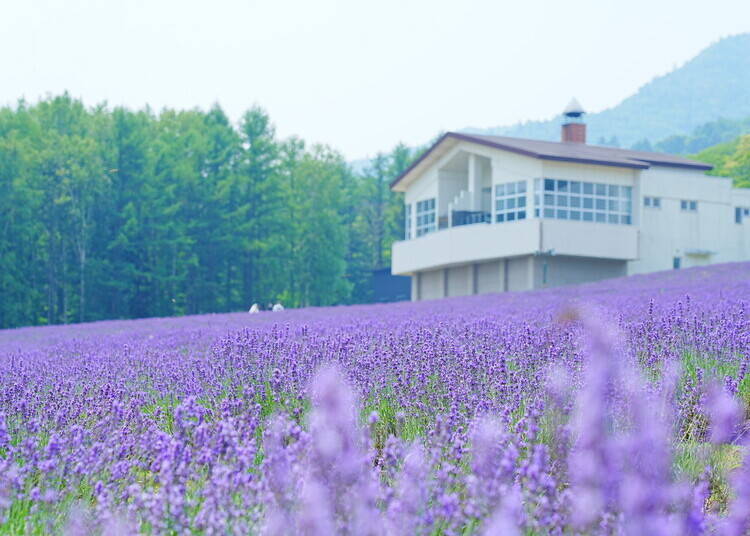
Furano City is known for a wide range of outdoor activities and its iconic lavender fields in summer. The accommodation tax is used to enhance the appeal of local tourism resources, improve information sharing, and create a more welcoming environment for visitors.
・Under 20,000 yen: 200 yen
・20,000–49,999 yen: 300 yen
・50,000 yen and over: 500 yen
Kushiro City (釧路市)
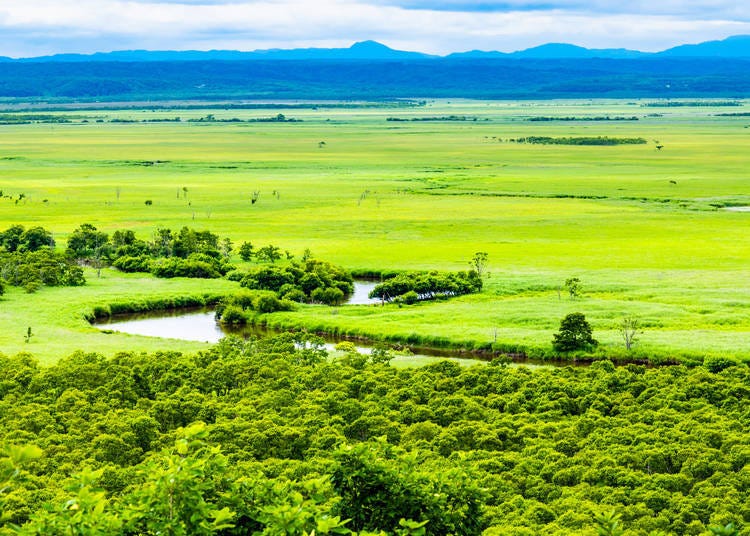
Kushiro City is known for the vast Kushiro Shitsugen wetlands, home to Japanese cranes designated as a Special Natural Monument, as well as attractions such as Lake Akan and Washo Market. The accommodation tax is used to improve mobility, promote adventure travel, and advance sustainable tourism.
・Per person, per night: 200 yen
Kitami City (北見市)
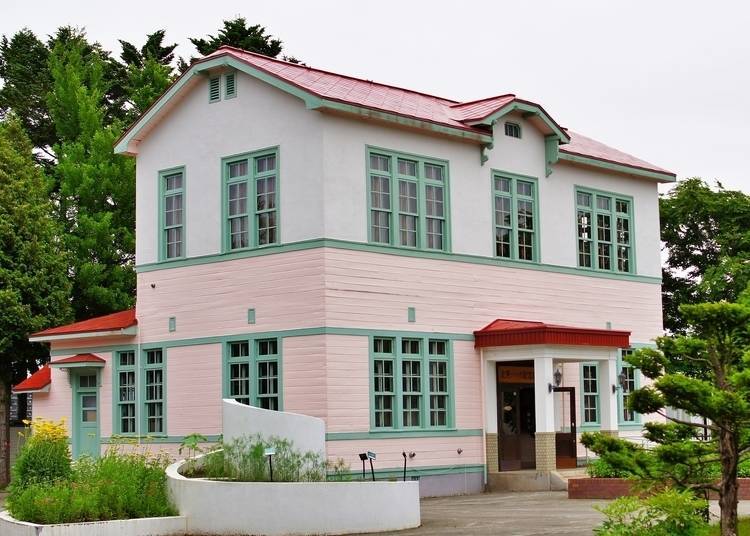
Kitami City is a major producer of refreshing mint and is known as the Kitchen of Okhotsk, celebrated for its abundant seafood and mountain delicacies. The accommodation tax is used to support tourism promotion that contributes to regional economic and social development.
・Per person, per night: 200 yen
Abashiri City (網走市)
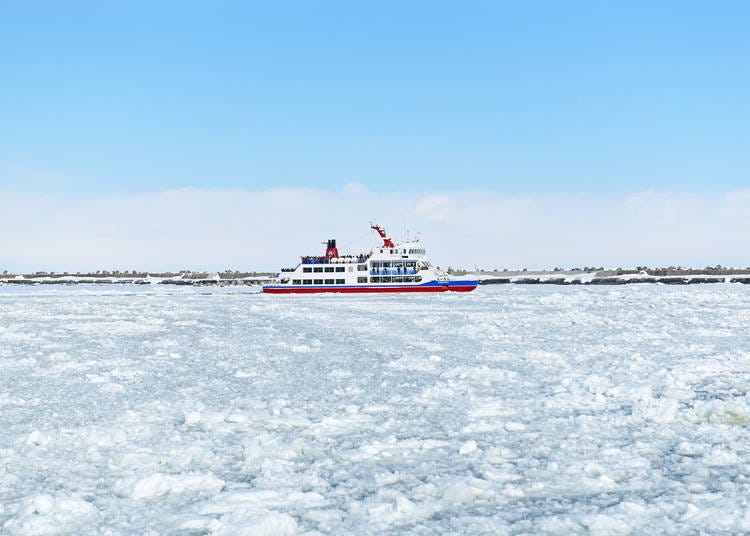
Abashiri City is known for its dramatic drift ice views from the icebreaker Aurora and the Okhotsk Ryu-hyo Museum, where visitors can experience extreme cold firsthand. The accommodation tax is used to support tourism promotion that contributes to the economic development of the local community.
・Per person, per night: 200 yen
Obihiro City (帯広市)
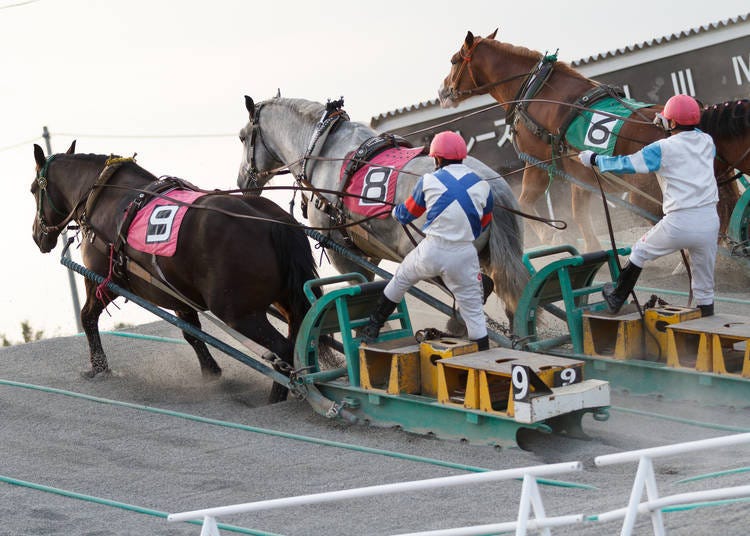
Obihiro City is known for local specialties such as butadon, a pork rice bowl, and Ban’ei Horse Racing, the world’s only form of racing where powerful draft horses weighing over a ton pull heavy sleds. The accommodation tax is used to enhance the appeal of regional resources and to improve the environment for welcoming visitors.
・Per person, per night: 200 yen
Otofuke Town (音更町)
Otofuke Town offers sweeping views across the Tokachi region and is known for Moor Onsen, a rare plant-derived hot spring often praised for its skin-beautifying properties. The accommodation tax is used to add value to local tourism and to strengthen services and support systems for visitors.
・Per person, per night: 200 yen
Shimukappu Village (占冠村)
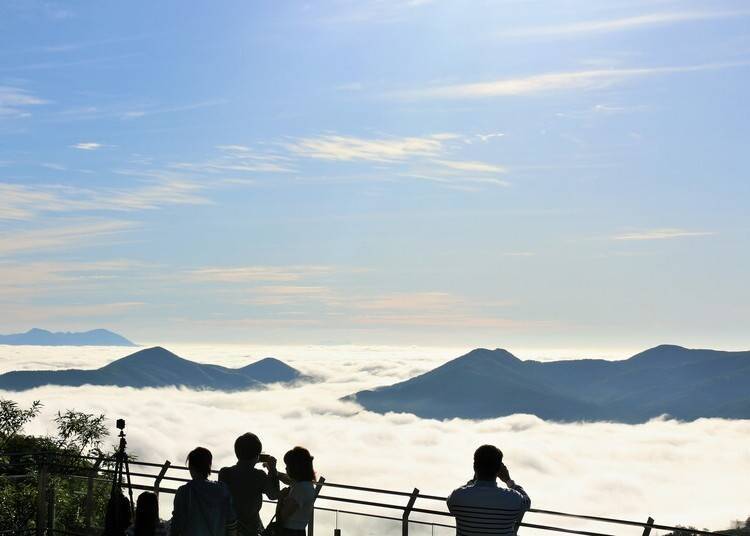
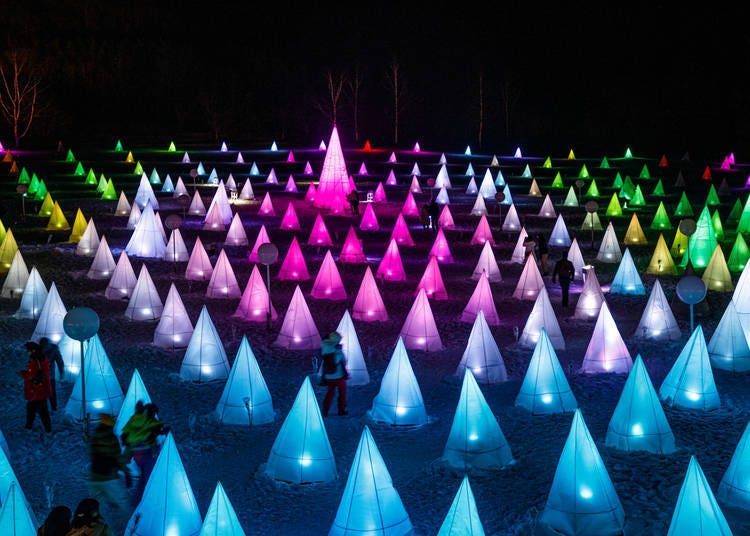
Shimukappu Village draws visitors with landmarks such as the Church on the Water, sweeping views from the Unkai, or Sea of Clouds, Terrace, and the winter-only Ice Village. The accommodation tax is used to foster local vitality and to improve convenience and overall satisfaction for travelers.
・Under 20,000 yen: 100 yen
・20,000–49,999 yen: 200 yen
・50,000 yen and over: 500 yen
Shintoku Town (新得町)
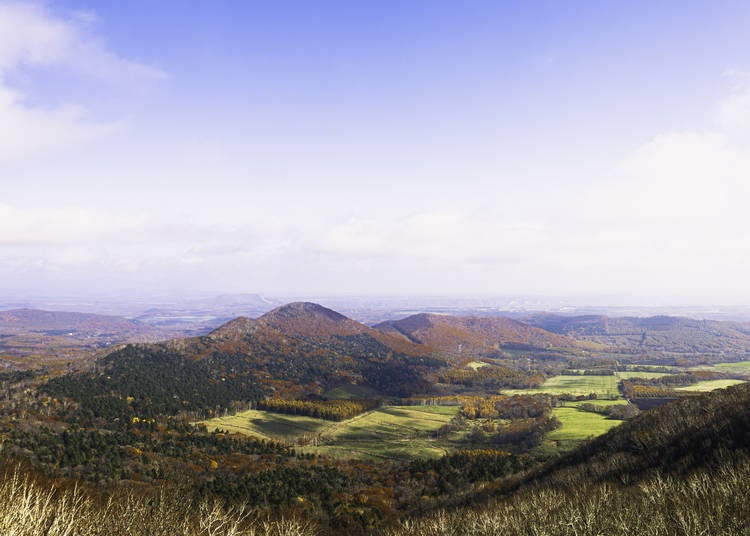
Shintoku Town is set amid the dramatic landscapes of the Higashi-Daisetsu Mountains and the Hidaka Range. The accommodation tax is used to enhance the appeal of local tourism resources and to improve the environment for welcoming visitors and overnight guests.
・Under 5,000 yen: 50 yen
・5,000–19,999 yen: 100 yen
・20,000–49,999 yen: 200 yen
・50,000 yen and over: 500 yen
Kutchan Town (倶知安町)
Here’s the refined version with your formatting rules applied. The brackets have been replaced with your bold tags, and wording has been smoothed for consistency:
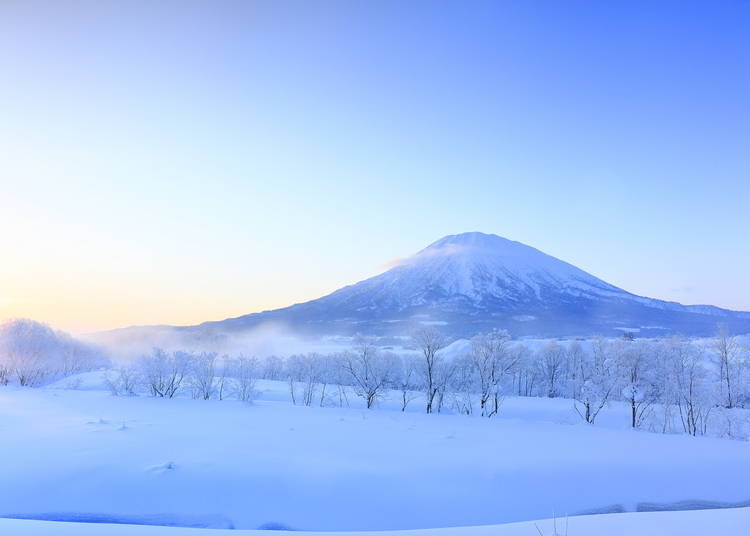
Surrounded by Mt. Yotei and the Niseko mountain range, Kutchan Town attracts skiers in search of world-class powder snow. The accommodation tax is used for environmental conservation in the Niseko and Mt. Yotei area, as well as for winter transportation support and traffic management measures.
・3 percent of the accommodation fee
Niseko Town (ニセコ町)
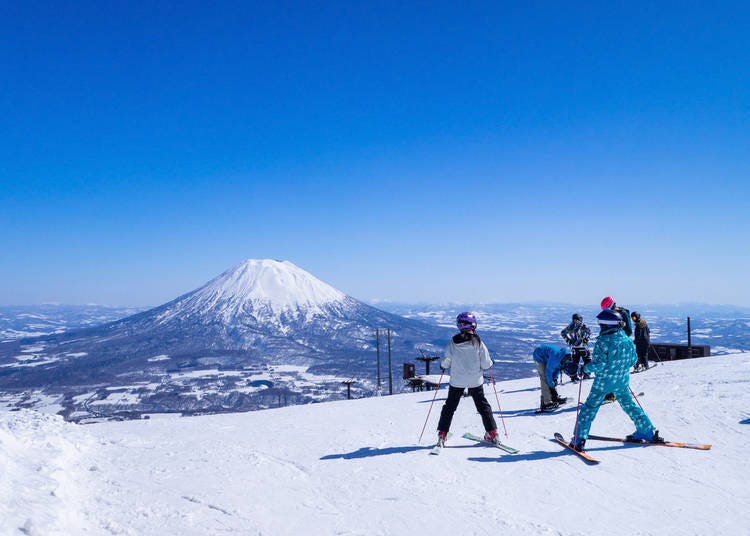
Niseko Town offers year-round enjoyment of its natural environment, from world-class powder snow skiing in winter to rafting and trekking in the warmer months. The accommodation tax is used to support initiatives aimed at developing Niseko as a sustainable international resort.
Until October 2026
・Under 5,000 yen: 100 yen
・5,000–19,999 yen: 200 yen
・20,000–49,999 yen: 500 yen
・50,000–99,999 yen: 1,000 yen
・100,000 yen and over: 2,000 yen
The tax rate will change starting November 2026.
From November 2026
・3 percent of the accommodation fee
Akaigawa Village (赤井川村)
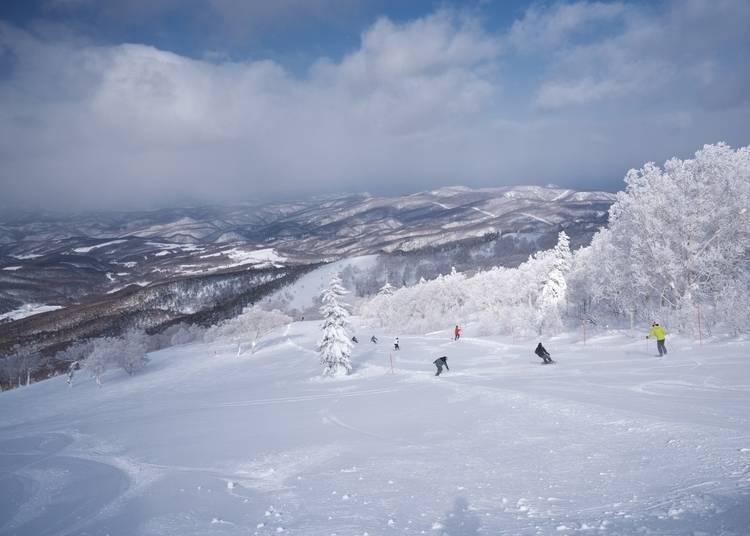
Akaigawa Village attracts skiers to Kiroro Resort, which is known for some of the region’s highest snowfall and best powder snow, with views overlooking Mt. Yotei. The accommodation tax is used to support the development of tourism infrastructure and to promote local tourism.
・8,000–19,999 yen: 200 yen
・20,000 yen and over: 500 yen
Toyako Town and Koshimizu Town are currently preparing or considering the implementation of the accommodation tax.
Toyako Town (洞爺湖町)
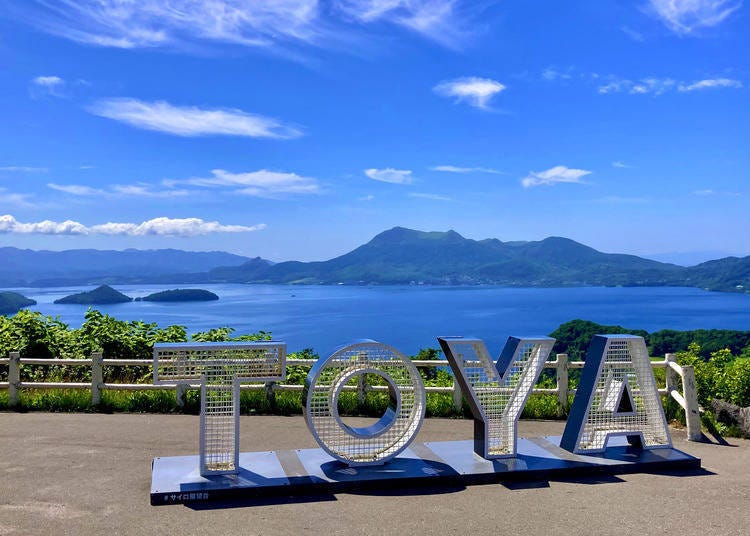
Toyako Town offers dramatic views over the caldera of Lake Toya and the active volcano Mt. Usu, providing visitors with a vivid sense of the Earth’s natural power. The accommodation tax is used to strengthen tourism services and infrastructure and to support the development of tourism facilities.
・Under 20,000 yen: 200 yen
・20,000–49,999 yen: 500 yen
・50,000 yen and over: 1,000 yen
Koshimizu Town (小清水町)
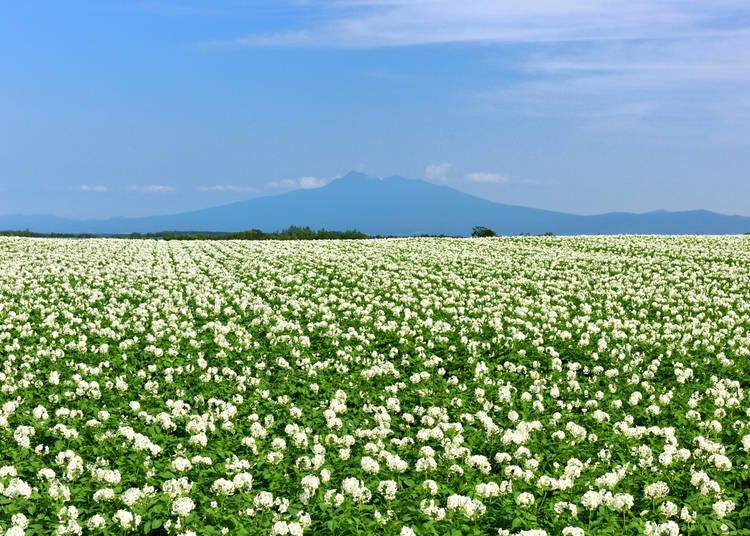
Koshimizu Town is often described as a place where you travel with birds, as around half of all wild bird species found in Japan, more than 300 species, have been recorded here. The accommodation tax is used to refine regional resources, enhance their appeal, and improve the environment for welcoming visitors.
・Per person, per night: 200 yen
Accommodation Tax: An Investment in the Future
Many local governments that have introduced an accommodation tax publish the results of their initiatives. The tax you pay is reinvested into the local residents and the tourists who visit the region. We deeply appreciate your understanding and cooperation regarding the accommodation tax as we strive to create sustainable tourist destinations.

Deputy General Manager
LIVE JAPAN
From Chiba Prefecture, he works extensively with Japan's Tourism Agency and local governments to promote the country's appeal worldwide, frequently traveling across Japan. His diverse achievements include the comprehensive production of a Japanese cuisine event at the National Treasure Geihinkan Akasaka Palace and delivering seminar lectures for the Tokyo Olympic and Paralympic Games Preparation Bureau. Drawing from past experiences, he developed a multilingual information system to assist foreign tourists during major disasters. Recognized by the Japan Institute of Information Technology as an "exceptional professional in IT-related fields," he brings a wealth of expertise to his work. In his free time, he enjoys visiting onsen, exploring cities, and savoring good drinks. Driven by the philosophy of "striving for the 1%," he oversees service operations, aiming to create truly valuable experiences.
- Area
- Category
*Prices and options mentioned are subject to change.
*Unless stated otherwise, all prices include tax.
Popular Tours & Activitiess
Recommended places for you
-
Appealing
Shirogane Blue Pond (Aoiike)
Rivers, Lakes & Canyons
Furano / Biei / Sounkyo
-
Appealing
Odori Park
Parks
Sapporo / Chitose
-
Appealing
Noboribetsu Onsen
Hot Springs (Onsen) & Bath Houses (Sento)
Noboribetsu / Lake Toya
-
LakeAkan
Rivers, Lakes & Canyons
Abashiri
-
Appealing
Otaru Canal
Rivers, Lakes & Canyons
Otaru
-
Appealing
Rukku and Uohei
Izakaya
Sapporo / Chitose
-
Ad
Welcome to Sapporo! Here’s How to Expore the Ciy Like a Local
-
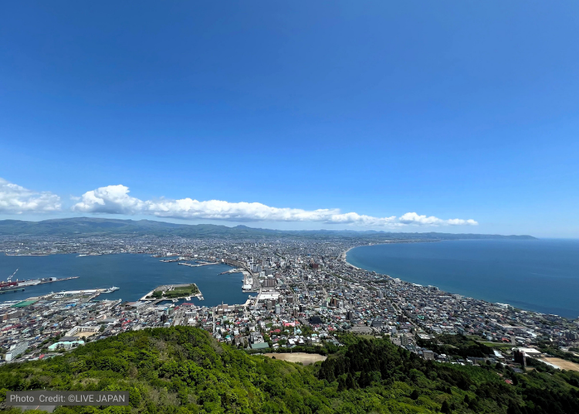
The Ultimate Hakodate Shopping Guide: Morning Market, Kanemori Warehouses, and Must-Buy Souvenirs
by: ShiroKu inc.
-
The Ultimate Otaru Walking Guide: Shops, Souvenirs, and a Perfect Route Along Sakaimachi Street
by: ShiroKu inc.
-
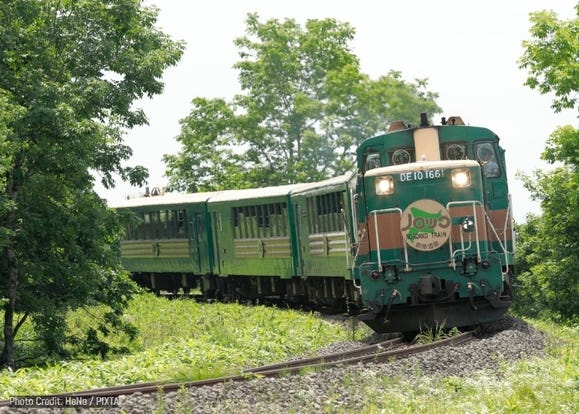
Into Hokkaido’s Untouched Wilderness: A Scenic Rail Journey on the JR Kushiro Shitsugen Norokko Train
by: Guest Contributor
-
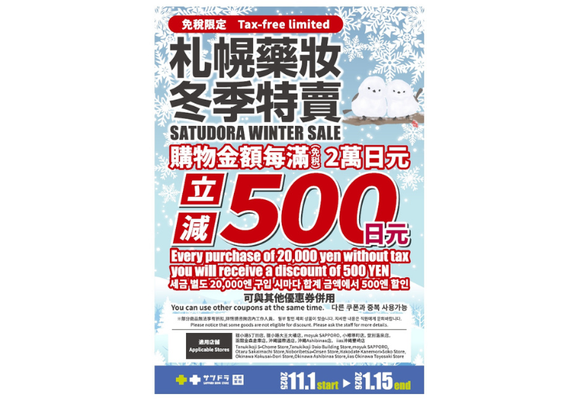
BIGGEST SALE ALERT! SATUDORA Tax-Free Winter Sale: Stack Coupons for Massive Savings!
by: Guest Contributor
-
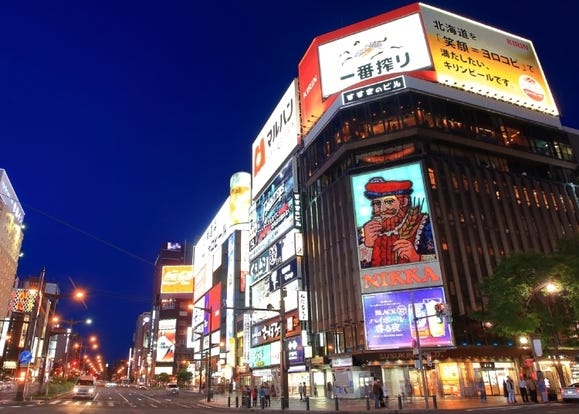
Explore Japan in 7 Days: The Ultimate Local Rail Adventure with the Hokkaido & East Japan Pass
by: Guest Contributor
-

What to Pack for Japan: 8 Essential Things for a Hassle-Free Trip
-
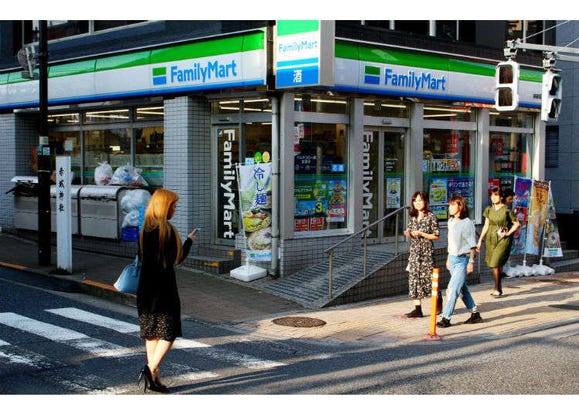
10 Important Japanese Phrases to Know Before You Enter a Japanese Convenience Store
by: Teni Wada
-

Otaru Travel Guide: Inside Hokkaido's Leading Destination (Sightseeing, Food, and Shopping Tips)
-

6 Surprisingly Cheap Things in Japan
-
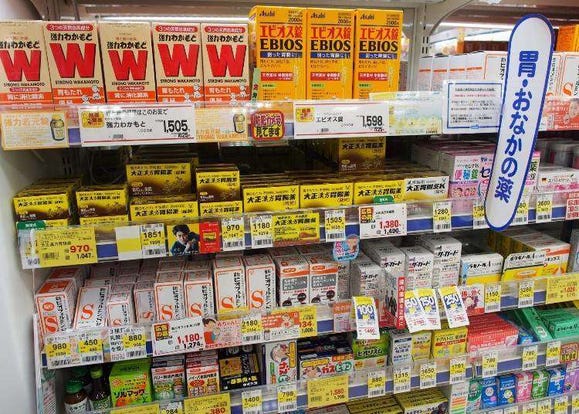
Complete Guide to Buying Japanese Medicine in Japan: Phrases and Vocabulary You Need to Know
-
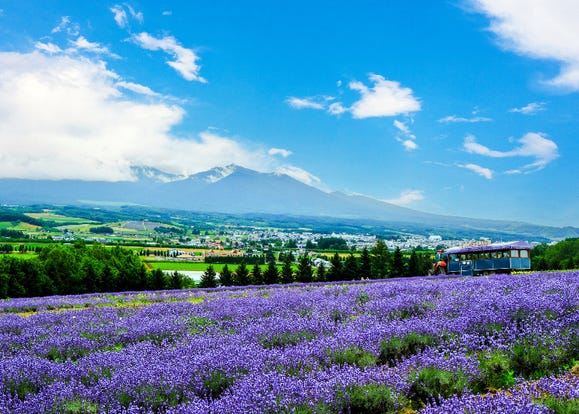
Hokkaido Travel Guide: Everything You Need to Know Before You Go (Transportation, Food, Souvenirs & Hidden Gems)
- #best sushi hokkaido
- #things to do hokkaido
- #best ramen sapporo
- #what to bring to japan
- #new years in tokyo
- #what to buy in ameyoko
- #japanese nail trends
- #what to do in odaiba
- #onsen tattoo friendly tokyo
- #daiso
- #best sweets otaru
- #japanese fashion culture
- #best nature furano
- #japanese convenience store snacks
- #best japanese soft drinks