








With just a single sheet of paper and a few careful folds, you can create everything from a delicate crane to a colorful flower. This is origami, Japan’s traditional art of paper folding, a creative pastime enjoyed by children and adults alike.
But origami is more than a fun craft. It has a fascinating history, carries special meanings in Japanese culture, and even has its own day of celebration on November 11.
Here’s a closer look at the world of Japanese origami, including its history, popular designs, and how you can try it yourself.
- Table of Contents
What Is Origami?

Origami (折り紙) comes from the Japanese words oru (to fold) and kami (paper). As its name suggests, the art involves transforming paper into different shapes through folding, traditionally without scissors or glue.
From simple boats and paper hats to intricate animals and flowers, origami designs can range from surprisingly easy to incredibly complex.
In Japan, many people first learn origami as children, often making simple shapes before working their way up to more challenging creations. It’s a pastime that requires little more than paper, patience, and a bit of imagination.
A Brief History of Origami in Japan

Although origami is closely associated with Japan, its exact origins remain uncertain.
Paper-making techniques reached Japan from China centuries ago, and different forms of paper folding gradually developed. During the Muromachi period (1336–1573), formal paper folding, known as origata, became part of samurai etiquette, particularly for wrapping gifts and letters.
As paper became more affordable during the Edo period (1603–1868), recreational folding spread among ordinary people.
By the late 1700s, instructional books were being published, including Hiden Senbazuru Orikata in 1797, which introduced elaborate designs featuring connected paper cranes.
Today, origami is enjoyed around the world, with creations ranging from traditional figures to elaborate works of contemporary paper art.
Popular Origami Designs and Their Meanings
One of the most enjoyable things about origami is the variety of shapes you can make. Some are simply fun to fold, while others carry special cultural associations.
Paper Cranes: Symbols of Peace and Good Fortune

Perhaps the most recognizable origami design is the paper crane, or orizuru. In Japanese culture, cranes have long been associated with longevity and good fortune. This symbolism is reflected in senbazuru, the tradition of folding 1,000 paper cranes, often strung together and offered as a wish for health, happiness, or recovery from illness.
Paper cranes have also become powerful symbols of peace, particularly through the story of Sadako Sasaki, a young Hiroshima atomic bombing survivor who folded cranes while suffering from leukemia.
Today, visitors to Hiroshima’s Peace Memorial Park can see colorful paper cranes offered in remembrance and as messages of hope.
Other Popular Origami Creations
Beyond the famous paper crane, there are plenty of other designs to discover.
Samurai Helmet (Kabuto)
・Meaning: Healthy growth of children, protection against harm and misfortune.
・Background: Displayed during Children’s Day (May 5th), it embodies the wish for a child to grow up strong, healthy, and resilient.
Ninja Star (Shuriken)
・Meaning: Warding off evil spirits, protection against bad luck.
・Background: Its pointed, sharp-angled silhouette symbolizes cutting away misfortune and adversity, serving as a protective talisman.
Paper Balloon (Fusen)
・Meaning: Expanding good fortune, prosperity, and harmony.
・Background: Inflated into a round shape by blowing air inside, it symbolizes matters resolving smoothly and peacefully (maruku osamaru) and fortunes expanding.
Beginners might start with a simple boat or helmet before attempting the more challenging paper crane.
November 11 Is Origami Day in Japan!

Did you know that origami has its own special day in Japan? November 11 is celebrated as Origami Day (おりがみの日), a date established by the Nippon Origami Association in 1980.
The reason is surprisingly simple: November 11 is written as 11/11, giving it four number ones. Each represents one side of a square sheet of origami paper.
The date also coincides with the anniversary of the 1918 World War I armistice, reflecting the association’s wish to connect origami with the spirit of peace.
Origami Day forms the conclusion of World Origami Days, an international celebration held from October 24 through November 11.
During this period, origami enthusiasts around the world are encouraged to share their creations, introduce others to paper folding, and celebrate the possibilities of a simple sheet of paper. Whether you’re in Japan or at home, it’s a lovely excuse to try folding something new.
What Is Chiyogami? Discover Japan’s Beautiful Origami Paper

Part of the appeal of origami is the paper itself. While ordinary paper works perfectly well, Japanese shops sell colorful square sheets specifically designed for folding.
Traditional decorative paper, often called chiyogami, features beautiful patterns inspired by Japanese textiles, flowers, geometric designs, and other motifs.
Some varieties use traditional Japanese washi paper, while inexpensive packs of printed origami paper are widely available. These decorative sheets make attractive souvenirs, even if you never get around to folding them!
If you want to take your paper craft to the next level, Japan is home to incredible specialty paper shops. These aren’t just for origami—they are all-purpose hubs selling everything from fine handmade washi and stationery to art supplies and unique gifts. Be sure to check out these spots in Tokyo and Kyoto.
- Ozu Washi
- Founded in 1653, this historic specialty shop boasts an extensive heritage in traditional Japanese paper. It offers an exceptional collection of handmade washi from across Japan, ranging from fine art papers and traditional crafts to everyday paper goods. The facility also houses an experiential handmade washi workshop and a historical archive museum.
・Address: Ozu Honkan Building, 3-6-2 Nihonbashi-Honcho, Chuo-ku, Tokyo
・Nearest Station: Shin-Nihombashi Station (JR Sobu Line Rapid)
・Website: https://www.ozuwashi.net/
- Nihombashi Haibara
- Established in 1806, this revered Nihombashi institution has long been cherished by cultural icons and artists, including Yumeji Takehisa. The shop features handcrafted ceremonial envelopes (kinpu), decorative patterned paper (chiyogami), and accordion-style letter pads (jabara binsen)—blending timeless craftsmanship with chic designs tailored for modern life.
・Address: Tokyo Nihombashi Tower, 2-7-1 Nihombashi, Chuo-ku, Tokyo
・Nearest Station: Nihombashi Station (Tokyo Metro Ginza & Tozai Lines, Toei Asakusa Line)
・Website: https://www.haibara.co.jp/
- Tokyo Kyukyodo (Ginza Main Store)
- Carrying on more than 360 years of tradition from its prime location in Ginza, Kyukyodo specializes in incense, washi, and traditional calligraphy and painting supplies. It features premium paper sourced from across Japan, alongside seasonal postcards, stationery, and decorative gift envelopes (pochi-bukuro) ideal for thoughtful gifts.
・Address: 5-7-4 Ginza, Chuo-ku, Tokyo
・Nearest Station: Ginza Station (Tokyo Metro Ginza, Marunouchi, and Hibiya Lines)
・Website: https://kyukyodo.co.jp/
- Ochanomizu Origami Kaikan
- Operated by Yushima no Kobayashi, a paper-dyeing atelier founded in 1858, this venue serves as a cultural hub for origami and hand-dyed washi. In addition to offering richly colored yuzen washi and artisan-dyed sheets for purchase, the facility hosts rotating exhibitions and hands-on workshops.
・Address: 1-7-14 Yushima, Bunkyo-ku, Tokyo
・Nearest Station: Ochanomizu Station (JR Chuo-Sobu Line, Tokyo Metro Marunouchi Line)
・Website: http://www.origamikaikan.co.jp/
- Yamagataya Kamiten
- Located in the historic book district of Jimbocho since 1879, this welcoming shop is dedicated to the craft of paper. Its inventory spans regional handmade sheets and raw paper to fine letter stationery, lifestyle accessories, and washi-based jewelry.
・Address: Kinoshita Daini Building 1F, 1-15-5 Kanda-Jimbocho, Chiyoda-ku, Tokyo
・Nearest Station: Jimbocho Station (Toei Shinjuku & Mita Lines, Tokyo Metro Hanzomon Line)
・Website: https://yamagataya-kamiten.co.jp/
- Kyoto Rakushikan
- Located on the first floor of The Museum of Kyoto and run by a paper company founded in the Meiji era, this shop carries thousands of washi varieties from around Japan, including Kyoto's traditional Kurotani washi. It also offers modern paper accessories and colorful sheets curated to match personal aesthetic palettes.
・Address: The Museum of Kyoto 1F, Sanjo Takakura, Nakagyo-ku, Kyoto
・Nearest Station: Karasuma Oike Station (Kyoto Municipal Subway Karasuma & Tozai Lines)
・Website: https://www.rakushikan-store.com/
- Morita Washi (Wagami no Mise)
- Tucked away in an alley near Shijo Karasuma, this shop is a favorite among artists and professionals. It carries roughly 1,200 varieties of handmade washi from across the country, ranging from ornate yuzen paper to rustic folk-craft paper (mingeishi), letter sets, and postcards, allowing visitors to feel and compare distinct paper textures in person.
・Address: 298 Ogisakaya-cho, Higashinotoin-dori Bukkoji-agaru, Shimogyo-ku, Kyoto
・Nearest Station: Shijo Station (Kyoto Municipal Subway Karasuma Line) / Karasuma Station (Hankyu Kyoto Line)
・Website: https://www.wagami.jp/
- Kamiji Kakimoto
- Housed in an atmospheric traditional Kyoto townhouse (machiya) near Teramachi and Fuyacho, this specialty retailer traces its roots back more than 170 years. It offers carefully curated art papers, original letterpress writing sheets, and seasonal correspondence sets designed to elevate the experience of handwritten letters.
・Address: 310 Shimohakusan-cho, Fuyacho-dori Sanjo-agaru, Nakagyo-ku, Kyoto
・Nearest Station: Kyoto Shiyakusho-mae Station (Kyoto Municipal Subway Tozai Line)
・Website: https://www.kamiji-kakimoto.jp/
- Suzuki Shofudo
- Founded in 1893 as a paper-tube manufacturer, this shop crafts unique lifestyle items using stencil-dyed paper (katazome-shi). It is renowned for its vibrant, modern-patterned storage boxes, stationery, and interior accessories that integrate traditional papercraft into everyday home decor.
・Address: 522 Shimohonnoji-mae-cho 1F, Nakagyo-ku, Kyoto
・Nearest Station: Kyoto Shiyakusho-mae Station (Kyoto Municipal Subway Tozai Line)
・Website: https://shofudo-shop.jp/
- Washi Club (Aburanokoji Main Store)
- Located near Nijo Castle, this flagship shop blends traditional handmade washi craftsmanship with contemporary graphic design. Highlights include watermarked kaishi paper, money envelopes, and goshuincho (temple pilgrimage stamp books) featuring refined, minimalist motifs.
・Address: Suga Building 1F, 593 Kusuriya-cho, Aburanokoji-dori Nijo-agaru, Nakagyo-ku, Kyoto
・Nearest Station: Nijojo-mae Station (Kyoto Municipal Subway Tozai Line)
・Website: http://www.washiclub.jp/
How to Try Origami During Your Japan Trip
You don’t need special equipment or previous experience to enjoy origami. In fact, it’s one of the easiest Japanese cultural activities to try.
1. Pick Up Origami Paper at a Shop
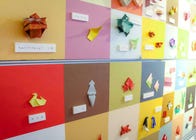
Origami paper can be found at stationery stores, craft shops, 100-yen shops, and many souvenir stores throughout Japan. Look for packages labeled origami (折り紙). Many contain assorted colors and patterns, while some include simple folding instructions.
2. Start With an Easy Design
If you’re new to origami, begin with a boat, hat, or simple animal. The secret is to follow the folding sequence carefully and make clean creases. With a little practice, you’ll soon be ready for more intricate designs.
Below are some websites with great tutorials to help get you started.
- Origami-no-Jikan
- A popular Japanese paper-crafting website created by an original origami artist, offering step-by-step photos and video tutorials for cute seasonal decorations, animals, and practical items.
・Website (in Japanese): https://origaminojikan.com/
- Origami.me
- A comprehensive English-language origami resource featuring a massive library of step-by-step diagrams, beginner courses, paper buyer guides, and artist showcases for folders of all skill levels.
・Website: https://origami.me/
3. Look for Origami Workshops and Cultural Experiences
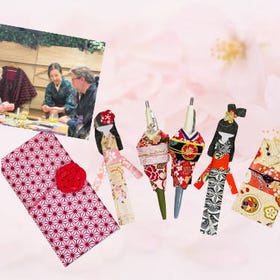
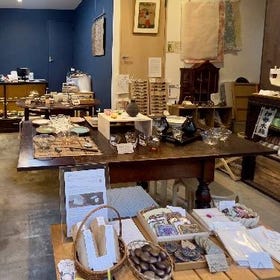
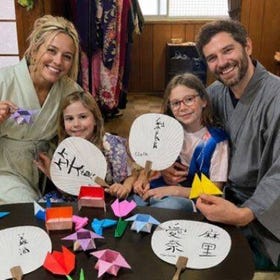
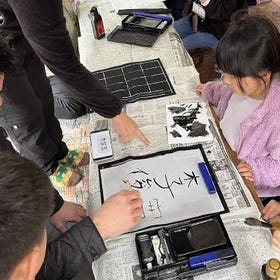
Some museums, craft studios, and cultural experience facilities offer opportunities to learn traditional Japanese paper folding.
These hands-on activities can be particularly enjoyable for families, as origami requires very little equipment and doesn’t depend heavily on language.
Availability varies, so check workshop schedules before visiting. Below are some suggestions you can enjoy during your time in Japan.
4. Bring Home a Handmade Souvenir
A colorful paper crane, flower, or decorative box makes a lightweight and personal souvenir of your Japan trip. Better yet, pick up a pack of Japanese origami paper and share the experience with friends and family back home.
Why Origami Remains So Popular
Part of origami’s enduring appeal is its simplicity. You don’t need expensive materials or artistic training to create something beautiful.
It’s an activity that brings generations together, encourages creativity, and offers a glimpse into Japanese cultural traditions.
And whether you’re folding a paper crane for peace, making a jumping frog with your children, or simply admiring the patterns of Japanese paper, origami is a small but memorable way to connect with Japan.
So why not give it a try? All you need is a square of paper and a little curiosity.
Additional Resources
-


-
Address
1-7-14, Yushima, Bunkyo-ku, Tokyo, 113-0034
View Map -
Nearest Station
Ochanomizu Station (JR Chuo Main Line / Tokyo Metro Marunouchi Line / JR Sobu Line)
7 minutes on foot
- Phone Number 03-3811-4025
-
Address
1-7-14, Yushima, Bunkyo-ku, Tokyo, 113-0034
*Prices and options mentioned are subject to change.
*Unless stated otherwise, all prices include tax.
Popular Tours & Activities

Recommended places for you
-
Appealing

Asahiyama Zoo
Zoos, Aquariums & Botanical Gardens
Asahikawa
-

Hokkaido University
Other Architecture
Sapporo / Chitose
-
Appealing

Otaru Canal
Rivers, Lakes & Canyons
Otaru
-

Niseko Village Ski Resort
Skiing & Snowboarding
Niseko / Rusutsu
-
Appealing

Rukku and Uohei
Izakaya
Sapporo / Chitose
-

LakeAkan
Rivers, Lakes & Canyons
Abashiri
-
Don Quijote (Donki) Tax Refund from Nov 1, 2026: No Refund Service Fee
-
(Japan Travel Etiquette) Eyes Up! Why You Shouldn't Walk and Scroll in Japanese Train Stations
by: Guest Contributor
-
5 Japanese Craft Shops in Shinjuku: From Walls of Kokeshi Dolls to Artisan Teapots
-
[Starting Spring 2027] Japan's Railways Evolve Further! Why Tickets Are Changing to "QR Tickets" and a Riding Guide for Foreign Visitors
by: Guest Contributor
-
5 Stationery Shops in Shinjuku: One Walking Route for Art Supplies, Suica Penguin Gifts, and More
-
Ad
Do’s and Don’ts: The Complete Guide to Sento Baths! Getting the Full Experience In Ueno’s Famous Kotobuki-yu
-

What to Pack for Japan in 2026: 15 Essentials for a Stress-Free Trip
-

Niseko: 15 Recommended Apartment Hotels and a Complete Guide to Enjoying Ski Season
by: Sae Haneda
-
Ad

Smart Ways to Avoid Crowds and Enjoy a Safe, Comfortable Trip to Noboribetsu Onsen
-

Japan's Bath Culture: Tips You Should Know!
-

Brew & Bites: Enjoy Craft Beer and Gourmet Akaigawa Pork at Otaru Warehouse No.1 Brewpub
-
Tokyo Railway & Subway Map: Navigate the City Like a Pro (JR, Subways, IC Cards & Passes)
- #best sushi hokkaido
- #things to do hokkaido
- #best ramen sapporo
- #what to bring to japan
- #new years in tokyo
- #what to buy in ameyoko
- #japanese nail trends
- #what to do in odaiba
- #onsen tattoo friendly tokyo
- #daiso
- #best sweets otaru
- #japanese fashion culture
- #best nature furano
- #japanese convenience store snacks
- #best japanese soft drinks