







Let's take a look at Japan's traffic rules and etiquette to make your trip safe and enjoyable.
Pedestrians keep to the right

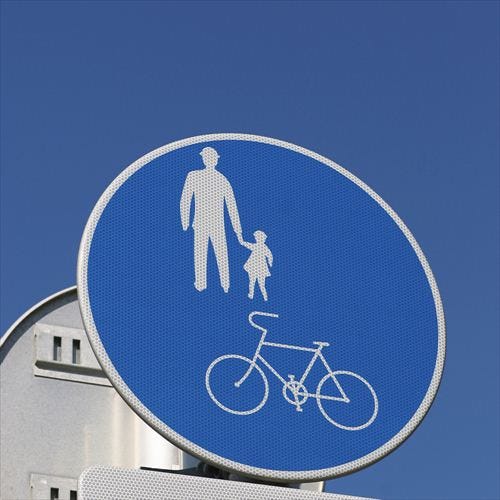
Walking on a sidewalk is safe, of course, but be aware that in Japan, they are used by both pedestrians and bicycles. When crossing the road, it is best to do so at a cross-walk. While pedestrians have priority, make sure to check left and right for your own safety.
Vehicles drive on the left

Under the Japanese traffic rules, vehicles drive on the left. Hence, the drivers' seats in Japanese cars are on the right. Vehicles does not only mean cars but also motorbikes and bicycles which also must keep to the left when driving on the road.
Japanese traffic lights

The red, green and yellow of traffic lights might have the same meaning all over the world. When a traffic light turns red in Japan, the other side's light also stays red for another second. This short period of all lights being red is created to prevent collisions with cars that enter the intersection just before the traffic light changes. Needless to say, however, you should stop as soon as the light turns red.
Traffic lights with push-buttons for pedestrians

Apart from traffic lights that turn green for pedestrians automatically, there are also those that have a push-button for people who want to cross the road.
Braille block

You will come across yellow studded paving blocks in Japanese stations or on sidewalks. These are called braille blocks and are an aid for visually impaired people, so make sure not to stand on these blocks.
Street parking is prohibited

In Japan, parking on the street is prohibited on almost all roads, even on a road shoulder. Even if it's just for 30 minutes, you may get a ticket for a parking offense if you park your car on the road.
Cars must stop at train crossings

At railway crossings, cars must stop for a short moment even if the crossing bar is not lowered. Apart from that, make sure that the car in front of you has crossed the entire railway crossing before continuing on the crossing yourself - cars go one by one here.
- Area
- Category
*Prices and options mentioned are subject to change.
*Unless stated otherwise, all prices include tax.
Popular Tours & Activities
Recommended places for you
-
Appealing

Rukku and Uohei
Izakaya
Sapporo / Chitose
-

Farm Tomita
Other Nature
Furano / Biei / Sounkyo
-
Appealing
Shirogane Blue Pond (Aoiike)
Rivers, Lakes & Canyons
Furano / Biei / Sounkyo
-
Appealing

Kanemori Red Brick Warehouse
Shopping Malls
Hakodate
-
LakeAkan
Rivers, Lakes & Canyons
Abashiri
-
Appealing
Sapporo Ramen Yokocho
Ramen
Sapporo / Chitose
-
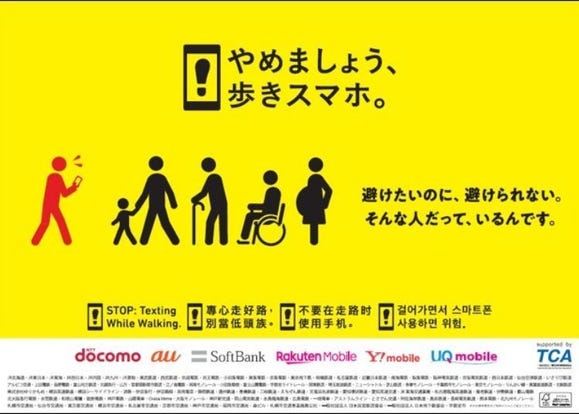
(Japan Travel Etiquette) Eyes Up! Why You Shouldn't Walk and Scroll in Japanese Train Stations
by: Guest Contributor
-

BicCamera Tax Refund 2026: Refund Service Fee 0 Yen
-
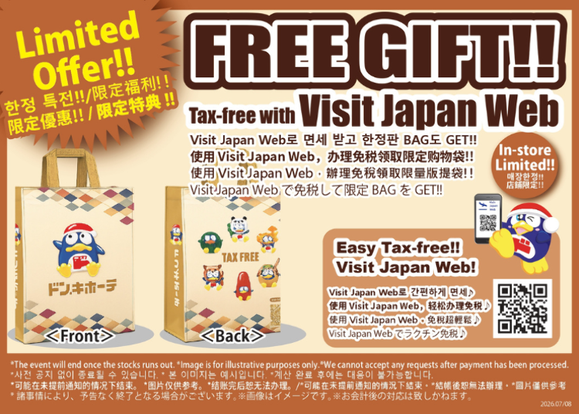
Don Quijote (Donki) Tax Refund from Nov 1, 2026: No Refund Service Fee
-
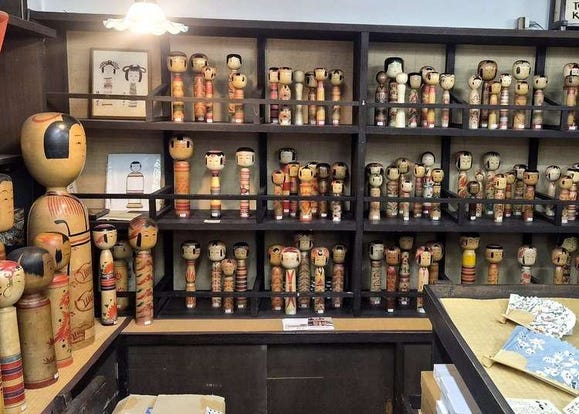
5 Japanese Craft Shops in Shinjuku: From Walls of Kokeshi Dolls to Artisan Teapots
-
Ad
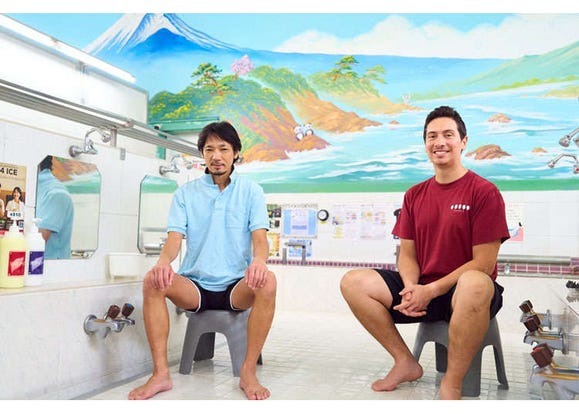
Do’s and Don’ts: The Complete Guide to Sento Baths! Getting the Full Experience In Ueno’s Famous Kotobuki-yu
-
28 Best Things to Do in Odaiba (2026 Updated): Tokyo's Entertainment Island
-
8 Unfamiliar (But Totally Normal) Customs in Japan!
-
Healthcare in Japan for Tourists: What to Do When You Get Sick or Injured in Japan
-
Explore Japan in 7 Days: The Ultimate Local Rail Adventure with the Hokkaido & East Japan Pass
by: Guest Contributor
-

Hokkaido for Travelers from India: A Complete First-Trip Guide
by: Himanshi Shah
-

Yunokawa Onsen: Hakodate City's Beautiful Hot Springs Town (Access, Places to Stay, Sightseeing & More)
by: Masakazu Yoshida
-
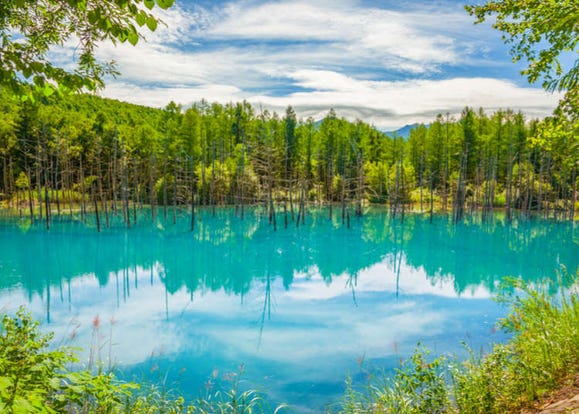
Top 5 Things to Do in Hokkaido's Biei and Furano Area: Shirogane Blue Pond, Lavender Fields, And More!
- #best sushi hokkaido
- #things to do hokkaido
- #best ramen sapporo
- #what to bring to japan
- #new years in tokyo
- #what to buy in ameyoko
- #japanese nail trends
- #what to do in odaiba
- #onsen tattoo friendly tokyo
- #daiso
- #best sweets otaru
- #japanese fashion culture
- #best nature furano
- #japanese convenience store snacks
- #best japanese soft drinks