



Do's & Don'ts: 9 Weird Things Tourists Often Forget at Onsen in Hokkaido
- Written by: Minna no Kotoba Sha
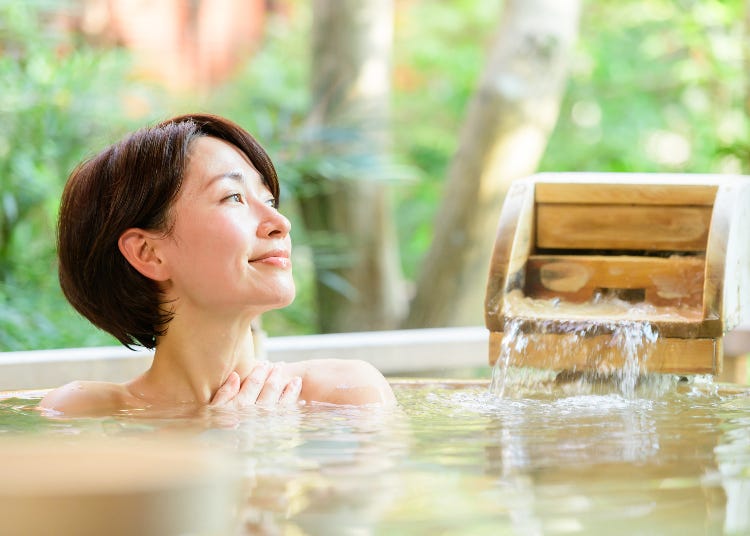
Japan is well-known as an onsen (hot spring) country. There are many onsen in Hokkaido, and you can find them speckled all around Japan's northern island! These include famous ones to hidden ones that are known just by a few people. Among them, there are also many unique onsen in Hokkaido that are just as nature made them, complete with amazing views.
They add that little bit more adventure to a trip to this country, and can often be the highlight! However, as these onsens are natural ones, and can be actually in the middle of the wilderness if you don't know how to use them correctly, then it can cause issues!
In addition to basic manners that must be observed when going into any onsen in Japan, there are other things to keep in mind when using an onsen in Hokkaido, so let's go over these to make sure you are ninja ready for your trip!
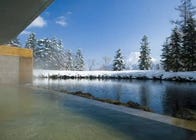
(Main image: PIXTA)
Basic Manners when Using an Onsen in Hokkaido
First of all, let’s remind ourselves of some of the basic manners for using an onsen in Japan - these are pointers which are good to remember. Not only will they help you enjoy using onsens, they will also make sure that you fit in with what other people are doing.
1. Don't wear a swimsuit
In Japan, people enter the onsen area naked from the changing rooms and don’t wear a swimsuit when bathing. As such, almost every onsen in Hokkaido will have warning signs pointing out that swimsuits are prohibited.
For this reason, the vast majority of them have separate areas for men and women. There are a few mixed onsens, but they have warning signs that they are mixed. However, you don’t need to worry too much about blundering into a mixed onsen, as there really very few!
2. Don’t go into the water wearing a towel
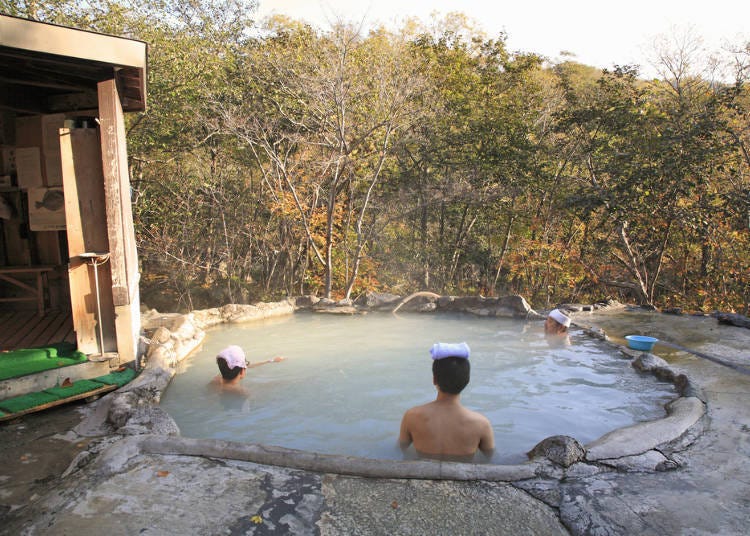
While you can’t wear a swimsuit in an onsen, you can bring a towel with you from the changing room. However, do not enter the water with a towel wrapped around your waist.
It is common to bring only a small hand towel rather than a bath towel. Towels are not allowed in the bath because they can make the water dirty.
Occasionally, you may see people wearing towels in an onsen on Japanese TV shows or in publicity photos. This is simply done for modesty.
You might wonder where to put your hand towel when entering the bath. The answer is simple: try placing it on your head, just like many Japanese bathers do.
Many people believe that putting a towel on your head keeps it warm, since it is the only part of your body not in the water. It may also help prevent blood from rushing to your head when you step out of the bath.
You will blend right in by placing your towel on your head. For the same reason, people try not to let their hair touch the water.
Those with long hair usually tie it up while bathing. This helps keep the bathwater clean for everyone.
3. Wash before bathing
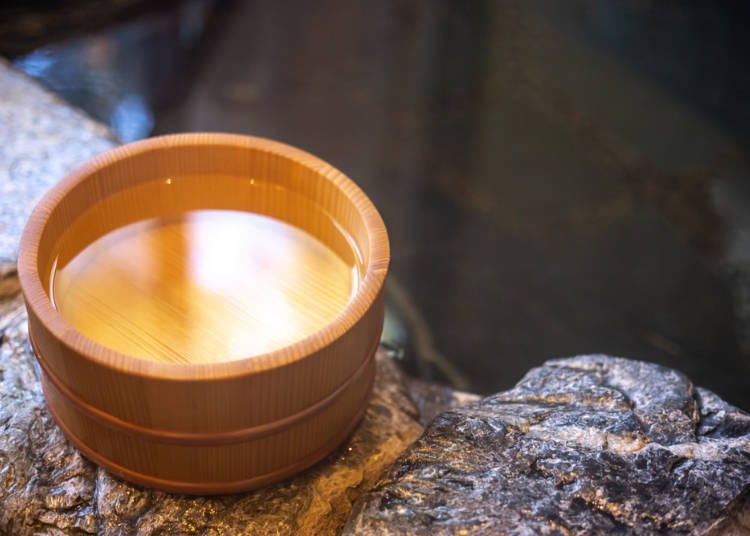
Before entering the bath, you need to wash. There are two reasons for this.
The first is to keep the bathwater clean. If everyone entered without washing, the water would quickly become dirty.
The second reason is to warm up your body before getting into the hot bath. Going straight into the hot water can be a shock to your body.
Washing first allows you to ease into the experience. After warming up your body, you can gently immerse yourself in the bath.
Most onsens have a designated washing area. The important point is to rinse yourself with hot water before entering the bath.
4. Don't jump!
Onsen in Hokkaido are not swimming pools. The baths are shallow and the water is very hot, so jumping in can be dangerous.
Many open-air onsens in Hokkaido are built with natural rocks. If you are not careful, it is easy to slip or injure yourself.
Please be mindful and avoid unnecessary risks. Never jump into the bath, and take extra care at open-air onsens.
5. Most onsens prohibit people with tattoos from entering
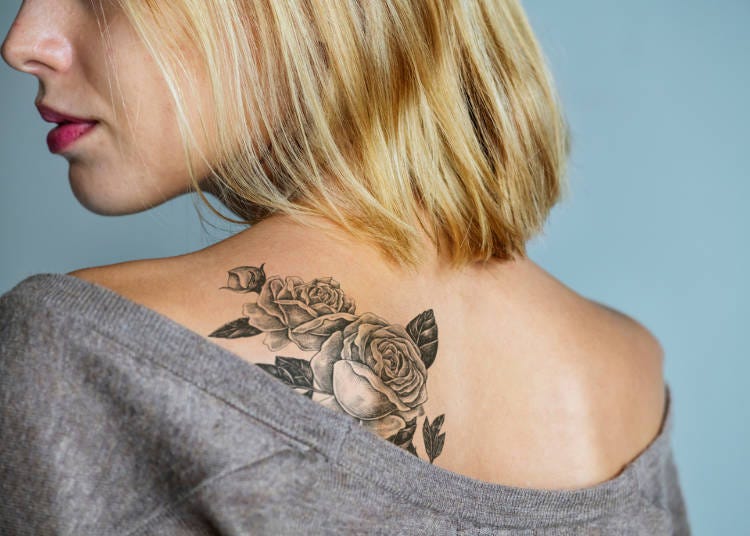
Many Japanese people traditionally have a negative view of tattoos. As a result, most onsens do not allow guests with visible tattoos to enter.
However, many onsen operators understand that tattoos are more common overseas. Because of this, some facilities are becoming more flexible under certain conditions.
If you have a small tattoo, you may be asked to cover it with a bandage. Larger tattoos are often not permitted in shared baths.
In that case, using a private onsen bath is a good option. These are commonly available at larger onsen facilities and many ryokans (traditional Japanese inns).
6. Don't use other people’s shampoos or shower gels
Most onsens in Hokkaido provide shampoo and body soap for guests. Because of this, you can usually visit an onsen without bringing anything.
However, many Japanese bathers prefer to bring their own shampoo or shower gel. They may leave these items in baskets or around the washing area.
Sometimes people forget exactly where they placed them. Because of this, it can be easy to mistake someone’s personal items for shared ones.
If a product looks like the standard items provided by the onsen, it is usually safe to use. If it seems personal or unclear, it is best not to touch it.
Special points about onsen in Hokkaido
Hokkaido, as stated previously, has many natural onsens. Basically, there won’t be any problems if you keep the above points in mind, but Hokkaido with its natural onsens presents a slightly different set of circumstances.
1. Be respectful to local residents
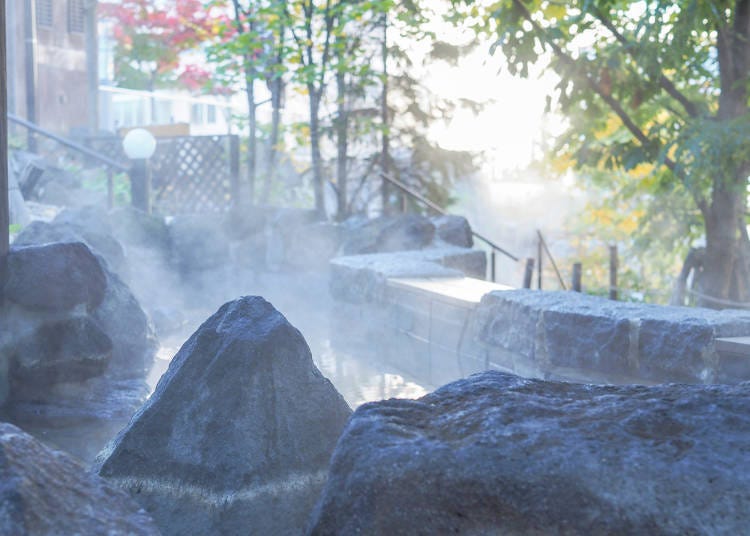
In Hokkaido, there are places where there are unmanned, but built, Hokkaido onsen facilities, and there are other places which are open-air onsens, both of which are used mainly by local people.
This isn’t to say there is a problem if you want to use them, but you need to remember that they have been around a long time and are much loved by locals. So be sure to adhere to the above pointers and try to leave everything the same way you found it.
If you receive advice from local people, then try to pay attention. There may also be a bath charge, which users are meant to pay even if no one is around.
2. Stay safe when using natural Hokkaido onsens
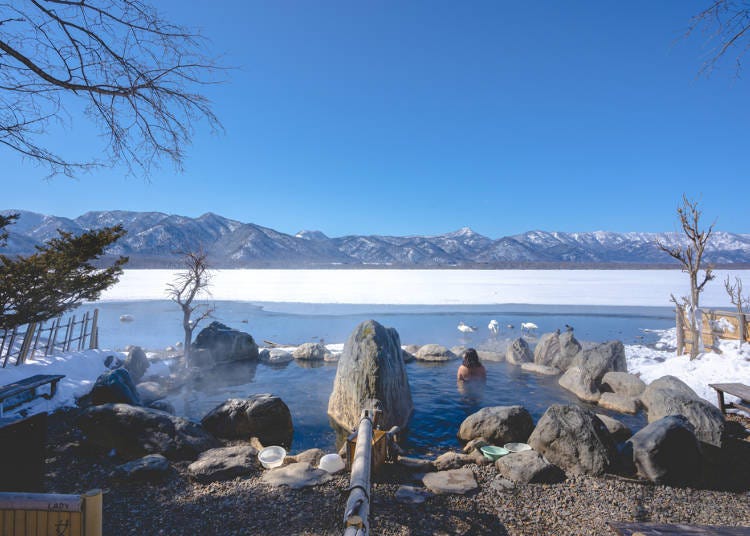
There are rare onsen in Hokkaido in the middle of nature that haven't been touched by human hands. While they make a valuable bathing experience and certainly help create memories of your trip, which you will never forget, these places also increase the probability of encounters with wildlife, such as brown bears.
There are onsens in Hokkaido deep in the mountains or the wilderness that can't be reached without taking mountain paths, and for which you need to prepare proper hiking gear. Hot springs that are on the coast or the shore of a lake can also be affected by natural phenomena, including both the weather and tides.
When planning to go to such Hokkaido onsens, please check with local people before departing, and make sure you are sufficiently prepared and equipped to use them safely. Many natural open-air onsens don't have washing areas. At these onsens, you can still get in and enjoy a hot bath, but you can't use shampoo or body wash.
3. Watch out for heat shock and frozen floors
In a warm changing room or hot bath, blood vessels expand and blood pressure drops. When you leave the water and step into cold air, blood vessels contract and blood pressure rises.
This sudden change in blood pressure can place stress on the heart. It can also affect the body in several ways.
This is not only a concern during winter in Hokkaido. Even in summer, early mornings and nights can be quite cold in some areas.
It is a good idea to check the weather forecast before visiting an open-air onsen. Being aware of the conditions can help you prepare.
In winter, the floors and edges around open-air baths may be completely frozen. Steam rising from the water can also make it harder to see clearly.
Snow may hide rocks or other uneven surfaces. Because of this, it is important to watch your footing and move carefully.
Take a moment to check the area around you. Staying cautious will help you avoid slips or falls.
Related Articles
Minna no Kotoba Sha is a production company founded by an editor with extensive experience in editing local magazines in Sapporo. For over 20 years, our team has conducted research and written articles across Hokkaido, with Sapporo as our primary hub. Our diverse portfolio includes the production of various books such as travel guides, informational magazines, and collections showcasing the picturesque landscapes of Hokkaido. Comprised entirely of women, the team at Minna no Kotoba Sha boasts diverse interests, including a passion for travel, culinary delights, and alcoholic beverages. The scope of our communication efforts spans a wide range, covering everything from introducing notable restaurants to providing coverage of local events and sharing stories of leisure experiences.
*Prices and options mentioned are subject to change.
*Unless stated otherwise, all prices include tax.
Popular Tours & Activitiess
Recommended places for you
-
Appealing
Asahiyama Zoo
Zoos, Aquariums & Botanical Gardens
Asahikawa
-
Farm Tomita
Other Nature
Furano / Biei / Sounkyo
-
Appealing
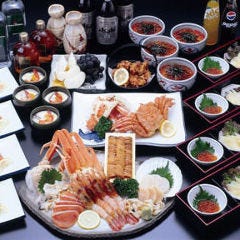
Rukku and Uohei
Izakaya
Sapporo / Chitose
-
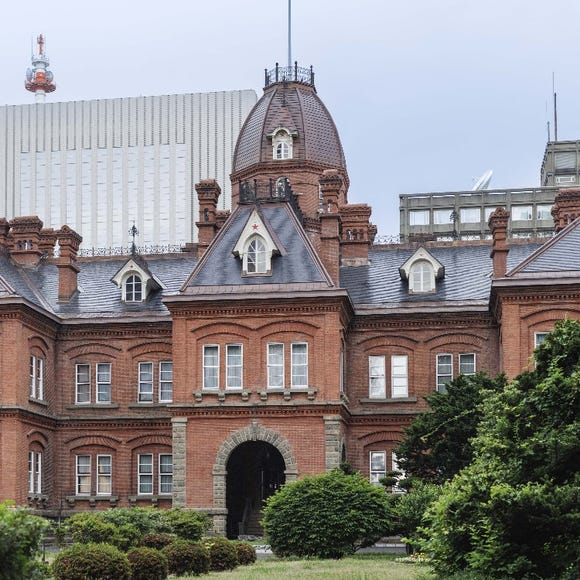
Former Hokkaido Government Office Building (Red Brick Office)
Other Historic Sites
Sapporo / Chitose
-
Appealing
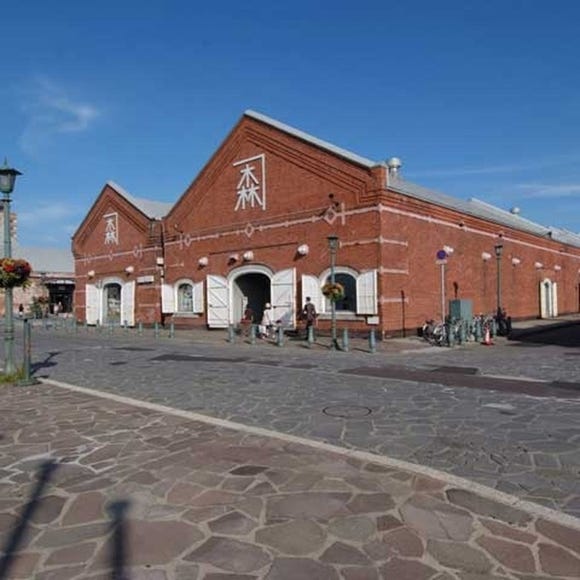
Kanemori Red Brick Warehouse
Shopping Malls
Hakodate
-
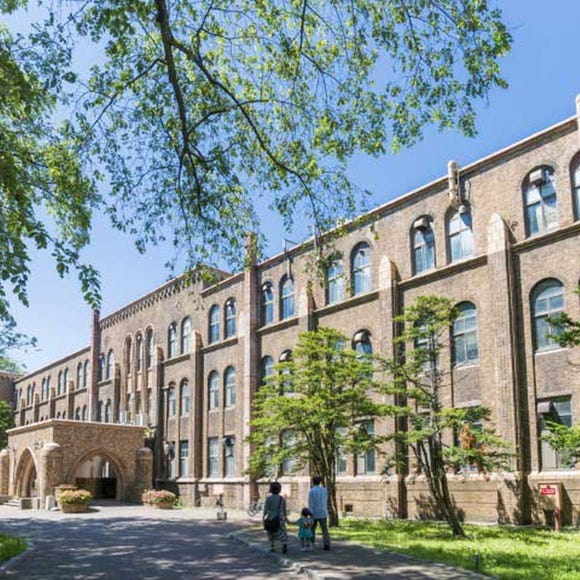
Hokkaido University
Other Architecture
Sapporo / Chitose
-
Expert-Recommended: 9 Hakodate Hotels Serving Up the Best Breakfasts in Town
by: Nobuka Kawashima
-
Explore Japan in 7 Days: The Ultimate Local Rail Adventure with the Hokkaido & East Japan Pass
by: Guest Contributor
-
Ad
Explore Eastern Hokkaido from Tancho Kushiro Airport: Your Gateway to Grand Nature
-
Ad
Smart Ways to Avoid Crowds and Enjoy a Safe, Comfortable Trip to Noboribetsu Onsen
-
Ad

Sapporo SATUDORA Shopping Guide: Get Souvenirs, Medicine & More at This Iconic Drugstore (Special Deal Inside!)
-
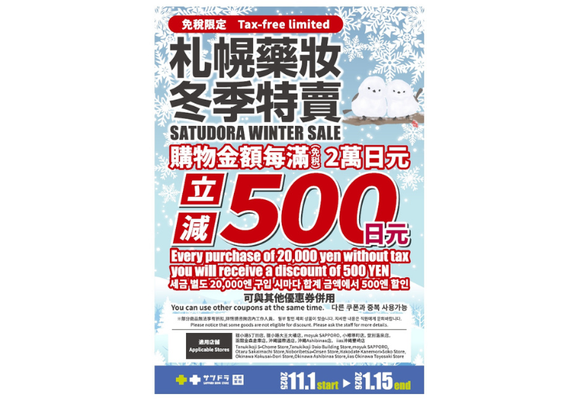
BIGGEST SALE ALERT! SATUDORA Tax-Free Winter Sale: Stack Coupons for Massive Savings!
by: Guest Contributor
-

3 Gorgeous Onsen in Niseko: Soaking Spots in Japan's Wild North
-
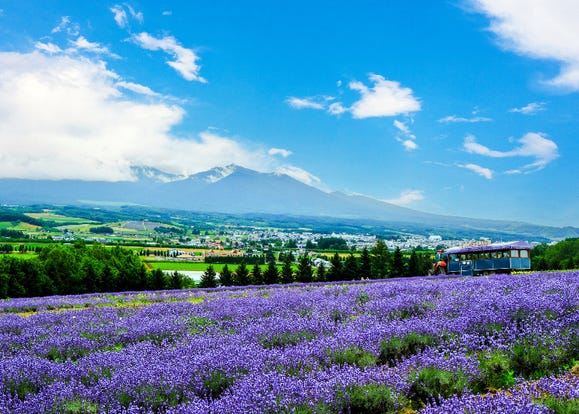
Hokkaido Travel Guide: Everything You Need to Know Before You Go (Transportation, Food, Souvenirs & Hidden Gems)
-
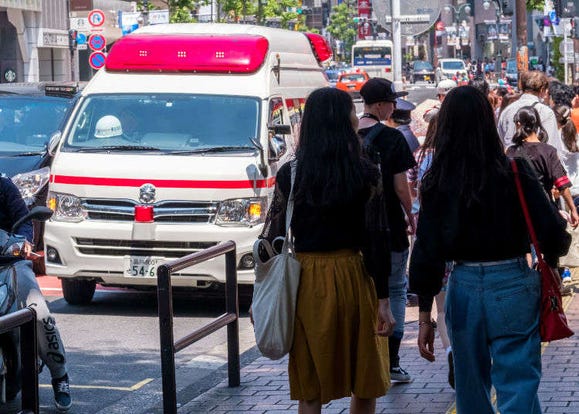
Healthcare in Japan for Tourists: What to Do When You Get Sick or Injured in Japan
-
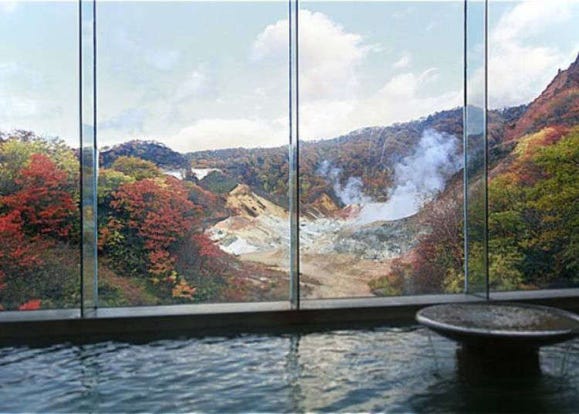
Dai-ichi Takimotokan Hotel: Relax at These 5 Incredible Hot Springs in Noboribetsu Onsen!
-
These 18 Things to Do in Hakodate Will Make You Fall in Love With the Northern Wonderland
by: Guest Contributor
-

Discover Jozankei Onsen: Top Ryokan & Activities in Sapporo's Hot Springs Retreat
by: Nobuka Kawashima
- #best sushi hokkaido
- #things to do hokkaido
- #best ramen sapporo
- #what to bring to japan
- #new years in tokyo
- #what to buy in ameyoko
- #japanese nail trends
- #what to do in odaiba
- #onsen tattoo friendly tokyo
- #daiso
- #best sweets otaru
- #japanese fashion culture
- #best nature furano
- #japanese convenience store snacks
- #best japanese soft drinks