



Hokkaido is best known for things like fresh seafood, local produce, jingisukan barbecue, and outdoor adventures. But the prefecture has also produced a remarkable number of artists.
One of them is internationally acclaimed sculptor Kan Yasuda, who was born in Bibai, Hokkaido, and is now based in Italy. At the Kan Yasuda Sculpture Museum Arte Piazza Bibai, visitors are encouraged not just to look at his works, but to touch and physically experience them as well.
*Information in this article is current as of October 2024. Please check the official website for the latest details before visiting.
*All prices include tax.
A sculpture museum in one of Hokkaido’s former coal-mining towns
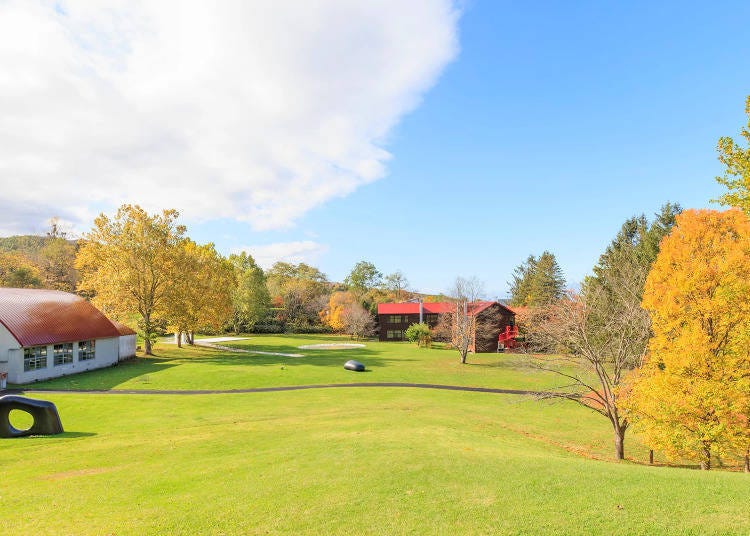
Arte Piazza Bibai is about an hour north of Sapporo by car via the Hokkaido Expressway. From the Bibai Interchange, turn right onto Prefectural Route 135, also known as the Bibai-Furano Route, and drive for around five minutes.
Bibai was once one of Hokkaido’s major coal-mining communities, helping fuel Japan’s postwar economic growth. At its population peak in 1956, the city had more than 90,000 residents, around 60,000 of whom lived in districts associated with the mines.
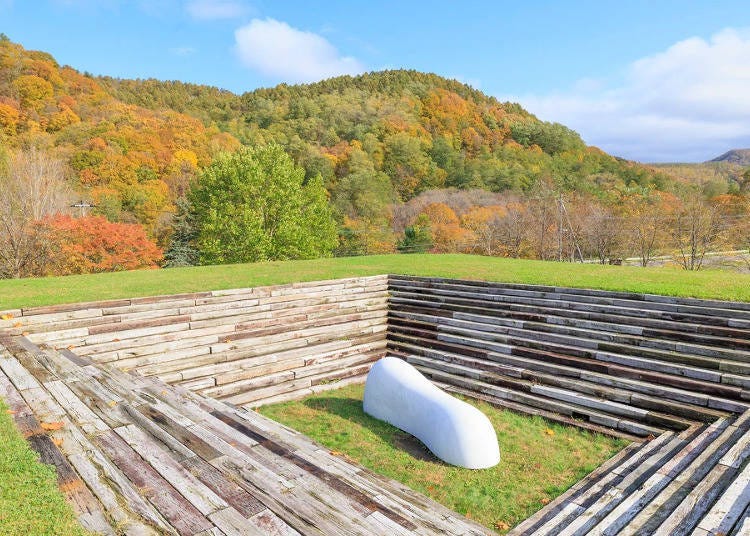
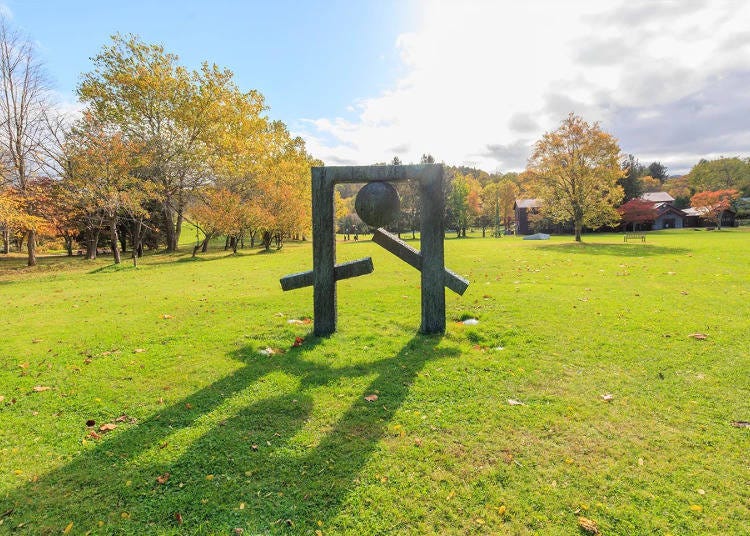
The area where Arte Piazza Bibai now stands was once a tanjugai, a residential district built for coal miners and their families.
As Japan’s energy needs shifted from coal to oil, however, mines across the region gradually began to close.
By 1973, every underground coal mine in Bibai had closed. Many miners and their families moved away, and the once-lively town became much quieter.
Kan Yasuda, who was born and raised in Bibai, was among those deeply affected by the changes.
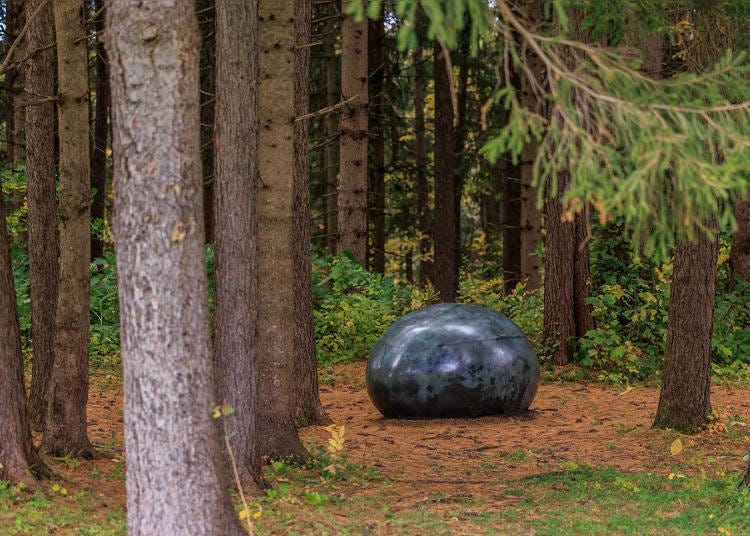
Saki Izumi, who handles public relations for Arte Piazza Bibai, explains:
“When Yasuda was a child, Bibai was right in the middle of its coal-mining boom. The streets were full of people, and the festivals in particular were apparently on a completely different scale from what you see today.
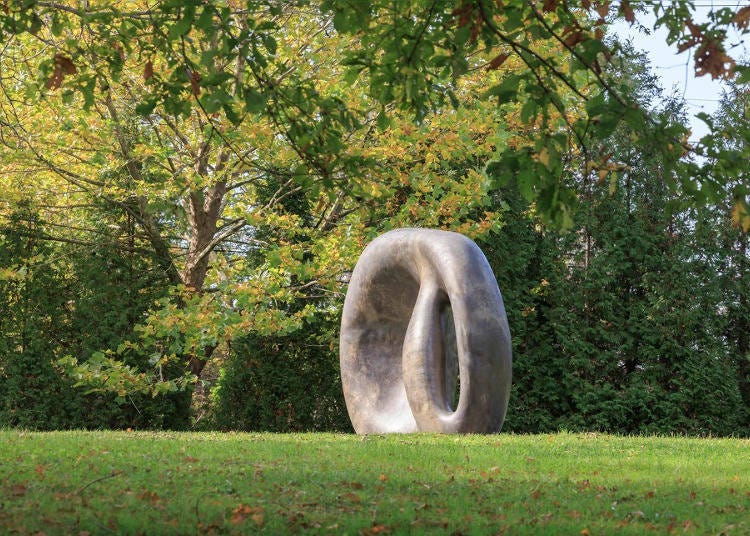
“The miners spent their days doing extremely demanding and dangerous work, so festivals were a rare chance to let go and enjoy themselves completely. Yasuda seems to have carried the excitement and emotion of those celebrations with him well into adulthood.”
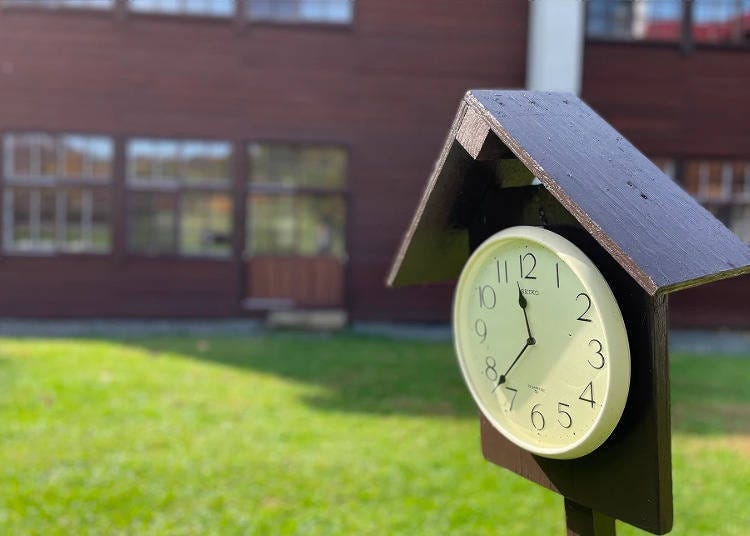
“After high school, Yasuda studied at Hokkaido University of Education and later at the graduate school of Tokyo University of the Arts. In 1970, he left Japan to study in Italy.
“When he returned to Bibai several years later, the town he remembered had changed dramatically. The miners’ housing was gone. The Bibai Railway was gone. He was shocked by just how quiet everything had become.”
That sense of loss was shared by many people connected to Bibai. Memories remained of streets once filled with adults and children, but there was a growing fear that the history of the mining town itself might gradually disappear.
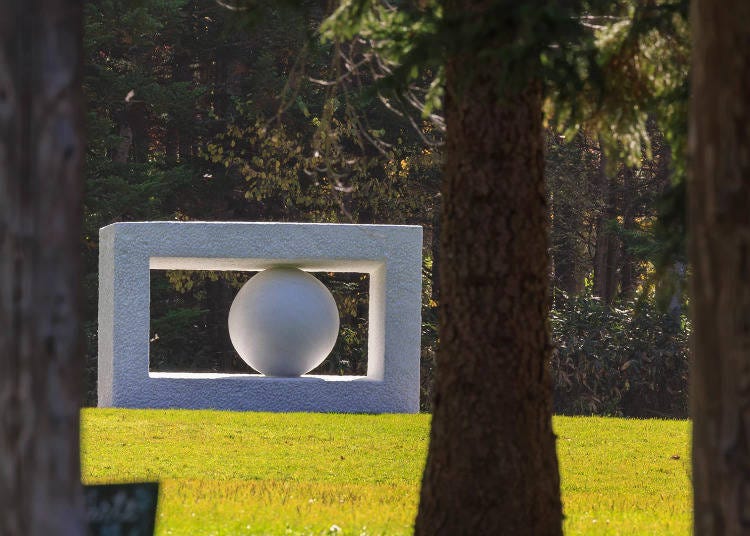
In 1976, Bibai City asked Kan Yasuda to create a monument that could preserve and evoke memories of the city’s coal-mining era. That commission would eventually become the first step toward the creation of Arte Piazza Bibai.
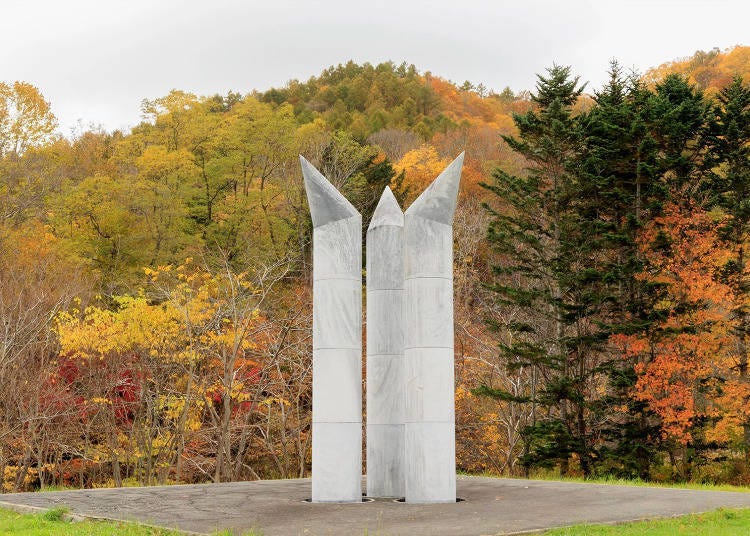
Eight years after Yama no Hi (Monument of the Coal Mine) was installed in 1980, Yasuda’s connection with Bibai took another important turn. At the time, he was looking for a base in Japan, and the city suggested that he use the gymnasium of the former Bibai Municipal Sakae Elementary School.
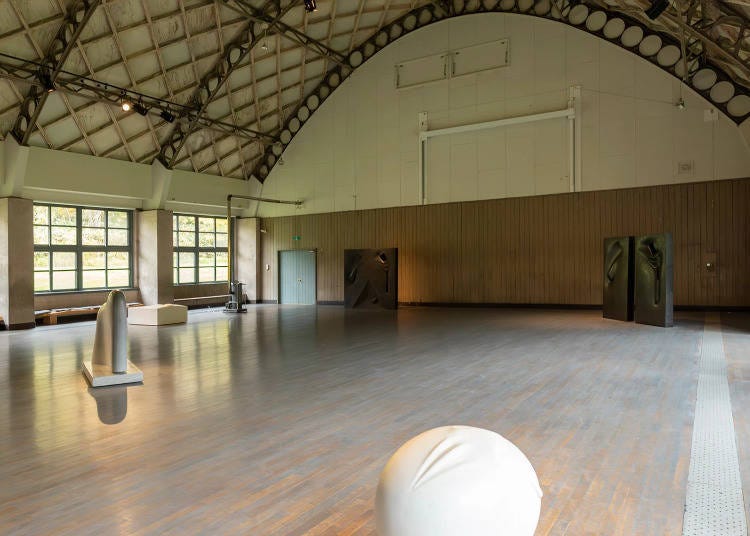
Izumi continues:
“That was what brought Yasuda back here more regularly. On one visit, he saw kindergarten children making their way through a snowstorm in brightly colored anoraks. At the time, the former elementary school was being used as a kindergarten.
“He later said that seeing them made him think, ‘I want to turn this into a place these children can enjoy.’”
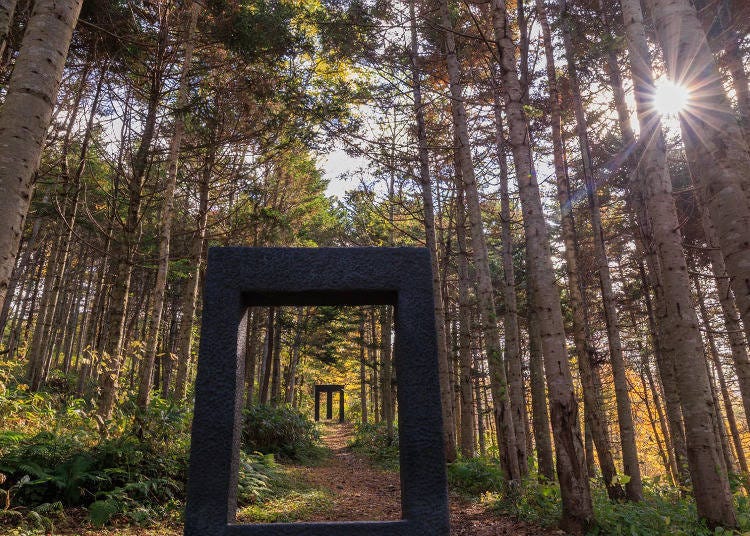
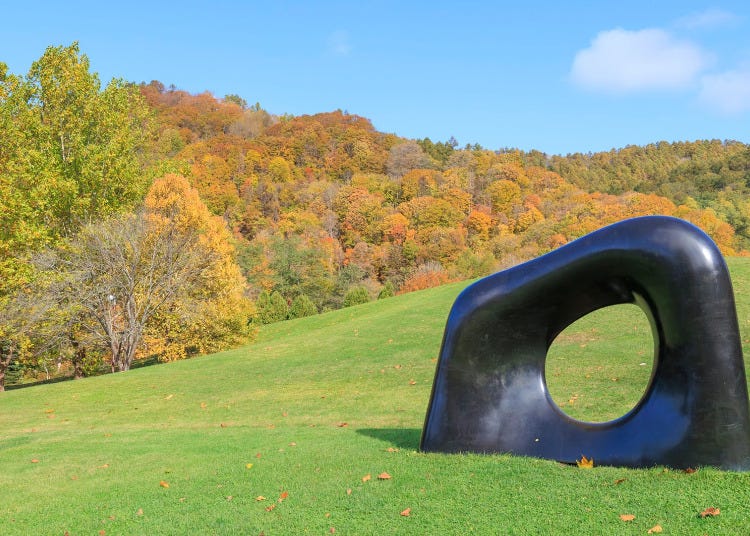
In 1992, the former mining residential area was reborn as Arte Piazza, an open-air art space surrounded by wide skies and a landscape that changes dramatically with the seasons.
Today, it serves both as a place of relaxation for local residents and as a destination for Kan Yasuda admirers from across Japan and overseas.
A place where memories come quietly back to you
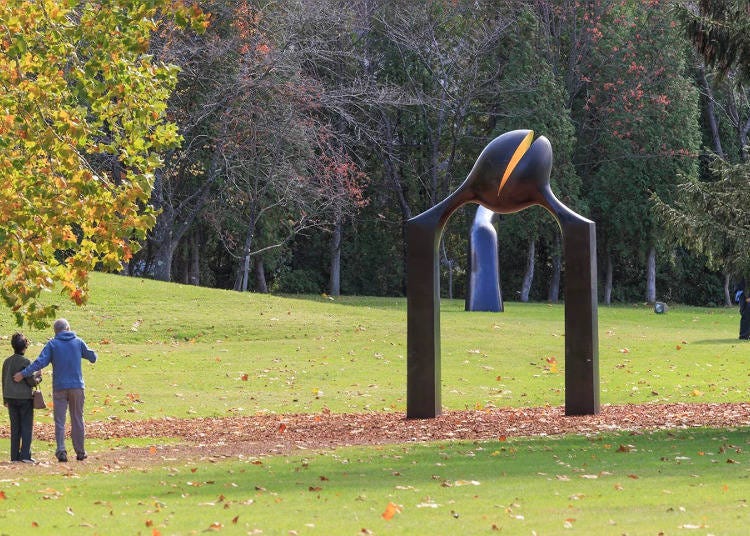
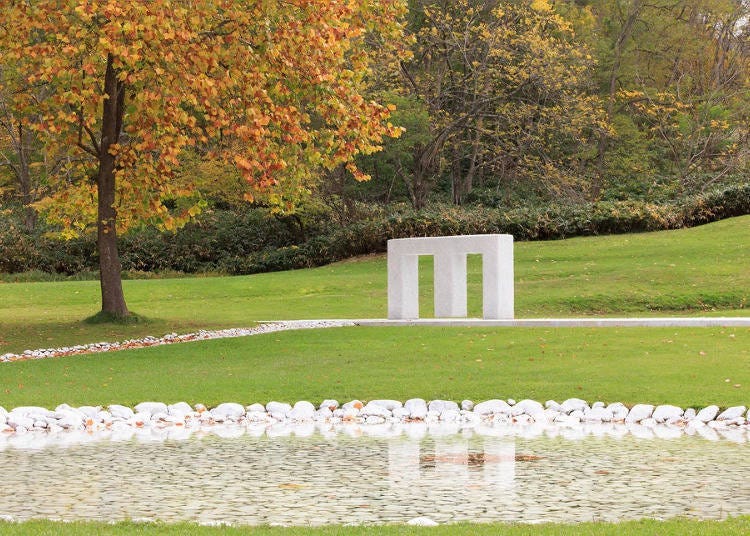
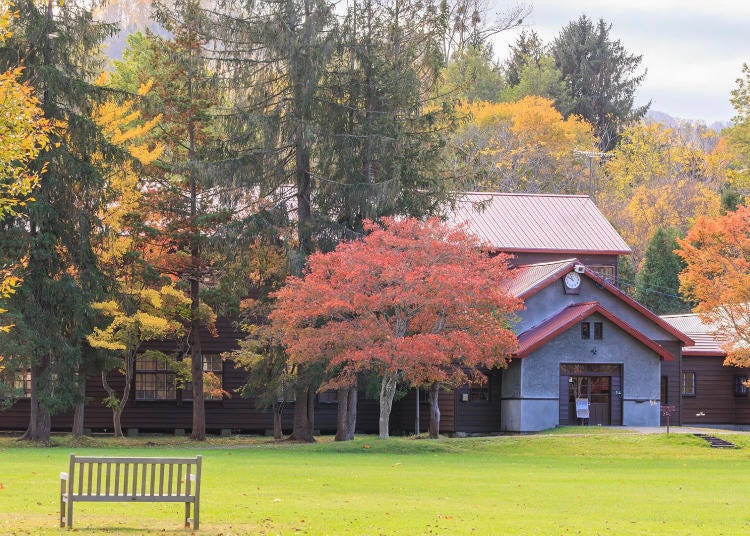
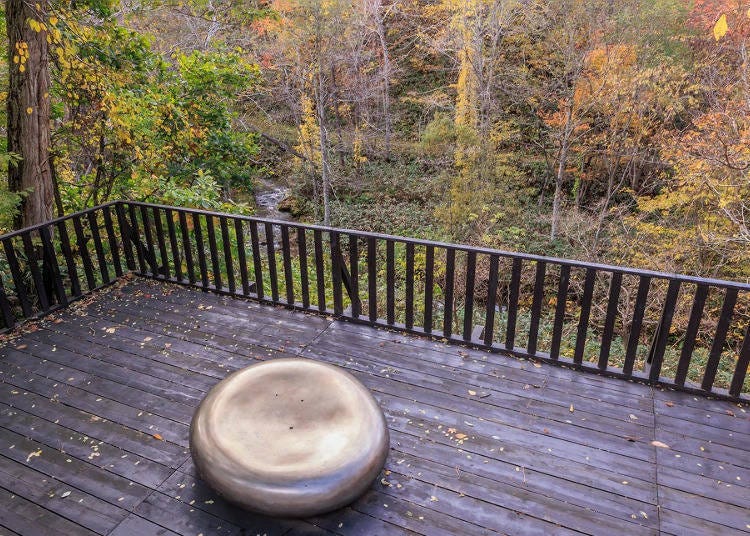
At Arte Piazza Bibai, sculptures are placed throughout the grounds as well as inside galleries created from the former school and gymnasium.
There is something almost playful about the way the works inhabit the old school spaces. At times, they can feel like children chatting or playing quietly in the building, as though traces of the school’s former life still remain.
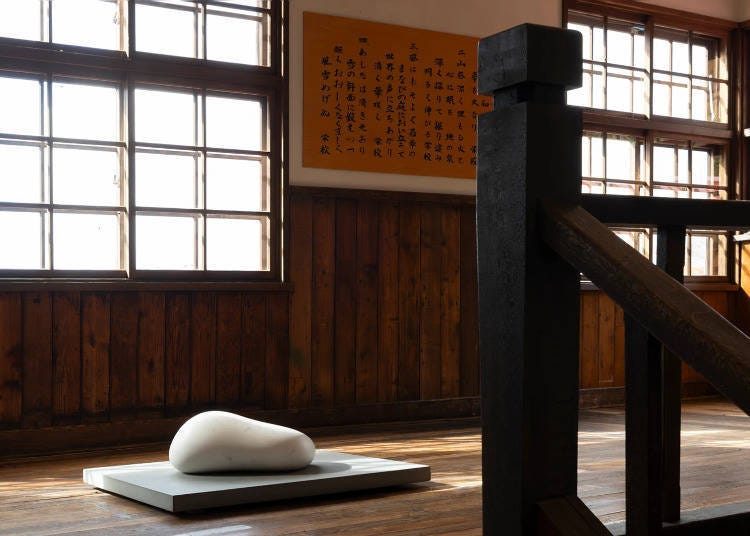
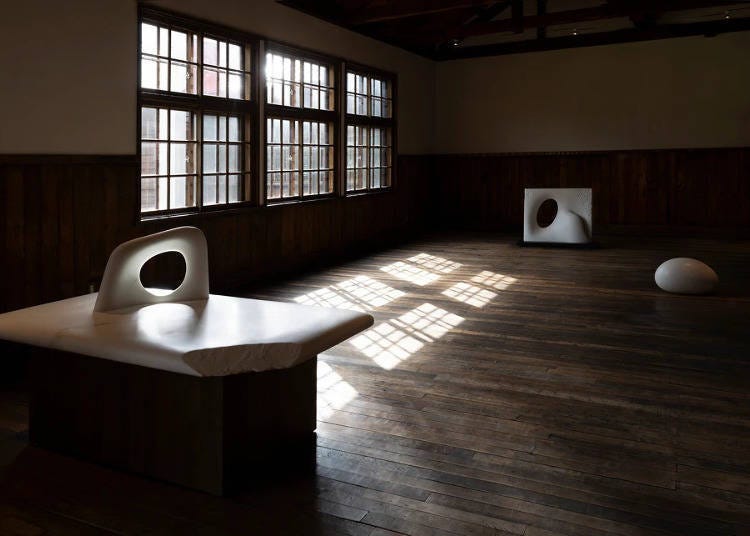
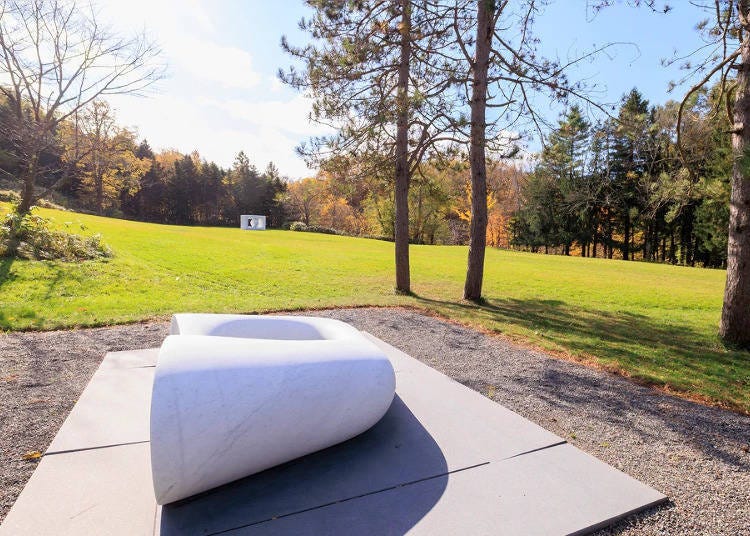
These sculptures aren’t meant to be experienced only with your eyes. Visitors are encouraged to touch them gently.
With the larger works, you can even put your arms around them or lean against them and feel their weight and curves for yourself.
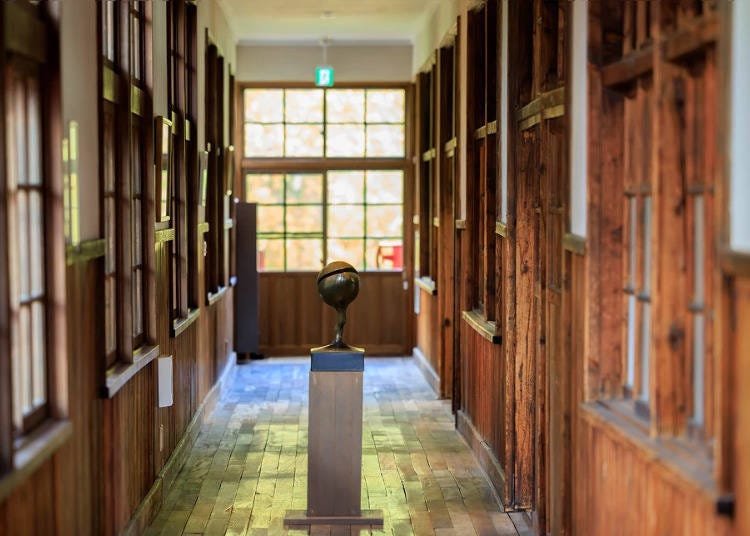
Despite being made from hard materials such as marble and bronze, they can feel unexpectedly soft and warm, almost as if the boundary between the sculpture and your own body begins to disappear.
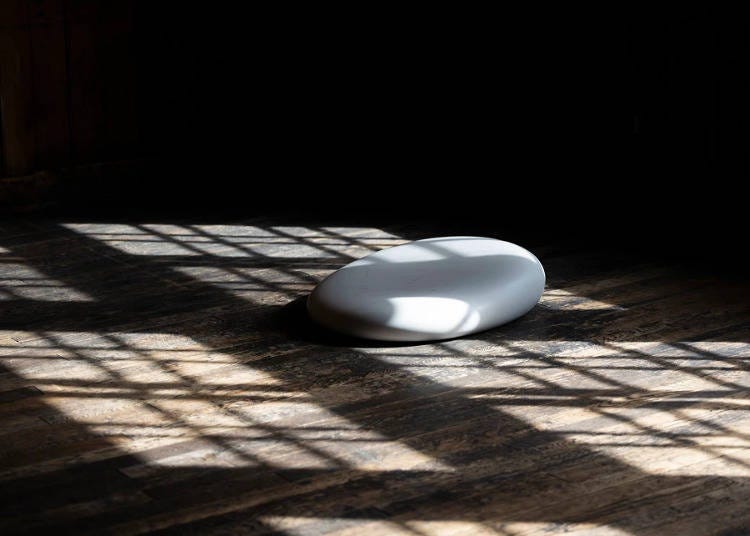
Then, quite unexpectedly, a sense of nostalgia can surface.
The memories embedded in this place seem to overlap with memories of your own. Perhaps it is something as simple as remembering the warmth of someone’s hand from many years ago.
There is something about Yasuda’s work that seems to draw forgotten feelings back to the surface.
Izumi explains:
“One of Yasuda’s expressions is, ‘The heart seeks form, and form seeks the heart.’
“There are things inside us that certainly exist, even though we can’t put them into words. We might call them feelings or emotions, but when they exist only inside us, even we ourselves can have trouble recognizing them clearly.
“Once they take form, though, we can perceive them. Yasuda creates physical forms through which those feelings can be understood by touch. I think that is one reason his work has resonated with people around the world.”

The sculptures also have intriguing names such as Tensei, Tenpi, and Mamu, so I asked Izumi where those unusual titles come from.

“I once asked Yasuda about the names myself,” she says. “He just looked at me playfully and said, ‘That’s a difficult question...’”
She laughs.
“It reminded me that for Yasuda, form matters far more than words.”
Take your time at Cafe Arte and the Arte Library

Cafe Arte
After exploring the grounds, Cafe Arte is a pleasant place to stop and rest.
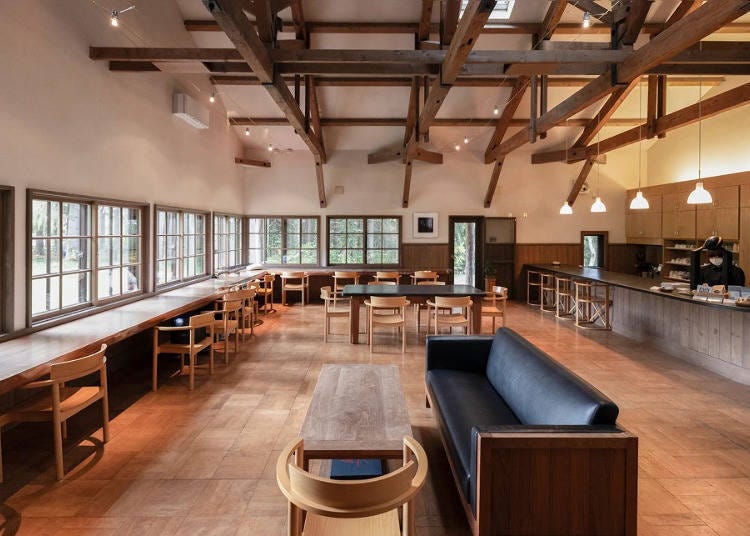
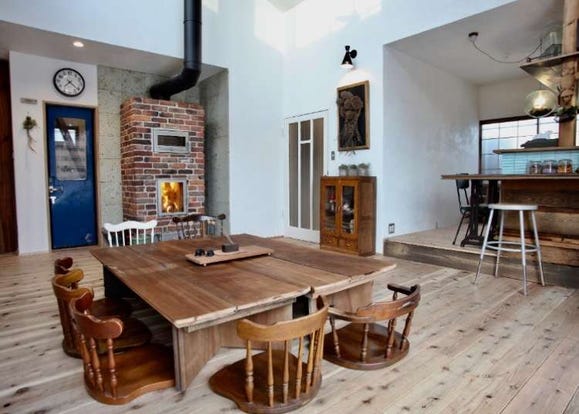
The cafe has high ceilings, large grid-pattern windows, and plenty of space between tables. Even when visiting alone, it is easy to settle in without feeling crowded.

A fireplace occupies one corner, and during winter, the crackle of burning wood and the flicker of the flames make the space even more inviting.

One of the cafe’s specialties is its panino, priced at 1,500 yen with a drink and available in limited quantities.
The sandwich is made with bread from Bibai bakery Staub and filled with prosciutto cotto made from Ezo deer by the chef of Sapporo Italian restaurant Parco Fiera.
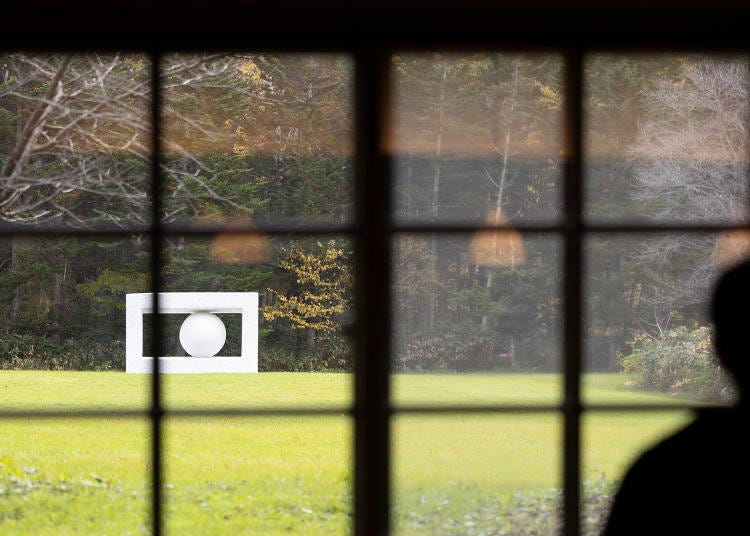
Arte Library
While you’re at Arte Piazza Bibai, consider switching off your smartphone for a while.
And if you find yourself wondering what to do with your hands, stop by the Arte Library and pick out a book.

The Arte Library is located beside the information desk on the second floor of the wooden school building. Its collection focuses on subjects such as sculpture, marble, and art.
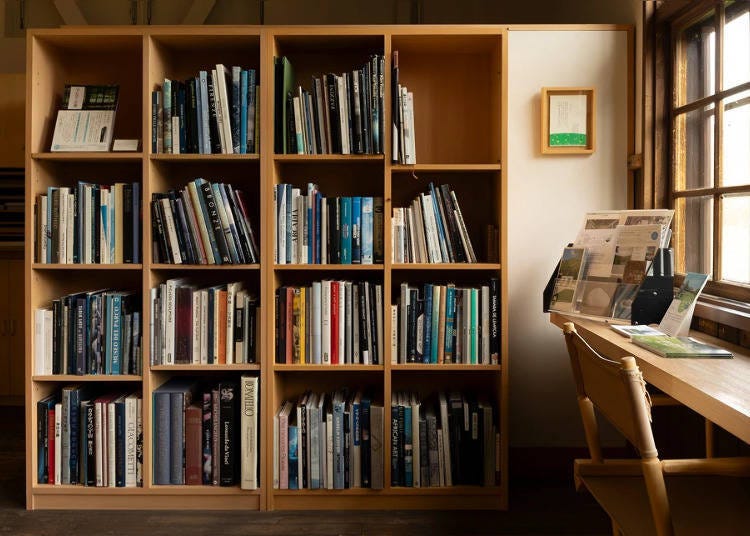
You can read there, but books may also be taken anywhere within the museum grounds.
That could mean bringing one to Cafe Arte, or, on a fine day, finding a favorite sculpture outdoors and settling down nearby with a book.

To learn more about the collection, I asked Taku Yasuda, Kan Yasuda’s eldest son, who is involved in managing the artist’s work, to recommend a couple of books.
“The first is LAVORARE-LIBERI. It shows how marble is quarried, transported, and eventually transformed into sculpture. It also contains plenty of beautiful photographs of the stone, so I think it’s interesting even if you don’t read Italian.”
His second recommendation is IL MARMO DELL'ALTRA MANO, a book documenting the work of STUDIO DI SCULTURA GIORGIO ANGELI, the studio of master stoneworker Giorgio Angeli.
“Giorgio has worked alongside Kan Yasuda for around 50 years, and their relationship continues today. He came to help during preparations for Arte Piazza Bibai, and he also traveled here to celebrate the museum’s 30th anniversary.”

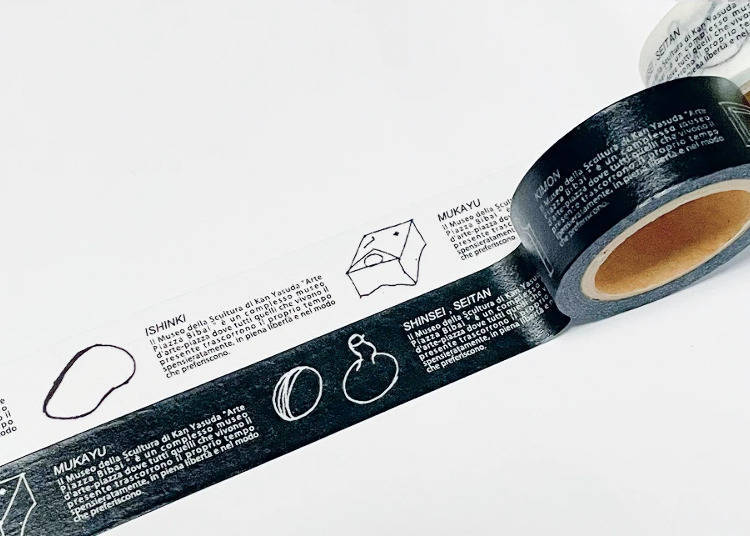
IL MARMO DELL'ALTRA MANO is also available for purchase at the museum shop.
Other popular souvenirs include original T-shirts and masking tape featuring motifs inspired by Yasuda’s work.
In Part 2, I join Arte Piazza Bibai’s popular “Carving the Heart” workshop and try working with marble myself.
-
Kan Yasuda Sculpture Museum Arte Piazza Bibai安田侃彫刻美術館 アルテピアッツァ美唄
-
Address
Sakaemachi, Ochiai-cho, Bibai, Hokkaido
View Map - Phone Number 0126-63-3137
Opening Hours: Museum 9:00 AM–5:00 PM, Cafe Arte 10:00 AM-5:00 PM *Weekdays from mid-November to mid-March of the following year: 10:00 AM-4:00 PM
Closed: Tuesdays, the day after public holidays (excluding Sundays), Year-end and New Year holidays
Admission: Free (Voluntary donations are accepted, such as Arte Citizen Popolo [annual fee 3,000 yen])
*During winter, outdoor sculptures are covered with protective sheets to shield them from Hokkaido's severe cold. White marble sculptures, along with some bronze works, are generally covered from early November until around late April. -
Address
Sakaemachi, Ochiai-cho, Bibai, Hokkaido
[Source & Cooperation]
This article has been reprinted with permission from "DO Tabi," the official travel information website operated by AIRDO, the wings of Hokkaido.
In Cooperation with: AIRDO Co., Ltd.
Founded on the core philosophy of "Revitalizing Hokkaido's Economy," AIRDO is headquartered in Sapporo, Hokkaido. Operating as the "Wings of Hokkaido," the airline connects Hokkaido with Honshu and Fukuoka across 11 routes.
Under its brand vision, "Bringing air travel closer, with higher quality, to enrich people's hearts," AIRDO is dedicated to delivering an accessible yet premium travel experience, centered around "warm hospitality" tailored to each and every passenger.

"DO Tabi" is a travel curation media platform operated by AIRDO, the wings of Hokkaido.
As an airline that knows the local region inside out, we deliver travel inspiration to transform your desire to visit into a memory you are truly glad you made.
It is packed with content that will resonate deeply—not only with those currently planning a trip to Hokkaido, but also with anyone thinking, "I want to go somewhere, but I haven't decided where yet."

- Area
- Category
*Prices and options mentioned are subject to change.
*Unless stated otherwise, all prices include tax.
Popular Tours & Activities
Recommended places for you
-
Appealing
Mt. Hakodate Observatory
Forests & Mountains
Hakodate
-
Niseko Village Ski Resort
Skiing & Snowboarding
Niseko / Rusutsu
-
Hokkaido University
Other Architecture
Sapporo / Chitose
-
Appealing
Noboribetsu Onsen
Hot Springs (Onsen) & Bath Houses (Sento)
Noboribetsu / Lake Toya
-
Farm Tomita
Other Nature
Furano / Biei / Sounkyo
-
Appealing
Rukku and Uohei
Izakaya
Sapporo / Chitose
-

Okashi Kissa Miura - The Charming Hokkaido Cafe Serves French-Inspired Sweets in the Beautiful Countryside
by: Guest Contributor
-
Obihiro's Beloved 90-Year-Old Sweet Shop and the 'Milk Road' Treat Fans Keep Coming Back For
by: Guest Contributor
-
Just 2 Minutes from JR Sapporo Station! Sapporo’s Must-Visit Soup Curry Gem: Hirihiri No. 2, a Longtime Local Favorite
by: Guest Contributor
-
10 Recommended Apartment Hotels in Hakodate for Families & Groups
by: Sae Haneda
-

Hokkaido's Best 10 Budget Onsen Stays (Ryokan & Hotels From 20,000 Yen a Night)
-
Curry Leaves: Sapporo Soup Curry with Crispy-Skin Chicken and a Rich Broth Built on Onions Sautéed for 10 Hours
-
Otaru Travel Guide: Inside Hokkaido's Leading Destination (Sightseeing, Food, and Shopping Tips)
-
10 Important Japanese Phrases to Know Before You Enter a Japanese Convenience Store
by: Teni Wada
-
Hokkaido Travel Guide: Everything You Need to Know Before You Go (Transportation, Food, Souvenirs & Hidden Gems)
-
Carving Your Heart in Stone: Experiencing Arte Piazza Bibai’s Marble Sculpting Workshop
by: Guest Contributor
-
Top 5 Things to Do in Hokkaido's Biei and Furano Area: Shirogane Blue Pond, Lavender Fields, And More!
-
6 Most Scenic Spots Around Mount Yotei, Hokkaido: Gorgeous Sunflowers & More!
- #best sushi hokkaido
- #things to do hokkaido
- #best ramen sapporo
- #what to bring to japan
- #new years in tokyo
- #what to buy in ameyoko
- #japanese nail trends
- #what to do in odaiba
- #onsen tattoo friendly tokyo
- #daiso
- #best sweets otaru
- #japanese fashion culture
- #best nature furano
- #japanese convenience store snacks
- #best japanese soft drinks