




For many visitors, eating is the highlight of any trip to Japan. But as tourism returns in full force, it has become clear that Japanese dining customs can feel surprisingly different from what you might be used to.
Can you use the wet towel placed at your seat to wipe your face? Why does your izakaya bill include an extra charge you didn’t order? These small, unspoken rules often leave travelers quietly confused.
We spoke with restaurant professionals across Japan to compile the 10 most common dining mistakes visitors make. If you want to eat like a local and avoid awkward moments, this practical guide to Japanese dining etiquette is one you’ll want to bookmark before your next meal.
Please Wait to Be Seated When You Enter
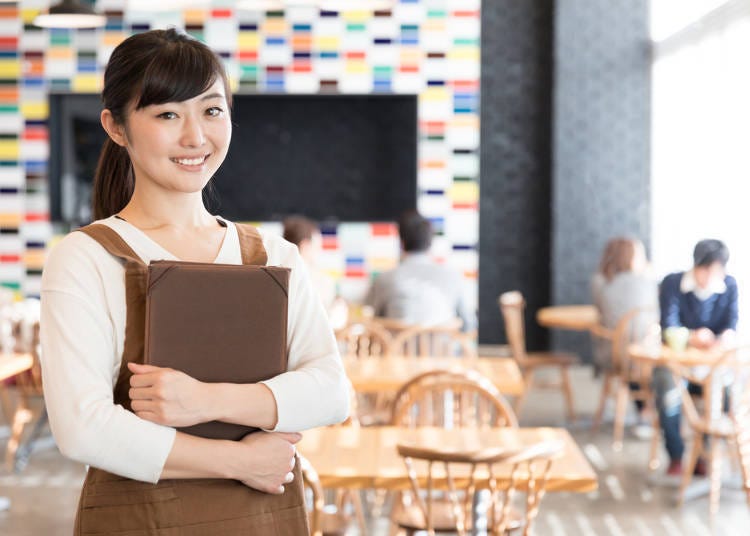
Even if you have a reservation, most restaurants in Japan will first confirm your party size and guide you to your table. When you arrive, let a staff member know how many people are dining and whether you have booked in advance.
During busy hours, you might notice empty seats but no one immediately available to assist you. Even then, avoid walking in and seating yourself. Instead, wait near the entrance in a visible spot so staff can see that you are ready to be helped. A little patience goes a long way, and someone will usually come over shortly.
At popular restaurants, you may find a waiting list sheet or a ticket machine at the entrance. In that case, write down your name and party size or take a numbered ticket. When your turn comes, a staff member will call your name or number.
If You Can’t Make Your Reservation, Let the Restaurant Know

With online booking now widely available, many travelers reserve tables in advance to avoid long waits or being turned away. It is a smart move, especially for popular restaurants.
However, in recent years, many restaurants in Japan have reported a rise in no-shows and last-minute cancellations by overseas visitors. When guests do not arrive, carefully prepared ingredients can go to waste, and the restaurant loses the opportunity to seat other customers. Some establishments have even introduced policies refusing reservations from foreign travelers as a result.
What many visitors may not realize is that smaller restaurants often purchase ingredients the same day, and in quantities that closely match their reservations. A chef might visit a morning market or place a limited order based specifically on the number of booked guests. When someone does not show up, that food cannot always be reused the next day, especially if it involves fresh seafood or seasonal produce.
If your hotel makes a reservation on your behalf, you may also be charged a cancellation fee if you do not show up.
Before confirming a booking, take a moment to make sure your schedule is realistic. Try not to reserve a table unless you are confident you can go. And if something unavoidable comes up, contact the restaurant as early as possible. A quick, polite notice is always appreciated.
Don’t Bring Outside Food or Trash Into the Restaurant
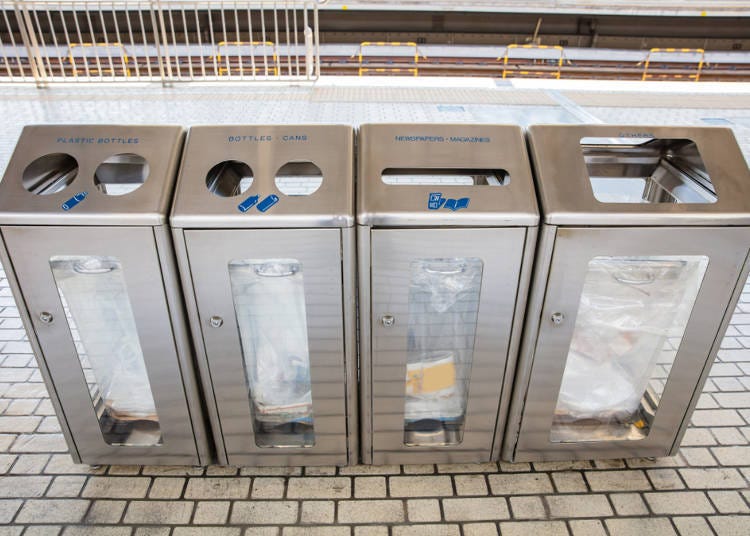
It is easy to grab a street snack or drink while sightseeing. But if you are about to enter a restaurant and still have something unfinished, place it in your bag before going inside. Once seated, avoid taking it back out, and never eat outside food at the table.
Doing so can come across as disrespectful, and it may give the impression that the restaurant’s own dishes are not good enough. In Japan, restaurants take pride in the full dining experience, and bringing in outside items disrupts that atmosphere.
The same applies to trash. If you are carrying an empty plastic bottle or takeaway cup and cannot find a bin, do not leave it at the restaurant. Dining establishments are not public trash disposal sites, and staff are not responsible for cleaning up unrelated waste.
If you need to throw something away, use the bins outside convenience stores or at train stations. A small gesture of consideration helps maintain the clean and orderly environment Japan is known for.
The Wet Towel Is for Your Hands Only
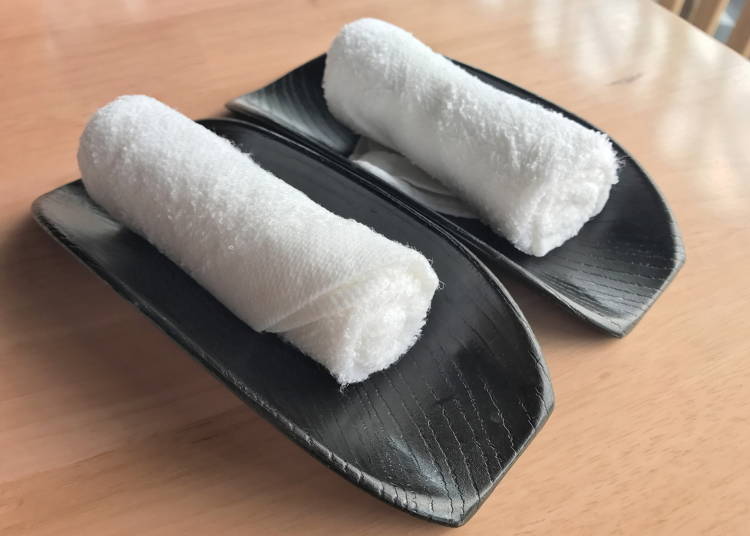
In Japan, it is common to be handed a warm or cool wet towel, known as an oshibori, as soon as you sit down. Its purpose is simple: to clean your hands before eating.
After you have used it, place it neatly beside you. In many restaurants, staff will come by to collect it shortly afterward.
Some visitors, out of habit, may use the towel to wipe their mouth, face, or even the table. However, this is considered inappropriate in Japan. Staining the towel with lipstick, foundation, or food residue can be seen as careless and disrespectful.
Think of the oshibori as part of the dining ritual. It is there to refresh your hands, and nothing more.
Ask Before Switching to Your Native Language

Japan welcomes millions of international visitors each year, and many people from overseas also live and work here. As a result, it is increasingly common to find restaurant staff who speak English, Chinese, Korean, or other languages, making dining more accessible for travelers.
However, it is best not to assume.
Some guests immediately switch to their native language when they notice a staff member who does not appear Japanese. If the staff member happens to speak that language, it can be helpful. But if it is a misunderstanding, the situation can quickly become awkward.
There have been cases where customers began speaking rapid-fire Chinese to a staff member who was actually Vietnamese and did not understand a word. When communication failed, the customer blamed the staff member, while the restaurant felt the approach itself was impolite.
If you would feel more comfortable using your own language, simply ask first. A polite “Do you speak English? (Eigo o hanasemasu ka?)” or similar question shows respect and helps avoid uncomfortable misunderstandings.
Be Mindful of How You Use Your Utensils
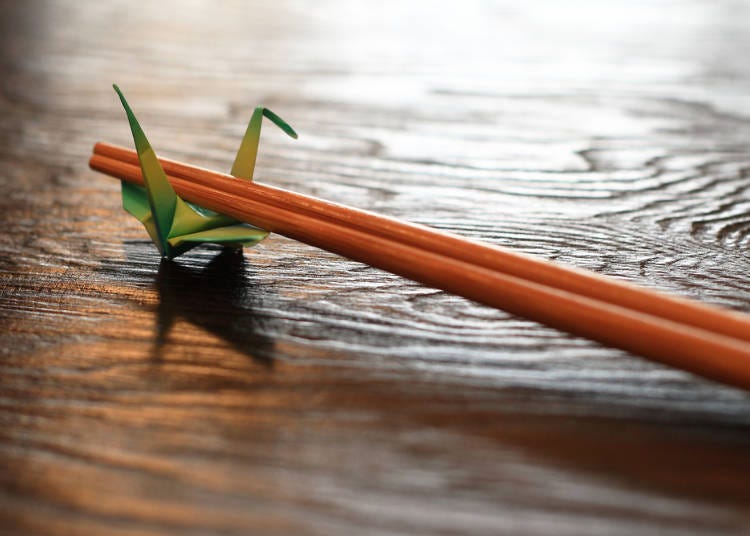
While Japan relies heavily on chopsticks, Japanese table manners around their use are quite specific.
For example, never pass food directly from your chopsticks to someone else’s. Instead, place the item onto a shared plate so the other person can pick it up from there. Licking or chewing on chopsticks is also considered poor manners.
In some places, it is common to rest chopsticks across the top of a bowl when pausing mid-meal. In Japan, however, placing them horizontally over your bowl can signal that you have finished eating. A server may interpret this as a cue to clear your dish. If you need to set your chopsticks down, place them on the chopstick rest provided, or neatly on the table.
When it comes to soup, such as miso soup, it is normal to lift the bowl and drink directly from it. A spoon is usually not provided, and none is needed.
Paying attention to these small details helps you blend in and enjoy your meal with confidence.
One Person, One Order Is the Standard

In Japan, it is generally expected that each person orders their own dish. Sharing a single meal between two adults is uncommon, especially in smaller establishments such as ramen shops.
Many local eateries have limited seating, often just a narrow counter with a handful of stools. Each customer occupies a seat, and that seat is tied to an order. Sitting down without ordering, or splitting one dish between multiple people, can be seen as inconsiderate, even if staff do not openly object.
While restaurants may not directly confront customers about this, it can create quiet frustration behind the scenes. As a simple rule of thumb, if you take a seat, plan to order something for yourself.
Ask Before Taking Photos
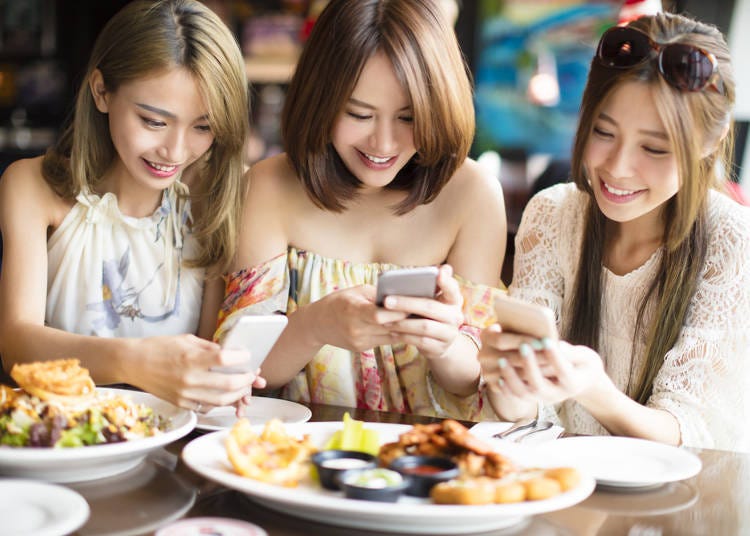
Taking photos before eating has become second nature for many travelers. In Japan, snapping a quick picture of your meal is usually not a problem.
What requires more care is photographing the restaurant itself. Be mindful not to capture other diners in your shots. Personal privacy is taken seriously in Japan, and many people are uncomfortable being photographed without permission.
At traditional ryotei, high-end restaurants, or establishments led by well-known chefs and craftspeople, photography rules may be stricter. Some places limit photos out of consideration for other guests or to protect the atmosphere the chef has carefully created.
If you are unsure, simply ask. A polite way to check is:
“Shashin o totte mo ii desu ka?” which means, “May I take a photo?”
That small gesture shows respect and helps everyone enjoy the experience comfortably.
Don’t Waste Food. Order Only What You Can Finish

Avoiding food waste is basic dining etiquette anywhere, but it carries particular weight in Japan, where ingredients and preparation are treated with deep respect.
With social media encouraging eye-catching food photos, some diners order far more than they can actually eat. The result is half-finished dishes left behind, along with the time, skill, and carefully sourced ingredients that went into them.
The same principle applies at all-you-can-eat restaurants. Even during the final round of orders, think realistically about your appetite. Take or request only what you can finish. Some buffet-style establishments will charge an additional fee if excessive food is left uneaten.
It can be disheartening to see premium ingredients, such as high-quality wagyu at a yakiniku restaurant, left untouched on the table. Ordering thoughtfully not only shows good manners, it also honors the effort behind every dish.
Expect an “Otoshi” Charge at Izakaya

When dining at an izakaya, you may notice a small dish appear at your table shortly after you sit down. This is called otoshi, and it functions as a seating charge.
The dish is usually a simple appetizer or snack meant to accompany your drinks. If you place an order, you will typically be charged for it. Prices vary by restaurant.
Some visitors are surprised when they check the bill and see an unfamiliar extra fee. It can feel like an unexpected add-on, but in most cases, this charge is simply the otoshi. In a way, it plays a role similar to a tip or cover charge in other countries. Tipping is not customary in Japan, so this small fee helps cover the cost of your seat and service.
If you are unsure, you can politely ask in advance. A simple question such as “Otoshi wa arimasu ka?” (Is there an otoshi charge?) can help clarify things before you order.
Avoid Burping Loudly in Public

Eating a little too quickly or too much can sometimes lead to an unexpected burp. In some cultures, a loud belch after a meal may even be taken as a sign of satisfaction.
In Japan, however, it is considered impolite and unpleasant, especially in a dining setting. Restaurants are shared spaces, and diners are expected to be mindful of those around them. Since consideration for hygiene and public decorum is highly valued, burping openly can make other guests uncomfortable.
If it cannot be avoided, try to keep it as discreet and quiet as possible. A bit of self-awareness helps ensure everyone can enjoy their meal in peace.
If You Want to Split the Bill, Settle It Privately

At many izakaya and higher-end restaurants in Japan, splitting the bill at the register is not common practice. Menus often include numerous shared dishes and drinks, making it complicated to calculate individual totals. Handling separate payments can also slow down the checkout process and create delays for staff and other customers waiting behind you.
To avoid inconveniencing the restaurant, it is best to settle up with your friends at the table before heading to the cashier. Collect cash in advance and have one person pay the full amount. Alternatively, pay together first, then use the receipt to divide the cost among yourselves afterward.
Dining in Japan does not require complicated preparation, but small gestures of consideration make a difference. Many restaurants will not openly express frustration, even if something causes inconvenience. Being observant and thoughtful during your trip helps leave a positive impression on the people who welcome you.

- Category
*Prices and options mentioned are subject to change.
*Unless stated otherwise, all prices include tax.
Popular Tours & Activitiess
Recommended places for you
-

Birthday Surprise x KUJIRA ENTERTAINMENT DINING
Other Restaurants
Shinjuku
-
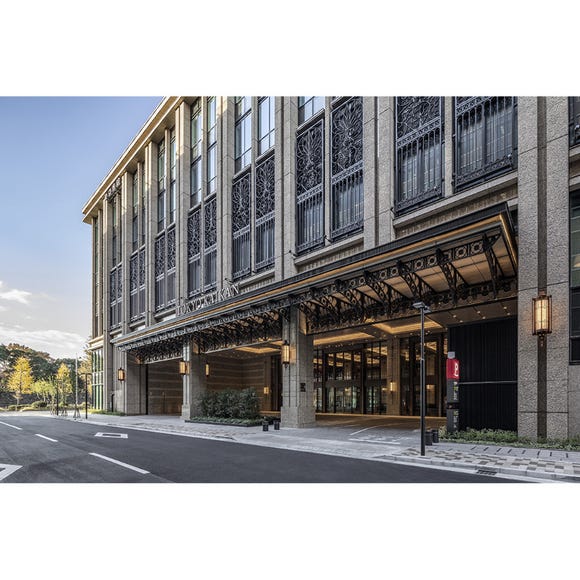
TOKYO KAIKAN
Other Restaurants
Ginza
-
BUDDY BUDDY
Other Restaurants
Sapporo / Chitose
-

Man in the MoonKarasuma
Other Restaurants
Gion, Kawaramachi, Kiyomizu-dera Temple
-
PASELANamba
Other Restaurants
Namba, Dotonbori, Shinsaibashi
-
fes Fuesu
Other Restaurants
Umeda, Osaka Station, Kitashinchi
-
Ad
5 Recommended Wagyu Yakiniku Restaurants in Tokyo: Signature Dishes, Premium Beef, and Secret Sauces
-
Ad
Japan’s Land of Yokai Monsters and Spooky Stories! A Deep Journey to Mysterious San’in (Tottori & Shimane) for Seasoned Travelers
-
To the Holy Land of Kawaii! Odakyu Tama Center Station Is Becoming a Dreamy Sanrio Wonderland
by: Guest Contributor
-
Where to Buy a Japanese Kitchen Knife? Why Travelers Choose MUSASHI JAPAN's 14 Stores in Tokyo, Kyoto, and Nara
by: Guest Contributor
-
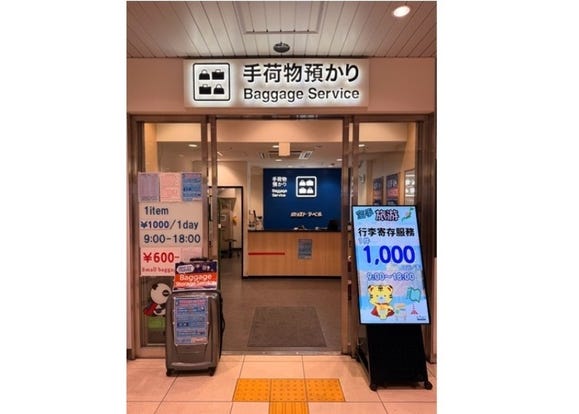
Farewell, Heavy Suitcases! Keisei Ueno’s New Service Makes Your Last Day in Tokyo Totally Hands-Free
by: Guest Contributor
-

A New Tokyo Landmark Is Coming in 2026, and It's Built for Modern Travelers
by: Guest Contributor
-
Dining in Hokkaido: 8 Recommended Tomamu Restaurants And Cafes
-
18 Travel Secrets of Aomori Japan: Guide for Sightseeing, Shopping, and More
by: Guest Contributor
-
Enjoying Tokyo’s Nightlife: 3 Chill Spots to Catch Some Jazz near Shibuya
-
Dakigaeri Gorge: Stroll Beside Aqua-Blue Streams and Brilliant Autumn Leaves in Akita
by: Guest Contributor
-
Kansai Food Extravaganza! The Best Dishes From Kyoto, Osaka, Kobe, and More!
by: Steve Csorgo
-
Dining in Shinsaibashi: 16 Must-Try Restaurants for Osaka Cuisine Loved by Locals
by: Tiffany YU
- #best sushi japan
- #what to do in odaiba
- #what to bring to japan
- #new years in tokyo
- #best ramen japan
- #what to buy in ameyoko
- #japanese nail trends
- #things to do japan
- #onsen tattoo friendly tokyo
- #daiso
- #best coffee japan
- #best japanese soft drinks
- #best yakiniku japan
- #japanese fashion culture
- #japanese convenience store snacks