






What looks and sounds like English, but is actually Japanese? It's Janglish or "Japanese English," or rather what the Japanese call "wasei-eigo," the use of English words to create a new word in Japanese.
Wasei-eigo, literally “Japanese-created English language,” is similar to gairaigo, Japanese words derived from a foreign language, also referred to as 'loanwords' or 'borrowed words'. Let's take a look at this fascinating fusion of languages!
What is Japanese English / wasei-eigo?

Both gairaigo and wasei-eigo are written in the katakana writing system designated for words of foreign origin, onomatopoeia, and ideophones - the other Japanese syllabaries are hiragana and kanji. However, gairaigo may originate from any foreign country, not necessarily English.
Another distinction is that while gairaigo generally retain their original meanings (for example, biiru / ビール still means 'beer'), words that are "Japanese English" generally take on a new meaning or are used in a way not found in any English-speaking country.
Talking in Japanese English / Wasei-Eigo - Guess the meaning of these 10 words!

If you have even a passing interest in Japanese language or culture, you have most likely come across some wasei-eigo already. If not, please become acquainted with ten words that are often used in daily life Japanese! How many can you guess by just reading the headline?
1. Nōto pasocon ノートパソコン

”Notebook personal computer.”
2. Sararīman サラリーマン

Businessman. The word sararīman is the word you'd use to describe the typical Japanese businessman in a suit. Typical habitats include the Metro and Tokyu lines, Shinjuku, or any budget Japanese chain restaurant.
3. Manshon マンション

Condominium, or nice apartment. If you've been wondering why your Japanese friend says he lives in a mansion, but needs to watch his spending, you can stop giving him the side-eye.
4. Ice candy アイスキャンディー

A Popsicle, or ice pop. Japan sure loves these frozen treats! From watermelon-shaped ice pops to ice candy jewelry, you'll find these everywhere in the country.
5. Jī pan ジーパン

Jeans. Although most Japanese would probably understand you if you asked for jeans, as the regular “jeans” has made its way into the Japanese language via international brands and stores.
6. Baby car ベビーカー

A stroller or pram. This leads us to wonder if babies view their stroller as their own personal car.
7. Cunning カンニング

If someone says that you're cunning, that means that they think you're cheating, perhaps on a test or game. You can see how this one is somewhat related to the original word. A person who cheats is probably at least a little cunning or sly.
8. Virgin road バージンロード

The wedding aisle. This word has even been the title of an Ayumi Hamasaki song and a popular 90's drama.
9. Live house ライブハウス

A music venue. If you want to picture a typical Japanese live house, just gather 200 of your closest friends in your living room, add cigarette smoke, beer, and a band whose sound system is cranked up to ear-shattering levels. Also worth noting, concerts in Japan are often referred to as "lives," particularly smaller ones.
10. My boom マイブーム

If someone is talking about 'my boom' they're referring to their current obsession. As in, "Kawaii character lattes are my boom!" or "Fun face masks are my boom!"
A World of Wasei-Eigo Words!
If you already knew any of these wasei-eigo terms, then hats off to you because these terms often leave newcomers to Japan scratching their heads! To make matters more confusing, many Japanese assume that these are popular English expressions and wonder why their international friends have no idea what they're talking about.
And this is just a small selection of Japanese-English terms that you can hear every day all around Japan. Keep your ears opened and you may hear some of them on your next visit!
*Prices and options mentioned are subject to change.
*Unless stated otherwise, all prices include tax.
Popular Tours & Activities
Recommended places for you
-
Appealing
Rukku and Uohei
Izakaya
Sapporo / Chitose
-
ISHIDAYA Hanare
Yakiniku
Kobe, Sannomiya, Kitano
-
Hachimantai Aspite Line
Landscapes
Morioka, Hiraizumi And Hachimantai
-
Dotonbori
Other Sightseeing
Namba, Dotonbori, Shinsaibashi
-
Jukuseiniku-to Namamottsuarera Nikubaru Italian Nikutaria Sannomiya
Izakaya
Kobe, Sannomiya, Kitano
-
Goods
Yoshida Gennojo-Roho Kyoto Buddhist Altars
Gift Shops
Nijo Castle, Kyoto Imperial Palace
-

Haneda Airport Duty-Free Shopping Guide: What to Buy, How to Save & Where to Eat Before Your Flight
by: Guest Contributor
-
Japan's New GREEN LIFESTYLE TRAIN Connects Tokyo, Yokohama, and a Greener Future
by: Guest Contributor
-

Daikoku PA Car Meet: What Is JDM, and Why Do Enthusiasts Flock Here?
-
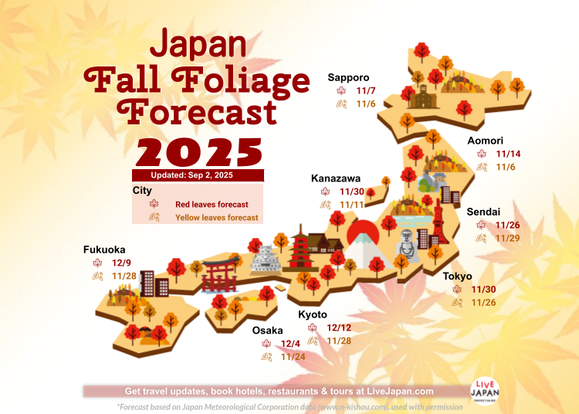
Autumn in Japan 2026: Fall Foliage Forecast & Where to Enjoy the Colorful Leaves (+Tour Info)
-

ANA’s Chiikawa Jet Is Taking Off—Here’s Everything You Need to Know About Exclusive Goods, In‑Flight Fun & Travel Tips
by: Guest Contributor
-

Top-Booked by International Visitors: Must-Try Italian & Pizza in Tokyo for First-Time Visitors
by: Guest Contributor
-
Japan's Bath Culture: Tips You Should Know!
-

Asahiyama Zoo (Asahikawa): Complete Guide to Hokkaido's Incredible Zoo!
-

Cool Hotels in Osaka: 9 Unique Stays From Luxury to Budget-Friendly
by: Himanshi Shah
-
18 Travel Secrets of Aomori Japan: Guide for Sightseeing, Shopping, and More
by: Guest Contributor
-
Tokyo Anime Pilgrimage: Love Live!
-

Tokyo Roppongi: 5 Most Amazing Spots at Roppongi Hills and How to Make the Best of Them!
- #best sushi japan
- #what to do in odaiba
- #what to bring to japan
- #new years in tokyo
- #best ramen japan
- #what to buy in ameyoko
- #japanese nail trends
- #things to do japan
- #onsen tattoo friendly tokyo
- #daiso
- #best coffee japan
- #best japanese soft drinks
- #best yakiniku japan
- #japanese fashion culture
- #japanese convenience store snacks