



Customs and etiquette are very important in Japan. The country has quite a diverse culture, and only by spending a few days in a native Japanese environment can someone realize how everyday life in Japan is a mix of Western customs blended with etiquette from the past.
1. Spending the Day in the Convenience Store
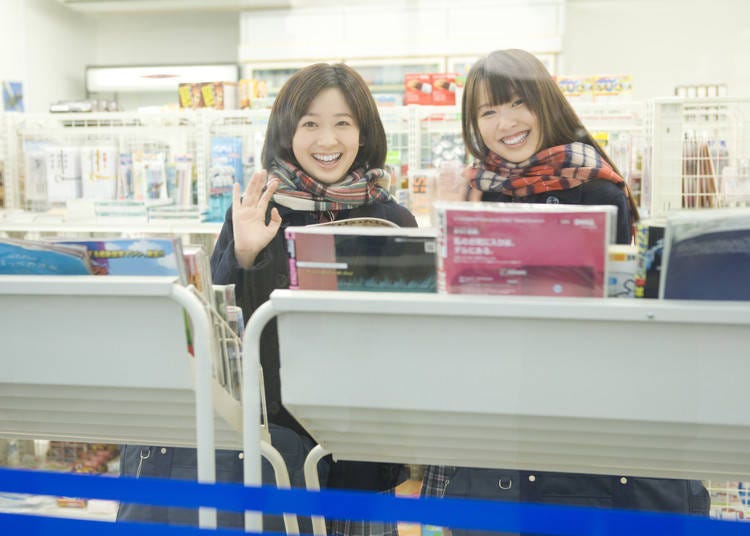
This is a quite common sight in a convenience stores and book stores: people standing for hours, reading their favorite manga or magazines.
Although the staff might politely ask you to leave, most of the time they don’t mind. In some places, it is even almost welcomed as it helps to boost the popularity of the place. This practice is known as “tachi yomi”, literally “standing-reading.”
2. Bringing Back an Omiyage (Souvenir)
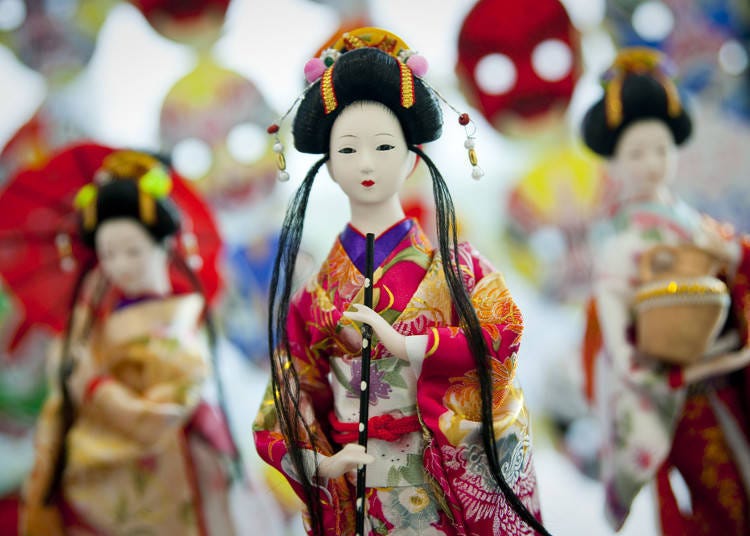
Omiyage is the term used when buying souvenirs for friends, families or coworkers after traveling. It is a really important part of the Japanese culture, as there is a sense of obligation attached to it that most Japanese people tend to follow. From snacks, stationery, hand-made articles, there are a ton to choose from!
3. Early Morning Radio Exercises

Radio Taiso is a real institution in Japan. Broadcasted every morning on the radio and TV NHK, it consists of warm-up exercises and easy movements that stimulate blood circulation and improve flexibility.
The concept has its roots in the United States and was introduced in Japan in 1928, where it is also used to build morale and group unity at work. Nowadays, about 20% of the entire Japanese population, including a majority of elementary schools children, still do the exercises.
4. Japanese Have Different Gestures
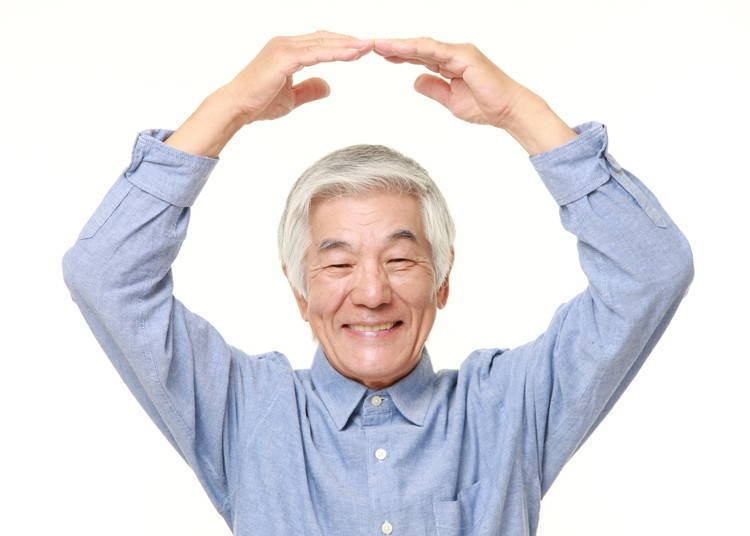
Like most countries in the world, Japan has some unique gestures that might surprise those who see them for the first time.
One of these is the way to say “no” and “yes”: respectively, by crossing arms as an X in front of you, or above the head as a big O.
5. Everyday Japanese interjections

“Aizuchi” is the Japanese term for interjections during everyday conversations. They are used to show someone that you are listening attentively and are interested in what they are saying,
The interesting thing is that anyone who spends enough time in Japan will start to unconsciously use them.
Here are some of the most popular ones:
“Hai” (はい), “ee” (ええ), or “un” (うん): Yes/O.K.
“Sou desu ne” (そうですね), “Sou desu ka” (そうですか): I see / Is that so?
“Hontou” (本当), “Hontou ni” (本当に), “Maji” (マジ): Really!?
“Naruhodo” (なるほど): I see.
6. Seating Arrangements at a Business Drinking Party
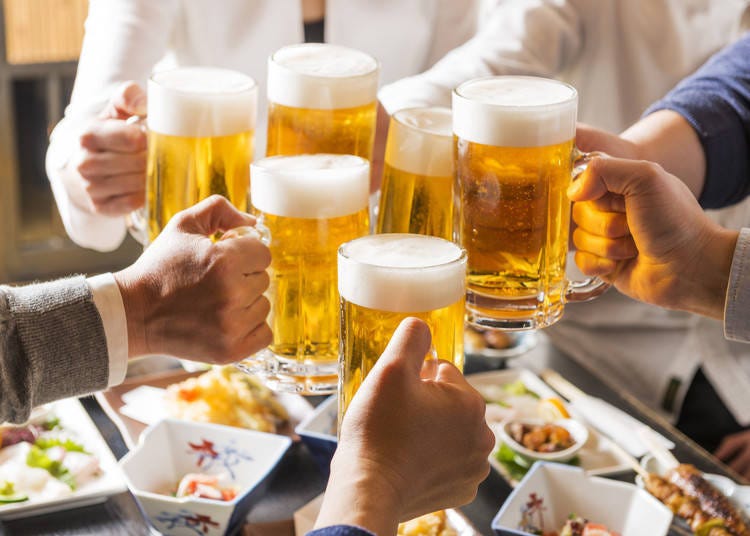
Seating arrangements during a business ‘“nomikai,” or drinking party, can be quite a thing in Japan. There are several rules to know, some dating back hundreds of years. Even if they may not be strictly followed in today’s society, respecting or at least knowing them is often seen as a matter of courtesy and respect for the leader of the group or the company.
General rules to abide by are:
- The seat of honor is usually the farthest seat from the exit.
- Important members sit closer to the seat of honor.
- Less important/new hires sit closest to the door.
During a business drinking party, it is actually ok to drink, let loose, and let the worries of the day disappear. There is even a specific word for it, “bureikou”, which basically means "free and easy," not worrying about the boss/employee formal relationships, ranks, and age.
7. The Art of Apologizing
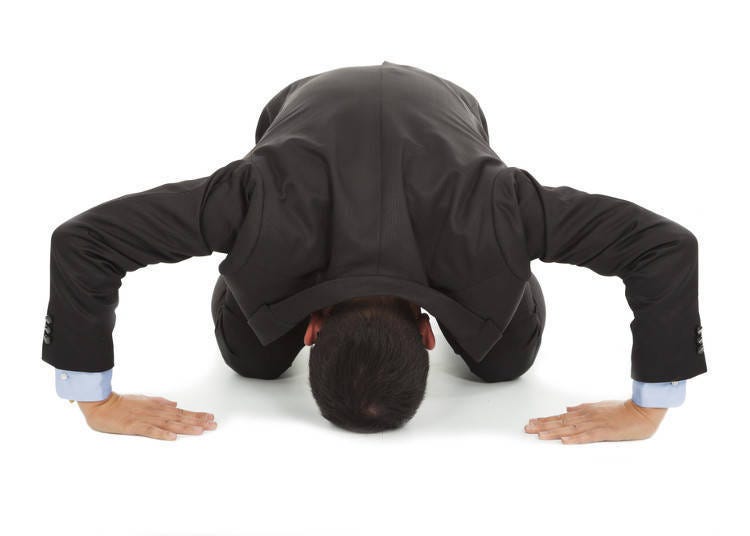
The alarm didn’t work this morning, an accident happened on your train line and you happen to arrive at work one hour late.
The first thing that might cross your mind is to explain to your superior and coworkers that everything went wrong and that you could not have foreseen it. However, talking about excuses is often frowned upon, even if things were out of your control.
While that may seem a bit unfair, the best course of action is often to simply apologize.
8. Exchanging Business Cards

The exchange of business cards, or “meishi,” is a very important part of the business life in Japan. It is so important that there are even classes dedicated to it. To avoid any missteps, there are several rules that it is better to know:
- When exchanging business cards, slightly bow and offer it with both hands.
- Do not write on the business card; it is considered very rude.
- Leave the business card face-up on the table if in a formal environment.
- Do not immediately put it away. Take some time to look at it. If you need to put it away, make sure you bring a business card holder.
- Never fidget with the card in front of the other party.
Hopefully, this will help you the next time you have to meet a client!
Photo credit (main image): Mahathir Mohd Yasin / Shutterstock.com
*Prices and options mentioned are subject to change.
*Unless stated otherwise, all prices include tax.
Popular Tours & Activities
Recommended places for you
-
Appealing
Rukku and Uohei
Izakaya
Sapporo / Chitose
-
ISHIDAYA Hanare
Yakiniku
Kobe, Sannomiya, Kitano
-
Sapporo Clock Tower
Landmarks
Sapporo / Chitose
-
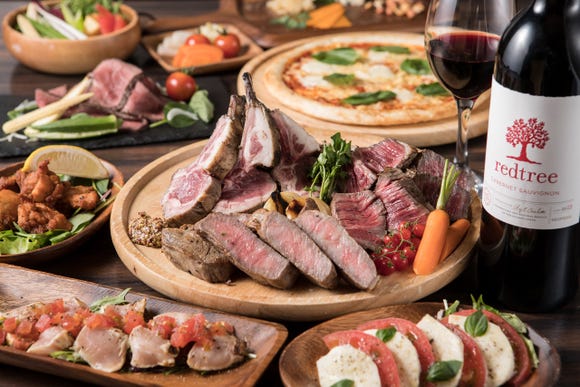
Jukuseiniku-to Namamottsuarera Nikubaru Italian Nikutaria Sannomiya
Izakaya
Kobe, Sannomiya, Kitano
-
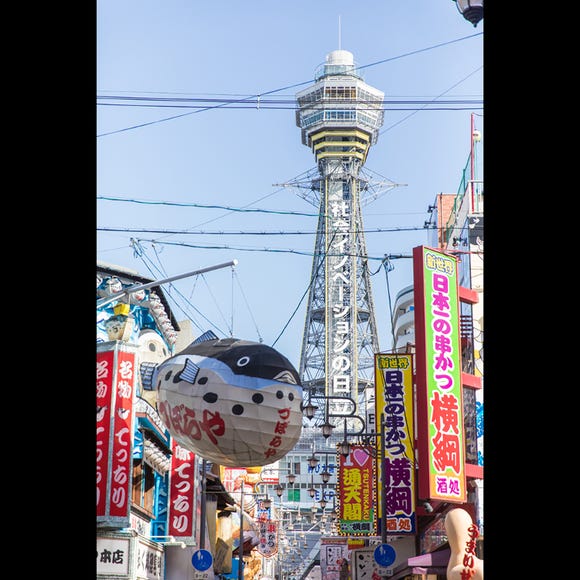
Tsutenkaku Tower
Landmarks
Shinsekai, Tennouji, Tsuruhashi
-
Goods
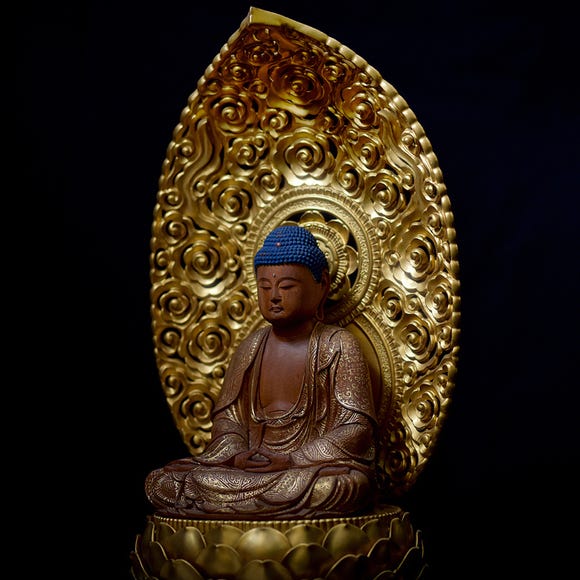
Yoshida Gennojo-Roho Kyoto Buddhist Altars
Gift Shops
Nijo Castle, Kyoto Imperial Palace
-
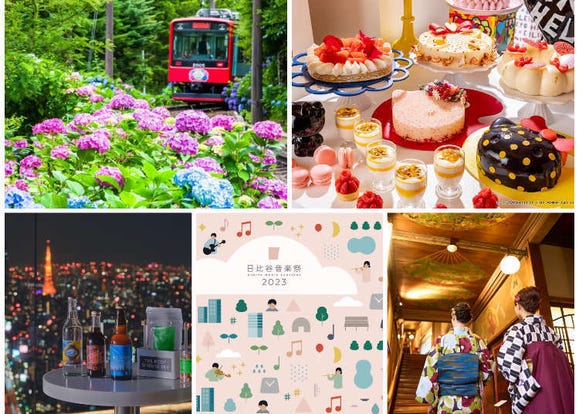
June Events in Kanto: Fun Festivals, Food, and Things to Do in Tokyo and Around
-
Explore Tokyo and Kanagawa to the Fullest! A Seamless Journey with the Odakyu Digital 1-Day All-Line Pass
by: Guest Contributor
-
Tokyo Family Travel Just Got Easier Thanks to These Adorable Train Strollers
by: Guest Contributor
-
Coffee, Curry, and Titanium Gear: We Check Out Snow Peak LAND STATION TOKYO
-

Explore Everyday Tokyo in 3 Hours from Haneda Airport! A New Travel Style Using the HANEDALL Digital Pass
by: Guest Contributor
-
This Mountain Beer Garden Might Be Tokyo’s Best Summer Experience
by: Guest Contributor
-
5 Amazing Kyoto Festivals You'll Want to Experience During Your Next Trip
by: Guest Contributor
-
One-Day Itinerary Idea: Tour Tokyo's Historic Asakusa Neighborhood
by: Mae Kakizaki
-
5 Must-Visit Nara Temples and Shrines: Discover the Timeless Beauty of Japan's Ancient Capital
by: WESTPLAN
-
Ad
What's 'ZERO ROPPONGI' – And How Is It Making Sightseeing Safer In Roppongi?
-
The Hottest Buys at BicCamera Namba: Here’s What Foreign Visitors are Snapping Up Since Japan Reopened
-
Hoshinoya Kyoto: This Incredible Japanese Hotel Welcomes You By Boat on a Sakura-Filled River
- #best sushi japan
- #what to do in odaiba
- #what to bring to japan
- #new years in tokyo
- #best ramen japan
- #what to buy in ameyoko
- #japanese nail trends
- #things to do japan
- #onsen tattoo friendly tokyo
- #daiso
- #best coffee japan
- #best japanese soft drinks
- #best yakiniku japan
- #japanese fashion culture
- #japanese convenience store snacks