「熱海城」座落於錦浦的山頂,從天守閣的展望台可將熱海全區域的景色盡收眼底。熱海有渡假飯店和一望無際的美麗大海,因而被比喻為「東洋的摩納哥」。 晴空萬里的日子,在1樓的足湯(免費)一邊泡腳一邊欣賞迷人的景色是一大享受!
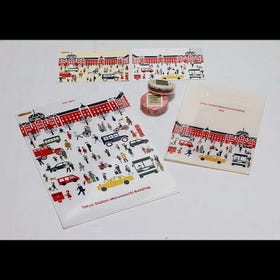
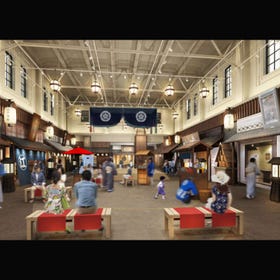
日本第一間於1871年設立的郵局「東京中央郵局」,在2012年時遷移到現在的JP Tower的低層建築中,身為觀光景點之一相當受到矚目。只有在這間東京中央郵局才買得到的東京站丸之內車站建築主題的文件夾、紙膠帶與明信片等,都是高人氣的東京新伴手禮。如果將明信片投入東京車站內所設置的郵筒的話,就會為您蓋上東京車站的風景日期戳章。
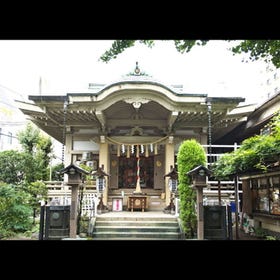
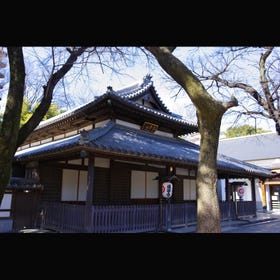
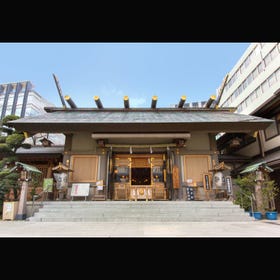
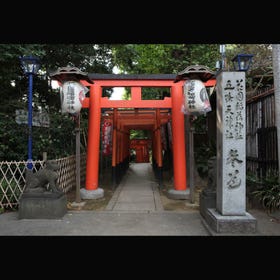
Tokugawa Iemitsu, the third shogun of the Tokugawa family in the Edo period, established Sanjusangen-do for the peace in the country, national security, and tempering martial arts. The hall built after the manner of ones in Kyoto became the beginning of Yasaki-inari. The name Yasaki also came from ”yumi” (a bow) and ”ya” (an arrow). Fukurokuju (god of happiness, wealth, and long life) of the seven deities is placed at the right side of the worship hall in front of the main building.
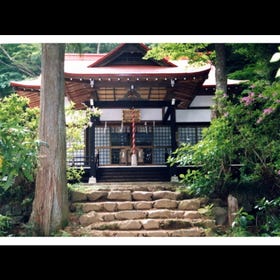
天照山神社建於昭和6年(1931), 天照山神社是一間位處山林深處,周邊和四季花卉相互輝映的神社。神社內供奉天照皇大神、猿田彥大神、大成大神,每年5月22日固定舉行祭典之時,來自日本全國各地的信徒爭相到訪參拜,場面熱鬧非凡。 交通方式: 從湯河原站搭乘往元箱根方向的巴士(約40分鐘) 巫鳥之窟入口巴士站下車後步行30分鐘
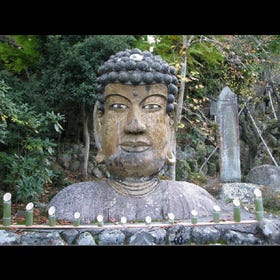
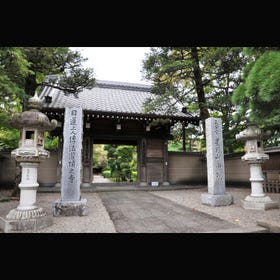
首大佛是陶土製的釋迦牟尼佛像,原本在名古屋城內,戰後才供奉於「福泉寺」(Fukusenji)。 這尊佛像原是名古屋城主德川光友,為了悼念逝世的母親打造的。 據說佛像在名古屋時還有頭部以下的部分,但後來身體部分下落不明。 交通方式: 從湯河原站搭乘往奧湯河原、不動瀑布方向的巴士(約5分鐘) 泉入口巴士站下車後步行5分鐘